
The sheer scale of a global metropolis is often difficult to grasp until one begins to explore its intricate urban tapestry. For many travelers, comparing the vastness of two iconic cities like Tokyo and New York is a crucial step in planning an immersive experience. Beyond the population figures and towering skyscrapers, understanding their physical footprint and the density of their human endeavors offers a more profound perspective on what makes each city unique. This exploration delves into the spatial comparisons between these two titans of urban living, revealing how their sizes translate into distinct travel and tourism landscapes.
Land Area and Urban Sprawl
When discussing the “size” of a city, the most immediate metric is often its geographical area. Tokyo and New York present a fascinating contrast in this regard.
Administrative Boundaries vs. Metropolitan Areas
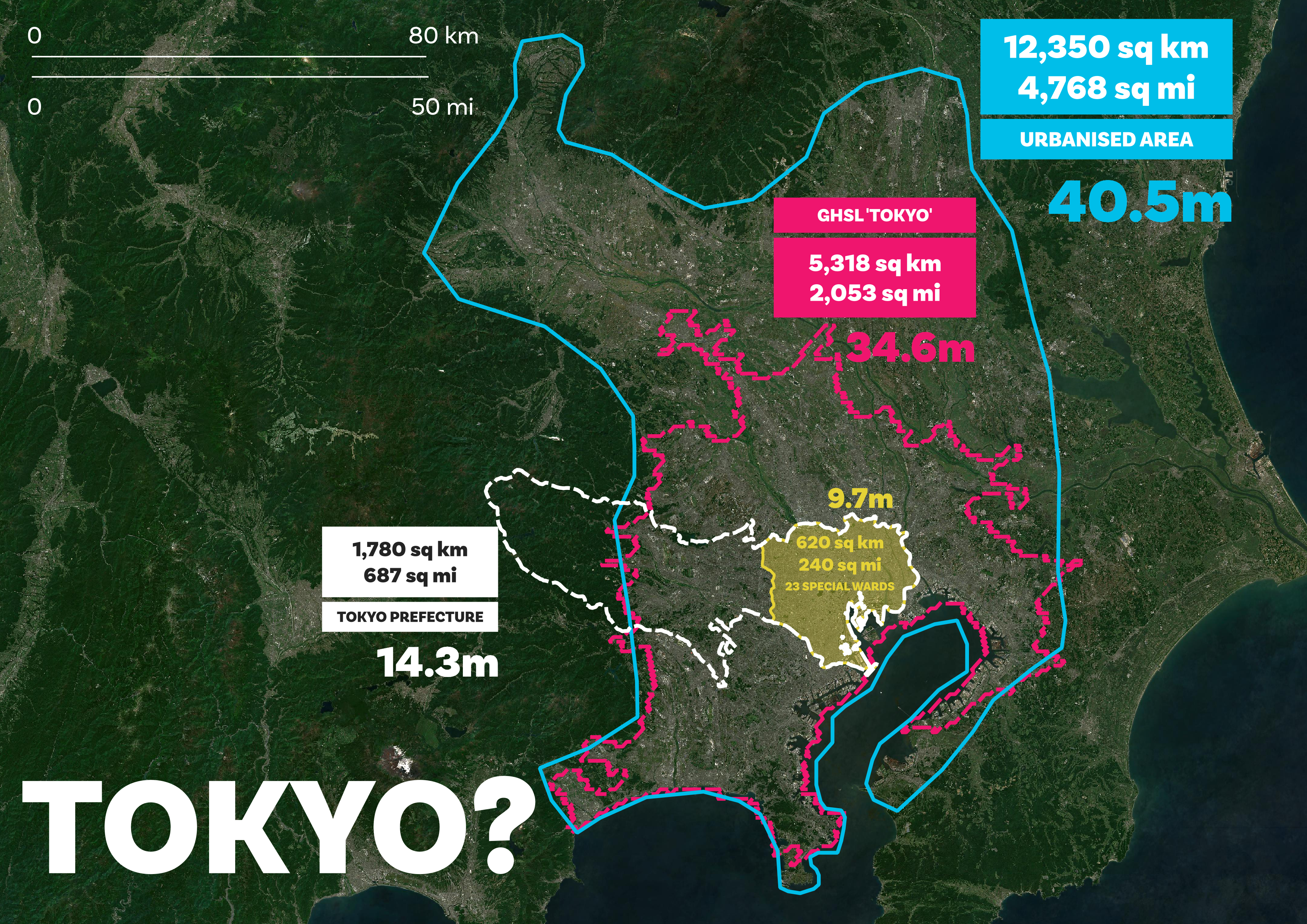
It’s vital to distinguish between the administrative boundaries of a city and its broader metropolitan area. The administrative city of Tokyo, often referred to as the “23 Special Wards,” covers approximately 622 square kilometers. This core urban area is densely populated and represents the heart of the metropolitan experience. In contrast, the city of New York itself, comprising its five boroughs—Manhattan, Brooklyn, Queens, the Bronx, and Staten Island—spans a land area of about 784 square kilometers.
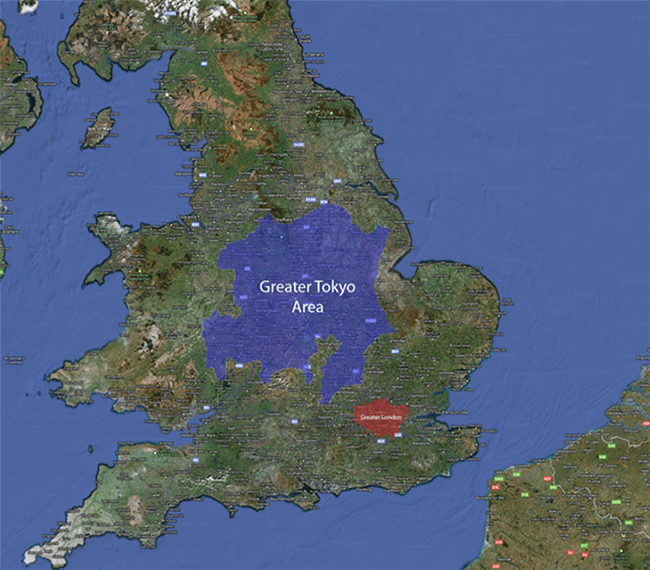
However, the true scale of these urban giants is best understood through their metropolitan areas. The Greater Tokyo Area, often encompassing prefectures like Kanagawa, Saitama, and Chiba, extends over a colossal 13,500 square kilometers. This vast region is home to over 37 million people, making it the most populous metropolitan area in the world. New York Metropolitan Area, while also immense, is considerably smaller in land mass, covering around 34,500 square kilometers and hosting approximately 20 million residents.
This disparity in metropolitan land area suggests different urban development philosophies. Tokyo’s sprawl is characterized by a more continuous, albeit densely packed, urban fabric that extends far into surrounding regions, driven by an extensive and efficient public transportation network. New York, while experiencing its own significant suburban growth, exhibits a more pronounced distinction between its core urbanity and its exurban peripheries, with large tracts of undeveloped or less densely populated land existing within its broader metropolitan influence. For a traveler, this means that while exploring the core of New York offers a concentrated experience, venturing into the Greater Tokyo Area can involve navigating a much larger geographical expanse to encounter distinct urban centers and communities.
Population Density and Urban Experience
Beyond sheer land area, population density provides a critical lens through which to compare the “bigness” of Tokyo and New York, directly impacting the visitor’s experience.
The Concentrated Energy of Tokyo
The 23 Special Wards of Tokyo boast an astonishing population density, averaging around 15,000 people per square kilometer. This density translates into an intensely vibrant and dynamic urban environment. Streets teem with life, public transport is perpetually busy, and every corner seems to hold a new discovery. This concentrated energy is a hallmark of the Tokyo experience, creating a sense of constant activity and a feeling that the city is always “on.” Navigating this density means embracing efficient public transport, understanding local etiquette, and being prepared for crowds, particularly in popular areas like Shibuya Crossing.
New York’s Diverse Density Patterns
New York City, as a whole, has a density of roughly 10,700 people per square kilometer. However, this figure masks significant variations across its boroughs. Manhattan, in particular, is one of the most densely populated urban islands in the world, with certain neighborhoods exceeding Tokyo’s average. Here, the density contributes to the city’s iconic verticality and its famed walkability.

In contrast, boroughs like Queens and Staten Island exhibit much lower population densities, offering a more suburban feel within the city limits. This variation means that the “feel” of New York can change dramatically as you move between its constituent parts. While the core of New York offers a palpable buzz of human activity, the overall metropolitan area’s lower density compared to Tokyo suggests a less uniformly packed urban fabric. For a traveler, this can mean more varied experiences, from the frenetic pace of Times Square to the leafy avenues of outer boroughs.
Scale of Infrastructure and Transportation
The size of a city is also reflected in the scale and complexity of its infrastructure, particularly its transportation networks, which are paramount for any visitor.
Tokyo’s Unparalleled Public Transit
Tokyo is renowned for its incredibly extensive and efficient public transportation system. The city is served by a dense network of subway lines operated by multiple companies, most notably the Tokyo Metro and the Toei Subway, alongside a vast JR East rail network that crisscrosses the metropolitan area. This system comprises hundreds of lines and thousands of stations, facilitating seamless travel across the vast urban expanse. The sheer number of daily commuters, exceeding 10 million, highlights the scale of this operation. For a tourist, this dense network means that almost any point of interest is accessible by public transit, albeit sometimes requiring transfers and a degree of navigation. The efficiency and punctuality are legendary, making it the lifeblood of the city’s immense population.
New York’s Iconic, Yet Different, Transit
New York City’s subway system is one of the oldest and most extensive in the world, operating 24 hours a day. It features over 470 stations and serves millions of passengers daily. While iconic and essential for navigating the city, it is generally considered less integrated and sometimes less punctual than Tokyo’s system. The New York City subway primarily serves the five boroughs, with fewer direct connections to the wider metropolitan area compared to Tokyo’s JR network. Beyond the subway, New York relies on a robust bus system, commuter rail lines like the Long Island Rail Road and Metro-North, and ferries. The city’s grid system, particularly in Manhattan, makes walking a highly viable and popular mode of transport for shorter distances.
The infrastructure scale comparison reveals that while both cities offer extensive transit options, Tokyo excels in creating a more unified and comprehensive system that supports its larger and more spread-out metropolitan population. For travelers, this means that while both cities are navigable, the experience of navigating them differs, with Tokyo often feeling more seamlessly connected through its rail and subway networks, and New York offering a more varied approach that emphasizes its distinct urban neighborhoods and boroughs.
Economic and Cultural Footprint
The “bigness” of a city also extends beyond its physical dimensions and population to its economic influence and cultural output, areas where both Tokyo and New York are global powerhouses.
Tokyo’s Economic Might and Cultural Diversity
As the capital of Japan, Tokyo boasts one of the largest economies in the world. It is a global hub for finance, technology, fashion, and creative industries. The sheer number of corporate headquarters, research institutions, and startups located within its sprawling metropolitan area contributes to its immense economic footprint. Culturally, Tokyo is a fascinating blend of ancient traditions and cutting-edge modernity. From historic temples like the Senso-ji Temple to the futuristic architecture of Odaiba, the city offers a rich tapestry of experiences. Its culinary scene is unparalleled, with more Michelin-starred restaurants than any other city, reflecting a deep appreciation for gastronomic artistry. The city’s influence extends globally through its art, anime, manga, and technological innovations, making its cultural impact immeasurable.
New York’s Global Influence and Cultural Melting Pot
New York, often dubbed the “global capital,” exerts immense influence in finance, media, art, fashion, and diplomacy. Its stock exchanges, such as the New York Stock Exchange, are central to global financial markets. The city is a magnet for talent and creativity, fostering an environment where innovation thrives. Culturally, New York is a vibrant melting pot, drawing people and traditions from every corner of the globe. This diversity is reflected in its unparalleled array of museums, theaters, music venues, and culinary offerings. Landmarks like the Statue of Liberty, Central Park, and the Empire State Building are iconic symbols recognized worldwide. The city’s energetic spirit and its role as a global stage for trends and ideas solidify its immense cultural and economic footprint.
In comparing their economic and cultural reach, both cities are undeniably colossal. Tokyo’s “bigness” in this context might be seen as a more concentrated national powerhouse with global technological and pop-cultural dominance, while New York operates as a more overtly international nexus, a city where global trends are often set and disseminated across diverse cultural landscapes. For a traveler, both offer endless opportunities for exploration, discovery, and immersion in unique global experiences.
LifeOutOfTheBox is a participant in the Amazon Services LLC Associates Program, an affiliate advertising program designed to provide a means for sites to earn advertising fees by advertising and linking to Amazon.com. Amazon, the Amazon logo, AmazonSupply, and the AmazonSupply logo are trademarks of Amazon.com, Inc. or its affiliates. As an Amazon Associate we earn affiliate commissions from qualifying purchases.