
Navigating the distance between two iconic East Coast metropolises, Baltimore and New York City, is a question that frequently arises for travelers, commuters, and those simply looking to explore the vibrant corridor connecting these two influential hubs. The answer, however, is not a single, simple mileage figure but rather a spectrum of options, each offering a distinct experience and catering to different travel preferences and budgets. Understanding the nuances of distance, transit times, and the unique appeal of each method of travel is crucial for planning an efficient and enjoyable journey. This exploration delves into the various ways to traverse the approximately 185 miles separating these two cities, highlighting the pros and cons of each to empower informed travel decisions.
Understanding the Direct Distance
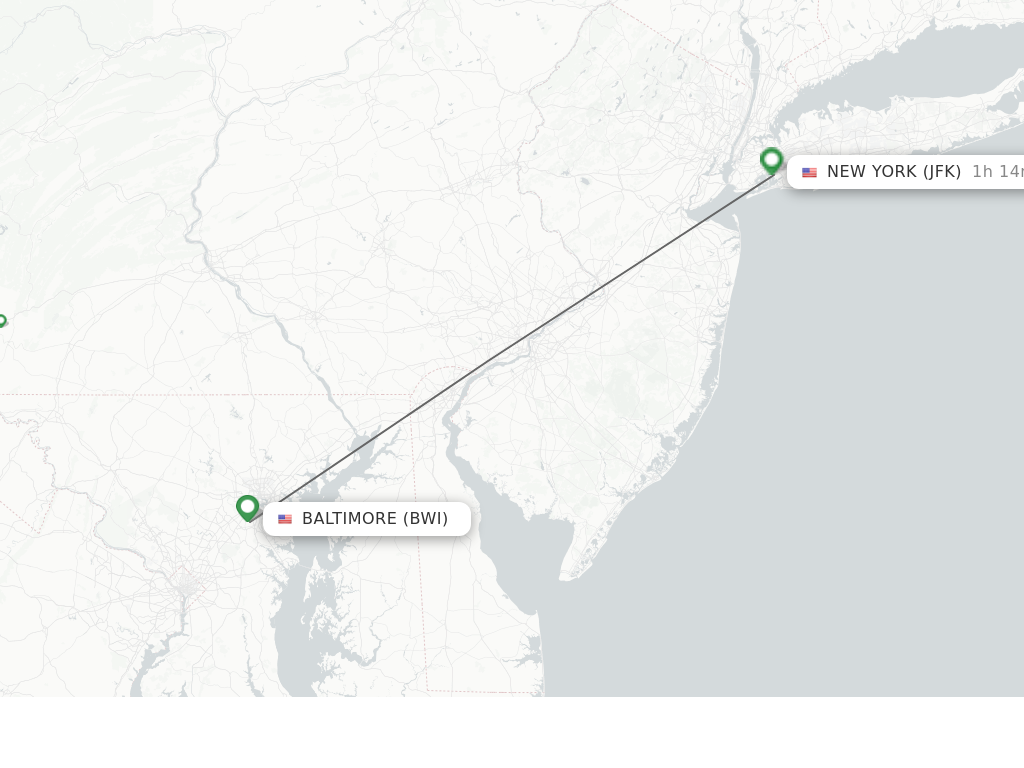
The most fundamental answer to “How far is [Baltimore] to [New York City]?” lies in the direct geographical measurement. As the crow flies, the distance is roughly 165 miles. However, for practical travel, we consider the road distance, which typically hovers around 185 to 190 miles, depending on the specific routes taken and the chosen entry and exit points within each city. This 185-mile stretch represents a manageable journey, placing both cities within a comfortable day-trip distance for some, and a routine commute for others. The terrain encountered is largely urban and suburban, with the most significant geographical feature being the expansive Delaware River and its surrounding waterways, necessitating bridge or tunnel crossings. The infrastructure between Baltimore and New York City is well-developed, primarily consisting of major interstate highways and a robust rail network, ensuring a multitude of travel possibilities.
The Road Less Traveled: Driving Considerations
Driving remains a popular choice for many, offering unparalleled flexibility and the ability to control one’s schedule and stops. The most common driving route typically involves navigating I-95 North for the majority of the journey. This highway is a major artery on the East Coast, connecting numerous significant cities.
Route and Travel Time
The typical drive from Baltimore to New York City can take anywhere from 3 to 4 hours under ideal conditions. However, this timeframe is highly susceptible to traffic, especially during peak commuting hours, holidays, and weekends. The stretch through areas like Philadelphia can be particularly prone to delays. Planning to depart early in the morning or later in the evening can often circumvent the worst of the congestion. Factors such as construction, accidents, and weather conditions can also significantly impact travel times, sometimes adding an hour or more to the journey.
Costs and Convenience
The primary costs associated with driving include fuel, tolls, and parking. I-95 and associated routes are subject to numerous toll plazas, which can add up considerably over the course of the trip. Parking in New York City, particularly in Manhattan, is notoriously expensive and can be a significant deterrent. While driving offers the convenience of door-to-door service and the freedom to transport more luggage or make spontaneous stops, the challenges of traffic and parking must be weighed against these benefits. For families or groups, the cost per person might be lower than other options, making it an attractive choice.
The Efficiency of Rail Travel
For those seeking a more relaxed and often more predictable journey, the train stands out as a premier option. The Amtrak network provides regular and reliable service between Baltimore Penn Station and New York Penn Station, placing travelers directly in the heart of both cities.
Amtrak: A Seamless Connection
Amtrak’s Northeast Corridor line is one of the busiest and most efficient passenger rail routes in the United States. The direct journey from Baltimore to New York City typically takes approximately 2.5 to 3 hours, depending on the specific train and any intermediate stops. This is often faster than driving when accounting for potential traffic delays.
Booking and Comfort
Tickets can be booked online through the Amtrak website or app, with prices varying based on the time of booking and the class of service. Booking in advance is often recommended to secure the best fares. Amtrak offers various seating options, from standard coach to business class and even private rooms on longer routes. The journey itself provides a comfortable environment with amenities such as Wi-Fi, power outlets, and dining car services on some trains. Passengers can relax, work, or simply enjoy the changing scenery without the stress of driving. The arrival at Penn Station in New York City provides immediate access to the city’s extensive subway system, making onward travel incredibly convenient.
The “Acela” Advantage

For an even faster experience, Amtrak’s Acela Express service offers a premium option. The Acela can reduce travel time to as little as 2 hours, making it the quickest way to travel between the two cities by public transport. While more expensive than standard Amtrak services, the time savings and enhanced comfort can be well worth the investment for business travelers or those on a tight schedule. The limited stops and higher speeds of the Acela make it a truly efficient way to cover the distance.
Bus Travel: A Budget-Friendly Alternative
For the budget-conscious traveler, bus services offer a significantly more economical way to journey from Baltimore to New York City. Several companies operate routes along this corridor, providing a viable alternative to driving or taking the train.
Key Bus Operators and Routes
Companies like Greyhound, Megabus, and Peter Pan Bus Lines are prominent providers of bus services between these two cities. Buses typically depart from central terminals in Baltimore and arrive at various locations in New York City, often including the Port Authority Bus Terminal in Manhattan.
Travel Time and Amenities
The travel time by bus is generally longer than by train or car, often ranging from 3.5 to 5 hours, again subject to traffic conditions and the number of stops. While amenities can vary by company, many modern buses offer Wi-Fi, power outlets, and reclining seats, making the journey more comfortable than in years past. Some providers even offer onboard restrooms.
Cost Savings and Considerations
The primary advantage of bus travel is its affordability. Fares can often be significantly lower than train tickets or the combined costs of gas, tolls, and parking for a car, especially if booked in advance. This makes it an excellent option for students, backpackers, or anyone prioritizing cost savings. However, travelers should be prepared for potentially less legroom and a longer journey. The departure and arrival points, while often central, may require additional local transportation to reach a final destination.
The Uncommon but Possible: Flying
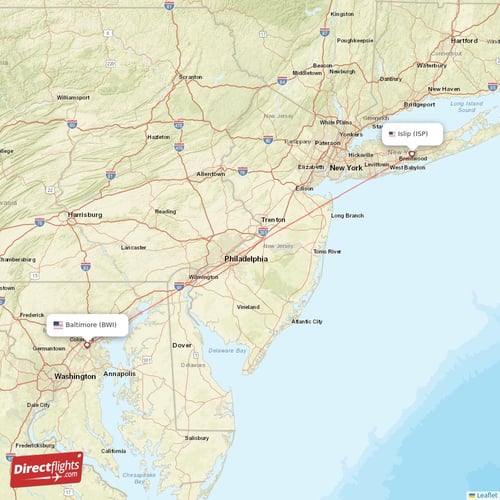
While not the most practical or cost-effective method for this relatively short distance, flying is technically an option. The distance between Baltimore/Washington International Thurgood Marshall Airport (BWI) and the various airports serving New York City (such as LaGuardia Airport (LGA), John F. Kennedy International Airport (JFK), and Newark Liberty International Airport (EWR)) is minimal in terms of air travel.
Flight Details and Logistics
Direct flights between BWI and New York City airports are available, with flight times typically around 1 hour. However, when factoring in travel to and from airports, security checks, boarding, and potential delays, the total travel time often exceeds that of driving or taking the train.
Cost and Practicality
The cost of flying can be highly variable. While occasional deals can make flights competitive, they are often more expensive than bus or train tickets, especially when considering baggage fees and the cost of getting to and from the airports. For this specific route, flying is generally considered less efficient due to the extensive time required for the entire airport process compared to the relatively short flight duration. It is an option best suited for those who may have specific flight deals or who are connecting from or to other flights at one of the airports.
Final Destination: Reaching [New York City]
Regardless of the chosen mode of transport, the ultimate goal is to arrive in New York City and experience its unparalleled offerings. Understanding the distances and travel times involved is the first step in maximizing one’s exploration of this dynamic region. Whether one opts for the flexibility of a car, the comfort of a train, the economy of a bus, or the speed of a plane, the journey from Baltimore to New York City is a well-trodden path, rich with possibilities and connecting two of the most significant cultural and economic centers in the United States. Each option presents its own set of advantages, allowing travelers to tailor their transit to their specific needs, budget, and desired travel experience.
LifeOutOfTheBox is a participant in the Amazon Services LLC Associates Program, an affiliate advertising program designed to provide a means for sites to earn advertising fees by advertising and linking to Amazon.com. Amazon, the Amazon logo, AmazonSupply, and the AmazonSupply logo are trademarks of Amazon.com, Inc. or its affiliates. As an Amazon Associate we earn affiliate commissions from qualifying purchases.