
Embarking on a journey from the bustling metropolis of New York to the historic grandeur of London is a transatlantic adventure that captures the imagination of countless travelers. This iconic route, traversing the vast expanse of the Atlantic Ocean, represents not just a physical distance, but a bridge between two vastly different yet culturally intertwined worlds. Understanding this distance is fundamental for any prospective traveler, influencing everything from flight times and costs to the planning of their itinerary. This exploration delves into the specifics of this celebrated distance, offering insights for those dreaming of experiencing the bright lights of Times Square and the timeless charm of the Tower of London firsthand.

The Geographical Divide: Miles and Kilometers
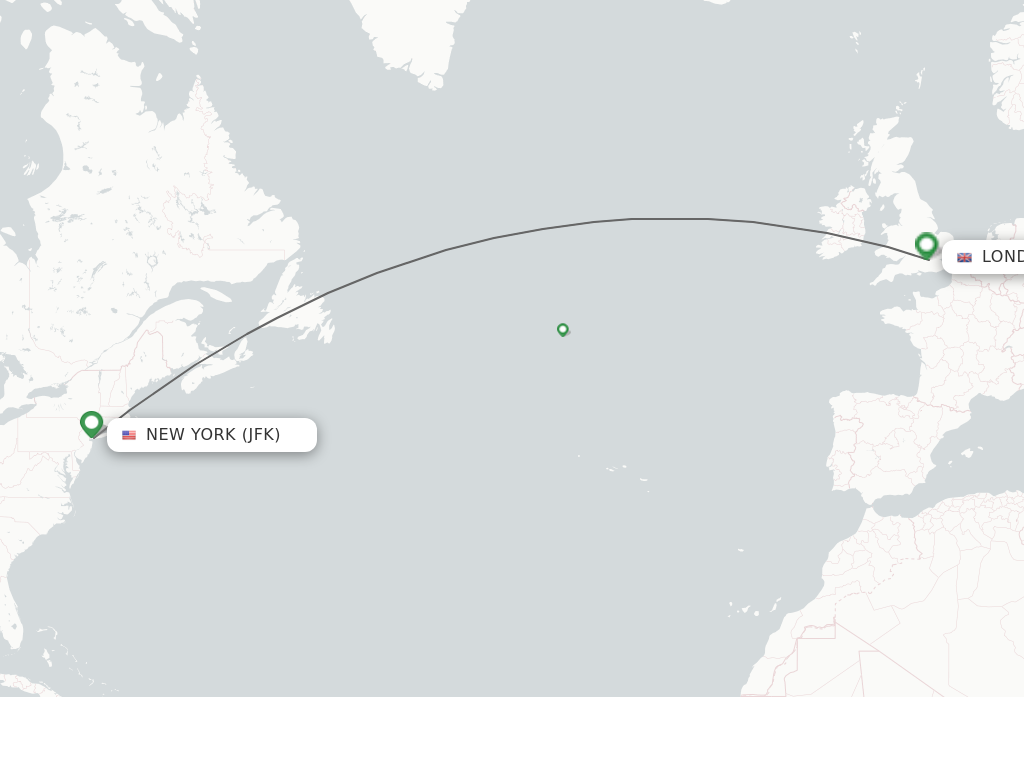
The primary measure of distance between New York City and London is typically expressed in statute miles or kilometers. Geographically, these two global cities are separated by approximately 3,459 miles (5,567 kilometers). This figure is a great-circle distance, meaning it represents the shortest distance between two points on the surface of a sphere, as measured along the surface of the Earth. This calculation is crucial for aviation, as flight paths are designed to follow these most direct routes, factoring in wind patterns and air traffic control corridors.
Understanding the Great-Circle Route
The great-circle distance is not always the actual flight path taken by commercial aircraft. While it forms the theoretical shortest distance, real-world factors such as prevailing winds, weather systems, political airspace restrictions, and the need to optimize fuel efficiency can lead to slight deviations. Nevertheless, the great-circle distance provides a standard and widely accepted benchmark for understanding the scale of the journey.
Implications for Travel Planning
Knowing this distance is more than just a geographical fact; it directly impacts travel planning. It informs the duration of the flight, which is typically around 7 to 8 hours, and influences the type of aircraft used for the route. Longer flights necessitate considerations for in-flight comfort, entertainment, and potential jet lag. The sheer expanse also underscores the necessity for comprehensive travel insurance and robust booking strategies, especially when seeking favorable fares or specific flight times.
Navigating the Atlantic: Flight Durations and Time Zones
The distance between New York and London translates into a significant flight duration, a key factor for any traveler. While the actual flight time can vary based on numerous conditions, an average westbound flight from London to New York typically takes around 7.5 to 8 hours. Conversely, an eastbound flight from New York to London is often slightly shorter, around 6.5 to 7 hours. This difference is primarily due to the influence of the jet stream, a high-altitude air current that flows from west to east across the Northern Hemisphere.
The Jet Stream’s Influence
Flights traveling eastward benefit from the tailwinds of the jet stream, effectively shortening the flight time. Conversely, westbound flights must contend with headwinds from the jet stream, which lengthen the journey. Pilots and airlines carefully monitor these atmospheric conditions to optimize flight paths and schedules.
Bridging the Time Zones
Beyond the physical distance and flight duration, travelers must also contend with a significant time zone difference. London observes Greenwich Mean Time (GMT) or British Summer Time (BST) during the warmer months, while New York operates on Eastern Standard Time (EST) or Eastern Daylight Time (EDT). The difference is typically five hours, with London being five hours ahead of New York. This means that departing New York in the morning can result in arriving in London on the same calendar day, albeit in the evening. Understanding this time difference is critical for scheduling arrivals, making onward connections, and managing the effects of jet lag.
Planning Your Transatlantic Passage: Practical Considerations

The journey from New York to London is one of the most popular international travel routes in the world, connecting two global financial and cultural hubs. The sheer volume of travelers means a wide array of options are available, catering to diverse budgets and preferences.
Airline Choices and Flight Classes
Numerous airlines operate direct flights between New York and London, including major carriers like British Airways, Virgin Atlantic, American Airlines, and United Airlines. Passengers can choose from various cabin classes, ranging from economy, premium economy, business class, and first class. Each class offers different levels of comfort, amenities, and service, with prices reflecting these variations. For instance, a business class ticket on airlines like Delta Air Lines or JetBlue Airways will provide lie-flat seats, enhanced dining, and priority services, a significant upgrade for the nearly 7-hour journey.
Airport Logistics
Both cities boast multiple major international airports, each with its own advantages and logistical considerations. In New York, the primary international gateways are John F. Kennedy International Airport (JFK) and Newark Liberty International Airport (EWR), with LaGuardia Airport (LGA) handling mostly domestic flights. In London, Heathrow Airport (LHR) is the largest and busiest, followed by Gatwick Airport (LGW), Stansted Airport (STN), and London City Airport (LCY). Understanding which airport your flight uses is crucial for planning ground transportation to and from the airport, factoring in potential traffic delays, especially when traveling from Manhattan to JFK or into central London from Heathrow via the Heathrow Express.
Visa and Travel Document Requirements
As the United States and the United Kingdom are distinct countries with their own immigration policies, travelers must ensure they meet all visa and entry requirements. U.S. citizens typically do not require a visa for short tourist or business stays in the United Kingdom, but they must have a valid passport. Similarly, UK citizens visiting the United States for tourism or business purposes generally enter under the Visa Waiver Program, provided they have an e-passport and obtain an approved Electronic System for Travel Authorization (ESTA) prior to departure. Always verify the latest immigration regulations with official government sources before traveling, as policies can change.
Experiencing the Journey: Beyond the Distance
While the 3,459 miles between New York and London define the physical separation, the true essence of this journey lies in the experiences it offers. This route is not merely about covering distance; it’s about transitioning between two dynamic urban landscapes, each with its unique character, history, and allure.
The Appeal of New York
New York City, often called “the city that never sleeps,” is a global epicenter of culture, fashion, finance, and art. From the towering skyscrapers of Manhattan to the vibrant streets of Brooklyn, it offers an unparalleled urban adventure. Visitors can explore iconic landmarks like the Statue of Liberty, wander through Central Park, catch a Broadway show, or indulge in world-class cuisine. The sheer energy and diversity of New York make it a destination that endlessly fascinates.
The Enchantment of London
Across the Atlantic, London presents a different, yet equally captivating, tapestry of experiences. As a city steeped in history, it boasts royal palaces like Buckingham Palace, ancient fortresses like the Tower of London, and world-renowned museums such as the British Museum and the National Gallery. Beyond its historical significance, London is a modern global city, celebrated for its theater scene in the West End, its diverse culinary landscape, and its distinct neighborhoods, each with its own unique charm. From the trendy boutiques of Notting Hill to the financial district of the City of London, there’s an endless array of discoveries to be made.
Bridging Cultures
The transatlantic flight is more than just a mode of transport; it’s a cultural bridge. The journey itself allows for contemplation of the historical ties and modern connections between these two pivotal nations. Whether one is flying from the energetic hum of New York to the historic elegance of London, or vice versa, the distance is merely the prologue to an unforgettable experience. The 3,459 miles are traversed not just by plane, but by imagination, anticipation, and the promise of new adventures waiting on either side of the ocean.
LifeOutOfTheBox is a participant in the Amazon Services LLC Associates Program, an affiliate advertising program designed to provide a means for sites to earn advertising fees by advertising and linking to Amazon.com. Amazon, the Amazon logo, AmazonSupply, and the AmazonSupply logo are trademarks of Amazon.com, Inc. or its affiliates. As an Amazon Associate we earn affiliate commissions from qualifying purchases.