
Navigating the distances between major metropolitan hubs is a fundamental aspect of travel planning, particularly for those traversing the densely populated Northeast corridor of the United States. The proximity of New York City to Baltimore, Maryland makes it a frequently considered pairing for both leisure and business trips. Understanding the exact mileage, travel times, and the most efficient modes of transportation is crucial for crafting a seamless itinerary. This exploration delves into the geographical separation between these two iconic cities, offering insights into the various ways travelers can bridge the gap, from swift train journeys to scenic drives.
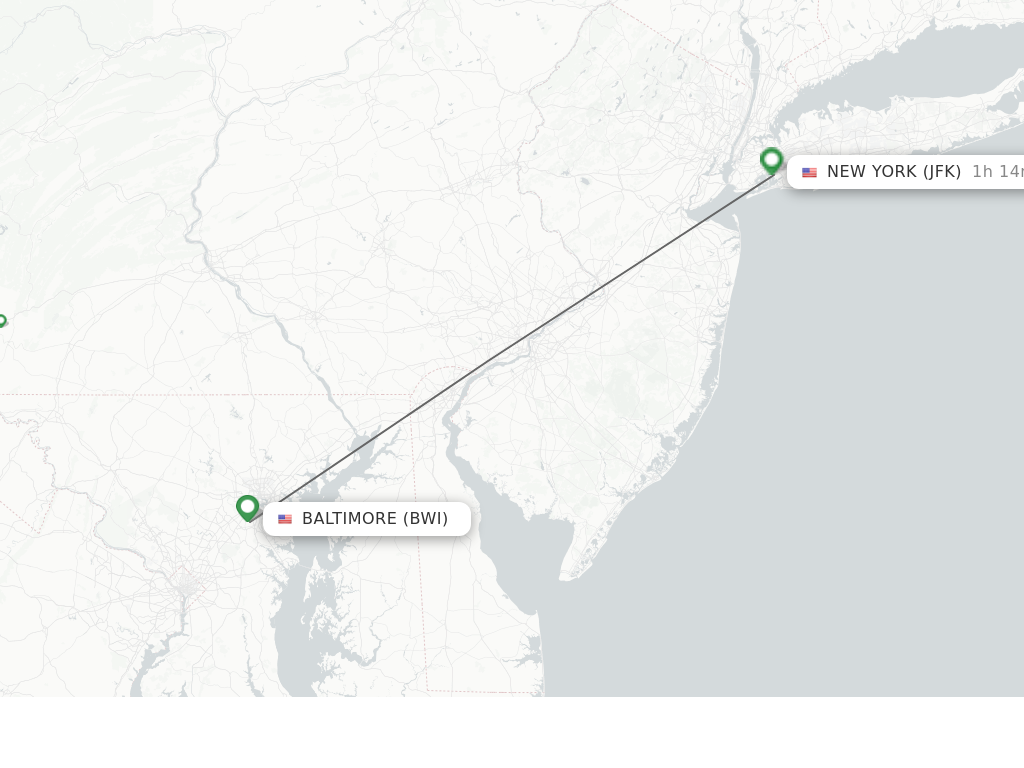
The distance between New York City and Baltimore, Maryland is not a static figure but rather depends on the specific starting and ending points within each vast urban area and the chosen method of travel. Generally, the cities are situated approximately 185 to 200 miles apart, as the crow flies. However, road distances are invariably longer due to the intricate network of highways and urban sprawl that characterizes the region. This modest distance positions them as natural companions on any ambitious East Coast tour, allowing for easy transitions between the bustling energy of Manhattan and the historic charm of the Inner Harbor.
Understanding the Distance and Travel Times
When considering the journey from New York City to Baltimore, Maryland, the concept of distance extends beyond mere mileage to encompass the temporal aspect of travel. This is influenced by factors such as traffic conditions, the speed of the chosen transport, and the specific routes taken.
Driving Distances and Routes
The most common driving route between New York City and Baltimore, Maryland typically follows Interstate 95 South for the majority of the journey. This interstate highway is a major artery connecting much of the East Coast, and while it offers a direct path, it is also subject to significant congestion, especially during peak travel hours. The approximate driving distance via this route is around 185 miles.
However, the actual time it takes to cover this distance can vary dramatically. Under ideal traffic conditions, with minimal stops, the drive can be completed in approximately 3 to 3.5 hours. This is often achievable during off-peak times, such as early mornings on weekends or late at night. Conversely, during weekday rush hours, holidays, or periods of inclement weather, the journey can easily extend to 4, 5, or even more hours. Drivers should always consult real-time traffic applications to anticipate delays and adjust their departure times accordingly.
Alternative routes exist, though they are often less direct and may involve navigating more local roads. For instance, travelers might opt for routes that incorporate portions of the New Jersey Turnpike, the Delaware Memorial Bridge, and various Maryland state routes. While these might offer a slightly different perspective or avoid specific traffic bottlenecks, they generally do not significantly reduce the overall travel time and can sometimes increase the mileage.
Rail Travel: Amtrak’s Corridor Service
For many travelers seeking a more predictable and less stressful journey, Amtrak offers a compelling alternative to driving. The Northeast Corridor line directly connects New York Penn Station with Baltimore’s Penn Station. This service is renowned for its speed, comfort, and efficiency, making it a popular choice for business travelers and tourists alike.
The train journey from New York to Baltimore typically takes between 2 hours and 20 minutes to 3 hours, depending on the specific train and the number of intermediate stops. This timeframe is remarkably consistent, as train schedules are not subject to the unpredictable nature of road traffic. Passengers can relax, work, or enjoy the passing scenery without the stress of navigation or the risk of unexpected delays.
Amtrak offers various service levels, from the faster Acela Express to the more frequent Northeast Regional trains. The Acela Express, with fewer stops, provides the quickest journey, while the Northeast Regional offers more frequent departures and generally lower fares. Both options deliver comfortable seating, onboard amenities such as Wi-Fi and dining cars, and convenient station locations within the heart of each city, facilitating easy onward travel.
Air Travel Considerations
While not the most practical or direct method for this specific route, air travel between New York City and Baltimore, Maryland is technically an option. Both cities have major airports: New York is served by John F. Kennedy International Airport (JFK), LaGuardia Airport (LGA), and Newark Liberty International Airport (EWR), while Baltimore is served by Baltimore/Washington International Thurgood Marshall Airport (BWI).
Direct flights between these airports are infrequent, and even when available, the total travel time often exceeds that of driving or taking the train. This is due to the time required for getting to the airport, check-in procedures, security screening, boarding, the flight itself (which is very short), and then deplaning and collecting luggage. The flight time itself might only be around 45 minutes to an hour. However, when factoring in the “door-to-door” travel time, including airport transfers and waiting periods, flying becomes a less efficient choice for this particular journey.
Planning Your Trip: Considerations for Travelers
The decision on how to travel between New York City and Baltimore, Maryland hinges on a variety of personal preferences and travel objectives. Each mode of transport offers a distinct experience and caters to different needs.

Choosing the Right Mode of Transport
For the budget-conscious traveler or those who appreciate the flexibility of setting their own schedule and making spontaneous stops, driving is often the preferred option. Renting a car provides the freedom to explore not only the direct route but also scenic byways or nearby attractions that might be off the beaten path. However, this choice necessitates factoring in the costs of fuel, tolls, and potential parking fees in both cities, which can be substantial, particularly in New York City.
The train, specifically Amtrak, is an excellent choice for those prioritizing efficiency, comfort, and a stress-free journey. It allows passengers to arrive at their destination feeling refreshed and ready to explore. The environmental benefits of rail travel, compared to individual car journeys, also make it an attractive option for eco-conscious travelers. The convenience of arriving directly in the city center at Baltimore Penn Station or New York Penn Station is a significant advantage, minimizing the need for further transportation upon arrival.
Buses are another economical option, with several companies operating routes between New York and Baltimore. While typically the slowest mode of transport, they offer competitive pricing and can be a viable choice for travelers on a tight budget who do not mind a longer journey. Bus terminals are usually located in convenient urban centers, though they may not always offer the same level of comfort or amenities as train travel.
Navigating Within Each City
Once you arrive in Baltimore, Maryland or New York City, the next step is to navigate within these expansive metropolises. Both cities boast robust public transportation systems. Baltimore has the Maryland Transit Administration (MTA), which includes bus lines and the Light RailLink. For accessing popular attractions like the Inner Harbor and Federal Hill Park, the Light Rail is particularly useful.
New York City is world-famous for its extensive subway system, operated by the Metropolitan Transportation Authority (MTA). This subway network provides unparalleled access to virtually every neighborhood and major attraction, from Times Square and Central Park to the Metropolitan Museum of Art. Buses also complement the subway service, offering coverage to areas not directly served by rail.
Taxis and ride-sharing services like Uber and Lyft are readily available in both cities, offering convenient point-to-point transportation. However, these can become costly, especially for frequent use or during periods of high demand. For travelers exploring specific neighborhoods, walking can also be a highly rewarding way to discover local culture and hidden gems.
Strategic Itinerary Planning
The relatively short distance between New York and Baltimore lends itself to a variety of itinerary possibilities. Travelers might choose to focus on one city for an extended stay and then take a day trip to the other. For example, a visitor based in New York City could easily spend a day exploring Baltimore’s historic sites, such as Fort McHenry National Monument and Historic Shrine and the vibrant Fells Point waterfront, returning to New York in the evening via train.
Conversely, someone visiting Baltimore might plan a few days in the “Charm City” before heading north to experience the world-renowned attractions of New York City. This approach allows for a deeper immersion into the distinct character of each location while maximizing travel efficiency. The ability to easily traverse between these two major hubs significantly enhances the appeal of a multi-city East Coast exploration.
Exploring the Destinations: What Lies Between and Beyond
While the direct journey between New York City and Baltimore, Maryland is the primary focus, the region between these cities is rich with potential stops and points of interest that can enrich any travel narrative. This corridor is not merely a stretch of highway or railway but a landscape dotted with historical towns, natural beauty, and cultural attractions.
Potential Stops Along the Way
For those driving, there are numerous opportunities for brief detours. Philadelphia, Pennsylvania, for instance, is roughly halfway between New York and Baltimore. A stop in the “City of Brotherly Love” can offer a wealth of historical experiences, from visiting Independence Hall and the Liberty Bell to exploring the vibrant Reading Terminal Market for local delicacies. The distance from New York to Philadelphia is approximately 95 miles, and from Philadelphia to Baltimore is about 100 miles, making it a logical and rewarding inclusion for a road trip.
Smaller towns and historical sites also pepper the route. Travelers might consider a visit to Princeton, New Jersey, home to the prestigious Princeton University and a charming downtown area. Further south, the historic town of Wilmington, Delaware, offers a glimpse into early American history and a revitalized riverfront. These intermediate destinations can transform a simple transit between two cities into a multi-faceted exploration.

Gateway to Further Adventures
Upon arrival in either New York City or Baltimore, Maryland, these cities themselves serve as gateways to further adventures. New York is a global hub offering endless possibilities, from Broadway shows and world-class museums like the MoMA to iconic landmarks like the Statue of Liberty. Its diverse neighborhoods each offer unique experiences, from the artistic enclaves of Greenwich Village to the financial might of Wall Street.
Baltimore, on the other hand, presents a rich tapestry of history, maritime heritage, and a burgeoning culinary scene. Visitors can explore the historic Fort McHenry, wander through the colorful streets of Fells Point, or immerse themselves in art at the Walters Art Museum. The city’s revitalized Inner Harbor offers attractions like the National Aquarium and the historic ships. Both cities, though distinct, offer a captivating experience that makes the journey between them a worthwhile endeavor. Understanding the distance and the various travel options is the first step in unlocking the diverse travel experiences available in this dynamic region of the United States.
LifeOutOfTheBox is a participant in the Amazon Services LLC Associates Program, an affiliate advertising program designed to provide a means for sites to earn advertising fees by advertising and linking to Amazon.com. Amazon, the Amazon logo, AmazonSupply, and the AmazonSupply logo are trademarks of Amazon.com, Inc. or its affiliates. As an Amazon Associate we earn affiliate commissions from qualifying purchases.