
Navigating the distances between major metropolises is a fundamental aspect of travel planning, especially when considering the bustling corridor of the Northeastern United States. For those looking to journey between the iconic skyline of New York and the historic charm of Baltimore, understanding the geographical separation is key to crafting an efficient and enjoyable itinerary. This distance is not merely a number; it influences travel time, mode of transportation, and the overall experience of connecting these two vibrant cities.
Understanding the Direct Distance and Driving Route
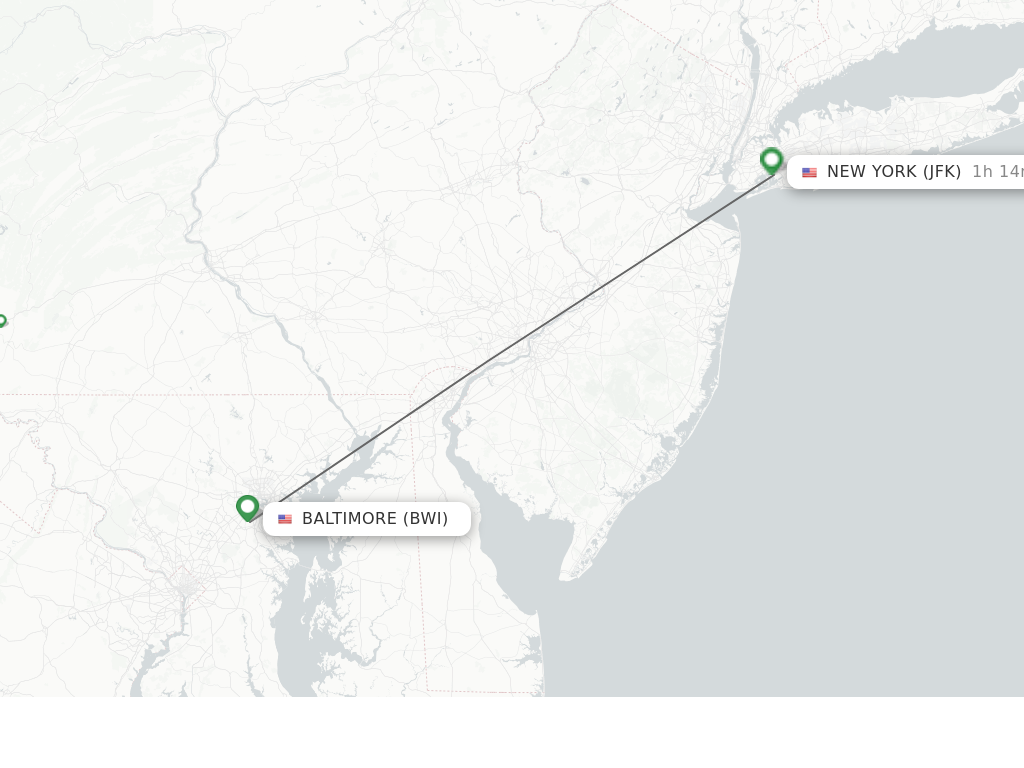
The most direct route between New York City and Baltimore spans approximately 185 to 190 miles (around 298 to 306 kilometers). This figure represents the straight-line distance, often referred to as the “as the crow flies” measurement. However, in practical travel terms, the actual distance covered when driving is typically longer due to the complexities of road networks, urban sprawl, and the need to navigate through populated areas.
The Interstate Highway Journey
The most common and efficient way to travel between New York and Baltimore by car is via the interstate highway system. The primary route involves heading south on I-95 South for the majority of the journey. This well-maintained and heavily trafficked highway connects a multitude of major cities along the East Coast, making it a familiar artery for many travelers.
The drive typically commences by navigating out of the New York metropolitan area, which itself can add considerable time depending on traffic conditions, especially during peak commuting hours. Once on I-95 South, drivers will pass through parts of New Jersey, Delaware, and finally into Maryland, where Baltimore is located.
Key Roadways and Potential Bottlenecks
While I-95 South is the main thoroughfare, the journey may involve brief transitions onto other significant roadways. For instance, depending on the specific starting point in New York and the desired entry point into Baltimore, one might utilize routes like the New Jersey Turnpike (which merges into I-95) or other state highways.
It is crucial for drivers to be aware of potential traffic bottlenecks. The Philadelphia metropolitan area, situated between New York and Baltimore, is notorious for its traffic congestion, especially around the Walt Whitman Bridge or the Benjamin Franklin Bridge if crossing the Delaware River. Similarly, approaching Baltimore itself can involve navigating busy urban interchanges. Planning the drive to avoid rush hours in these major cities can significantly reduce travel time.
Estimated Driving Time
The estimated driving time for the approximately 190 miles between New York and Baltimore can vary considerably. Under ideal conditions with minimal traffic, the journey can take as little as 3 to 3.5 hours. However, it is more realistic to budget for 4 to 5 hours, and often longer, especially if encountering unexpected delays, construction, or adverse weather conditions. Factors such as the specific time of day, day of the week, and any special events occurring in the region can heavily influence the actual travel duration. Many travelers opt to start their drive early in the morning or later in the evening to mitigate traffic concerns.
Rail Travel: A Convenient Alternative
For travelers seeking a more relaxed and often predictable mode of transportation, the train offers an excellent alternative to driving. The distance between New York and Baltimore is well-served by intercity rail services, providing a comfortable and efficient way to connect the two cities.
Amtrak Services
Amtrak is the primary operator of passenger rail service along this corridor. The main station in New York City for these services is Penn Station, a major transportation hub located in Midtown Manhattan. The destination station in Baltimore is Penn Station (also known as Baltimore’s principal train station, confusingly sharing the same name as its New York counterpart), situated in the vibrant Midtown-Edmondson Village neighborhood.
Amtrak offers several train services that run between these two cities, including the Northeast Regional and the Acela Express. The Northeast Regional trains are the most frequent and offer a more economical option, while the Acela Express is Amtrak’s high-speed service, providing a quicker journey for those willing to pay a premium.
Travel Times by Train
The travel time by train varies depending on the specific service. A Northeast Regional train typically takes approximately 3.5 to 4.5 hours to complete the journey from New York to Baltimore. These trains make several stops along the route, including in cities like Wilmington, Delaware, and sometimes other smaller stations, which contributes to the overall duration.
The Acela Express, being a high-speed train, significantly reduces the travel time. A journey on the Acela can take as little as 2 hours and 45 minutes to 3 hours. This makes it a highly competitive option for business travelers or those with tight schedules who prioritize speed and efficiency. Booking tickets in advance is highly recommended, especially for the Acela, as prices can increase closer to the travel date, and popular services can sell out.
Air Travel: The Fastest, But With Caveats
For those prioritizing the absolute fastest transit time, air travel is an option, though it often involves more logistical considerations and can sometimes be less straightforward for this particular route than driving or taking the train. The relatively short distance means that the time saved in the air can be offset by the time spent at airports.
Airports and Flight Durations
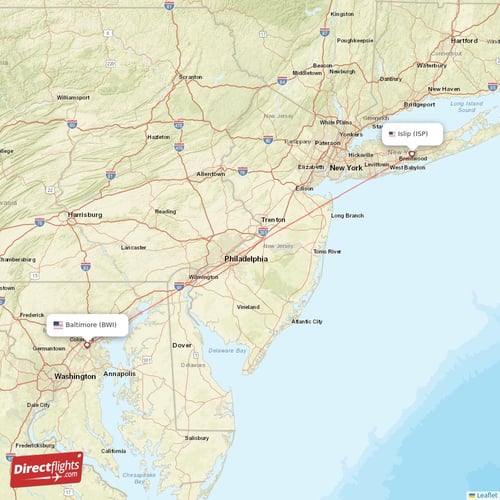
New York City is served by three major airports: John F. Kennedy International Airport (JFK), LaGuardia Airport (LGA), and Newark Liberty International Airport (EWR). Flights from these airports to Baltimore/Washington International Thurgood Marshall Airport (BWI) are generally available.
The actual flight time between New York and Baltimore is quite short, typically around 1 hour to 1 hour and 15 minutes. However, this is only a fraction of the total travel experience.
The Airport Experience
When considering air travel, it is essential to factor in the time required for travel to and from the airports, check-in procedures, security screening, boarding, and baggage claim. Traveling to and from airports in the New York metropolitan area can be time-consuming, especially given traffic and public transportation options. Similarly, reaching your final destination from BWI Airport into Baltimore requires additional transit time.
When all these elements are combined, the total door-to-door travel time for a flight between New York and Baltimore can often be comparable to, or even longer than, a direct train journey, particularly if one opts for the Acela Express. For this reason, flying is often chosen for convenience from specific airport locations or if a traveler is connecting from a longer flight into one of the New York area airports.
Factors Influencing Travel Time and Choice
The decision of how to travel between New York and Baltimore ultimately depends on a confluence of personal preferences, priorities, and practical considerations. The distance itself is a mere starting point for planning.
Cost Comparison
Cost is invariably a significant factor. Driving can be economical for groups, especially when considering fuel costs and the ability to avoid separate ticket purchases for each passenger. However, tolls on the routes, particularly on the New Jersey Turnpike and other bridges, can add up. Parking in both New York and Baltimore can also incur substantial fees, especially for extended stays.
Train tickets, while sometimes appearing more expensive upfront, can be a cost-effective option when booked in advance, especially during off-peak times. Amtrak also offers various fare classes and discounts that can make it competitive with driving, particularly for solo travelers. Airfare prices fluctuate widely and depend heavily on the airline, time of booking, and demand. When factoring in airport transportation and potential baggage fees, flights can become the most expensive option for this relatively short intercity route.
Comfort and Convenience
Comfort and convenience are subjective but vital aspects of travel. Driving offers the ultimate flexibility, allowing travelers to stop whenever and wherever they please, and to pack as much luggage as their vehicle can hold. It provides a sense of freedom and control over the journey. However, it also involves the stress of navigating traffic, finding parking, and being responsible for the vehicle.
Train travel, on the other hand, offers a more relaxed experience. Passengers can walk around, work on laptops, enjoy the scenery, or simply unwind. Amtrak stations are typically located in the heart of cities, making onward travel easier. The absence of traffic stress and the ability to avoid airport hassles are significant advantages. Air travel offers speed in the air, but the overall experience can be more stressful due to security, crowded terminals, and the potential for flight delays or cancellations.

Environmental Impact
For the environmentally conscious traveler, the choice of transportation has a noticeable impact. Generally, train travel is considered one of the most eco-friendly modes of long-distance transportation, with significantly lower carbon emissions per passenger mile compared to driving or flying. Driving, especially in a fuel-efficient vehicle or with multiple passengers, can be more environmentally friendly than flying, but less so than rail. Air travel has the highest carbon footprint among these options, making it the least sustainable choice for this particular route.
In conclusion, the distance between New York and Baltimore is approximately 185-190 miles as the crow flies. However, the practical travel experience is shaped by the chosen mode of transport, with driving taking roughly 3.5-5 hours, rail travel ranging from 2.75 to 4.5 hours depending on the service, and air travel offering the shortest in-air time but often longer overall door-to-door transit. Each option presents a unique balance of cost, comfort, convenience, and environmental impact, allowing travelers to select the best fit for their individual journey.
LifeOutOfTheBox is a participant in the Amazon Services LLC Associates Program, an affiliate advertising program designed to provide a means for sites to earn advertising fees by advertising and linking to Amazon.com. Amazon, the Amazon logo, AmazonSupply, and the AmazonSupply logo are trademarks of Amazon.com, Inc. or its affiliates. As an Amazon Associate we earn affiliate commissions from qualifying purchases.