
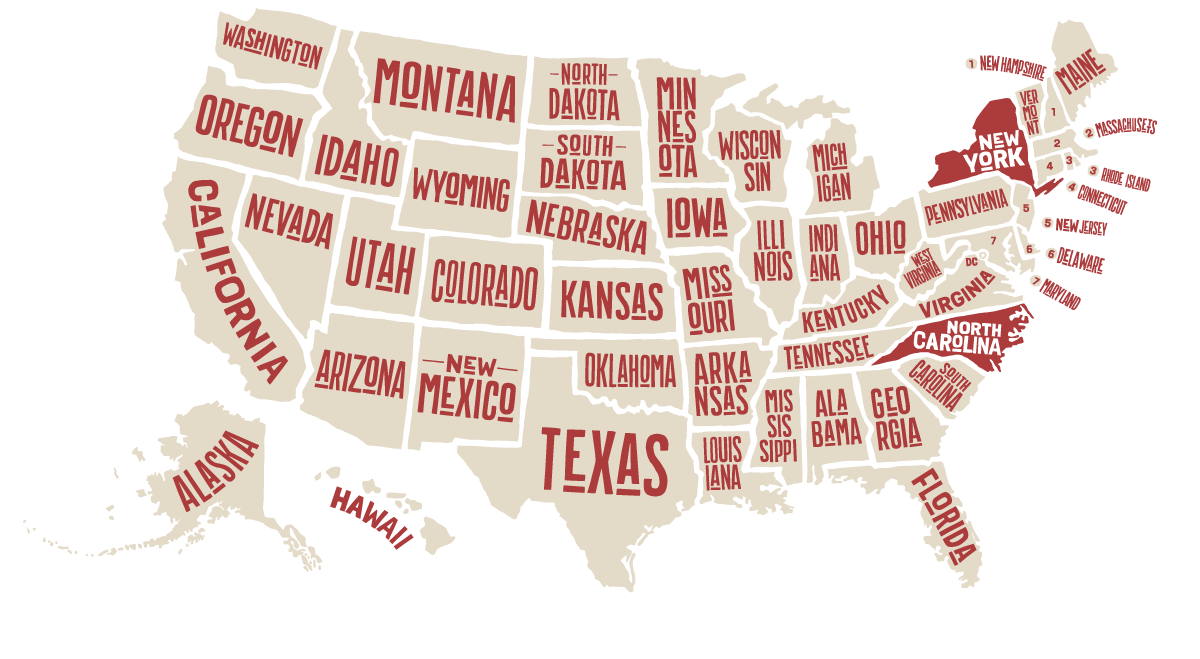
The distance between New York and North Carolina is a question that often arises for those planning a road trip, a move, or a simple vacation. This journey traverses a significant portion of the United States Eastern Seaboard, connecting bustling metropolises with the diverse landscapes and cultural attractions of the Tar Heel State. Understanding the varying distances, optimal travel routes, and the unique experiences awaiting at each destination is key to planning a successful and enjoyable trip.
Understanding the Driving Distance and Time
The primary factor when considering the distance between New York and North Carolina is the specific starting point in New York and the intended destination within North Carolina. Given North Carolina is a large state with varied geography, the mileage can fluctuate considerably.

Major Route Considerations
The most common and direct driving route from the New York metropolitan area to central North Carolina, such as to Raleigh or Charlotte, typically follows Interstate 95 South for a substantial portion of the journey. This major artery connects many of the East Coast’s largest cities.
-
New York City to Raleigh, North Carolina:
- Distance: Approximately 500-550 miles (800-885 kilometers).
- Driving Time: Without significant traffic or extended stops, this drive can take between 8 to 10 hours. However, factoring in potential traffic delays around New York, Philadelphia, Baltimore, and Washington D.C., as well as necessary breaks for gas and food, it’s more realistic to budget for 9-12 hours of travel.
- Key Interstates: Primarily I-95 South, transitioning to I-85 South as you approach central North Carolina.
-
New York City to Charlotte, North Carolina:
- Distance: Approximately 600-650 miles (965-1046 kilometers).
- Driving Time: This extended journey typically requires 9 to 11 hours of pure driving time. With stops and potential traffic, a full day of travel, 10-13 hours, is a more practical estimate.
- Key Interstates: Similar to the route to Raleigh, the primary path involves I-95 South, eventually merging onto I-85 South for the latter half of the trip.
-
New York City to Asheville, North Carolina (Western NC):
- Distance: Approximately 660-710 miles (1062-1143 kilometers).
- Driving Time: This route, heading towards the western mountains of North Carolina, can take 10 to 12 hours of driving. Considering the scenic nature and the potential for winding roads in the latter stages, it’s advisable to plan for at least 12-14 hours of travel, possibly splitting the drive over two days.
- Key Interstates: This route might involve I-81 South through Pennsylvania and Virginia, then connecting to I-77 South and eventually I-40 West into North Carolina.
Factors Affecting Travel Time
Several variables can significantly impact the total travel time:
- Traffic: Major metropolitan areas along the route, especially during peak hours or holidays, can add considerable delay.
- Time of Day/Week: Traveling during rush hour, on weekends, or during holiday weekends will generally result in longer transit times.
- Construction: Road construction projects are common along major interstates and can cause unexpected slowdowns or detours.
- Weather Conditions: Severe weather, such as snow in winter or heavy rain in other seasons, can drastically reduce speed limits and necessitate slower, more cautious driving.
- Number and Duration of Stops: Regular stops for fuel, meals, and rest are crucial for safe driving, but their frequency and length directly add to the overall trip duration.
Air Travel: A Quicker Alternative
For those seeking to minimize travel time, air travel offers a significantly faster option for journeying between New York and North Carolina. Numerous airports serve both regions, providing a range of flight options.
Major Airports and Flight Times
-
New York Area Airports:
- John F. Kennedy International Airport (JFK)
- LaGuardia Airport (LGA)
- Newark Liberty International Airport (EWR)
-
North Carolina Airports:
- Charlotte Douglas International Airport (CLT) – a major hub for American Airlines.
- Raleigh-Durham International Airport (RDU)
- Greensboro-High Point International Airport (GSO)
- Asheville Regional Airport (AVL)
- Wilmington International Airport (ILM)
Flight Duration and Logistics
- Direct Flights: A direct flight from the New York area to major North Carolina airports like CLT or RDU typically lasts between 1.5 to 2 hours.
- Connecting Flights: Flights with layovers will naturally extend the total travel time, often to 3-5 hours or more, depending on the length of the layover and the connection point.
- Total Travel Time: When accounting for travel to and from airports, check-in procedures, security, boarding, and baggage claim, a total air travel day can range from 4 to 8 hours.
Exploring North Carolina: Destinations Along the Route
The journey from New York to North Carolina passes through or near several notable cities and states, offering opportunities for interesting stops and enriching the overall travel experience.
Mid-Route Stops and Attractions
- Philadelphia, Pennsylvania: A city rich in American history, offering attractions like the Liberty Bell and Independence Hall. It’s easily accessible from I-95.
- Baltimore, Maryland: Known for its Inner Harbor, Fort McHenry National Monument and Historic Shrine, and vibrant arts scene.
- Washington D.C.: The nation’s capital offers an abundance of free museums, iconic monuments, and historical sites. A slight detour from I-95 can provide access to these world-renowned attractions.
- Richmond, Virginia: The capital of Virginia boasts a historical significance, a growing culinary scene, and the Virginia Museum of Fine Arts.
Entering North Carolina
As travelers cross the state line, they enter a region of diverse landscapes and vibrant communities.
-
The Piedmont Triad: This region, encompassing Greensboro, Winston-Salem, and High Point, offers a blend of industrial heritage, arts, and educational institutions.
- Old Salem Museums & Gardens in Winston-Salem provides a living history experience of the early Moravian settlers.
- Greensboro is known for its civil rights history and the International Civil Rights Center & Museum.
-
The Triangle Area: Raleigh, Durham, and Chapel Hill form a dynamic hub of education, research, and culture.
- Raleigh offers the North Carolina Museum of Natural Sciences and the Historic State Capitol.
- Durham is famous for Duke University and the American Tobacco Campus.
-
Western North Carolina: The journey towards the Great Smoky Mountains National Park and cities like Asheville presents a stark contrast with its mountainous terrain, charming small towns, and outdoor adventure opportunities.
- Asheville is renowned for the magnificent Biltmore Estate, its thriving arts community, and its access to hiking trails and scenic drives like the Blue Ridge Parkway.
Planning Your Travel Between New York and North Carolina
Whether you choose the scenic route by car or the swiftness of air travel, careful planning is essential for a smooth transition from New York to North Carolina.
Road Trip Essentials
For those embarking on a driving adventure, consider these planning tips:
- Vehicle Check: Ensure your vehicle is in good working order, with proper tire pressure, fluid levels, and brakes.
- Navigation: Utilize GPS devices or smartphone apps, but also have physical maps as a backup, especially for areas with spotty cell service.
- Accommodation: If planning an overnight stop, book hotels in advance, particularly during peak travel seasons. Consider towns like Richmond, Roanoke, or Greensboro as potential resting points.
- Snacks and Supplies: Pack a cooler with drinks and snacks to save time and money. Also, consider a first-aid kit and emergency supplies.
- Entertainment: Download playlists, podcasts, or audiobooks for the long hours on the road.

Air Travel Logistics
When flying, efficiency is key:
- Book in Advance: Flight prices can vary dramatically, so booking several weeks or months ahead can secure better fares.
- Airport Choice: Consider which New York and North Carolina airports are most convenient for your specific travel needs.
- Baggage Regulations: Familiarize yourself with airline policies on checked and carry-on luggage, including size and weight restrictions.
- Airport Transportation: Plan how you will get to and from the airports, whether by personal vehicle, ride-sharing services, or public transport.
The distance between New York and North Carolina is more than just a number; it represents a journey through diverse American landscapes and cultures. Whether you’re driving through historic corridors or flying over them, the transition from the metropolitan energy of the Northeast to the varied beauty of the Tar Heel State is an experience that rewards careful planning and an adventurous spirit.
LifeOutOfTheBox is a participant in the Amazon Services LLC Associates Program, an affiliate advertising program designed to provide a means for sites to earn advertising fees by advertising and linking to Amazon.com. Amazon, the Amazon logo, AmazonSupply, and the AmazonSupply logo are trademarks of Amazon.com, Inc. or its affiliates. As an Amazon Associate we earn affiliate commissions from qualifying purchases.