
The journey between New York City and Toronto is a well-trodden path for millions of travelers each year. Whether you’re seeking to explore the vibrant cultural tapestry of New York or immerse yourself in the cosmopolitan charm of Canada’s largest city, understanding the distance and the various ways to traverse it is crucial for planning a seamless trip. This guide delves into the specifics of the New York to Toronto route, offering insights into travel times, methods, and considerations for both leisure and business travelers.
The Direct Distance and Driving Route
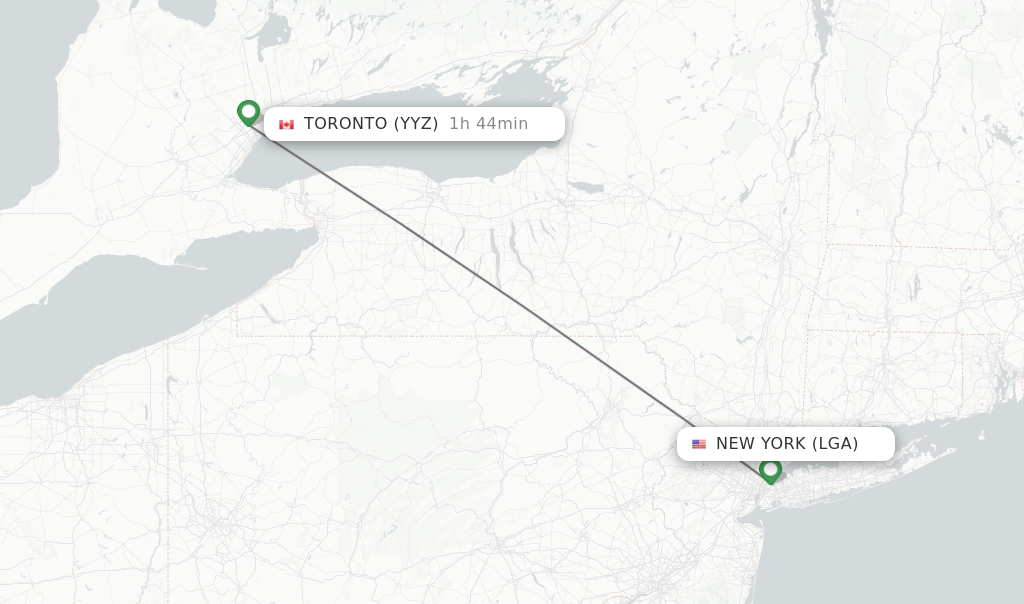
The most direct distance between New York City and Toronto as the crow flies is approximately 340 miles (547 kilometers). However, this is purely a theoretical measurement. In reality, the journey necessitates navigating roads and often crossing international borders, which introduces additional mileage and considerations.
Driving Considerations
The most common driving route from New York to Toronto is via Interstate 81 North to Syracuse, New York, then connecting to the Queen Elizabeth Way (QEW) into Canada and onward to Toronto. This route typically spans around 500-550 miles (800-885 kilometers), depending on your exact starting point in New York and your chosen destination within the Toronto metropolitan area.
Estimated Driving Time
Under ideal conditions, with minimal traffic and efficient border crossings, the drive can take anywhere from 8 to 10 hours. However, it’s crucial to factor in several variables that can significantly extend this timeframe:
- Traffic: New York City and its surrounding areas are notorious for heavy traffic, especially during peak commuting hours and on weekends. Similarly, approaching Toronto, particularly on the QEW, can experience substantial congestion.
- Border Crossing: Crossing the U.S.-Canada border can involve waiting times, particularly at busier ports of entry like the Rainbow Bridge or the Peace Bridge. These delays can range from 30 minutes to several hours, depending on the time of day, day of the week, and current security measures.
- Road Conditions and Weather: Winter months can bring snow, ice, and hazardous driving conditions, especially in upstate New York and southern Ontario. Always check weather forecasts and road conditions before embarking on your journey.
- Stops and Breaks: The drive is a considerable one, and it’s highly recommended to plan for rest stops for meals, fuel, and to stretch your legs. These breaks, while necessary for safety, add to the overall travel time.
Tips for Driving
- Plan Your Route: Utilize GPS navigation apps like Google Maps or Waze, which provide real-time traffic updates and suggest alternative routes if necessary.
- Cross-Border Preparedness: Ensure you have valid passports for all travelers, including children. Familiarize yourself with customs regulations for both countries regarding prohibited items and duty-free allowances.
- Vehicle Maintenance: Before a long drive, ensure your vehicle is in good condition, with checks on tires, brakes, fluids, and wipers.
- Accommodation: For an overnight stop, consider cities like Syracuse or Rochester in New York, or even Niagara Falls, which offers attractions on both sides of the border.
The Aerial Approach: Flying Between New York and Toronto
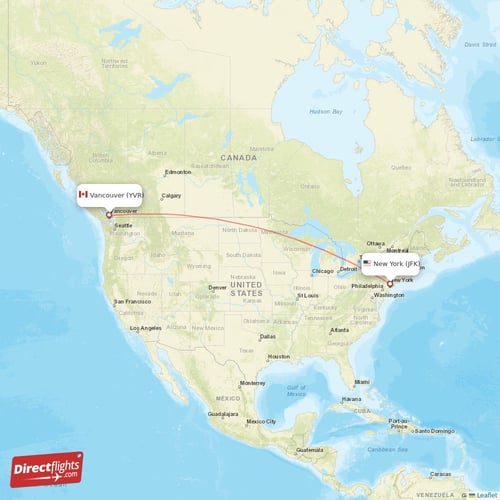
For many, the most efficient way to travel between New York and Toronto is by air. Numerous daily flights connect the two major hubs, offering a significant time saving compared to driving.
Major Airports and Airlines
-
New York City Airports:
- John F. Kennedy International Airport (JFK): A major international gateway, serving a vast array of airlines.
- LaGuardia Airport (LGA): Primarily handles domestic and short-haul international flights, often more convenient for some New York residents.
- Newark Liberty International Airport (EWR): Located in New Jersey, it’s part of the greater New York metropolitan area’s airport system and is a hub for United Airlines.
-
Toronto Airports:
- Toronto Pearson International Airport (YYZ): The busiest airport in Canada and the primary international gateway to Toronto.
- Billy Bishop Toronto City Airport (YTZ): Located on the Toronto Islands, it offers a more convenient option for travelers flying on select regional carriers, often with flights from smaller airports in the New York area.
-
Airlines: Major carriers operating this route include Air Canada, American Airlines, Delta Air Lines, United Airlines, and Porter Airlines.
Flight Times and Considerations
The actual flight time between New York and Toronto is typically around 1 hour and 30 minutes. However, the total travel time involves several stages:
- Travel to the Airport: Getting to your departure airport in New York can take anywhere from 30 minutes to over an hour, depending on traffic and your location.
- Airport Procedures: Arriving at the airport at least 2 hours before an international flight is recommended for check-in, security screening, and boarding.
- Flight Duration: As mentioned, the airborne time is short.
- Arrival and Immigration: Upon arrival at Toronto Pearson International Airport (YYZ), you’ll need to clear Canadian customs and immigration, which can vary in time.
- Travel from the Airport: Getting from the airport to your final destination in Toronto can take an additional 30 minutes to over an hour, depending on traffic and your destination within the city.
Therefore, a realistic total travel time when flying can range from 4 to 6 hours from door to door.
Booking Flights
- Compare Prices: Utilize flight comparison websites to find the best deals. Prices can fluctuate significantly based on the season, day of the week, and how far in advance you book.
- Direct vs. Connecting Flights: While direct flights are the most convenient, sometimes connecting flights can offer cost savings. However, the short distance of this route often makes direct flights competitive.
- Airport Choice: Consider the location of the airports relative to your origin and destination when choosing between the New York area airports and whether Billy Bishop Toronto City Airport (YTZ) might be a better fit for your needs.
The Scenic Route: Traveling by Train and Bus
For those who prefer a more relaxed pace or wish to enjoy the changing landscapes, train and bus travel offer viable alternatives, albeit with longer travel times.
VIA Rail and Amtrak
The train journey between New York and Toronto is primarily operated by Amtrak from the U.S. side and VIA Rail Canada on the Canadian side. The most common route involves taking an Amtrak train from New York Penn Station to Buffalo, NY, and then connecting to a VIA Rail Canada train to Toronto Union Station.
Train Travel Details
- Duration: This journey is considerably longer than flying or driving, often taking 12 to 16 hours, including the transfer in Buffalo.
- Scenery: The train offers an opportunity to see the countryside, passing through towns and rural areas of upstate New York and southern Ontario.
- Comfort: Trains generally offer more legroom than planes, and the ability to walk around can be appealing for a long journey. Dining cars and Wi-Fi are often available.
- Border Crossing: The border crossing is handled during the journey, typically when the train arrives in Buffalo and before boarding the Canadian leg. You will need your passport.
Bus Services
Several intercity bus companies, such as Greyhound and Megabus, operate routes between New York and Toronto.
Bus Travel Details
- Duration: Bus journeys are comparable in length to train travel, often ranging from 10 to 14 hours, depending on the specific route, stops, and border crossing times.
- Cost-Effectiveness: Bus travel is often the most budget-friendly option for this route.
- Amenities: Modern buses may offer Wi-Fi, power outlets, and onboard restrooms, though comfort levels can vary.
- Flexibility: Multiple departures are usually available throughout the day.
Choosing Between Train and Bus
- For Comfort and Scenery: The train is generally the preferred option if comfort, onboard amenities, and the opportunity to enjoy the journey are priorities.
- For Budget: The bus is typically the most economical choice.
Important Travel Documents and Border Crossings
Regardless of your chosen mode of transportation, crossing the border between the United States and Canada requires proper documentation and adherence to customs regulations.
Essential Documents
- U.S. Citizens: A valid U.S. passport, passport card, or an Enhanced Driver’s License (EDL) is required. For children under 16, a birth certificate may suffice when traveling by land or sea, but a passport is always recommended.
- Canadian Citizens: A valid Canadian passport, passport card, or NEXUS card is generally required.
- Other Nationalities: International travelers will need a valid passport from their country of citizenship and, depending on their nationality, may require a U.S. visa to enter the United States and/or a Canadian visa or Electronic Travel Authorization (eTA) to enter Canada.
Customs and Immigration
Be prepared to declare any goods you are bringing across the border and answer questions from border services officers truthfully. Familiarize yourself with the customs regulations of both countries to avoid any issues. Restrictions apply to items such as alcohol, tobacco, firearms, and certain food products.

Planning Your Trip
The distance between New York and Toronto is manageable, with a variety of travel options to suit different preferences and budgets. Whether you opt for the speed of air travel, the freedom of a road trip, the scenic route by train, or the budget-friendly bus, careful planning is key to ensuring a smooth and enjoyable journey to this dynamic transborder region. Remember to factor in travel time to and from airports or stations, border crossing times, and potential traffic delays when estimating your total travel duration.
LifeOutOfTheBox is a participant in the Amazon Services LLC Associates Program, an affiliate advertising program designed to provide a means for sites to earn advertising fees by advertising and linking to Amazon.com. Amazon, the Amazon logo, AmazonSupply, and the AmazonSupply logo are trademarks of Amazon.com, Inc. or its affiliates. As an Amazon Associate we earn affiliate commissions from qualifying purchases.