
The rhythm of New York City is inextricably linked to the ceaseless hum of its subway system. For residents and visitors alike, understanding the operational hours of the MTA is crucial for navigating the concrete jungle, whether for an early morning commute to a Times Square performance or a late-night adventure across the boroughs. The question, “How late does the New York Subway run?” is more than a simple query about schedules; it’s a gateway to unlocking the city’s 24/7 dynamism.
Understanding the 24/7 Operation
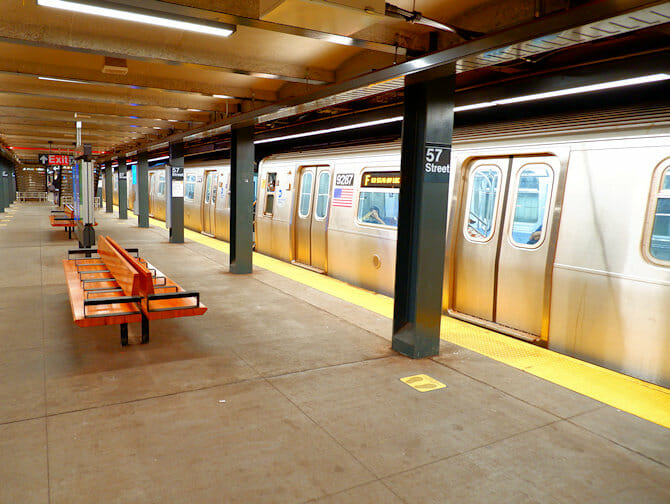
A fundamental characteristic of the New York Subway is its status as one of the few rapid transit systems in the world that operates 24 hours a day, seven days a week. This continuous service is a testament to the city’s insatiable energy and the need for a robust transportation network that caters to a diverse population with varied schedules. From essential workers beginning their shifts before dawn to revelers returning from late-night entertainment, the subway is a constant presence.

The Myth of Scheduled Closures
Unlike many other transit systems that shut down for overnight maintenance or reduced service, the New York Subway largely maintains its operational status. However, this 24/7 claim comes with nuances. While trains are almost always running, the frequency and routes can change significantly during off-peak hours. This is where a deeper understanding becomes vital for travelers.
Impact on Frequency and Service
During the overnight hours, typically from around midnight to 6:00 AM, train frequencies are reduced. This means waiting times between trains will be longer. Furthermore, some lines may operate on a modified schedule, skip certain stations, or be rerouted entirely. This is often done to facilitate essential maintenance, track repairs, and cleaning that are difficult or impossible to perform during peak traffic.
Navigating Overnight Travel
The continuous operation of the New York Subway offers unparalleled freedom, but it also demands a certain level of preparedness. For those venturing out late at night or in the very early morning, a few key considerations can ensure a smoother journey.
Utilizing Digital Tools
The MTA provides several digital resources to help passengers stay informed. The official MTA website and the MYmta app are invaluable for real-time service updates, planned service changes, and trip planning. These tools are particularly critical during overnight hours when service alterations are more common. Checking these resources before you leave and even while at the station can prevent unexpected delays or detours.
Understanding Service Changes
Overnight, you might encounter shuttle buses replacing train service on certain segments or find that your usual express train is running as a local. Recognizing these potential changes and knowing how to adapt is key. For instance, if your regular line is experiencing an overnight reroute, the MYmta app will often suggest alternative routes using other lines that might still get you to your destination, albeit with a longer travel time.
Safety Considerations
While the New York Subway is a generally safe mode of transportation, it’s prudent to exercise extra caution during less populated overnight hours.
Station Availability
Not all subway stations are open 24/7. Some smaller stations, particularly in residential areas, may close overnight. Larger hubs and stations in high-traffic areas like Times Square or near major attractions like the Empire State Building typically remain open. It’s wise to confirm the operating hours of your specific station if you’re unsure, especially if you’re unfamiliar with the area.

Personal Vigilance
When traveling late at night, be aware of your surroundings. Stick to well-lit areas of the platform and avoid isolating yourself. If you feel uncomfortable, consider waiting for a train with more passengers or, in extreme cases, opting for a rideshare service if within budget. The presence of law enforcement and transit workers is more prevalent during peak hours, so maintaining personal vigilance is a good practice.
Specific Line Operations and Exceptions
While the overarching principle is 24/7 operation, there are specific lines and circumstances where service might differ. Understanding these exceptions can save significant confusion.
Weekend vs. Weekday Schedules
The most significant variations in service often occur on weekends. During Saturdays and Sundays, maintenance work that is deferred during the week is frequently scheduled. This can lead to more substantial service changes, including station closures, reroutes, and increased reliance on shuttle buses. Always consult the MTA service advisories for weekend travel plans.
Capital Improvements and Track Work
The New York Subway is an aging infrastructure that requires constant and extensive repair and modernization. This capital work often necessitates partial line shutdowns or significant service alterations. Major projects, such as those along the Queens Boulevard Line or parts of the Broadway Line, have in the past led to weekend closures or altered service patterns for extended periods. These are usually communicated well in advance by the MTA.
Limited Service Lines
Some very limited service lines, often extensions or feeder routes, might have slightly different operational patterns. However, the core lines that form the backbone of the New York Subway system remain functional throughout the night.
Maximizing Your Late-Night Subway Experience
Embracing the 24/7 nature of the New York Subway can be an adventure in itself. The quieter, less crowded trains can offer a unique perspective on the city.
Early Morning Commutes
For those catching an early flight from JFK or LaGuardia Airport (accessible via AirTrain to subway connections), or starting a shift at a downtown establishment, the subway is an indispensable service. The first trains typically depart stations shortly after midnight, making it possible to traverse the city before the sun even rises.
Post-Event Travel
After a late concert at Madison Square Garden, a show in the Theater District, or dinner in a restaurant in Greenwich Village, the subway remains a viable option for returning to your accommodation. While trains will be less frequent, the service continues, allowing you to avoid expensive taxis or rideshares.
Experiencing Different Boroughs
The subway’s late-night operation is essential for those who wish to explore the diverse offerings of New York City beyond the usual tourist hubs. From the vibrant nightlife of Bushwick in Brooklyn to the culinary delights of Flushing in Queens, the subway can facilitate these explorations at almost any hour.
In conclusion, the New York Subway runs 24 hours a day, seven days a week. This fundamental fact underpins the city’s relentless pace. While service frequency and routes may vary, particularly overnight and on weekends, the system’s continuous operation provides an essential lifeline for millions. By staying informed through MTA resources and being mindful of potential service changes, travelers can confidently leverage this iconic transit system at any hour, truly experiencing the non-stop pulse of New York City.
LifeOutOfTheBox is a participant in the Amazon Services LLC Associates Program, an affiliate advertising program designed to provide a means for sites to earn advertising fees by advertising and linking to Amazon.com. Amazon, the Amazon logo, AmazonSupply, and the AmazonSupply logo are trademarks of Amazon.com, Inc. or its affiliates. As an Amazon Associate we earn affiliate commissions from qualifying purchases.