
The allure of New York City is undeniable. From the iconic skyline of Manhattan to the vibrant neighborhoods of Brooklyn, the city that never sleeps beckons travelers from across the globe. But before you can immerse yourself in its energy, the fundamental question arises: how long will it actually take to get there? The answer, as with many things related to travel, is nuanced and depends on a constellation of factors. This comprehensive guide will delve into the variables that determine flight duration to New York, helping you plan your journey with precision and anticipation.
The Primary Determinant: Departure Location
The most significant factor influencing flight time to New York is, without question, your point of origin. Geographic distance is the undeniable king of flight duration.
Domestic Flights within the United States
For travelers within the United States, flight times can range dramatically:
East Coast Proximity
Flights from cities in the Northeast, such as Boston, Philadelphia, or Washington D.C., are relatively short hops. You can expect a flight duration of approximately 1 to 1.5 hours. These are often considered express flights, perfect for business travelers or quick weekend getaways.
Mid-West Journeys
From the Midwest, like Chicago or Detroit, the flight time stretches to around 2 to 3 hours. This is a common segment for many American travelers venturing to the East Coast.
Southern Charm to the Big Apple
Flights originating from the Southern United States, such as Atlanta, Miami, or Dallas, will typically take between 2.5 to 4 hours. The further south you are, the longer the journey.
West Coast Wonders to the Eastern Seaboard
Traveling from the West Coast, including cities like Los Angeles, San Francisco, or Seattle, represents a substantial cross-country flight. Expect flight times to be in the range of 5 to 6 hours for direct flights. These longer flights often coincide with a significant time zone change, further impacting your perceived travel day.
Mountainous Terrains and Beyond
From states in the Mountain West, such as Denver or Salt Lake City, flight durations are typically around 4 to 5 hours.
International Departures
For international travelers, the flight to New York can be a significant undertaking.
Transatlantic Voyages from Europe
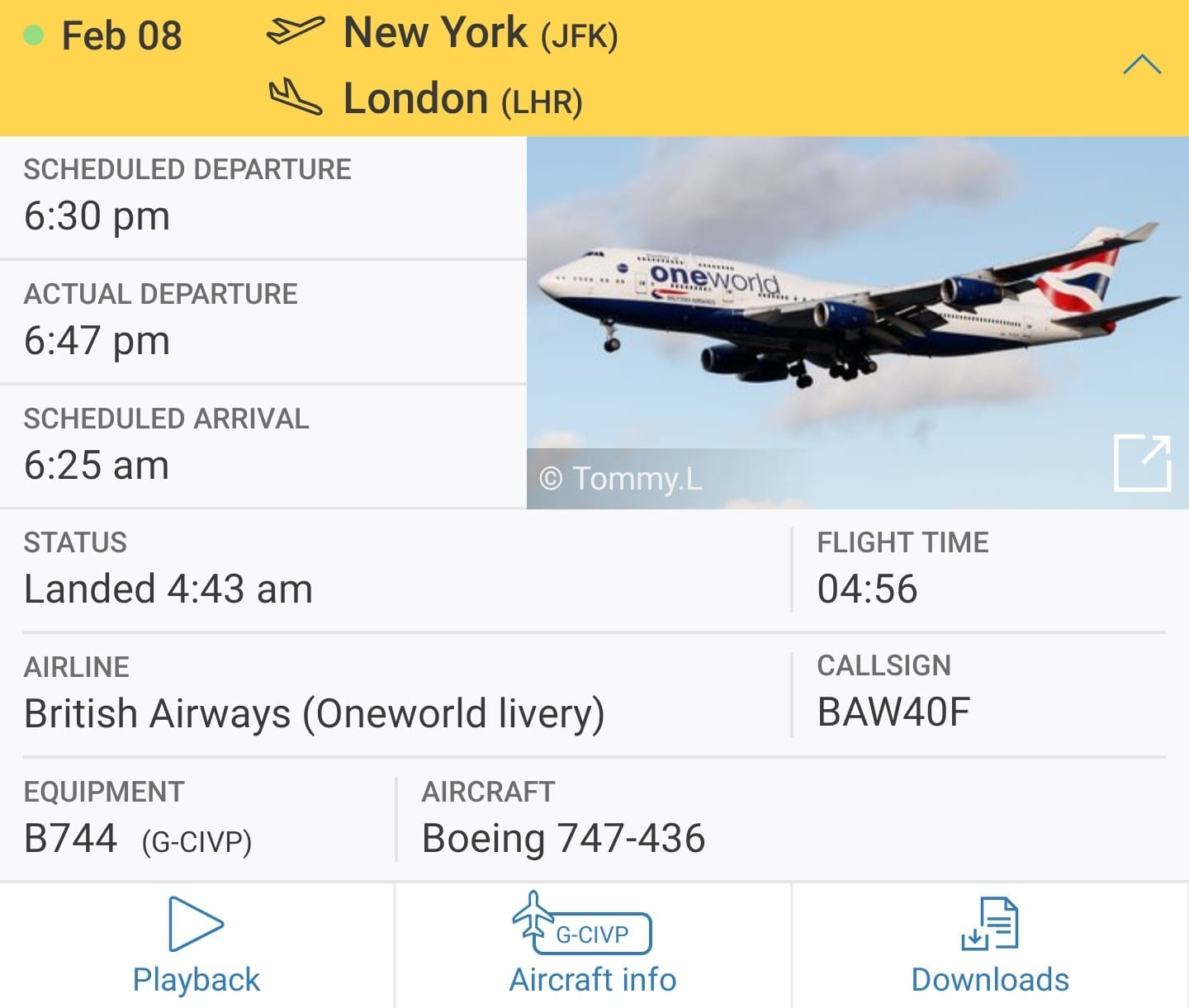
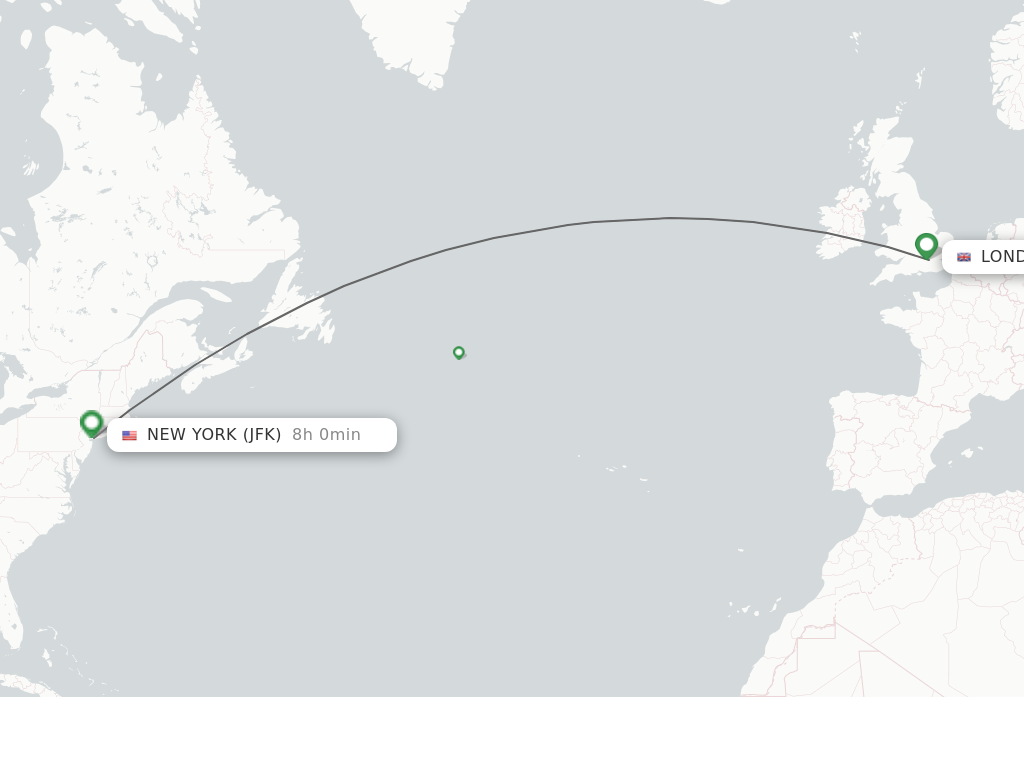
From major European hubs like London, Paris, or Rome, direct flights to New York City generally range from 7 to 8.5 hours. Flights from Western Europe are shorter than those from Eastern or Southern Europe.
Pacific Crossings from Asia
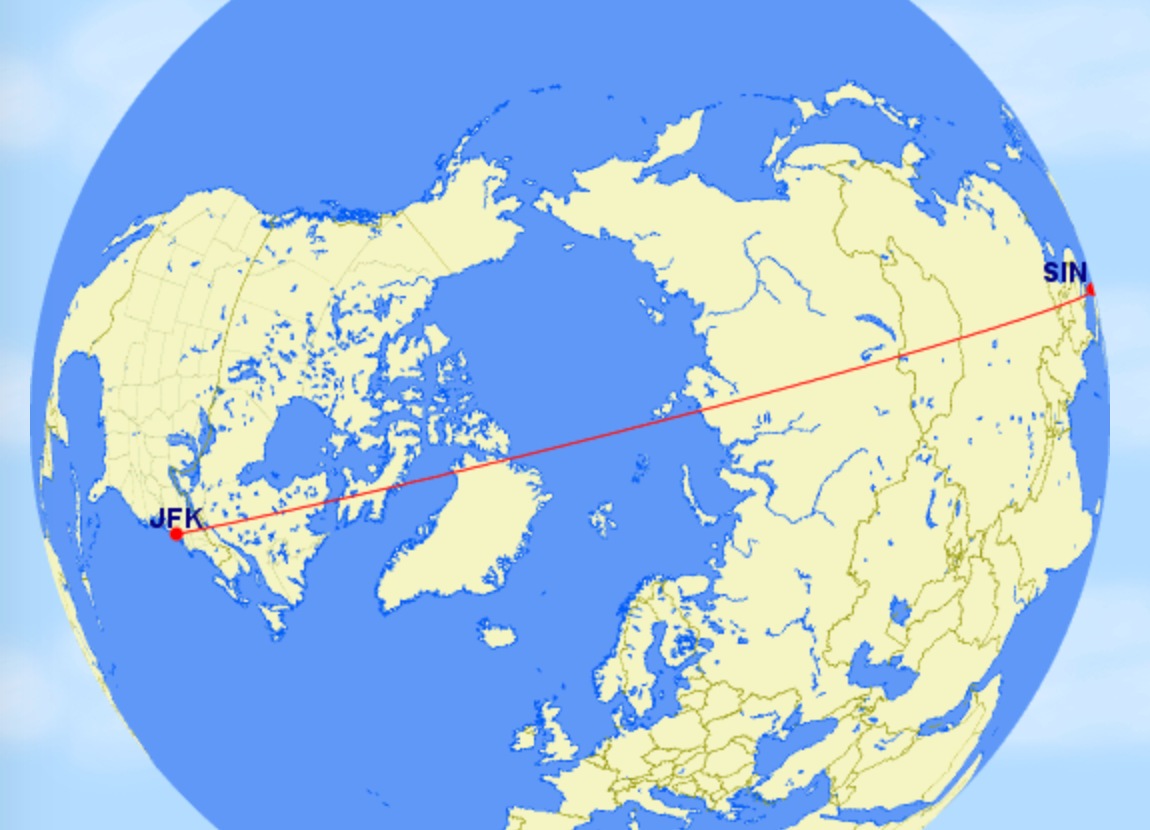
Journeys from East Asia, such as Tokyo, Seoul, or Beijing, are among the longest. Direct flights can span from 12 to 15 hours, making them a substantial commitment.
Southern Hemisphere Sojourns
Flights from Australia or New Zealand to New York are exceptionally long, often requiring at least one stopover. Direct flights, though rare and extremely lengthy, would exceed 20 hours. With a stop, the total travel time, including layovers, can easily extend to 24-30 hours or more.
South American Expeditions
From South America, depending on the city and country of origin, flight times to New York can vary. Flights from cities like São Paulo or Buenos Aires typically take between 8 to 10 hours for direct flights.
The Role of Flight Type and Route
Beyond the sheer distance, the type of flight and the specific route taken play a crucial role in determining your total travel time.
Direct Flights vs. Flights with Layover(s)
The most straightforward way to answer “how long does it take to fly to New York?” is by considering direct flights. These offer the shortest travel time as they minimize time spent on the ground. However, direct flights are not always available or the most economical option, especially for less common departure points.
Flights with one or more layovers will significantly increase your overall travel time. The duration of the layover itself, coupled with the time spent taxiing, boarding, and deplaning during the stop, can add several hours to your journey. For example, a flight from Los Angeles to New York with a layover in Chicago could easily extend a 5.5-hour direct flight to 7-9 hours or more, depending on the layover length. When booking, always check the total estimated travel time, not just the in-air flight duration.
Flight Path and Jet Streams
Air traffic control and prevailing wind patterns, particularly the jet stream, can subtly influence flight times. Airlines strategically plot flight paths to take advantage of tailwinds, which can shorten flight durations, and avoid headwinds, which can lengthen them. This is why eastbound flights across the United States often tend to be slightly shorter than their westbound counterparts. Similarly, transatlantic flights from Europe to New York are typically shorter than the return journey due to prevailing westerly winds.
Factors Affecting Arrival Time
While flight duration is a critical component, it’s essential to consider other elements that contribute to your total journey time from departure to reaching your final destination within New York.
Airport Procedures and Timings
- Arrival at the Airport: Airlines generally recommend arriving at the airport 2-3 hours before domestic flights and 3-4 hours before international flights. This buffer time accounts for check-in, baggage drop, and security screening.
- Security and Immigration: The efficiency of airport security and immigration processes can vary greatly depending on the airport’s size, staffing, time of day, and current security levels. Long lines can add significant, albeit unpredictable, delays.
- Boarding: The boarding process itself takes time, typically commencing 30-60 minutes before departure.
- Taxiing and Takeoff: Once boarding is complete, aircraft often spend time taxiing to the runway and waiting for their takeoff slot, which can add 15-45 minutes to the pre-flight time.
In-Flight Experience
- Aircraft Type: Larger aircraft might have slightly different cruising speeds than smaller ones, though this difference is usually marginal in terms of overall flight time for commercial passenger jets.
- In-Flight Services: While not directly impacting flight duration, the time spent on meals, entertainment, or other services is part of the overall in-flight experience.
Post-Landing Procedures
- Taxiing to Gate: Upon landing, the aircraft will taxi to the gate, which can take anywhere from 5 to 20 minutes.
- Disembarking: The process of passengers exiting the aircraft can take time, especially on larger planes.
- Baggage Claim: If you have checked luggage, you’ll need to factor in time waiting at baggage claim, which can range from 15 minutes to over an hour depending on the airport and baggage handling efficiency.
- Ground Transportation: Once you have your luggage, you’ll need to arrange ground transportation to your hotel or final destination. This could involve taxis, ride-sharing services, public transportation like the AirTrain to Manhattan, or a pre-booked car service. The time taken for this segment will vary based on traffic conditions and your destination within the New York City metropolitan area.
Planning Your Trip to New York
Understanding the potential flight durations is crucial for effective travel planning.
Setting Realistic Expectations
When booking your flight, pay close attention to the “total travel time” indicated by the airline or booking platform. This figure usually includes scheduled flight time and layovers, providing a more accurate picture of your journey.
Considering Time Zones
Remember that New York operates on Eastern Standard Time (EST) or Eastern Daylight Time (EDT). Traveling westward will mean you “gain” time, while traveling eastward will mean you “lose” time relative to your departure location’s time zone. This time difference can significantly impact when you arrive and how you feel on your first day.
Choosing the Right Flight
For shorter trips, prioritizing direct flights to minimize travel time is often advisable, even if it means a slightly higher ticket price. For longer journeys or if budget is a primary concern, flights with layovers might be more cost-effective, but be prepared for a longer overall travel day. Researching different airlines and routes can reveal options that balance cost and time efficiently.
In conclusion, the time it takes to fly to New York is a dynamic equation influenced by your starting point, the flight’s directness, and the operational aspects of air travel. By considering these variables, you can better estimate your travel time and prepare for a smooth and enjoyable arrival in this iconic global city.
LifeOutOfTheBox is a participant in the Amazon Services LLC Associates Program, an affiliate advertising program designed to provide a means for sites to earn advertising fees by advertising and linking to Amazon.com. Amazon, the Amazon logo, AmazonSupply, and the AmazonSupply logo are trademarks of Amazon.com, Inc. or its affiliates. As an Amazon Associate we earn affiliate commissions from qualifying purchases.