
Embarking on a journey from the bustling metropolis of New York City to the vibrant island nation of Singapore is a significant undertaking, characterized by a considerable flight duration. This transcontinental route traverses vast geographical distances and time zones, offering a unique perspective on the interconnectedness of our globalized world. Understanding the nuances of this lengthy flight is crucial for any traveler planning to undertake this epic voyage, whether for leisure, business, or a combination of both.
The Mechanics of Trans-Pacific Travel
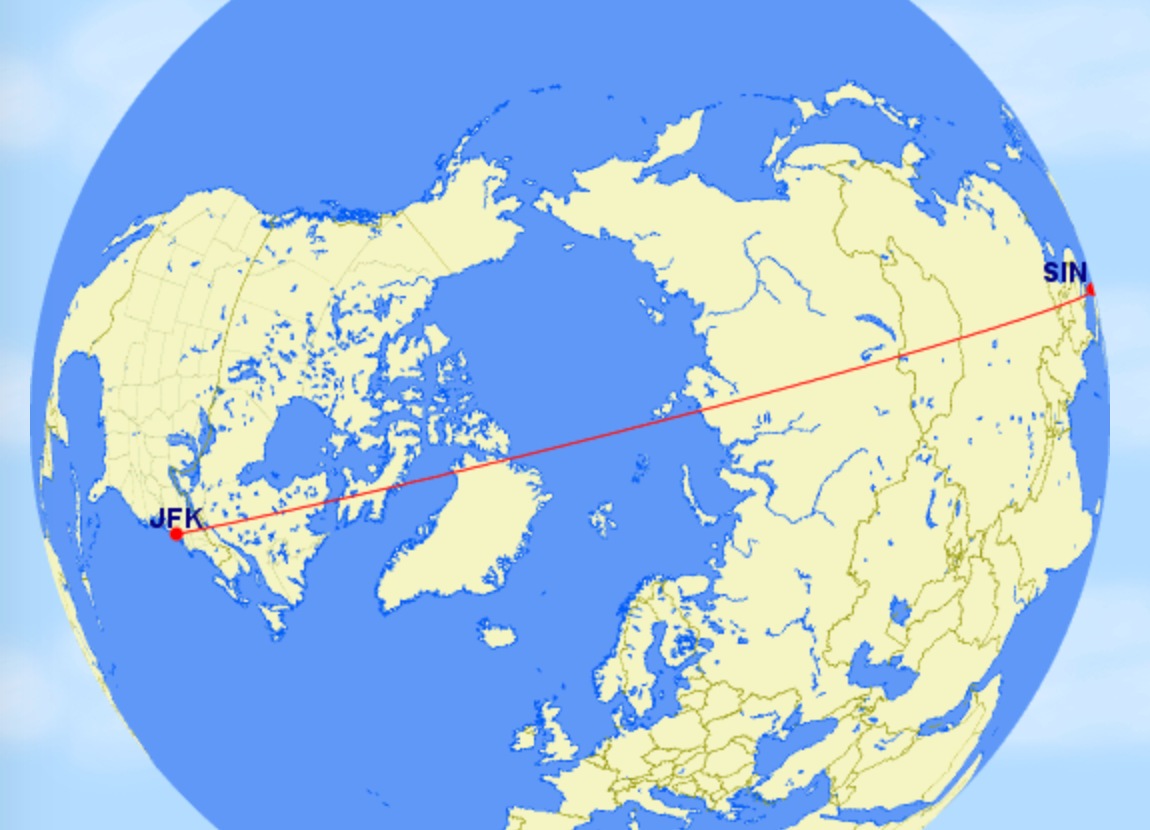
The flight time from New York to Singapore is one of the longest commercial routes in the world. This extended duration is a direct consequence of the immense distance separating these two global hubs, approximately 9,500 miles (15,300 kilometers). Several factors contribute to the overall travel time, and it’s essential to consider these when planning your itinerary.
Direct vs. Connecting Flights
The primary determinant of flight duration is whether you opt for a direct (non-stop) flight or one with layovers.
Non-Stop Flights
Direct flights, while less common on this route due to the extreme distance and the sheer volume of fuel required, offer the most time-efficient option. When available, these flights typically span a period of 18 to 19 hours in the air. These are often operated by flagship carriers of both the United States and Singapore or their respective alliance partners. The uninterrupted journey allows passengers to maximize their time at their destination by minimizing transit delays. However, the physical and mental demands of such an extended period in a confined aircraft cabin can be substantial.
Flights with Layover(s)
The vast majority of travelers will likely encounter flights with one or more layovers. These connecting flights significantly increase the total travel time. The duration of the layover can range from a few hours to a full day or more, depending on the airline’s network and scheduling. Common layover points for flights from New York to Singapore include major international hubs in Europe, the Middle East, or sometimes even in other parts of Asia.
- Minimum Total Travel Time (with one layover): Even with a relatively short layover, the total travel time for a connecting flight can easily stretch to 22 to 26 hours. This includes the flight time to the connecting city, the layover duration, and the subsequent flight to Singapore.
- Extended Travel Times: Flights with longer layovers, or those involving multiple stops, can extend the total journey to 30 hours or more. While these options might sometimes be more budget-friendly, they necessitate a significant commitment of time and can be considerably more tiring.
Factors Influencing Flight Duration
Beyond the directness of the flight, several other variables can influence the actual time spent in the air.
Aircraft Type and Speed
Different aircraft models have varying cruising speeds. Modern, wide-body jets, such as the Boeing 777, Airbus A350, or Boeing 787 Dreamliner, are commonly used for such long-haul routes. Their advanced aerodynamic designs and powerful engines contribute to efficient flight, but even slight variations in cruising speed can impact the overall duration by tens of minutes to an hour.
Jet Streams and Weather Conditions
The Earth’s atmosphere features powerful air currents known as jet streams. Flights traveling eastward generally benefit from tailwinds provided by these jet streams, which can reduce flight times. Conversely, flights traveling westward may encounter headwinds, increasing flight duration. Pilots and airlines meticulously plan routes to take advantage of favorable jet streams, but these can shift. Significant weather patterns, such as storms, can also necessitate rerouting, adding to the flight time.
Air Traffic Control and Airspace Congestion

The airspace over busy regions, especially over continents like North America and Europe, is densely populated with aircraft. Air traffic control directives, holding patterns, and the need to maintain safe separation between planes can sometimes lead to slight delays in departure or minor detours during the flight.
Preparing for the Long Haul
Given the substantial duration of a flight from New York to Singapore, proper preparation is paramount to ensure a comfortable and manageable travel experience.
In-Flight Comfort and Well-being
The extended time in the air can take a toll on the body. Prioritizing comfort is key to mitigating the effects of jet lag and prolonged sitting.
- Seat Selection: If booking a connecting flight, consider the duration of each leg. For very long flights, opting for a premium economy, business class, or first-class seat can provide significantly more space, better recline, and enhanced amenities, making the journey far more bearable. Even within economy, selecting an aisle seat can offer more freedom of movement.
- Hydration: Dehydration is a common issue on long flights due to the dry cabin air. Drink plenty of water throughout the journey. Limit alcohol and caffeine intake, as they can contribute to dehydration and disrupt sleep patterns.
- Movement and Stretching: To combat stiffness and reduce the risk of deep vein thrombosis (DVT), it is crucial to move around the cabin regularly. Walk to the lavatory, stretch your legs, and perform in-seat exercises.
- Sleep Aids: Invest in a comfortable neck pillow, eye mask, and earplugs or noise-canceling headphones to facilitate sleep. Consider bringing a light blanket or shawl, as cabin temperatures can fluctuate.
- Entertainment and Distraction: Load up your devices with movies, music, podcasts, or e-books. Many airlines provide in-flight entertainment systems, but having your own options ensures continuous engagement.
Managing Jet Lag
The significant time difference between New York (Eastern Time) and Singapore (Singapore Standard Time, UTC+8) is substantial, with a difference of typically 12 or 13 hours depending on daylight saving time in New York. This considerable shift necessitates a strategic approach to minimize the effects of jet lag.
- Adjust Your Schedule Gradually: A few days before your departure, begin adjusting your sleep and wake times to align more closely with Singapore time.
- Embrace Local Time Upon Arrival: As soon as you board the flight, set your watch to Singapore time and try to eat, sleep, and stay awake according to the destination’s schedule.
- Maximize Daylight Exposure: Upon arrival, expose yourself to natural sunlight as much as possible. This helps reset your body’s internal clock.
- Stay Active: Gentle exercise can aid in adjusting to the new time zone.
Typical Airlines and Airports
Several major airlines operate routes connecting New York and Singapore, offering various options for travelers.
Major Airlines
Airlines frequently serving this route include:
- Singapore Airlines: Renowned for its premium service, Singapore Airlines often operates direct flights or routes with efficient connections through its hub in Singapore.
- United Airlines: As a major US carrier, United Airlines offers extensive network capabilities, often involving connections in US hubs or through partnerships.
- Emirates: This Middle Eastern airline provides a popular option with a layover in Dubai, offering a different routing and often a high level of service.
- Qatar Airways: Similar to Emirates, Qatar Airways offers connections through its hub in Doha.
- Other European Carriers: Airlines such as Lufthansa, KLM Royal Dutch Airlines, and British Airways may offer options with layovers in their respective European hubs like Frankfurt, Amsterdam, or London.
Departure and Arrival Airports
- New York Area Airports: Flights typically depart from John F. Kennedy International Airport (JFK) or Newark Liberty International Airport (EWR). Both are major international gateways serving the New York metropolitan area.
- Singapore Changi Airport (SIN): Singapore Changi Airport is the primary international airport serving Singapore and is consistently ranked among the world’s best airports for its efficiency, amenities, and passenger experience.

The Journey in Perspective
A flight from New York to Singapore is more than just a mode of transportation; it’s an experience that encapsulates the marvels of modern aviation and the vastness of our planet. While the duration can seem daunting, a well-prepared traveler can transform this extensive journey into an opportunity for rest, reflection, or catching up on work. Whether you choose a direct route or a connecting flight, understanding the timelines, factors influencing them, and preparation strategies will ensure your arrival in the Lion City is as smooth and comfortable as possible, ready to explore the wonders that Singapore has to offer.
LifeOutOfTheBox is a participant in the Amazon Services LLC Associates Program, an affiliate advertising program designed to provide a means for sites to earn advertising fees by advertising and linking to Amazon.com. Amazon, the Amazon logo, AmazonSupply, and the AmazonSupply logo are trademarks of Amazon.com, Inc. or its affiliates. As an Amazon Associate we earn affiliate commissions from qualifying purchases.