
The journey from the bustling metropolis of New York to the vibrant island city-state of Singapore is one of the longest commercial flights in the world. Spanning vast distances across continents and oceans, this transpacific route presents a unique travel challenge and opportunity. Understanding the duration of this flight is crucial for planning, packing, and mentally preparing for the long hours in the air.
Flight Duration and Factors Affecting It
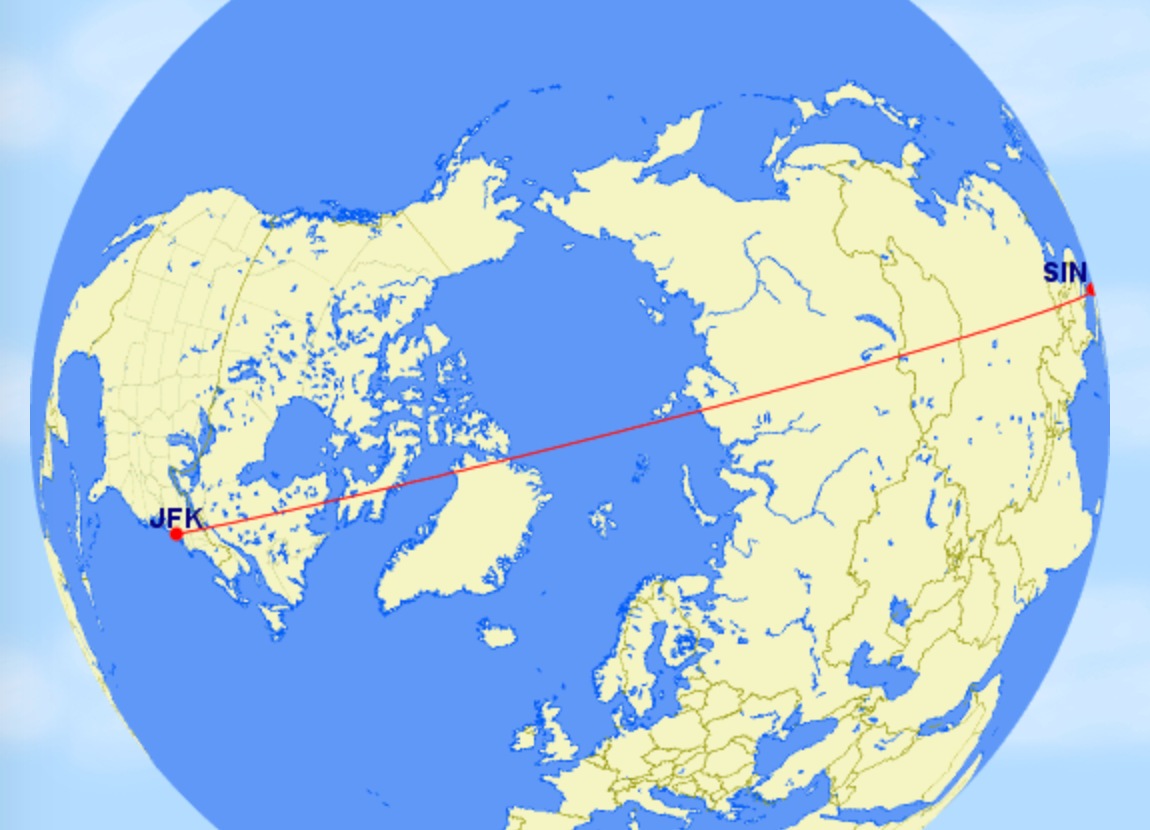
The primary factor determining the flight duration is, of course, the distance. New York and Singapore are separated by approximately 9,500 miles (15,300 kilometers). This immense geographical divide necessitates a flight path that circulates the globe.
Non-Stop vs. Connecting Flights
For travelers aiming for efficiency, non-stop flights are the ideal, albeit often more expensive, option. These flights offer the shortest possible travel time, bypassing the need for layovers. However, non-stop flights on this route are not as frequent as those for shorter distances, and their availability can fluctuate.
Connecting flights, on the other hand, involve one or more stops at intermediate airports. These layovers can add significant time to the overall journey, often doubling the travel duration compared to a direct flight. The choice between non-stop and connecting flights often comes down to a balance between cost, time, and personal preference for breaks during a long trip.
Average Flight Times
A non-stop flight from New York to Singapore typically ranges from 18 to 19 hours. This is a considerable amount of time to spend in an aircraft, making it one of the longest commercial routes operated by airlines. Singapore Airlines, for instance, has historically operated some of the longest non-stop flights in the world, connecting cities like Singapore with Newark, a major airport serving the New York metropolitan area.
Connecting flights can vary dramatically in length. A journey with a single layover might take anywhere from 22 to 30 hours, depending on the efficiency of the connection and the length of the layover. Flights with multiple stops will naturally extend this even further, sometimes exceeding 35-40 hours of total travel time.
Factors Influencing Flight Time
Several factors can influence the actual flight duration, even for a non-stop service:
- Jet Streams: These are fast-flowing, narrow air currents in the upper atmosphere. Flying with a tailwind from a jet stream can significantly reduce flight time, while flying against a headwind can increase it. Airline flight planners meticulously track jet streams to optimize routes and flight times.
- Air Traffic Control: Congestion in airspace, especially around major hubs, can lead to delays or necessitate slower flight speeds, adding to the overall duration.
- Weather Conditions: Severe weather patterns along the flight path or at the destination can cause delays, rerouting, or slower flight speeds.
- Aircraft Type and Performance: Different aircraft have varying cruising speeds and fuel capacities, which can subtly affect flight times.
- Flight Path Optimization: While the great-circle route is the shortest distance, airlines may opt for slightly different paths to take advantage of favorable winds, avoid turbulent weather, or adhere to air traffic management regulations.
Preparing for a Long-Haul Flight

The sheer length of the flight from New York to Singapore demands thorough preparation to ensure comfort and well-being.
Choosing Your Flight
When booking, carefully examine the flight details. For non-stop options, confirm the departure and arrival times to gauge the total time spent in the air. For connecting flights, pay close attention to:
- Layover Duration: A layover of 2-4 hours is generally considered ideal for a smooth connection without feeling rushed. Longer layovers can be an opportunity to stretch your legs, grab a meal, or even explore a bit of the layover city if time and visa regulations permit. Very short layovers (under 90 minutes) can be risky, especially if your first flight is delayed.
- Layover Airport: Some airports are more efficient and comfortable than others. Consider the amenities, the ease of navigation, and the potential for delays or cancellations at the connecting hub.
- Number of Connections: Each connection adds complexity and potential for delays. For such a long journey, minimizing connections is usually preferable.
Comfort and Well-being in the Air
Maximizing comfort on a flight of this magnitude is paramount. Consider the following:
- Seat Selection: If possible, choose a seat that suits your preferences. Aisles offer more freedom to move, while window seats provide a view and a place to lean against. Many travelers opt for bulkhead seats for more legroom, though these may not have under-seat storage. Premium economy, business class, or first class offer significantly more space and amenities, which can make a substantial difference on such a long flight.
- Packing Essentials: Bring items that will enhance your in-flight experience:
- Comfortable Clothing: Wear loose, breathable clothing. Layers are key, as cabin temperatures can fluctuate.
- Travel Pillow and Blanket: While airlines often provide these, bringing your own can ensure a higher level of comfort.
- Eye Mask and Earplugs: Essential for sleeping in a noisy and bright cabin environment.
- Entertainment: Download movies, music, podcasts, or books onto your devices. While most airlines offer in-flight entertainment, variety is good.
- Hydration: The cabin air is very dry. Drink plenty of water. Consider bringing a reusable water bottle to fill up after security. Avoid excessive alcohol and caffeine, which can dehydrate you.
- Snacks: While meals are served, having your own favorite snacks can be comforting.
- Toiletries: Pack a small bag with essentials like a toothbrush, toothpaste, moisturizer, lip balm, and hand sanitizer.
- Medication: Ensure you have any personal medications in your carry-on, along with a copy of your prescription if necessary.
Staying Healthy on a Long Flight
Long flights can disrupt your body’s natural rhythm and lead to issues like deep vein thrombosis (DVT). Taking proactive steps can mitigate these risks:
- Movement: Get up and walk the aisles every hour or two to improve circulation. Perform simple in-seat exercises, such as ankle rotations and leg stretches.
- Hydration: As mentioned, drinking plenty of water is crucial.
- Compression Socks: Wearing compression socks can help prevent swelling in the legs and reduce the risk of DVT.
- Sleep: Try to sleep during the flight. Adjusting your watch to Singapore time upon boarding can help you align your sleep schedule.
- Avoid Sedentary Habits: Resist the urge to sit still for the entire duration of the flight.
Navigating Time Zones and Jet Lag
The significant time difference between New York (Eastern Standard Time or Eastern Daylight Time) and Singapore (Singapore Standard Time) is a major consideration. Singapore is typically 12 or 13 hours ahead of New York, depending on daylight saving time in the latter. This substantial shift can lead to jet lag, characterized by fatigue, insomnia, irritability, and digestive issues.

Strategies for Combating Jet Lag
- Pre-flight Adjustment: A few days before your trip, try to adjust your sleep and wake times closer to those of your destination.
- Onboard Strategy: As soon as you board the plane, set your watch to Singapore time. Eat and sleep according to this new schedule.
- Sunlight Exposure: Upon arrival in Singapore, expose yourself to natural sunlight during the day to help reset your internal clock. Avoid bright lights and screens late at night.
- Stay Hydrated: Continue to drink plenty of water.
- Light Meals: Opt for lighter meals, especially in the evening.
- Exercise: Gentle exercise during the day can aid in adjusting to the new time zone.
- Melatonin: Some travelers find melatonin supplements helpful for regulating sleep patterns, but it’s advisable to consult with a healthcare professional before using them.
The flight from New York to Singapore is a significant undertaking, but with careful planning and preparation, it can be a comfortable and even enjoyable prelude to experiencing the wonders of Singapore. Understanding the flight duration, making informed choices about your itinerary, and prioritizing your well-being during the journey are key to a successful travel experience.
LifeOutOfTheBox is a participant in the Amazon Services LLC Associates Program, an affiliate advertising program designed to provide a means for sites to earn advertising fees by advertising and linking to Amazon.com. Amazon, the Amazon logo, AmazonSupply, and the AmazonSupply logo are trademarks of Amazon.com, Inc. or its affiliates. As an Amazon Associate we earn affiliate commissions from qualifying purchases.