
Understanding the flight duration from New York to Barcelona is a crucial first step for any traveler planning a transatlantic adventure. While the distance between these two iconic cities is substantial, the actual time spent in the air can vary due to a multitude of factors, including the type of flight, airline, prevailing winds, and even the specific route taken. This guide aims to demystify the typical flight times, explore the reasons behind variations, and offer insights to help you manage your travel expectations.
Direct Flight Durations: The Most Common Scenario
For most travelers seeking efficiency, a direct flight is the preferred option. These flights eliminate the need for layovers, significantly reducing overall travel time.
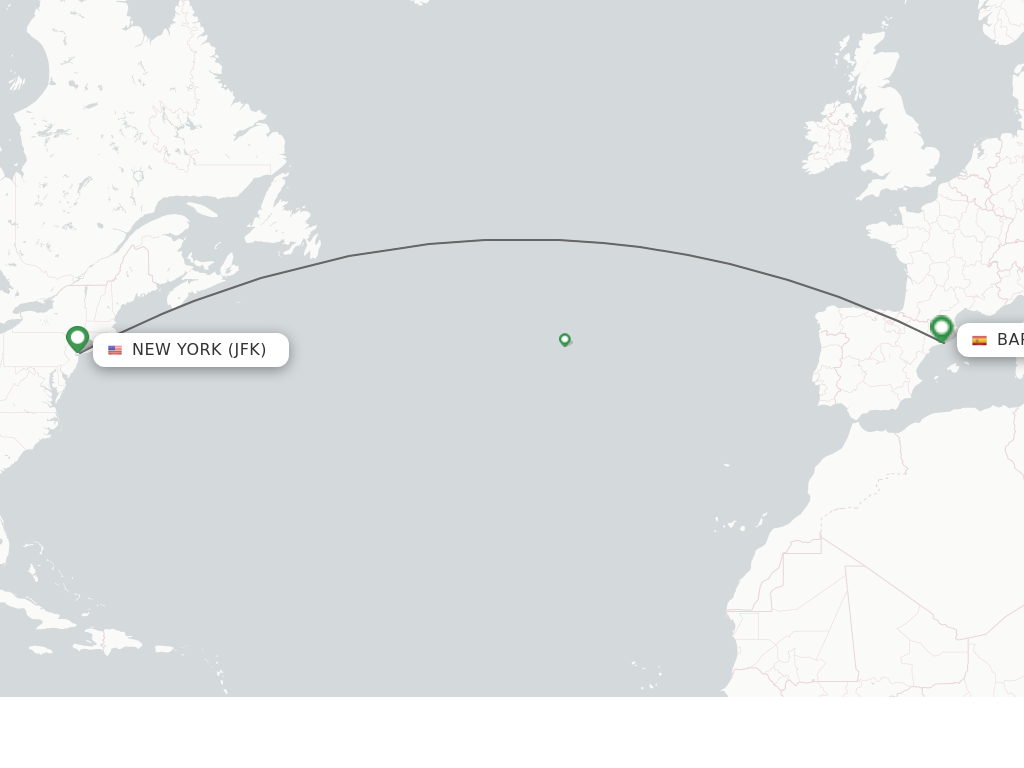
Average Non-Stop Flight Times
The average non-stop flight from New York City (typically departing from John F. Kennedy International Airport (JFK) or Newark Liberty International Airport (EWR)) to Barcelona-El Prat Airport (BCN) hovers around 7 to 8 hours. This figure represents the time the aircraft is airborne.
Several major airlines operate direct routes between these two global hubs, including Iberia, Delta Air Lines, and American Airlines. The specific duration can fluctuate slightly based on the airline’s scheduling and operational choices.
Factors Influencing Direct Flight Times
While a direct flight aims for the most streamlined journey, even these can see minor variations.
- Headwinds and Tailwinds: The most significant factor influencing flight time is the presence and strength of jet streams. Flying eastbound from New York to Barcelona generally benefits from tailwinds within the jet stream, which can shorten the flight duration. Conversely, flying westbound, from Barcelona to New York, often encounters headwinds, extending the flight time. For the New York to Barcelona route, this means you’re likely to experience a slightly shorter flight than the return journey.
- Aircraft Type: Modern, more efficient aircraft models can sometimes shave off a few minutes from the total flight time. However, the impact of aircraft type is generally less pronounced than meteorological conditions.
- Air Traffic Control and Routing: Air traffic control dictates flight paths to ensure safety and efficiency. Minor deviations or preferred routing by airlines can also play a small role in the overall duration.
Flights with Layovers: Extended Journeys
For travelers seeking more budget-friendly options or those unable to secure direct flights, flights with one or more layovers are common. These journeys naturally extend the total travel time considerably.
Typical Layover Durations
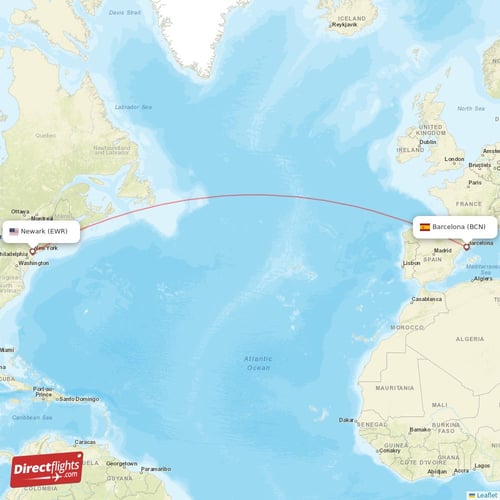
When a flight includes a layover, the total travel time can range dramatically, from 10 hours to over 24 hours, depending on the layover city and the length of the stop.
Popular Layover Hubs
Several major European cities frequently serve as layover points for flights from New York to Barcelona. Common layover cities include:
- London: Flights often connect through Heathrow Airport (LHR) or Gatwick Airport (LGW).
- Paris: Charles de Gaulle Airport (CDG) is a frequent connection point.
- Amsterdam: Schiphol Airport (AMS) is another popular hub.
- Frankfurt: Frankfurt Airport (FRA) often features in transatlantic itineraries.
- Dublin: Sometimes a less common but viable option.
The duration of the layover itself can vary from a brief 1-2 hours to an extended overnight stay. This choice often depends on the airline’s schedule and the traveler’s preference for a shorter overall trip versus a potentially lower ticket price.
Considerations for Flights with Layovers
- Total Travel Time: Remember that advertised “total travel time” includes the time spent on the ground during layovers. Always check the total duration, not just the airborne time.
- Airport Navigation: Factor in time to disembark, navigate to your connecting gate, and potentially go through security or immigration depending on the layover airport and your nationality.
- Potential for Delays: With more segments to a journey, the risk of delays at any point increases. A delay on your first flight could jeopardize your connection, leading to further disruptions.
- Baggage Transfer: Ensure your luggage is checked through to Barcelona. Most airlines will handle this, but it’s always wise to confirm.
Optimizing Your Travel Time
While you cannot control the weather, you can make informed decisions to optimize your travel experience and manage expectations regarding flight times.
Choosing the Right Flight
- Direct Flights: If time is your most valuable commodity, prioritize booking direct flights. These offer the most predictable and shortest travel times.
- Layover Strategy: If you opt for a flight with a layover, consider the duration. Shorter layovers are more efficient but carry a higher risk of missed connections. Longer layovers can offer a chance to stretch your legs, grab a meal, or even briefly explore the layover city if time and visa requirements permit.
- Airline Research: Different airlines may have slightly different average flight times for the same route due to their operational strategies and aircraft fleets. Reading recent flight reviews or checking historical data can provide insights.
Preparing for Your Journey
- Time Zones: Remember to account for the time difference. Barcelona is typically 6 hours ahead of New York. This is crucial for arrival and departure planning, as well as for managing jet lag.
- Airport Arrival: Regardless of whether your flight is direct or has a layover, arriving at the airport well in advance is essential. For international flights from New York, aiming for 3 hours before departure is standard.
- Jet Lag Management: The transatlantic journey involves crossing multiple time zones. Strategies like adjusting your sleep schedule before departure, staying hydrated, and limiting caffeine and alcohol can help mitigate the effects of jet lag upon arrival in Barcelona.
In conclusion, while the direct flight from New York to Barcelona typically ranges from 7 to 8 hours, flights with layovers can significantly extend this duration. By understanding the factors that influence flight times and by making informed choices about your travel arrangements, you can ensure a smoother and more predictable journey to the vibrant city of Barcelona.
LifeOutOfTheBox is a participant in the Amazon Services LLC Associates Program, an affiliate advertising program designed to provide a means for sites to earn advertising fees by advertising and linking to Amazon.com. Amazon, the Amazon logo, AmazonSupply, and the AmazonSupply logo are trademarks of Amazon.com, Inc. or its affiliates. As an Amazon Associate we earn affiliate commissions from qualifying purchases.