
The question of “How many cops in New York City?” is more complex than a simple number. It touches upon the very fabric of urban safety, resource allocation, and the intricate dynamics of a metropolis that never sleeps. Understanding the size of the New York City Police Department (NYPD) is crucial for appreciating the scale of law enforcement operations in one of the world’s most populous and visited cities. This exploration delves into the numbers, the organizational structure, and the broader context of policing in New York City, offering insights relevant to anyone interested in the city’s pulse, from residents to tourists seeking to understand the environment they are visiting.
The Numerical Strength of the NYPD
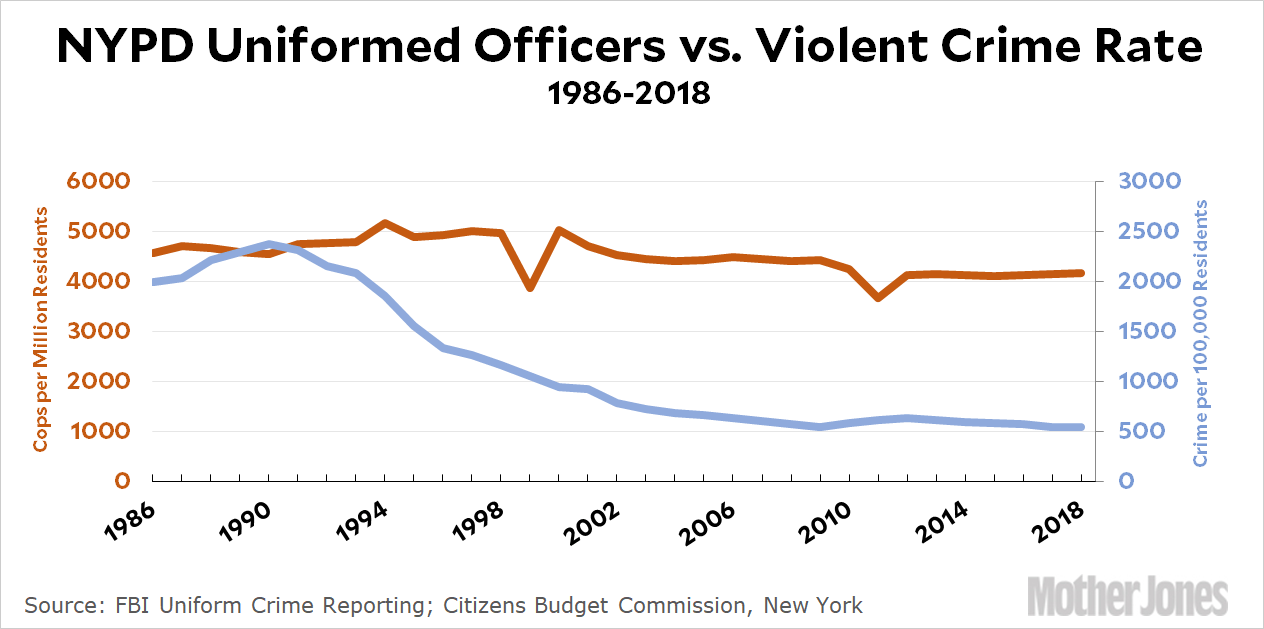
At its core, the NYPD is one of the largest and most comprehensive municipal police forces in the United States. The exact number of officers fluctuates due to recruitment, retirements, and budgetary considerations. However, general figures provide a substantial picture. Historically, the NYPD has maintained a force of over 30,000 uniformed officers. This figure often includes sworn officers who hold the authority to arrest and enforce laws.
Uniformed Officers: The Frontline Force
The backbone of the NYPD consists of its uniformed officers. These are the individuals who patrol the streets, respond to calls for service, investigate crimes, and maintain public order across the five boroughs: Manhattan, Brooklyn, Queens, the Bronx, and Staten Island. The sheer volume of calls and the diversity of incidents they manage underscore the necessity of such a considerable force.
Civilian Personnel: Essential Support Systems
Beyond the sworn officers, the NYPD employs thousands of civilian personnel. These individuals are integral to the department’s functioning, performing vital tasks such as administrative duties, dispatch operations, forensic analysis, and community outreach programs. Their work, while less visible to the public, is indispensable for the NYPD’s efficiency and effectiveness. Civilian staff often handle non-enforcement roles, allowing uniformed officers to focus on their core responsibilities.
Specialized Units: Addressing Diverse Needs
The size of the NYPD also reflects its commitment to specialized units designed to tackle the multifaceted challenges of a major urban center. These units range from counter-terrorism task forces, vital in a global city like New York City, to transit police, housing patrol, and units dedicated to cybercrime, domestic violence, and organized crime. Each unit is staffed with officers who possess specific training and expertise, contributing to a comprehensive approach to public safety.
Factors Influencing NYPD Headcount
The number of police officers in New York City is not static; it’s a dynamic figure influenced by several key factors:
Budgetary Allocations
The most significant determinant of the NYPD’s size is the city’s budget. Funding for police salaries, training, equipment, and benefits directly impacts the department’s ability to recruit and retain officers. Budgetary debates, therefore, often have a direct correlation with the number of personnel on the force. Advocates for increased or decreased police presence frequently cite budgetary figures as a core argument.
Crime Rates and Public Safety Concerns
When crime rates rise or specific public safety concerns emerge, there is often increased pressure to bolster the police presence. This can lead to hiring initiatives or reallocations of resources to deploy more officers to affected areas. Conversely, periods of lower crime or shifts in public perception regarding policing can influence hiring freezes or reductions.
Political and Social Climate
The broader political and social landscape plays a crucial role in shaping the size and scope of the NYPD. Public opinion on policing, calls for reform, and evolving approaches to crime prevention all contribute to decisions about police staffing levels. These discussions are often heated, reflecting deeply held views on safety, justice, and the role of law enforcement in a democratic society.
Population Density and Tourism
New York City is not only densely populated but also a global magnet for tourists. The sheer volume of people present on any given day – residents, commuters, and visitors – necessitates a robust policing presence to ensure safety and security. The NYPD’s mandate extends to protecting millions of people who live, work, and visit the city, a task that demands significant manpower.
The NYPD’s Organizational Structure
To manage such a large force effectively, the NYPD is organized into a hierarchical and functional structure. Understanding this structure provides a clearer picture of how the numbers translate into operational capacity.

Patrol Bureau: The Eyes and Ears
The Patrol Bureau is the largest command within the NYPD. Its officers are responsible for responding to emergency calls, enforcing traffic laws, and providing a visible presence to deter crime. They operate out of precincts that cover specific geographical areas, ensuring localized coverage and community engagement. The efficiency of the Patrol Bureau is paramount to the day-to-day safety of New York City’s residents and visitors.
Detective Bureau: Investigations and Case Resolution
The Detective Bureau is tasked with investigating more serious crimes, including homicides, robberies, assaults, and complex fraud cases. Detectives are often more specialized, working in units that focus on specific types of criminal activity. Their work involves meticulous evidence gathering, witness interviews, and meticulous case building to bring perpetrators to justice.
Specialized Commands: Addressing Unique Challenges
As mentioned earlier, a variety of specialized commands exist to address the unique needs of New York City. This includes:
Counterterrorism Bureau
Given New York City’s status as a major international hub and a prominent target, the Counterterrorism Bureau is critically important. It works to prevent attacks, respond to terrorist threats, and collaborate with federal and international agencies.
Transit Police
With the New York City transit system being one of the most extensive in the world, the Transit Police are responsible for ensuring the safety and security of millions of daily commuters on subways, buses, and commuter rail lines.
Housing Bureau
The Housing Bureau’s officers are assigned to New York City Housing Authority (NYCHA) developments, providing policing services and working to improve safety and quality of life for residents in public housing complexes.
Information Technology Bureau
In the digital age, a robust IT infrastructure and cybersecurity team are essential. This bureau manages the department’s technological needs, from communication systems to data analysis and digital forensics.
The Role of NYPD in New York City’s Tourist Experience
For visitors exploring New York City, understanding the presence of the NYPD contributes to a broader sense of security and awareness. While the sheer number of officers might seem daunting, their presence is a testament to the city’s commitment to maintaining order and safety in a complex environment.
Visible Presence and Deterrence
The uniformed officers visible on streets, in Times Square, and around major attractions like the Statue of Liberty and Central Park serve as a deterrent to crime. This visible presence offers reassurance to tourists navigating unfamiliar surroundings.
Community Engagement and Assistance
Beyond law enforcement, NYPD officers often act as guides or sources of assistance for tourists. Whether it’s providing directions to landmarks like the Empire State Building or helping with minor issues, their role extends to facilitating a positive visitor experience.

Maintaining Order in High-Traffic Areas
Areas like Times Square, which experience immense foot traffic from tourists and locals alike, require a significant police presence to manage crowds, ensure pedestrian safety, and prevent disruptions. The NYPD’s operational capacity is crucial in maintaining the unique atmosphere of these iconic locations.
In conclusion, the question of “How many cops in New York City?” unveils a sophisticated and large-scale operation. The numerical strength of the NYPD, coupled with its intricate organizational structure and responsiveness to various societal factors, underscores the department’s critical role in safeguarding one of the world’s most dynamic and diverse cities. For anyone experiencing New York City, from its bustling avenues to its serene parks, the presence of these dedicated professionals is a constant element in the city’s ongoing narrative of vibrancy and security.
LifeOutOfTheBox is a participant in the Amazon Services LLC Associates Program, an affiliate advertising program designed to provide a means for sites to earn advertising fees by advertising and linking to Amazon.com. Amazon, the Amazon logo, AmazonSupply, and the AmazonSupply logo are trademarks of Amazon.com, Inc. or its affiliates. As an Amazon Associate we earn affiliate commissions from qualifying purchases.