
New York, a state synonymous with global influence, economic power, and cultural dynamism, holds a significant position in the United States presidential election. The number of Electoral College votes a state possesses is directly tied to its representation in Congress, which is determined by its population. For New York, this number has a profound impact on the national electoral landscape, shaping campaign strategies and influencing the ultimate outcome of presidential races. Understanding New York’s electoral vote count is not merely an academic exercise; it offers insight into the state’s demographic weight and its perennial role as a key player in American politics.
The Foundation of Electoral Votes: Representation and Population
The Electoral College, established by the U.S. Constitution, is a unique system for electing the President and Vice President. It was designed as a compromise between electing the president by popular vote and electing the president by a vote in Congress. Each state is allocated a number of electors equal to the sum of its senators (always two) and its representatives in the House of Representatives. The number of representatives for each state is reapportioned every ten years following the decennial census, based on population shifts.
The Decennial Census: A Population Barometer
The United States Census Bureau conducts a comprehensive count of the nation’s population every ten years. This census is the bedrock upon which the allocation of congressional seats, and consequently, Electoral College votes, is built. States that experience population growth may see their number of representatives increase, thereby gaining electoral votes. Conversely, states with declining populations may lose representatives and, consequently, electoral votes. This dynamic process ensures that the Electoral College reflects, albeit imperfectly, the evolving demographic distribution of the nation.
New York’s Historical Electoral Standing
Throughout much of American history, New York has been one of the most populous states, consistently wielding considerable electoral power. Its early growth was fueled by its strategic location as a gateway for immigration and a hub for commerce, particularly through the Erie Canal. As a result, its representation in the House of Representatives, and thus its electoral vote count, has historically been high. This elevated status has made New York a crucial battleground state in many presidential elections, with candidates often investing significant time and resources in campaigning within its borders.
New York’s Current Electoral Vote Allocation
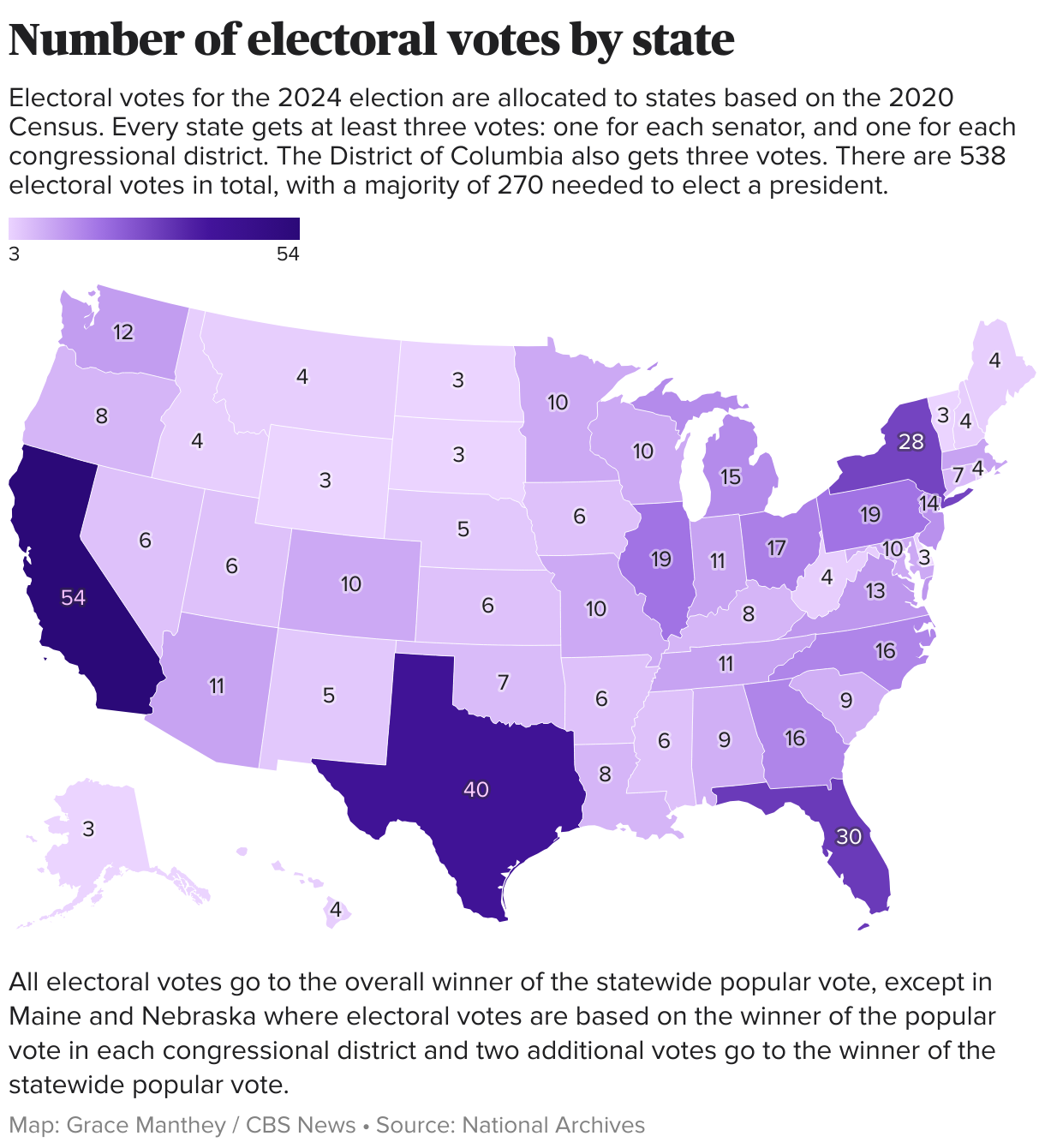
As of the most recent reapportionment following the 2020 Census, New York is allocated 28 Electoral Votes. This number is derived from its 26 representatives in the House of Representatives, plus its two senators. This allocation remains a substantial figure, underscoring New York’s continued importance in the Electoral College. While New York has seen some shifts in its electoral vote count over the decades, its position as a major electoral heavyweight has largely persisted. The state’s dense population centers, including the global metropolis of New York City and its surrounding suburbs, contribute significantly to its large representation.
Impact of Population Trends on Electoral Votes
The shifts in Electoral College allocations are a direct consequence of demographic changes across the United States. For New York, like many other northeastern states, the trend of population growth has been more moderate compared to Sun Belt states such as Texas and Florida. This has led to a gradual decrease in New York’s proportion of electoral votes over several decades. For instance, in the mid-20th century, New York often held more electoral votes than it does today. However, even with a reduced number compared to its historical peak, 28 electoral votes still represent a significant bloc that presidential campaigns cannot afford to ignore.
The 2020 Census and Future Implications

The 2020 Census results confirmed New York’s loss of one House seat, leading to its current allocation of 28 electoral votes. This outcome has implications for future presidential elections, potentially requiring campaigns to reassess their strategies for engaging with the state’s voters. While New York has consistently voted for the Democratic candidate in recent presidential elections, its large bloc of electoral votes still makes it a state that Republican candidates will monitor, especially in closely contested races. The state’s diverse electorate and its concentration of population in urban centers present unique challenges and opportunities for any campaign.
Electoral College Dynamics and New York’s Role
The winner-take-all system, employed by New York and 47 other states, means that the presidential candidate who wins the popular vote in the state receives all of its electoral votes. This intensifies the focus on winning individual states, rather than solely on accumulating a national popular vote majority. For New York, this has historically meant that presidential campaigns make concerted efforts to secure its 28 electoral votes.
Campaign Strategies and New York
Given its size and political leaning, New York often falls into the category of “safe” states for one party or the other. However, this doesn’t entirely remove it from the campaign trail. Candidates may visit for strategic reasons: to energize their base, to raise significant campaign funds in New York City, or to make a statement about national issues that resonate with New Yorkers. The presence of prominent political figures and institutions in New York also elevates its political discourse, making it a consistent topic of national discussion. The state’s diverse economy, from finance in Wall Street to manufacturing upstate, provides a broad range of issues that candidates must address.
The Influence of New York’s Electorate
New York’s electorate is remarkably diverse, encompassing a wide array of ethnic, economic, and cultural backgrounds. This diversity is reflected in its political preferences, which can vary significantly between the metropolitan areas, suburban communities, and rural regions of the state. Candidates must craft messages that appeal to these varied constituencies to have any chance of winning the state’s popular vote and, by extension, its electoral votes. The state’s progressive policies on many social issues also play a role in shaping its political identity and its engagement with national elections.
Understanding the Electoral College’s Impact on Presidential Races
The Electoral College system, while controversial for some, remains the mechanism by which U.S. presidents are elected. The allocation of electoral votes, particularly the substantial number held by states like New York, ensures that these states are integral to any successful presidential campaign.
The Role of Large States
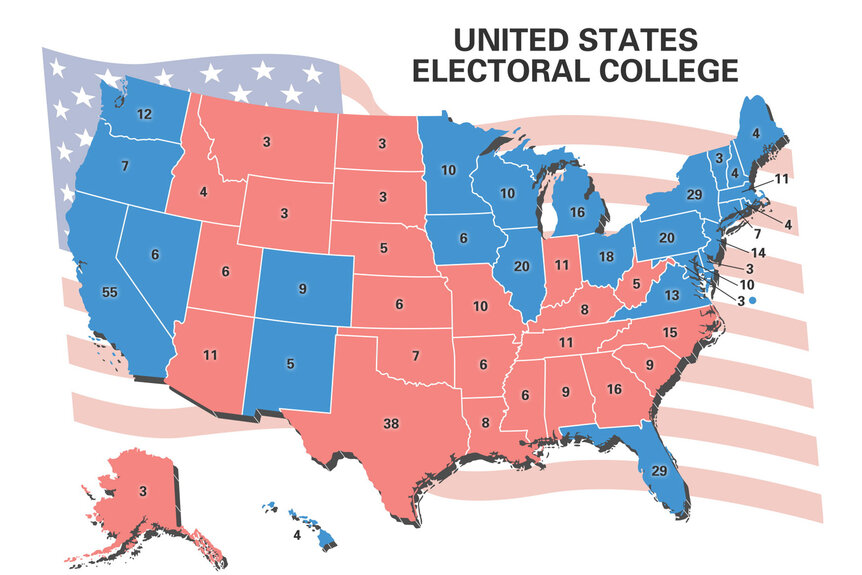
States with large populations, such as California, Texas, Florida, and New York, collectively hold a significant portion of the total electoral votes. Winning these states is often a prerequisite for securing the 270 electoral votes needed to win the presidency. The campaign strategies employed by candidates are heavily influenced by the electoral map, prioritizing swing states and states with large electoral vote counts.
Debates and Reforms Surrounding the Electoral College
The Electoral College has been a subject of debate since its inception. Critics argue that it can lead to a president being elected without winning the popular vote, and that it gives disproportionate power to smaller states. Proponents argue that it protects the interests of less populated states and promotes national unity by requiring candidates to build broad coalitions across different regions. Proposed reforms range from the National Popular Vote Interstate Compact to constitutional amendments. Regardless of ongoing discussions, the current system, with its fixed allocation of electoral votes based on census data, continues to shape the dynamics of American presidential elections, with states like New York playing a pivotal role due to their significant share of these vital votes. The state’s substantial contribution to the Electoral College ensures its enduring significance in the quadrennial contest for the nation’s highest office.
LifeOutOfTheBox is a participant in the Amazon Services LLC Associates Program, an affiliate advertising program designed to provide a means for sites to earn advertising fees by advertising and linking to Amazon.com. Amazon, the Amazon logo, AmazonSupply, and the AmazonSupply logo are trademarks of Amazon.com, Inc. or its affiliates. As an Amazon Associate we earn affiliate commissions from qualifying purchases.