
When planning a trip to the sun-drenched landscapes of Arizona, many travelers find themselves scratching their heads over a seemingly simple question: “Is Arizona on Pacific Time?” The answer, much like the state’s diverse geography, is a fascinating blend of simplicity and complexity. While geographically nestled in the Mountain Time Zone, Arizona observes a unique approach to time that sets it apart from many other states. It largely opts out of Daylight Saving Time, leading to a seasonal shift in its time relationship with its neighbors, sometimes aligning with Pacific Daylight Time and sometimes with Mountain Standard Time. This distinctive stance has significant implications for everything from flight schedules and hotel check-ins to planning your immersive experiences amidst Arizona’s breathtaking natural wonders.
Understanding this ‘time anomaly’ is not just a matter of trivia; it’s a crucial piece of information for seamless travel, efficient business operations, and maximizing your leisure time in the Grand Canyon National Park State. For those venturing into this captivating destination, from the bustling urban centers of Phoenix and Scottsdale to the serene spiritual vortexes of Sedona or the historic streets of Tucson, a clear grasp of local time is essential. This guide will unravel the intricacies of Arizona’s time zone, offering practical advice for travelers and insights into how this unique choice shapes daily life, tourism, and accommodation in one of America’s most enchanting states. Prepare to synchronize your watches, but not in the way you might expect!
Decoding Arizona’s Unique Time Zone Status
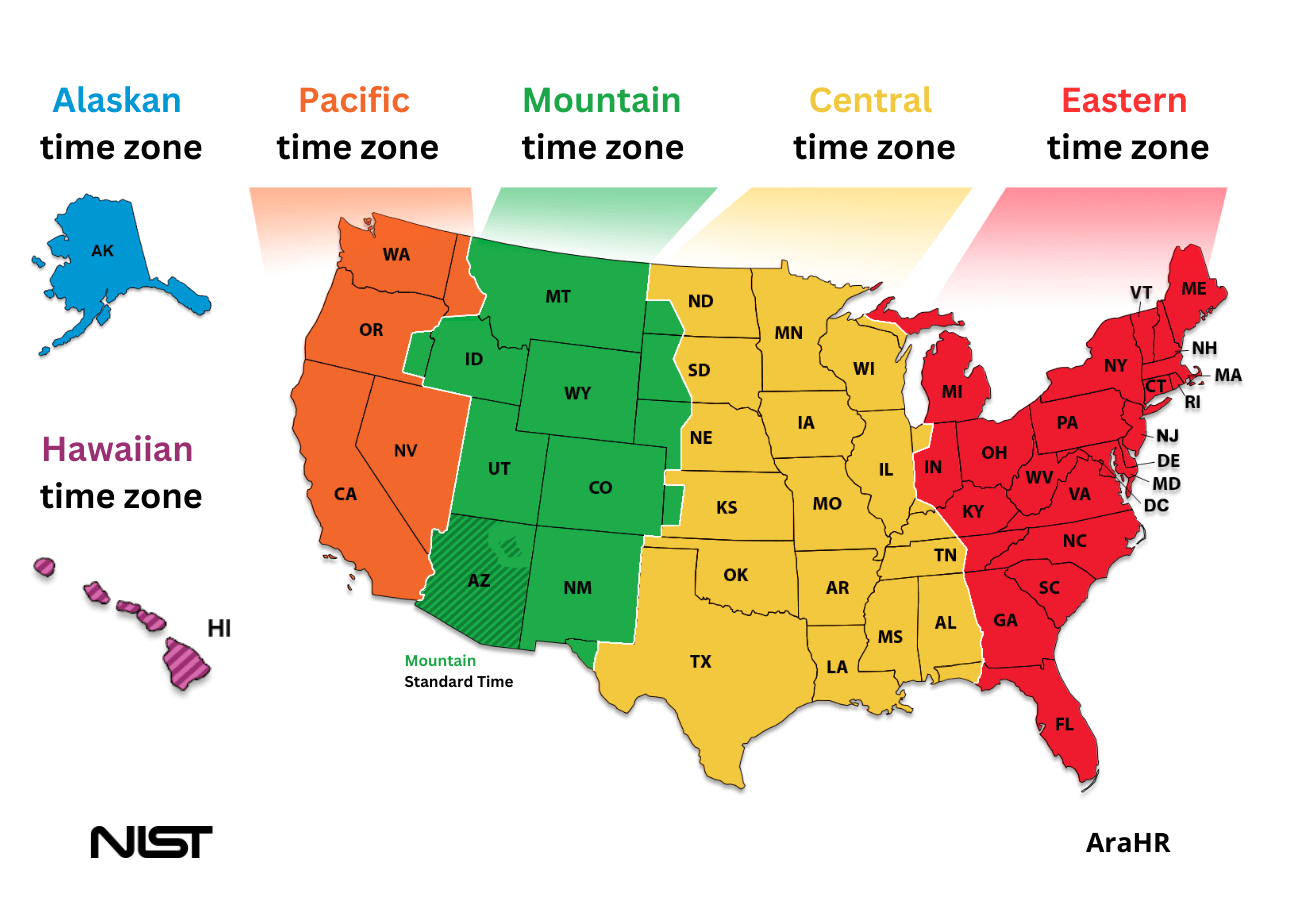
At its core, the confusion surrounding Arizona’s time zone stems from its decision to forego Daylight Saving Time (DST). While the majority of the United States “springs forward” an hour in March and “falls back” an hour in November, Arizona remains steadfast on Mountain Standard Time (MST) year-round. This means that for roughly half the year, from early March to early November, Arizona effectively operates on the same time as Pacific Daylight Time (PDT). During the winter months, from early November to early March, when areas observing DST “fall back” to Pacific Standard Time (PST), Arizona then aligns with Mountain Standard Time, meaning it’s one hour ahead of PST. This seasonal dance creates the perception that Arizona switches between Pacific and Mountain time, but in reality, it’s its neighbors that are changing, while Arizona holds firm.
This distinctive approach simplifies life for residents by eliminating the bi-annual clock adjustments, but it can be a source of bewilderment for visitors. Imagine booking an evening desert tour or a dinner reservation in Scottsdale, only to realize your phone automatically adjusted to Pacific Time while the state was observing MST, leading to a missed appointment. Such scenarios highlight the importance of understanding this fundamental principle.
The Navajo Nation Exception: An Important Nuance
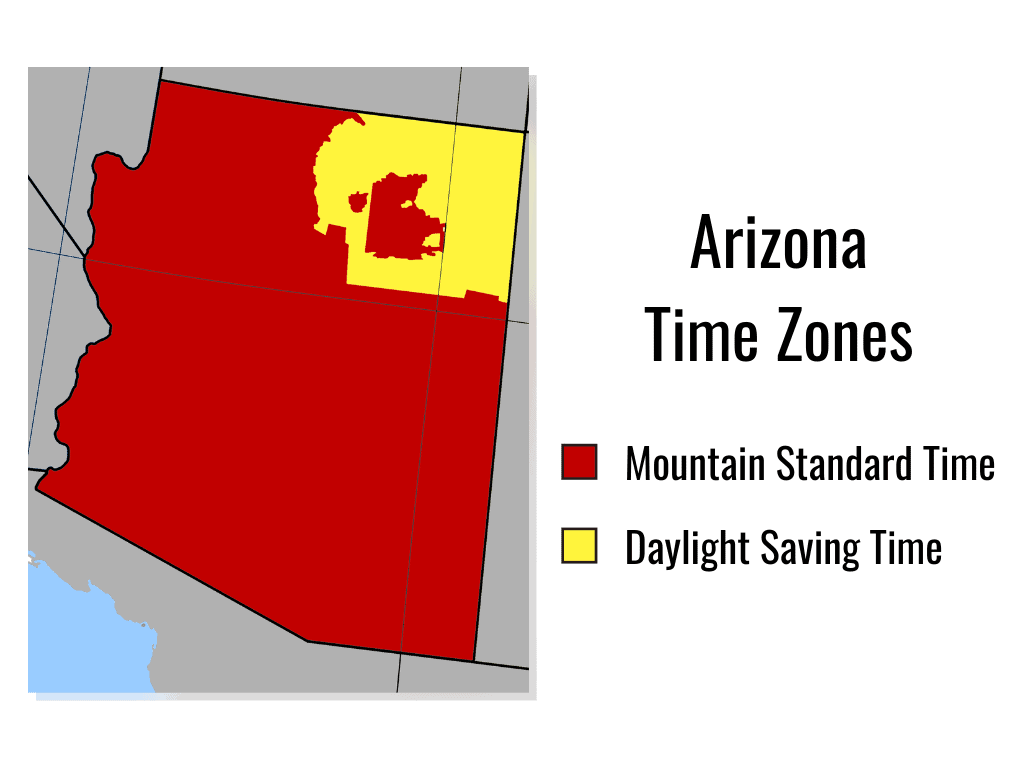
Adding another layer to Arizona’s time zone narrative is the unique case of the Navajo Nation. This vast tribal land, which extends into Utah and New Mexico in addition to Arizona, does observe Daylight Saving Time. This means that if you’re traveling from, say, Flagstaff (which observes MST year-round) into the Navajo Nation (e.g., towards Monument Valley or Antelope Canyon near Page) during DST, you will need to adjust your clock forward an hour. This internal time zone shift within Arizona can be particularly confusing and warrants extra attention for anyone exploring these culturally rich areas. The Hopi Tribe, an enclave entirely surrounded by the Navajo Nation, mirrors the rest of Arizona by not observing DST, creating a temporal donut hole where you might gain and lose an hour traversing a relatively small area. For tourists embarking on specialized cultural tours or visits to specific tribal parks, confirming local time with tour operators or accommodation providers on tribal lands is paramount.
Why Arizona Embraced a Timeless Approach
The decision for Arizona to opt out of Daylight Saving Time isn’t arbitrary; it’s rooted in practical considerations and historical context. The primary reason is the state’s extreme summer heat. During the long summer months, daylight extends well into the evening. Shifting the clock forward an hour, as DST mandates, would mean even more intense sun and heat lingering later into the day, pushing outdoor activities and evening routines into hotter hours. For a state where daily temperatures can soar above 100 degrees Fahrenheit (38°C) for weeks, avoiding DST means earlier sunsets, which in turn means cooler evenings and a greater window for outdoor recreation, dining, and family activities. It also translates to potential energy savings, as there’s less need for air conditioning during what would otherwise be extended hot evening daylight hours.
Historically, the Uniform Time Act of 1966 established Daylight Saving Time across the United States, but it also granted states the option to be exempt. Arizona briefly observed DST in 1967 but quickly opted out in 1968, a decision that has largely been supported by its residents ever since. The practical benefits for daily life, from managing energy consumption to simply enjoying the natural environment, have solidified Arizona’s unique ‘timeless’ identity. This decision deeply impacts the lifestyle in Arizona, allowing for a more harmonious rhythm with its natural environment, whether you’re planning a morning hike in the Sonoran Desert or an evening stroll through Old Town Scottsdale.
Practical Implications for Travelers and Tourists
Understanding Arizona’s time zone peculiarities is key to a stress-free and enjoyable trip. It impacts various aspects of travel planning and execution.
Planning Your Itinerary and Connections
When booking flights, especially those connecting from California (Pacific Time) or states further east like Colorado (Mountain Time, observing DST), double-check all flight times. If flying into Phoenix Sky Harbor International Airport or Tucson International Airport, your arrival time will depend on the time of year. During DST, Arizona will be on the same time as Los Angeles or Las Vegas, but during standard time, it will be an hour ahead. This can affect connecting flights, ground transportation, and even car rental pick-ups. Similarly, if you’re driving across state lines, for example from Nevada to Arizona or Utah to Arizona, be mindful of the time change. A visit to the Hoover Dam, which straddles the border, presents a classic example of this temporal shift.
Accommodation and Booking Schedules
Hotels and resorts, from luxury accommodations in Scottsdale to budget-friendly stays in Mesa or Chandler, will always operate on local Arizona time. This means check-in and check-out times, dining reservations, and scheduled amenities (like spa treatments or guided tours) will adhere to MST year-round. It’s especially crucial for international travelers or those coming from far-flung time zones to adjust their internal clocks and be aware of the exact local time to avoid missing out on pre-booked experiences. For long-term stays or apartment rentals, coordinating arrivals with hosts becomes even more critical. Many booking platforms might display times based on your current location, so a manual confirmation of the local time for your chosen Arizona destination is highly recommended.
Experiences and Activities
The time zone choice significantly impacts the timing of outdoor activities, which are central to Arizona’s appeal. Planning a sunrise hike at Saguaro National Park near Tucson? Or a sunset photoshoot at Horseshoe Bend? The exact timing will shift seasonally relative to other states. During summer, Arizona’s “earlier” sunsets compared to Pacific Daylight Time states can mean more comfortable evening temperatures for outdoor dining, stargazing, or visiting attractions like the Desert Botanical Garden in Phoenix. Conversely, if you’re used to longer daylight hours in summer in a DST-observing state, Arizona’s earlier darkness might surprise you, requiring an adjustment to your evening plans.
Exploring Arizona’s Landmarks and Attractions with Time in Mind
Arizona’s roster of world-renowned landmarks and attractions requires careful time management to fully appreciate.
The Grand Canyon and Northern Arizona
Perhaps the most iconic landmark, Grand Canyon National Park, strictly adheres to Arizona time (MST year-round). This is vital for booking helicopter tours, mule rides, or shuttle services. If you’re coming from Las Vegas (Pacific Time, observing DST), you’ll effectively lose an hour when entering Arizona during summer, meaning an early start for any timed activities. Similarly, towns like Flagstaff, often a base for Grand Canyon National Park visits, follow the same MST rule.
Further north, the unique situation of the Navajo Nation dictates a different approach. Attractions such as Antelope Canyon, Monument Valley, and Canyon de Chelly National Monument are on Navajo Nation land and observe DST. This means that from March to November, they will be one hour ahead of the rest of Arizona. If you’re driving from Page to Monument Valley during summer, remember to advance your clock. This is especially critical for guided tours, which often have strict departure times.
Central and Southern Arizona: Urban and Desert Adventures
In the bustling cities of Phoenix and Scottsdale, home to numerous luxury resorts and vibrant cultural scenes, the MST-all-year rule applies. This means that during the peak tourist season of spring (when DST is active elsewhere), Phoenix will be on the same time as Los Angeles or San Diego. Planning dinner reservations at a fine dining establishment or tee times at a championship golf course will be straightforward once you’ve set your watch correctly. The same applies to attractions in Tucson, like Saguaro National Park and its historic mission sites. Even in more remote areas like Yuma or Lake Havasu City, famous for the relocated London Bridge, the consistent MST ensures predictable scheduling.
For nature lovers, visiting Petrified Forest National Park or exploring the vast Sonoran Desert landscapes, the time consistency allows for better planning of optimal photo opportunities, particularly for sunrise and sunset, which occur at a fixed MST time relative to the sun’s position throughout the year, regardless of other states’ DST shifts.

Accommodation and Lifestyle Considerations
The unique time zone in Arizona isn’t just a logistical hurdle; it subtly influences the broader travel experience and lifestyle within the state.
Hotel and Resort Stays
For travelers selecting hotels, from high-end suites to family-friendly resorts, being aware of the actual local time upon arrival is paramount. Many hotels offer early check-in or late check-out options, which can be useful to align with your personal time clock if you’re experiencing jet lag from a significant time zone difference. Confirming your specific arrival time directly with your chosen accommodation, be it a boutique hotel in Sedona or a sprawling resort in Glendale, can prevent any confusion. Amenities, from breakfast hours to poolside activities, will always be advertised in local Arizona time, making it easy once you’ve adjusted your clock.
Business Travel and Remote Work
For business travelers, Arizona’s time zone can be either a blessing or a curse. During DST months, being on the same time as California and Nevada simplifies cross-state communication, making conference calls and meetings with West Coast colleagues straightforward. However, during the rest of the year, the one-hour difference with Pacific Standard Time and the two-hour difference with Central Standard Time (and three with Eastern Standard Time) requires careful scheduling. For digital nomads or those on long-term business stays, tools like world clock apps are invaluable to manage virtual meetings and maintain communication with teams across different time zones.
Family Trips and Budget Travel
Families planning trips need to consider children’s sleep schedules, especially younger ones, when dealing with time changes. While Arizona’s consistency helps, arriving from a DST-observing state can still require some adjustment. Budget travelers can leverage the time consistency to plan activities during optimal non-peak hours, perhaps enjoying attractions when they’re less crowded due to the local time rhythm. Luxury travelers, on the other hand, might benefit from concierge services that can manage intricate itineraries spanning different time zones, ensuring seamless transitions between a spa appointment, a private tour, and an exclusive dining experience.
Tips for a Seamless Arizona Adventure
Navigating Arizona’s unique time zone doesn’t have to be daunting. With a few simple strategies, you can ensure your trip is as smooth and enjoyable as the desert sunsets.
- Always Confirm Local Time: Before embarking on any activity, checking your phone or a reliable time-keeping device for the current local time in your specific Arizona location is the golden rule. Remember the Navajo Nation exception!
- Utilize Time Zone Converter Apps: A good world clock or time zone converter app on your smartphone can be an invaluable tool. It allows you to quickly compare Arizona time with your home time zone and any other relevant locations.
- Communicate Clearly: When booking tours, making reservations, or coordinating with local guides and hosts, explicitly ask about the time zone they operate in. A quick “Is that Arizona time?” can prevent misunderstandings.
- Adjust Your Devices Manually (if needed): While most smartphones automatically adjust, it’s wise to double-check that your device has correctly recognized Arizona’s non-DST status, especially if you’ve recently crossed state lines.
- Embrace the Uniqueness: Rather than viewing it as a hassle, consider Arizona’s time zone choice as part of its distinct identity. It’s a reflection of the state’s practical approach to its environment and a fascinating conversation starter.
In conclusion, while the question “Is Arizona Pacific Time?” might lead to a nuanced answer, the underlying principle is straightforward: Arizona (with the notable exception of the Navajo Nation) sticks to Mountain Standard Time year-round. This means that for much of the year, it effectively syncs with Pacific Daylight Time, creating a unique temporal harmony with its western neighbors. By understanding this system and taking simple precautions, you can fully immerse yourself in all that the Grand Canyon National Park State has to offer, from its majestic landscapes to its vibrant cities, without missing a beat. So set your clocks (or simply trust your smartphone, with a quick manual check!), and prepare for an unforgettable adventure where time truly flies, but only in one direction.
LifeOutOfTheBox is a participant in the Amazon Services LLC Associates Program, an affiliate advertising program designed to provide a means for sites to earn advertising fees by advertising and linking to Amazon.com. Amazon, the Amazon logo, AmazonSupply, and the AmazonSupply logo are trademarks of Amazon.com, Inc. or its affiliates. As an Amazon Associate we earn affiliate commissions from qualifying purchases.