
Planning an international adventure from the bustling streets of New York to the romantic avenues of Paris involves more than just booking flights and packing bags. A crucial, yet often overlooked, aspect of seamless travel is understanding the time difference. This knowledge is not merely academic; it directly impacts your ability to schedule meetings, coordinate with loved ones back home, manage jet lag, and maximize your precious vacation time. Navigating the temporal divide between these two iconic cities ensures a smoother transition and a more enjoyable experience.
Understanding Time Zones and Daylight Saving Time
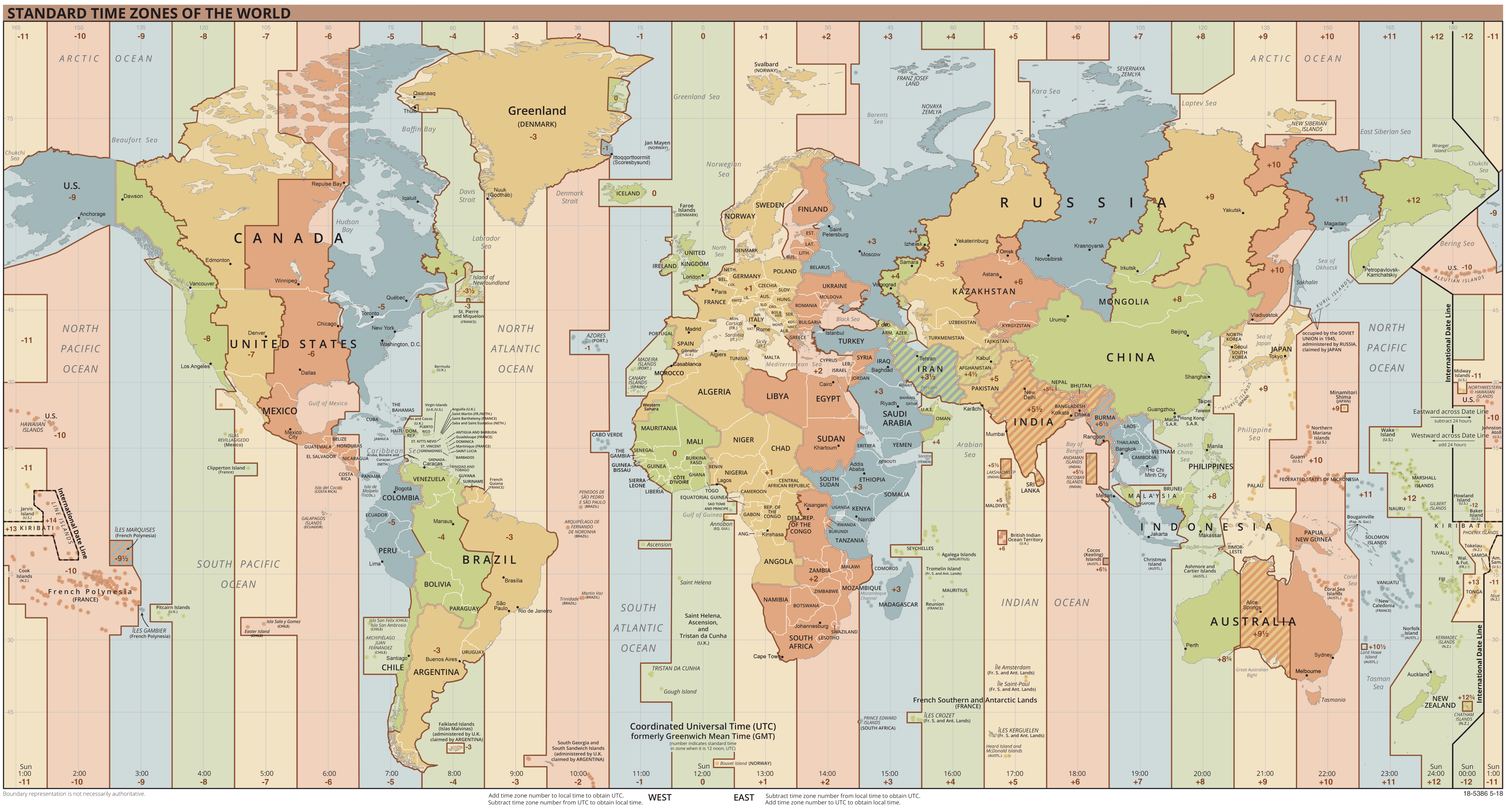
The fundamental reason for the time difference between New York and Paris lies in their geographical locations and the established system of time zones. The Earth is divided into 24 standard time zones, each theoretically spanning 15 degrees of longitude. As the Earth rotates, different parts of the globe experience daylight at different times.

The Greenwich Meridian and Coordinated Universal Time (UTC)
The baseline for most time zones is the Prime Meridian, which passes through Greenwich, London. This meridian is the reference point for Coordinated Universal Time (UTC). Paris observes Central European Time (CET), which is UTC+1 during standard time. New York, on the other hand, operates on Eastern Standard Time (EST), which is UTC-5.
This standard difference means that Paris is typically 6 hours ahead of New York. For example, when it is 10:00 AM in New York, it is 4:00 PM in Paris.
The Impact of Daylight Saving Time (DST)
The complication arises with Daylight Saving Time (DST). Both the United States and many European countries, including France, observe DST to make better use of daylight during warmer months. However, the dates on which DST begins and ends do not always align perfectly between the two regions.
- In Europe: DST, known as Central European Summer Time (CEST), begins on the last Sunday of March and ends on the last Sunday of October. During CEST, Paris shifts its clock forward by one hour, making it UTC+2.
- In the United States: DST begins on the second Sunday in March and ends on the first Sunday in November. During Eastern Daylight Time (EDT), New York also shifts its clock forward by one hour, making it UTC-4.
This divergence in DST schedules can lead to periods where the time difference is not a consistent 6 hours.
Transitional Periods: When the Difference Varies
There are specific weeks in spring and autumn when New York and Paris are on different DST schedules.
- Early March: When the United States begins DST, New York moves to EDT (UTC-4). Paris is still on CET (UTC+1). The difference becomes 5 hours (UTC+1 minus UTC-4 = 5 hours). So, if it’s 10:00 AM in New York, it’s 3:00 PM in Paris.
- Late October/Early November: When Europe ends DST, Paris reverts to CET (UTC+1). New York may still be on EDT (UTC-4) for another week or so. During this overlapping week, the difference remains 5 hours. After New York ends DST and returns to EST (UTC-5), the difference reverts to the standard 6 hours.
It is crucial for travelers to be aware of these transitional periods, as relying on a fixed 6-hour difference can lead to scheduling errors. Always check the current time in both cities before making critical plans.
Practical Implications for Travelers
Understanding the time difference between New York and Paris is not just about knowing the clock. It has tangible effects on various aspects of your travel experience, from arrival and accommodation to daily planning and communication.
Arrival and Jet Lag Management
Arriving in Paris often means arriving in the morning or early afternoon, after an overnight flight. This timing, combined with the time difference, can be disorienting and contribute to jet lag.
- Maximizing the First Day: Knowing that you’ve gained several hours means your first day in Paris will feel shorter in terms of daylight hours compared to what you’re used to. To combat jet lag, it’s advisable to expose yourself to daylight immediately upon arrival, engage in light physical activity, and try to stay awake until a reasonable local bedtime.
- Adjusting Sleep Schedules: The 6-hour difference means you’ll need to adjust your internal clock significantly. For example, if you usually go to bed at 11:00 PM in New York, in Paris, that would be 5:00 AM. This requires conscious effort to shift your sleep and wake times.
Communication and Coordination
Maintaining contact with friends, family, or business associates back in New York requires careful timing.
- Business Meetings: If you have meetings scheduled with your New York office, ensure you are clear about which time zone is being used. A 9:00 AM call in New York is 3:00 PM in Paris. Misunderstandings can lead to missed opportunities or embarrassing errors.
- Personal Calls: For personal calls, consider the best times for both yourself and your loved ones. Calling someone in New York late at night in Paris might be inconvenient for them, and vice versa. Early mornings in Paris can be very early for those on the East Coast of the United States.
Planning Daily Itineraries
The time difference influences how you structure your days in Paris.
- Museum and Attraction Hours: Most attractions in Paris operate on local time. Knowing the time difference helps you accurately plan visits to places like the Louvre Museum, the Eiffel Tower, or the Palace of Versailles. You can ensure you arrive during opening hours and factor in travel time without losing valuable sightseeing opportunities.
- Dining and Evening Activities: Paris is known for its vibrant culinary scene and evening entertainment. Dinners often start later than in the United States. Understanding that 8:00 PM in Paris is still afternoon in New York can help you set realistic expectations for your dining and social plans.
Navigating the Difference: Tools and Tips
In the age of smartphones and the internet, keeping track of time differences has become remarkably easy. However, a proactive approach can further enhance your travel experience.
Leveraging Technology
- World Clock Apps: Most smartphones come with built-in world clock functionalities. You can easily add New York and Paris to your clock list, allowing you to see the current time in both locations at a glance.
- Time Zone Converters: Numerous websites and apps offer time zone converters. Simply input the time in one city, and they will instantly calculate the corresponding time in the other. This is particularly useful for scheduling calls or meetings.
- Calendar Integration: When scheduling events or flights, ensure your calendar is set to the correct time zone or allows you to specify the location. Many booking platforms will automatically convert times to your local time, but it’s always wise to double-check.
Proactive Planning Strategies
- Set Alarms Strategically: When planning activities or calls, set alarms for both yourself and the person you are coordinating with, clearly stating the time and time zone.
- Communicate Clearly: Always specify the time zone when discussing meeting times, especially in written communication. Instead of just saying “meet at 3 PM,” say “meet at 3 PM CET” or “meet at 3 PM EST.”
- Pre-Trip Research: Before your departure, do a quick check of the current time difference and any upcoming DST changes that might affect your trip dates. Websites like timeanddate.com are excellent resources.
- Embrace the Local Time: Once you arrive in Paris, the most effective way to combat jet lag and enjoy your trip is to fully immerse yourself in the local schedule. Eat, sleep, and explore according to Parisian time.
Beyond the Clock: Experiencing Parisian Time
While understanding the numerical difference between New York and Paris is essential for logistical planning, it’s also worth considering the cultural nuances of time in each city.
The Pace of Parisian Life
Paris is often perceived as having a more relaxed pace of life compared to the high-octane environment of New York. This is reflected in everything from leisurely café culture to extended meal times.
- Café Culture: Spending an hour or two at a sidewalk café, sipping coffee and people-watching, is a quintessential Parisian experience. This “slow” engagement with time is a stark contrast to the grab-and-go mentality that can sometimes prevail in New York.
- Mealtimes: Lunch can be a substantial affair, often lasting an hour or more, and dinner is typically a later, more social event. Adapting to these rhythms is part of embracing the local lifestyle.
The “Art of Living”
The French have a concept often referred to as “l’art de vivre,” or the art of living. This philosophy emphasizes enjoying the pleasures of life, including good food, conversation, and relaxation, often at a pace that allows for appreciation. Understanding the time difference can help you better integrate into this way of life, rather than feeling rushed or out of sync.

Planning with Flexibility
While precision is key for initial travel arrangements, allow for spontaneity during your stay. The magic of Paris often lies in unexpected discoveries. Factor in buffer time between activities, embrace unplanned strolls along the Seine River, and allow yourself to simply be in the moment. The time difference serves as a guide, but the true travel experience unfolds when you allow yourself to be present and adapt to the local tempo. Knowing how many hours Paris is ahead of New York is the first step in ensuring your journey is not just well-planned, but also deeply enriching.
LifeOutOfTheBox is a participant in the Amazon Services LLC Associates Program, an affiliate advertising program designed to provide a means for sites to earn advertising fees by advertising and linking to Amazon.com. Amazon, the Amazon logo, AmazonSupply, and the AmazonSupply logo are trademarks of Amazon.com, Inc. or its affiliates. As an Amazon Associate we earn affiliate commissions from qualifying purchases.