
The question of demographic composition is often a point of interest for travelers seeking to understand the cultural tapestry of a destination. For those planning a visit to New York City, a city renowned for its diverse populations, understanding the presence and influence of various ethnic and religious groups can enrich the travel experience. The Jewish community, in particular, has a long and deeply intertwined history with New York City, contributing significantly to its cultural, social, and economic landscape. Exploring this demographic facet offers a unique lens through which to view the city’s vibrant identity.
The Enduring Presence of Jewish Life in New York City
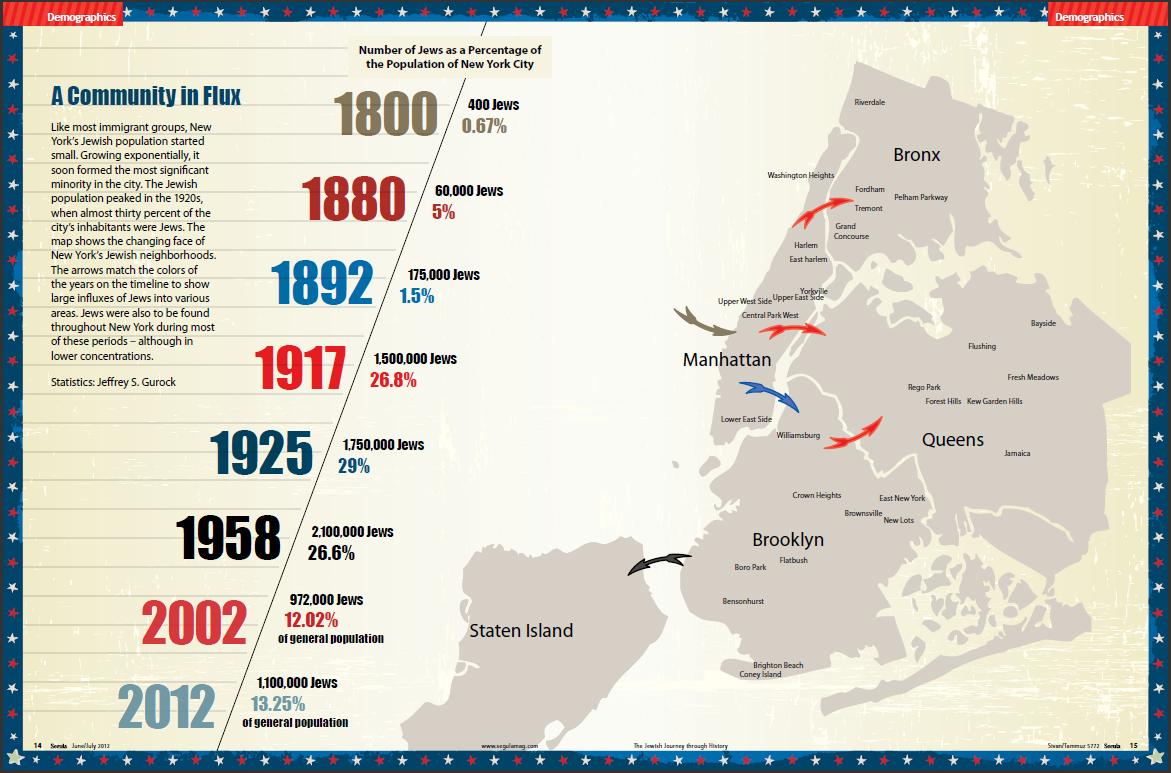
New York City has historically been a primary gateway for Jewish immigrants to the United States, shaping its demographic character for over a century. From the early days of Eastern European immigration to the present, Jewish communities have established deep roots, creating distinct neighborhoods and institutions that continue to thrive. Understanding the sheer number of Jewish individuals residing in the city provides context for the prevalence of synagogues, kosher eateries, Jewish community centers, and cultural organizations that are integral to the urban fabric.
Historical Waves of Immigration and Settlement
The late 19th and early 20th centuries witnessed a massive influx of Jewish immigrants, primarily from Eastern Europe, fleeing pogroms and economic hardship. Many settled in the Lower East Side, creating one of the most densely populated Jewish neighborhoods in the world at the time. This era laid the foundation for a large and enduring Jewish presence in New York City. Subsequent waves of immigration, including those from Europe after the Holocaust and from Israel and other parts of the world more recently, have added to the community’s diversity and size.
Geographical Distribution of Jewish Communities
While Jewish communities can be found throughout all five boroughs, certain areas have historically been and continue to be significant hubs. For instance, parts of Brooklyn, such as Borough Park and Williamsburg, are home to large Orthodox Jewish populations. Queens, particularly Forest Hills and Rego Park, also hosts substantial Jewish communities, often reflecting a more diverse range of religious observance. Manhattan, while more spread out, still has significant Jewish enclaves, particularly on the Upper West Side and in areas like Murray Hill.
Demographic Estimates and Data
Estimating the exact number of Jewish people in New York City is a complex task, as definitions of Jewish identity can vary (religious affiliation, cultural identity, or ancestry) and not all individuals choose to participate in surveys. However, various studies and surveys provide robust estimates. According to a 2011 demographic study by the UJA-Federation of New York, there were approximately 1.5 million Jewish people living in the New York metropolitan area, with a significant majority residing within New York City itself. More recent analyses suggest this number remains consistent or has seen slight growth, placing the figure within New York City likely between 1.2 million and 1.5 million individuals. This makes New York City home to the largest Jewish population of any city in the world outside of Israel.
Experiencing Jewish Culture in New York City as a Traveler
For visitors to New York City, engaging with the city’s Jewish culture can offer a profound and authentic travel experience. This involves exploring historical sites, savoring culinary traditions, and understanding the community’s contributions to the city’s vibrant character.
Culinary Exploration: A Taste of Jewish Heritage
The culinary landscape of New York City is significantly influenced by its Jewish population. From iconic delis serving pastrami on rye and matzah ball soup to bakeries offering rugelach and babka, Jewish food is a cornerstone of the city’s gastronomic identity. Exploring neighborhoods with a strong Jewish presence often leads to discovering authentic establishments.
Iconic Jewish Delicatessens and Eateries
A visit to a classic New York City deli is a quintessential experience. These establishments are more than just places to eat; they are cultural institutions that have served generations. The art of the sandwich, particularly the towering pastrami or corned beef, is perfected here. Beyond sandwiches, one can find a variety of pickled items, potato pancakes, and hearty soups.
Kosher Dining: Diversity and Accessibility
The availability of kosher dining options is extensive, catering to a wide range of tastes and budgets. From high-end restaurants to casual cafes and street food vendors, kosher food is accessible across the city. Travelers interested in kosher dining can find options ranging from traditional Ashkenazi fare to Israeli, Middle Eastern, and even Asian fusion cuisines. Neighborhoods with large Jewish populations will naturally have a higher concentration of these establishments.
Sweet Treats and Baked Goods
No exploration of Jewish culinary traditions would be complete without sampling the baked goods. Rugelach, a rolled pastry often filled with nuts, chocolate, or jam, and babka, a sweet braided bread cake, are particularly popular. These treats can be found in dedicated bakeries and often in delis as well.
Cultural Immersion: Synagogues, Museums, and Community Centers
The Jewish community’s rich history and vibrant present are reflected in its numerous cultural institutions, many of which are open to visitors. These sites offer opportunities for learning, reflection, and deeper understanding.
Exploring Synagogues and Religious Sites
New York City is home to hundreds of synagogues, representing a spectrum of Jewish denominations and architectural styles. While some are private places of worship, many welcome visitors for services, tours, or cultural events. Visiting a historic synagogue can offer insights into the community’s past and present. Notable examples include the Eldridge Street Synagogue on the Lower East Side, a stunning example of Moorish Revival architecture, and Temple Emanu-El, one of the largest Reform synagogues in the world, located on Fifth Avenue.
Museums Dedicated to Jewish History and Culture
Several museums in New York City are dedicated to preserving and showcasing Jewish history, art, and culture. The Museum of Jewish Heritage – A Living Memorial to the Holocaust offers a poignant and comprehensive look at Jewish life in Europe and the Holocaust. The Tenement Museum, while not exclusively Jewish, offers invaluable insights into the lives of Jewish immigrants who lived in its historic apartments. Smaller, specialized institutions and galleries also contribute to the rich cultural landscape.
Community Centers and Cultural Events
New York City’s Jewish community centers often serve as hubs for cultural activities, lectures, and performances. Many of these events are open to the public and provide opportunities to engage with contemporary Jewish culture. Keeping an eye on local event listings for festivals, concerts, and exhibitions can reveal a wealth of engaging experiences.
Understanding Neighborhoods with Strong Jewish Demographics
For travelers seeking to immerse themselves in areas with a strong Jewish presence, certain neighborhoods offer a unique glimpse into community life. These areas are characterized by their synagogues, kosher businesses, and the daily rhythms of observant Jewish families.
Brooklyn’s Vibrant Enclaves
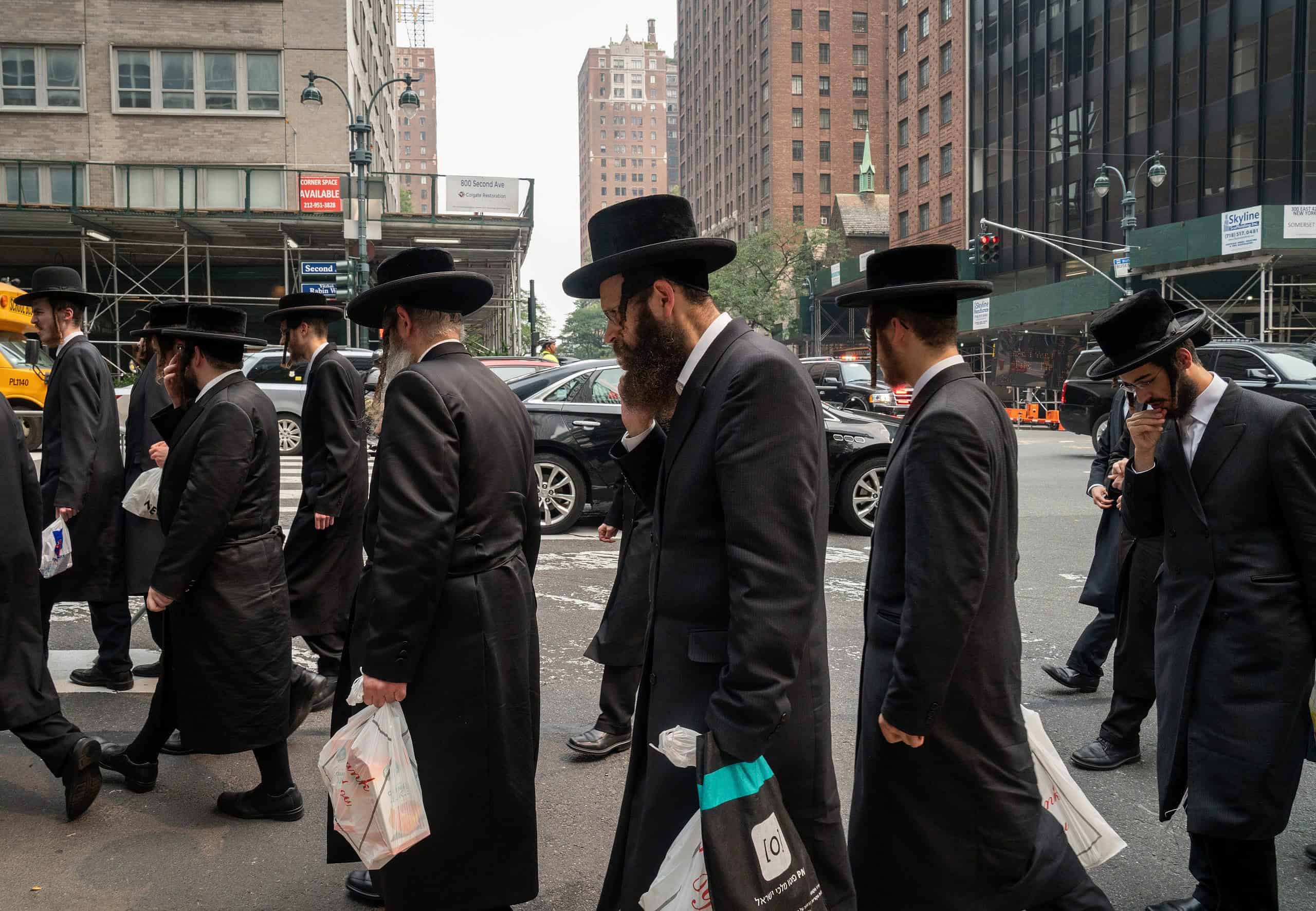
Brooklyn, particularly neighborhoods like Borough Park, Williamsburg, and Kensington, is home to some of the largest and most visible Orthodox Jewish communities in New York City. Visitors can observe distinct modes of dress, observe community interactions, and find a plethora of kosher bakeries, restaurants, and specialty shops. Flatbush also has a significant Sephardic Jewish population.
Queens’ Diverse Jewish Presence
Queens offers a more diverse Jewish demographic. Areas like Forest Hills, Rego Park, and parts of Flushing are home to a mix of religious and secular Jews, including significant Bukharian and Russian-speaking Jewish communities. This diversity is reflected in the range of culinary options and cultural institutions found here.
Manhattan’s Historic and Modern Jewish Quarters
While less concentrated than in Brooklyn, Jewish life in Manhattan is significant and historically important. The Lower East Side, with its legacy of immigration, remains a key area to explore Jewish history, particularly through the Tenement Museum and the Museum of Jewish Heritage. The Upper West Side has long been a center for more assimilated Jewish life, with numerous synagogues and Jewish cultural organizations.
The Impact of Jewish Culture on the Fabric of New York City
Beyond mere numbers, the Jewish community has indelibly shaped New York City’s identity. From its cultural output to its political engagement and contributions to various professions, Jewish influence is pervasive.
Contributions to Arts, Literature, and Entertainment
New York City has been a fertile ground for Jewish artists, writers, actors, and musicians. The city’s vibrant arts scene has been enriched by countless individuals whose Jewish heritage has informed their work, whether directly or indirectly. From Broadway to Hollywood (with many professionals based in the city), and from literary salons to independent film, the impact is profound.
Role in Philanthropy and Social Services
The Jewish community has a strong tradition of philanthropy and social justice. Numerous Jewish organizations in New York City are dedicated to providing social services, supporting education, and addressing community needs, both within the Jewish community and for the broader population.
Influence on Urban Development and Commerce
Jewish immigrants and their descendants have played a significant role in the development of New York City’s commerce and urban landscape. From small businesses to major industries, their entrepreneurial spirit has been a driving force. Neighborhoods have been shaped by their presence, and their contributions to sectors like garment manufacturing, finance, and retail are well-documented.
Planning Your Visit with an Awareness of Jewish Life
For travelers seeking a richer, more nuanced understanding of New York City, acknowledging and exploring the Jewish community’s presence can be a rewarding aspect of their itinerary.
Respectful Engagement with Religious Communities
When visiting neighborhoods with a strong observant Jewish population, it is important to be respectful of local customs and dress codes, particularly on Sabbath and during Jewish holidays. Observing quiet during prayer times and being mindful of public transportation and business closures on Sabbath demonstrates cultural sensitivity.

Utilizing Resources for Exploration
Numerous online resources, guidebooks, and local organizations can help travelers plan their exploration of Jewish culture in New York City. Focusing on specific neighborhoods or cultural institutions can provide a structured yet flexible approach to experiencing this vital aspect of the city.
In conclusion, the Jewish population of New York City, numbering well over a million individuals, is a cornerstone of its identity. For travelers, understanding this demographic reality opens doors to unique culinary experiences, rich historical insights, and a deeper appreciation of the diverse cultural mosaic that makes New York City such an extraordinary destination.
LifeOutOfTheBox is a participant in the Amazon Services LLC Associates Program, an affiliate advertising program designed to provide a means for sites to earn advertising fees by advertising and linking to Amazon.com. Amazon, the Amazon logo, AmazonSupply, and the AmazonSupply logo are trademarks of Amazon.com, Inc. or its affiliates. As an Amazon Associate we earn affiliate commissions from qualifying purchases.