
The question “How many miles is it to New York?” is deceptively simple, yet it unlocks a universe of travel considerations. It’s a query that transcends mere distance, delving into the practicalities, the potential experiences, and the very essence of planning a journey to one of the world’s most iconic metropolises. For the intrepid traveler, the distance is not a deterrent but a canvas upon which to paint an adventure. Whether you’re contemplating a cross-country road trip, a transatlantic flight, or a short hop from a neighboring state, understanding this distance is the first step in crafting your perfect New York City sojourn.
Understanding the Distances: A Geographic Perspective
The actual mileage to New York City is entirely dependent on your starting point. This geographical truth forms the bedrock of any travel plan. From the West Coast of the United States, the distance can stretch to over 2,800 miles, a journey that often necessitates multiple days of travel by car and potentially a flight to expedite arrival. Driving this distance is a quintessential American road trip, offering a chance to witness the vast diversity of the nation’s landscapes, from the deserts of Arizona to the rolling plains of the Midwest and the Appalachian Mountains.
From closer locales, the mileage shrinks considerably. A drive from Chicago, for instance, is approximately 800 miles, a feasible undertaking over a long weekend or a few days of dedicated driving. For those in the Northeast, the distance can be a mere few hundred miles or even less, making New York City an accessible weekend getaway. Boston, for example, is roughly 215 miles away, a comfortable drive or train ride. From Washington D.C., the distance is around 230 miles, another popular route for commuters and weekenders.
Internationally, the distances are even more significant. Traveling from London, the United Kingdom, across the Atlantic Ocean involves a flight of approximately 3,450 miles, typically taking around 7 to 8 hours. From Paris, France, the distance is about 3,625 miles, with similar flight times. These intercontinental journeys underscore the transformative nature of travel, shrinking vast oceans and continents to connect people with distant dreams and destinations.
Road Trip Realities: Miles and More
Embarking on a road trip to New York City is an experience rich with possibilities. The mileage dictates not just the time spent driving but also the necessary preparations.
Planning Your Route
A critical aspect of any road trip is route planning. Utilizing mapping services like Google Maps or Waze allows you to estimate mileage, identify major highways, and predict travel times, accounting for traffic and potential road construction. These tools also offer insights into points of interest along the way, from national parks to quirky roadside attractions.
Overnight Stops and Accommodations
For longer journeys, planning overnight stops is paramount. The number of stops will directly correlate with the total mileage. A 3,000-mile trip might necessitate 4-5 days of driving, requiring 3-4 overnight stays. This planning extends to booking accommodations. Travelers might opt for budget-friendly motels, charming roadside inns, or even consider short-term apartment rentals in cities along the route for a more local feel. Websites like Booking.com or Expedia can be invaluable for securing lodging in advance, especially during peak travel seasons.
Vehicle Maintenance and Essentials
Before setting off on a long drive, ensuring your vehicle is in top condition is essential. This includes checking tire pressure, oil levels, brakes, and coolant. Packing an emergency kit with jumper cables, a first-aid kit, and basic tools can provide peace of mind. Snacks, water, and entertainment for the journey are also crucial for comfort and enjoyment, especially when covering thousands of miles.
Air Travel: Bridging the Miles Swiftly
For those seeking to minimize travel time, air travel is the most efficient method for crossing significant distances to New York City. The mileage here translates directly into flight duration, influenced by factors like wind speed, aircraft type, and direct versus connecting flights.

Major Airports Serving New York City
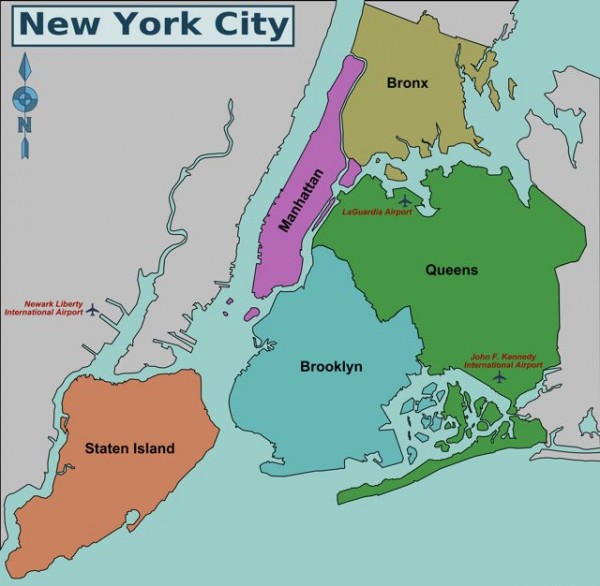
New York City is served by three major international airports: John F. Kennedy International Airport (JFK), LaGuardia Airport (LGA), and Newark Liberty International Airport (EWR). Each airport offers a gateway to the city, with varying accessibility and flight options depending on your origin. Flights from Los Angeles International Airport (LAX), for instance, are typically direct and take around 5-6 hours. From Europe, direct flights to these airports usually range from 7 to 10 hours.
Booking Flights and Navigating Airports
Booking flights in advance can often lead to better fares, especially when using flight comparison websites like Skyscanner or directly with airlines such as Delta Air Lines, American Airlines, or United Airlines. Navigating these large airports requires some planning, including understanding check-in procedures, security screening times, and the location of your departure gate. Many airlines provide apps and online resources to assist with this process.
Ground Transportation from Airports
Upon arrival, travelers need to consider ground transportation to their final destination in New York City. Options range from taxis and ride-sharing services like Uber and Lyft to public transportation such as the AirTrain connecting to subway lines, or express buses. The cost and time involved in these transfers are also a factor when considering the overall journey from your starting point.
Planning Your Journey: Beyond the Miles
While the mileage is a fundamental metric, the “how many miles” question is truly an invitation to explore the myriad ways to reach New York City and the experiences that come with each method. The choice of transportation profoundly impacts the overall travel narrative.
Considering Travel Time and Budget
The distance directly influences travel time, which in turn affects budget. A long road trip, while potentially cheaper per person than flying for a group, requires significant investment in fuel, accommodation, and food over several days. Conversely, flights can be costly, especially when booked last minute, but they save valuable vacation time. Understanding your personal priorities—whether it’s maximizing time in the city or enjoying the journey itself—will guide your decision. For example, a student on a budget might opt for a long bus journey, such as Greyhound, which can cover vast distances but takes considerably longer than flying.
The Experience of the Journey
The journey to New York City can be as memorable as the destination itself. A road trip offers the freedom to explore national parks like Yellowstone or cities like Denver en route. A train journey, such as those offered by Amtrak, provides scenic views and the opportunity to relax and observe the changing landscapes, a stark contrast to the efficiency of air travel. Each mode of transport offers a unique perspective on the vastness and diversity of the United States or the world.
Environmental Impact and Sustainable Travel
In an era of increasing environmental awareness, travelers may also consider the carbon footprint associated with their journey. Flying has a significant environmental impact, while driving can be more efficient for groups. Train travel is often considered a more sustainable option for covering long distances. Researching eco-friendly travel alternatives or offsetting carbon emissions can be part of a conscious travel decision.

Reaching the Big Apple: A Spectrum of Possibilities
Ultimately, the question of “how many miles is it to New York?” is a gateway to a world of planning, exploration, and anticipation. The answer is not a single number, but a range that encompasses the vast distances of the globe and the diverse methods by which we bridge them. Whether you’re charting a course across continents or a few states, understanding these distances is the first step in unlocking your unforgettable New York City adventure. From the iconic skyscrapers of Manhattan to the vibrant neighborhoods of Brooklyn, the journey, in all its miles and forms, leads to a city that promises endless discovery.
LifeOutOfTheBox is a participant in the Amazon Services LLC Associates Program, an affiliate advertising program designed to provide a means for sites to earn advertising fees by advertising and linking to Amazon.com. Amazon, the Amazon logo, AmazonSupply, and the AmazonSupply logo are trademarks of Amazon.com, Inc. or its affiliates. As an Amazon Associate we earn affiliate commissions from qualifying purchases.