
Navigating the vibrant and sprawling metropolis of New York City can be an exhilarating experience, a sensory overload of sights, sounds, and unforgettable encounters. For many visitors, understanding the city’s grid system is key to orienting themselves and making the most of their urban adventure. A common question that arises, particularly for those accustomed to more conventional road layouts, is just how many New York City blocks constitute a mile. This seemingly simple query unlocks a deeper appreciation for the city’s planning, its historical evolution, and the practicalities of exploring its diverse neighborhoods. The answer, while not a single, immutable number, offers a valuable insight into the distinct urban fabric of the Big Apple.

Deconstructing the Grid: Manhattan’s Avenues and Streets
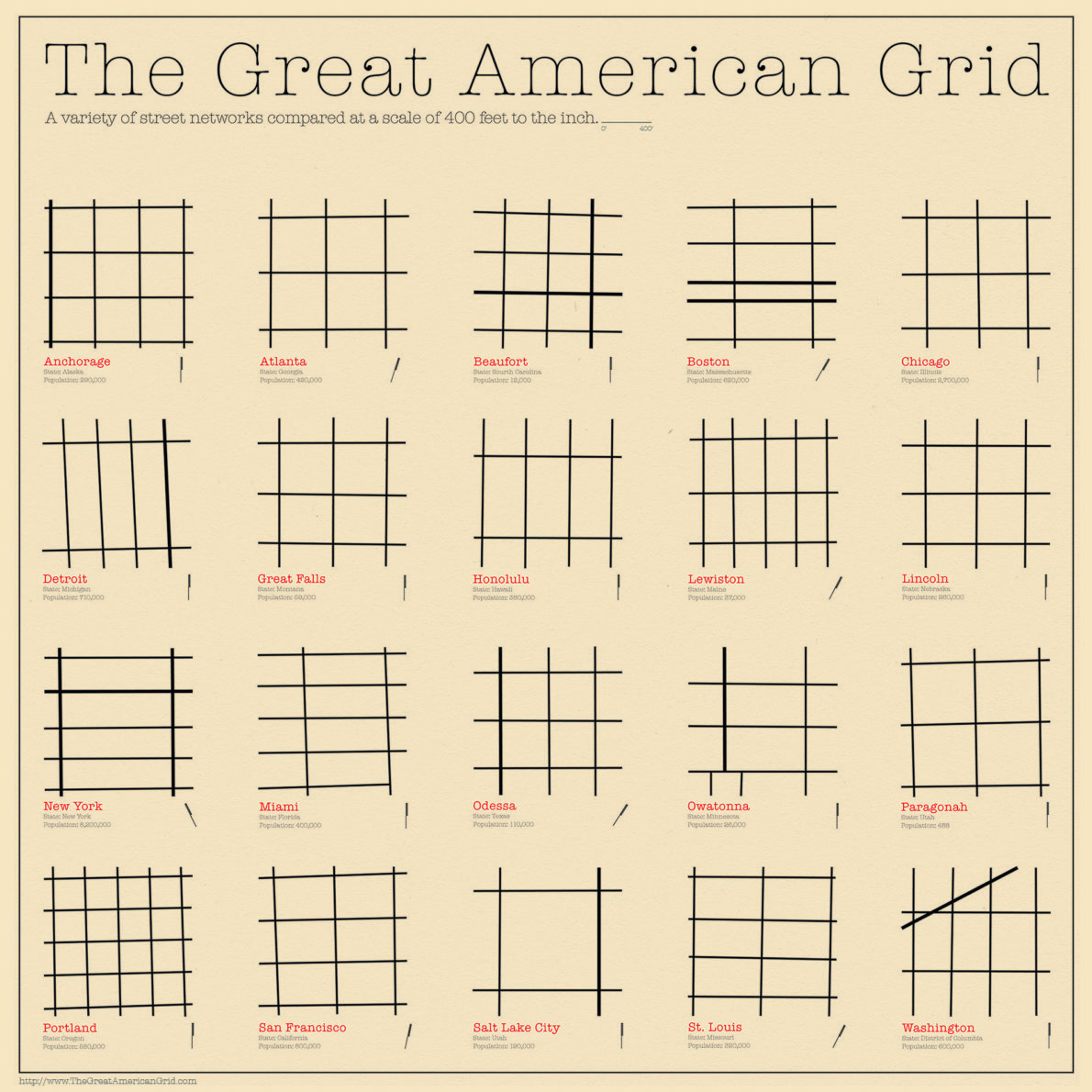
The iconic grid system of New York City, particularly prominent in Manhattan, is a testament to the city’s ambitious urban planning. Implemented by the Commissioners’ Plan of 1811, this grid laid the groundwork for the city’s expansion, creating a rational and systematic layout that has shaped its development for over two centuries. The system primarily consists of north-south avenues and east-west streets, forming uniform blocks that facilitate navigation.
The East-West Dimension: Street Blocks
When considering the question of blocks to a mile, the east-west dimension of Manhattan is the more consistent and direct measure. A typical street block in Manhattan, running from one avenue to the next, is generally understood to be approximately 200 feet (about 60 meters) in length. To cover a mile, which is 5,280 feet, one would theoretically need to traverse approximately 26.4 street blocks (5,280 feet / 200 feet per block).
However, this is a generalization, and several factors can influence the actual number of street blocks within a mile:
- Variations in Block Length: While 200 feet is a good average, actual block lengths can vary. Some blocks, particularly in older or more historically significant areas, might be shorter or longer due to original property lines, architectural features, or later modifications.
- Intersections and Crosswalks: The measurement of a mile typically refers to the distance traveled. The presence of intersections, pedestrian islands, and crosswalks, while necessary for urban life, can slightly alter the perceived distance between the start and end of a block.
- Specific Neighborhoods: While the grid is largely consistent, the character and layout of blocks can subtly shift between neighborhoods. For instance, areas experiencing significant redevelopment or those with unique historical footprints might deviate from the standard.
Therefore, a more practical estimation for navigating New York City is to consider that approximately 20 to 25 street blocks will cover one mile when traveling east-west. This provides a useful mental benchmark for planning walks and understanding distances across the island.
The North-South Dimension: Avenue Blocks
The north-south dimension, defined by the avenues, presents a different picture. Avenue blocks in Manhattan are considerably longer than street blocks. This is because the avenues themselves are spaced much farther apart than the streets. On average, an avenue block can span between 800 to 900 feet (approximately 240 to 275 meters).
Consequently, covering a mile (5,280 feet) traveling north-south requires significantly fewer avenue blocks. Dividing 5,280 feet by an average of 850 feet per avenue block yields approximately 6.2 avenue blocks.
Again, it’s important to acknowledge variations:
- Spacing of Avenues: The distance between avenues is not perfectly uniform. Some avenues are closer together, while others are farther apart, especially as one moves further uptown or downtown.
- Major Arterials and Cross Streets: Wider avenues, or those that incorporate major traffic arteries and numerous cross streets, might feel longer and encompass more ground than a simple block count suggests.
- The “Avenue” Concept: In some parts of Manhattan, what is considered an “avenue” might have a different character or spacing than in others. For instance, the famed Fifth Avenue, with its iconic landmarks and retail establishments, might have a different “feel” to its blocks than a less trafficked avenue further west.
As a general rule of thumb for north-south travel in Manhattan, one can estimate that 6 to 7 avenue blocks will approximate one mile. This stark difference between east-west and north-south block lengths is a defining characteristic of the city’s urban design.
Beyond Manhattan: Diverse Urban Landscapes
While the grid system and the block-to-mile ratio are most strongly associated with Manhattan, it’s crucial to remember that New York City is comprised of five distinct boroughs, each with its own unique character and urban planning history. Exploring these other boroughs reveals a more varied and sometimes less predictable approach to street layout.
Brooklyn’s Eclectic Grids and Organic Growth
Brooklyn, the city’s most populous borough, presents a patchwork of urban planning styles. While some areas, particularly in Downtown Brooklyn and further south, feature a grid system, it is often less rigid and more varied than Manhattan’s. Many neighborhoods in Brooklyn developed organically, with streets following natural topography or historical property lines, leading to a more winding and less predictable streetscape.
In these less grid-aligned areas of Brooklyn, determining a precise “blocks to a mile” ratio becomes challenging. The concept of a uniform block dissolves, replaced by streets of varying lengths and configurations. Navigating these areas often relies more on landmarks and street names than on a systematic block count.
Queens, The Bronx, and Staten Island: A Tapestry of Designs
The other boroughs of New York City further diversify the urban tapestry.
- Queens: As the largest borough by land area, Queens is a vast mosaic of communities, each with its own history of development. You’ll find pockets of grid-like planning, particularly in areas that were developed more recently or with a deliberate urban design. However, large sections of Queens exhibit more irregular street patterns, influenced by the landscape and earlier settlement patterns.
- The Bronx: Similar to Queens, The Bronx features a mix of planned grids and more organic street formations. The southern parts of The Bronx tend to be more densely urbanized with some structured layouts, while other areas, particularly those closer to natural waterways or parklands like Pelham Bay Park, might have less defined block structures.
- Staten Island: Known for its more suburban feel and abundant green spaces, Staten Island generally deviates significantly from the grid system. Its roads often follow the contours of the land, and the concept of a consistent “block” is less applicable here.
In these boroughs, understanding distances often relies on mile markers on major roads, familiar landmarks, or reliable navigation apps rather than a simple block count. The essence of exploring these areas lies in embracing their unique, often less predictable, urban character.
Practical Applications for the Traveler
For the discerning traveler exploring New York City, understanding the block-to-mile ratio offers practical advantages that can enhance the overall experience. Whether you are aiming to walk from your hotel to a renowned attraction or simply want to gauge the distance to your next culinary adventure, this knowledge proves invaluable.
Efficient Navigation and Planning
- Walking Distances: Knowing that roughly 20-25 street blocks equal a mile in Manhattan allows for more accurate estimations of walking times. If a museum is 10 blocks away, you can confidently budget around 20-25 minutes for the walk, assuming a moderate pace and accounting for pedestrian traffic.
- Public Transportation: This understanding also aids in determining when walking might be a more appealing or efficient option than a short subway ride or bus trip. For instance, if your destination is only 15 blocks away, a brisk walk might save you the time of navigating subway stations and waiting for trains, especially during peak hours.
- Exploring Neighborhoods: When venturing into less familiar areas, having this mental map can prevent overestimating or underestimating distances, leading to more enjoyable explorations without unnecessary fatigue.
Appreciating the Urban Fabric
Beyond the practical, understanding the block system offers a window into the city’s historical development and its deliberate design. The Commissioners’ Plan of 1811, while seemingly abstract, fundamentally shaped the experience of walking through Manhattan. The regularity, the vistas down long avenues, and the constant sense of order are all products of this foundational plan.
Conversely, the organic growth and varied layouts in other boroughs highlight different historical narratives and planning philosophies. The charm of wandering through a neighborhood in Brooklyn with winding streets, or exploring the more spread-out residential areas of Staten Island, is in embracing this diversity.

Beyond the Numbers: The Human Element
While the numbers provide a framework, the true essence of New York City lies in its human element. Each block, whether it’s a bustling stretch of Times Square or a quiet residential street in Greenwich Village, is alive with activity, culture, and stories. The journey between points is often as enriching as the destination itself.
So, the next time you find yourself in New York City, armed with the knowledge that a mile translates to roughly 20-25 street blocks in Manhattan and about 6-7 avenue blocks, you can navigate with a greater sense of confidence and a deeper appreciation for the intricate urban design that makes this city so unique. Remember to look around, soak in the atmosphere, and enjoy the adventure that unfolds with every step.
LifeOutOfTheBox is a participant in the Amazon Services LLC Associates Program, an affiliate advertising program designed to provide a means for sites to earn advertising fees by advertising and linking to Amazon.com. Amazon, the Amazon logo, AmazonSupply, and the AmazonSupply logo are trademarks of Amazon.com, Inc. or its affiliates. As an Amazon Associate we earn affiliate commissions from qualifying purchases.