
Understanding Term Limits in the Big Apple
The question of how many terms the Mayor of New York can serve is a fundamental aspect of understanding the city’s governance and the accountability of its chief executive. Unlike some elected positions that may have different rules, the Mayor of New York City is subject to specific term limits designed to promote fresh leadership and prevent the concentration of power. This system is not static and has evolved over time, reflecting the democratic ideals and practical considerations of a major global metropolis. Examining these limits provides insight into the city’s political landscape and the mechanisms in place to ensure regular transitions in leadership.
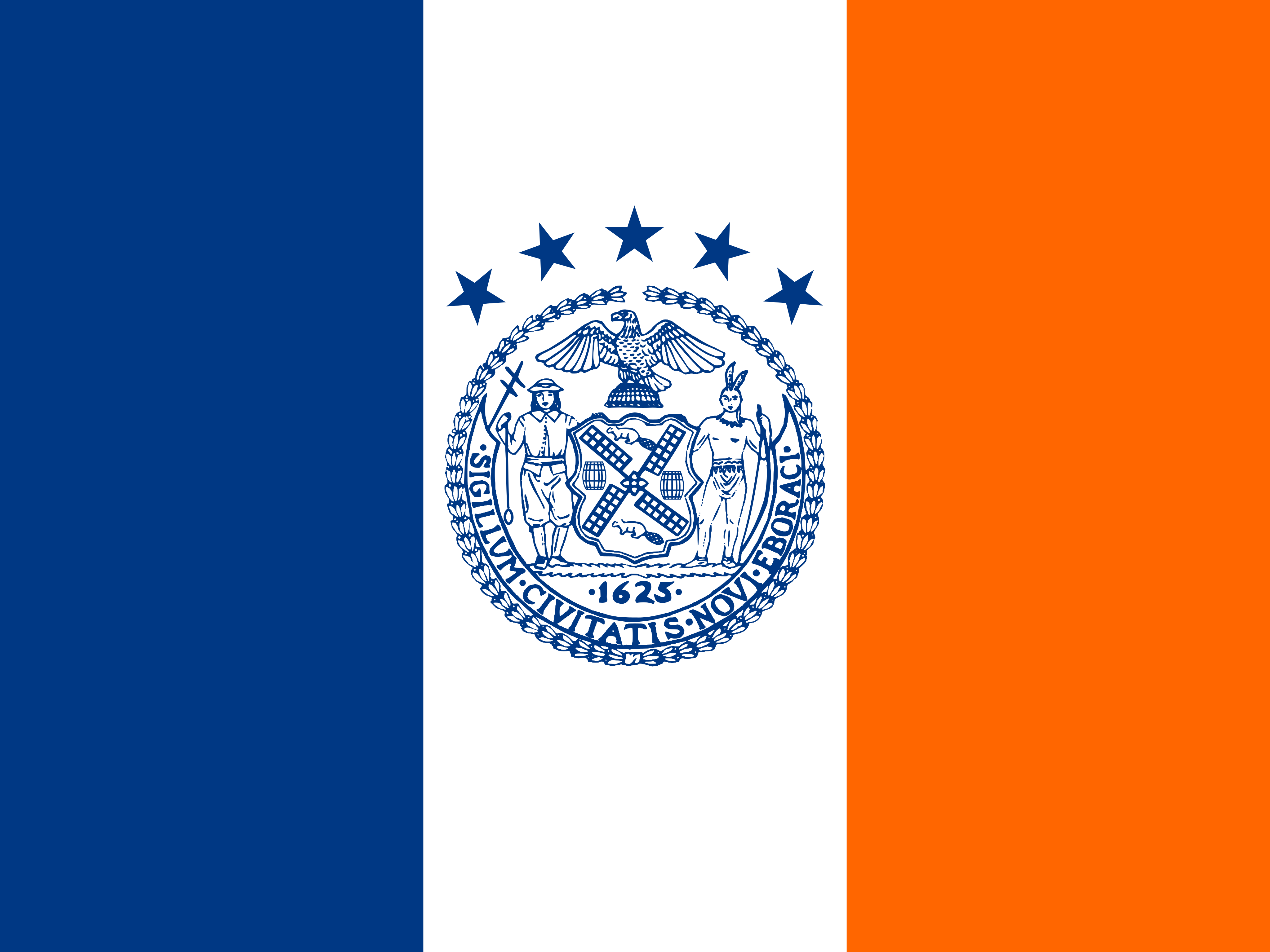
The current framework for mayoral term limits in New York City is a product of significant public debate and legislative action. Understanding these limits requires looking at both the established laws and any historical precedents or changes that have shaped them. For residents and visitors alike, comprehending these regulations is key to appreciating the dynamics of the city’s political structure. It speaks to the broader theme of civic engagement and the ongoing effort to balance experienced leadership with the need for new perspectives in public office.
The Evolution of Mayoral Term Limits
The concept of term limits for elected officials is a relatively modern addition to many governmental structures. In the context of the Mayor of New York, the journey to the current limitations has been marked by key moments in the city’s history.
Early Precedents and the Absence of Strict Limits
For much of its early history, the office of the Mayor of New York did not have explicit, legally mandated term limits. This meant that a mayor could, in theory, serve an indefinite number of terms, provided they were re-elected by the public. This period saw some mayors serve for extended durations, shaping the city’s development over many years. However, this lack of a formal cap also raised concerns about potential entrenchment and the challenges of fostering new leadership.
The Introduction of Term Limits
The push for formal term limits gained momentum in the late 20th century, reflecting a national trend towards restricting the tenure of elected officials. In New York City, this movement culminated in the establishment of a system that aimed to provide a balance between allowing experienced leaders to serve and ensuring regular opportunities for new candidates to emerge. The initial implementation of these limits was a significant shift in the city’s political governance.
The 2008 Referendum and its Impact
A pivotal moment in the history of mayoral term limits in New York City occurred in 2008. Through a ballot referendum, voters approved extending the term limits for the mayor and other citywide elected officials. This change allowed individuals elected after 2001 to serve up to three terms, an increase from the previous two-term limit. This decision had a direct impact on subsequent mayoral elections and the potential longevity of individual administrations. It was a reflection of the electorate’s desire to balance continuity with the principle of regular turnover.
Current Term Limit Regulations for the Mayor of New York
The current regulations governing the number of terms a Mayor of New York can serve are clear and have been in effect since the 2008 referendum. These rules are designed to provide a structured framework for leadership transitions.
The Two-Term Standard and its Nuances
Under the current system, the standard limit for a mayor is two consecutive terms. Each term is four years in length. This means that a mayor can serve a maximum of eight consecutive years in office. However, the 2008 referendum introduced a significant nuance to this standard.
The “Three-Term Option” Post-2008
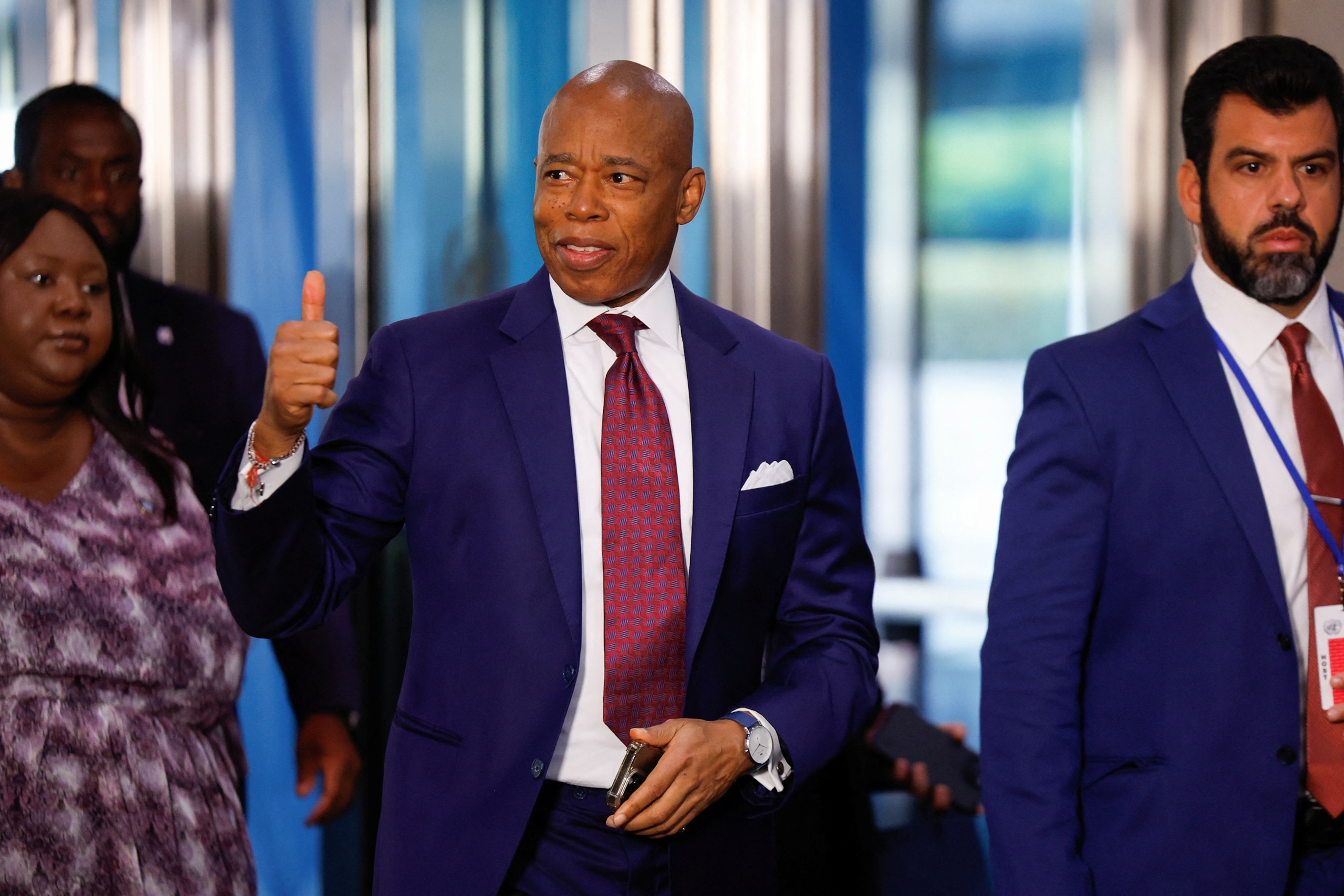
For individuals elected to the office of Mayor of New York in 2009 or later, the possibility of serving a third term exists, but with a crucial caveat. The system allows for a total of three terms, but this is structured as two consecutive terms followed by an optional third term. Critically, after serving two consecutive terms, an individual must sit out at least one full term before they are eligible to run again for the office of mayor. If they choose to run for and serve a third term, they would then be ineligible to run for mayor again for at least one subsequent term. This provision ensures that even with the possibility of a third term, there is still an enforced break in service, preventing indefinite tenures.
Understanding Consecutive vs. Non-Consecutive Terms
It is vital to distinguish between consecutive and non-consecutive terms when discussing the limits. A mayor can serve two consecutive four-year terms, totaling eight years. If they then choose to run for and win a third term, it would not be consecutive to the first two; they would have to have taken a break from the office for at least one four-year term. This “cooling-off” period is a key feature of the current regulations.
Eligibility for Re-election After a Break
The rules are designed to allow for a return to office after a period of absence. If a mayor has served two consecutive terms and then steps down, they are eligible to run again for mayor in a subsequent election after a minimum of one full term has passed. This allows for experienced leadership to potentially return to the helm if the electorate deems it appropriate. However, once a mayor has served a third term (whether consecutive or after a break), they are then barred from running for mayor again for at least one full term, reinforcing the principle of leadership rotation.
Implications for New York City Governance and Politics
The term limits placed on the Mayor of New York have profound implications for the city’s governance, political landscape, and the development of public policy. These regulations shape electoral strategies, influence policy-making, and impact the overall trajectory of the city.
Fostering New Leadership and Preventing Entrenchment
One of the primary arguments for term limits is their role in fostering new leadership. By imposing a cap on the number of terms an individual can serve, these limits create regular opportunities for new candidates to emerge and gain prominence. This can lead to fresh perspectives, innovative policy proposals, and a more dynamic political environment. Conversely, without term limits, there is a risk of “entrenchment,” where long-serving incumbents may become disconnected from the needs of their constituents or less responsive to change. Term limits help to mitigate this risk by ensuring a regular influx of new ideas and energy into the mayor’s office.
Impact on Policy-Making and Long-Term Planning
The existence of term limits can also influence the way mayors approach policy-making. Knowing that their tenure is finite, mayors may be more inclined to pursue ambitious, long-term projects that may not come to fruition within a single term. However, there is also a potential downside: a focus on legacy projects or initiatives that can be completed and claimed within their limited time in office, sometimes at the expense of more complex, generational challenges. This can lead to a short-term focus in governance, as mayors aim to leave their mark before their time is up. Conversely, the prospect of serving multiple terms, especially if a third term is a possibility, might encourage more strategic, long-term planning.
Shaping Electoral Dynamics and Candidate Strategies
Term limits significantly shape electoral dynamics. They create a more open playing field for aspiring candidates, as incumbents are eventually removed from the equation. This encourages more individuals to run for office, leading to more competitive elections. For candidates challenging an incumbent mayor, term limits can offer a clearer path to victory, as they do not have to overcome the inertia and established networks of a long-serving officeholder. The possibility of a mayor serving up to three terms (with a break) also influences electoral strategies, as potential successors must strategize around the incumbent’s potential re-election bids and the timeline for their eligibility.
The Public’s Role and the Future of Term Limits
The power to set and adjust term limits ultimately rests with the public, through the democratic process of referendums and legislative action. The history of term limits for the Mayor of New York demonstrates that these rules are not immutable but can be shaped by the will of the electorate.
Voter Referendums and Legislative Changes
As seen with the 2008 referendum, voters in New York City have the direct authority to amend term limit laws. This process allows citizens to express their preferences on the ideal duration for public service. Any future adjustments to the current term limits would likely require a similar public mandate, ensuring that changes reflect the broader sentiment of the city’s residents rather than being driven by narrow political interests. Legislative bodies also play a role in proposing and enacting such changes, which are then often subject to voter approval.

Ongoing Debate and Civic Engagement
The debate surrounding term limits is perennial in democratic societies. Proponents argue for their necessity in ensuring accountability and preventing the concentration of power, while opponents often contend that they disenfranchise voters by limiting their choice of experienced leaders. For New York City, understanding the current rules is a matter of civic literacy. Engaging in discussions about the efficacy and fairness of these limits is a crucial aspect of informed citizenship, contributing to the ongoing dialogue about the best way to govern this complex and dynamic urban center. The public’s continued engagement ensures that the governance of New York City remains responsive to the evolving needs and values of its residents.
LifeOutOfTheBox is a participant in the Amazon Services LLC Associates Program, an affiliate advertising program designed to provide a means for sites to earn advertising fees by advertising and linking to Amazon.com. Amazon, the Amazon logo, AmazonSupply, and the AmazonSupply logo are trademarks of Amazon.com, Inc. or its affiliates. As an Amazon Associate we earn affiliate commissions from qualifying purchases.