
Navigating the bustling metropolis of New York City is an experience unlike any other, and at its heart lies the iconic New York Subway. This labyrinthine underground network is the lifeblood of the city, transporting millions of residents and visitors daily. For any traveler planning an adventure in the Big Apple, understanding the cost of subway tickets is a crucial step in budgeting and maximizing their exploration. This guide delves into the intricacies of New York Subway fares, ticket options, and strategies for economical travel, ensuring your journey through the city is both seamless and affordable.
Understanding the Fare Structure
The New York Subway operates on a simple, flat fare system for most journeys. This means that regardless of how far you travel on a single ride, the base cost remains the same. This uniformity simplifies planning for tourists who might otherwise be concerned about complex zone-based pricing common in other transit systems.
The Base Fare
As of the latest updates, a single ride on the New York Subway costs a set amount. This fare typically includes one free transfer between subway lines or between a subway and an eligible MTA Bus route within a two-hour window. This transfer policy is a significant benefit, allowing for more comprehensive travel within the city without incurring additional costs for connections.
Payment Methods
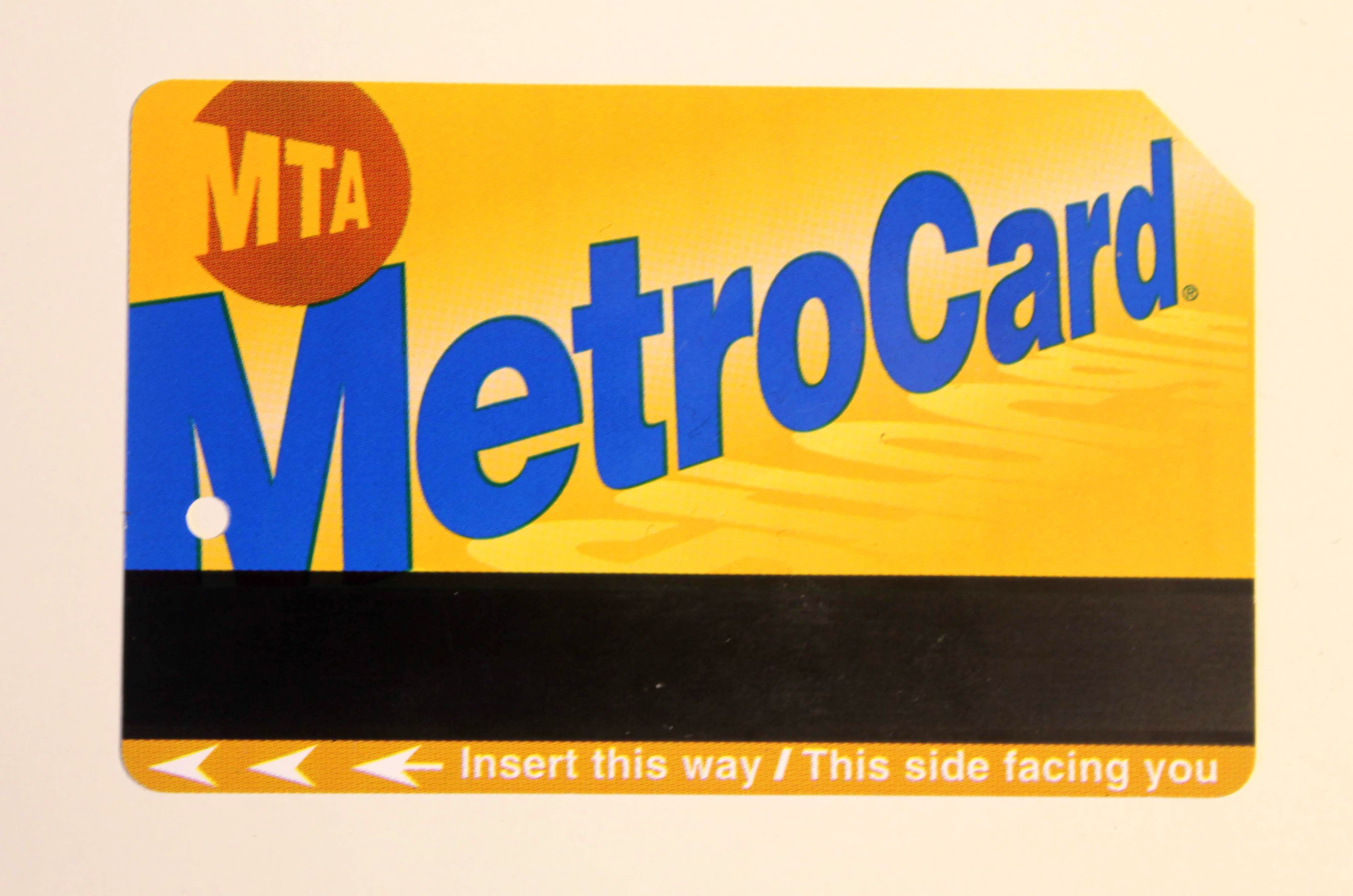
Historically, subway tickets were physical tokens or MetroCards. While the MetroCard system is still operational, New York City has been transitioning towards a more modern payment system.
OMNY: Contactless Payment
OMNY (One Metro New York) is the current contactless fare payment system. It allows riders to tap their contactless credit or debit card, or a smart device with a digital wallet like Apple Pay or Google Pay, directly on the OMNY reader at the turnstile. This offers unparalleled convenience, eliminating the need to purchase or reload a physical card.
The fare charged via OMNY is the same as the base fare for a single ride. An advantage of using OMNY is its “fare capping” feature. If you use the same contactless payment method to tap in seven times within a 7-day period (from Monday to Sunday), you will automatically reach the equivalent of a 7-day unlimited pass, and subsequent rides within that week will be free. This is a fantastic benefit for visitors planning to use the subway extensively during their stay.
MetroCard
The traditional MetroCard is still available for purchase and use. These plastic cards can be bought at vending machines located in most subway stations. You can load them with “Pay-Per-Ride” value or opt for unlimited ride passes.
- Pay-Per-Ride MetroCard: This functions similarly to tapping a contactless card with OMNY, where each ride deducts from the card’s balance. There’s a small bonus added when you refill a Pay-Per-Ride card with a certain amount, effectively giving you a little extra value for free.
- Unlimited Ride MetroCards: These offer a fixed cost for unlimited travel over a set period. The most common options are the 7-day unlimited and the 30-day unlimited passes. These are particularly cost-effective for visitors staying for a week or longer and planning to use public transport frequently.
Vending machines accept cash and credit/debit cards. You can also purchase and refill MetroCards at station booths where available.
Ticket Options and Pricing for Different Needs
Choosing the right ticket option depends heavily on the duration of your stay in New York City and how frequently you plan to utilize the New York Subway system.
Single Ride (Pay-Per-Ride)
For visitors who anticipate only a few subway trips during their visit, purchasing single rides is the most economical approach.
- OMNY: Simply tap your contactless card or device at the OMNY reader. The cost is the standard base fare per ride. The fare capping ensures you won’t overspend if you happen to take more rides than anticipated within a week.
- MetroCard: You can load a Pay-Per-Ride MetroCard with any amount. Each swipe deducts the base fare. A small bonus is often applied when you add $5.50 or more to a Pay-Per-Ride card, providing a slight discount per ride.
Unlimited Ride Passes
If you plan on exploring multiple neighborhoods, visiting various attractions, or simply want the freedom to hop on and off the subway without constantly worrying about fares, an unlimited pass is ideal.
7-Day Unlimited Ride MetroCard
- Cost: The price of a 7-Day Unlimited Ride MetroCard is a fixed sum. This pass allows for unlimited travel on the subway and MTA Bus system for seven consecutive days, starting from the first time you use it.
- Best For: Tourists staying for a week or more, those who plan on visiting attractions spread across different boroughs like Manhattan, Brooklyn, or Queens, or individuals who prefer the convenience of not needing to track individual fares. This pass also covers rides on the Staten Island Railway.
30-Day Unlimited Ride MetroCard

- Cost: This pass offers unlimited travel for a month at a higher upfront cost than the 7-day pass but is more economical if your stay exceeds two weeks and you use public transit frequently.
- Best For: Longer-term visitors, students, or individuals who frequently commute within New York City.
OMNY Fare Capping
It’s important to reiterate the power of OMNY’s fare capping. If you’re using contactless payment, and your spending within a Monday-to-Sunday week reaches the equivalent cost of a 7-Day Unlimited Pass, your rides become free for the remainder of that week. This effectively means you don’t need to purchase a physical 7-day pass if you’re using OMNY and your travel pattern aligns with the pass’s value. For many visitors, this is the most straightforward and often the cheapest way to experience unlimited travel for a week.
Special Fares and Considerations
While the base fare applies to most adult riders, there are provisions for certain groups and specific travel scenarios.
Reduced Fares
The Metropolitan Transportation Authority (MTA) offers reduced fares for eligible individuals.
- Seniors (65 and over): Seniors can apply for a Reduced-Fare MetroCard that allows them to pay half the base fare. This requires applying through the MTA and providing proof of age.
- People with Disabilities: Individuals with qualifying disabilities can also obtain a Reduced-Fare MetroCard, entitling them to half-fare rides. Similar to senior applications, this requires a formal application process.
- Children: Children 44 inches tall or shorter can ride for free when accompanied by a fare-paying adult. Each adult can bring up to three children for free under this policy. Children 44 inches or taller must pay the full fare.
Express Buses and Commuter Rail
It’s crucial to note that the base subway fare and unlimited passes generally do not cover travel on MTA Express Buses or Long Island Rail Road and Metro-North Railroad commuter trains. These services have separate and generally higher fare structures. However, a subway-to-bus transfer is typically included in the subway fare.
AirTrain JFK and AirTrain Newark
These airport connectors have their own specific fares, which are separate from the New York Subway fare. When using the AirTrain JFK to connect to or from JFK Airport to Jamaica Station (where you can access the subway) or the Howard Beach Station, there is a fee. Similarly, AirTrain Newark has its own fare for accessing Newark Liberty International Airport from the train stations.
Tips for Budget-Conscious Subway Travel
Maximizing your subway travel while minimizing costs is achievable with a few smart strategies.
Leverage OMNY Fare Capping
As mentioned repeatedly, for visitors, OMNY fare capping is the most significant cost-saving feature. If you’re staying for a week, consistently tap the same contactless card or device. You’ll automatically benefit from the 7-day unlimited pass equivalent without needing to purchase it upfront. Keep track of your rides and spending to see when you hit the cap.
Plan Your Itinerary Strategically
If you’re not opting for an unlimited pass, plan your days to group attractions that are geographically close to each other. This minimizes the number of individual rides needed. For example, dedicating a day to exploring Midtown Manhattan attractions like Times Square and the Empire State Building will likely require fewer subway transfers than crisscrossing the city multiple times.
Walk When Possible
New York City is an incredibly walkable city. For shorter distances between subway stations or attractions, consider walking. It’s a great way to experience the city’s atmosphere, discover hidden gems, and save on fares. Many popular areas, like the streets of Greenwich Village or the Brooklyn Bridge Park, are best explored on foot.
Consider a MetroCard for Bulk Purchases
If you prefer the tangible nature of a MetroCard or are traveling with a group where managing individual contactless payments might be complex, purchasing a Pay-Per-Ride MetroCard and loading it with a substantial amount can be beneficial. Remember the bonus added for larger reloads, which provides a small discount. If your stay is long and you use the subway very frequently, a 30-day pass might still be more economical than individual fares.

Utilize Free Transfers
Always remember the free transfer policy. If you need to switch lines to reach your destination, ensure you use the transfer to avoid paying for a second ride. This applies to subway-to-subway and subway-to-bus (and vice-versa) within the designated time frame.
By understanding these fare structures and employing these practical tips, your travels on the New York Subway will be both efficient and budget-friendly, allowing you to focus on the incredible experiences that New York City has to offer.
LifeOutOfTheBox is a participant in the Amazon Services LLC Associates Program, an affiliate advertising program designed to provide a means for sites to earn advertising fees by advertising and linking to Amazon.com. Amazon, the Amazon logo, AmazonSupply, and the AmazonSupply logo are trademarks of Amazon.com, Inc. or its affiliates. As an Amazon Associate we earn affiliate commissions from qualifying purchases.