
The question of compensation for law enforcement officers in one of the world’s most iconic cities is a complex one, intrinsically linked to the broader fabric of life in New York. While this article’s title might initially suggest a deep dive into financial data, it actually offers a unique lens through which to understand the lifestyle and experiences of those who patrol the bustling streets of the Big Apple. Understanding the remuneration of New York Police Officers provides insight into the economic realities of living and working in a high-cost metropolitan area, influencing everything from where they can afford to live to the types of amenities and experiences they can access. This exploration, therefore, falls squarely within the Lifestyle category, examining how the financial standing of these public servants shapes their daily lives and their engagement with the city.

The Economic Landscape of NYPD Officers
The salary of a New York Police Officer is not a static figure but rather a dynamic compensation package that evolves with experience, rank, and the specific demands of the job. This financial reality directly impacts the lifestyle choices available to these individuals and their families.
Starting Salaries and Progression
Upon entering the New York Police Department (NYPD), recruits undergo rigorous training, after which they begin their careers at a starting salary. This figure, while substantial compared to many other professions, must be contextualized within the exceptionally high cost of living in New York City. As officers gain seniority and move through the ranks—from police officer to detective, sergeant, lieutenant, captain, and beyond—their earning potential increases significantly. This progression is often tied to a combination of years of service, specialized assignments, and the attainment of further education or certifications.
Overtime and Additional Compensation
A significant component of many NYPD officers’ take-home pay often comes from overtime. The demands of policing a city as large and dynamic as New York mean that officers frequently work beyond their standard shifts, whether responding to emergencies, working special events, or undertaking specific investigations. Furthermore, specialized units or assignments, such as those in the NYPD’s Counterterrorism Bureau or the NYPD Harbor Unit, might offer additional pay differentials or specialized training opportunities that contribute to overall compensation. This can lead to a wide variance in individual earnings, even among officers with similar base salaries.
Benefits and Pension: A Long-Term Lifestyle Factor
Beyond base pay and overtime, the comprehensive benefits package offered to NYPD officers plays a crucial role in their overall lifestyle and long-term financial security. Health insurance, dental and vision coverage, and life insurance are standard provisions. Perhaps most impactful for lifestyle planning is the robust pension system. The promise of a secure retirement after decades of service is a significant factor that influences an officer’s career choices and their ability to plan for life beyond their active duty years. This pension security can enable officers to invest in their futures, whether through further education, property ownership, or other lifestyle pursuits, knowing that their post-career financial well-being is largely assured.
Impact on Lifestyle Choices in New York City
The financial compensation received by New York Police Officers directly shapes their daily lives and their ability to participate in and enjoy the myriad opportunities New York offers.
Housing and Commuting: The Foundation of Daily Life
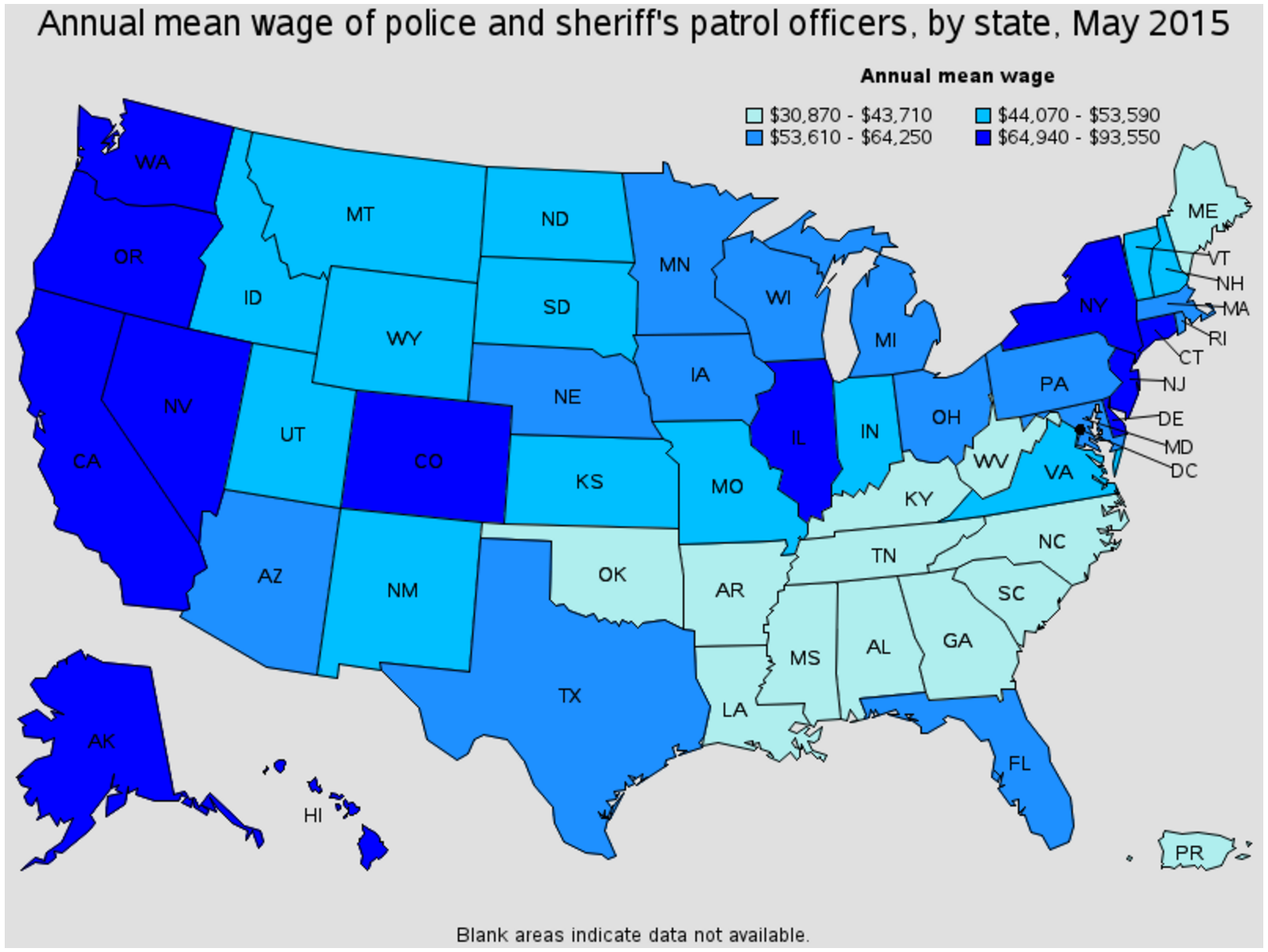
One of the most significant lifestyle impacts of an officer’s salary is in the realm of housing. While salaries are competitive, the astronomical cost of real estate in New York City means that many officers must make careful financial decisions regarding where they can afford to live. Some may choose to reside in the outer boroughs like Queens or Staten Island, which tend to offer more affordable housing options, or even commute from neighboring areas in New Jersey or Long Island. This can influence their daily commute times, the proximity of their homes to their workplaces, and the types of neighborhoods they can call home. The trade-off between salary and housing costs is a constant consideration, impacting family life, school districts, and access to local amenities. For instance, living further out might mean longer commutes, potentially impacting family time or participation in evening social activities.
Leisure and Recreation: Experiencing the City
The financial capacity of NYPD officers also dictates their ability to engage in leisure activities and experience the cultural richness of New York. While their jobs keep them embedded within the city’s pulse, their disposable income influences how they can enjoy it. This could range from frequenting popular restaurants in Greenwich Village or catching Broadway shows to enjoying weekend getaways to the Catskills or the beaches of Long Island. For some, the financial stability provided by their profession might allow for more luxurious experiences, such as stays at high-end hotels like The Plaza Hotel or dining at Michelin-starred establishments. For others, it might mean budget-conscious exploration of New York’s vast array of free or low-cost attractions, such as walking across the Brooklyn Bridge or exploring the vastness of Central Park.
Family Life and Community Involvement
The compensation package for NYPD officers is not just about individual lifestyle; it profoundly affects their families and their integration into the communities they serve. A stable income and benefits package allow officers to provide for their children’s education, extracurricular activities, and overall well-being. This financial security can foster a sense of stability that is crucial for raising a family in a demanding urban environment. Furthermore, officers who live in the communities they patrol often develop a deeper connection to those areas. Their ability to afford housing within these neighborhoods can lead to greater community involvement, whether through local schools, neighborhood associations, or simply being a visible and approachable presence. This reciprocal relationship between law enforcement and the community is a vital aspect of urban life, and the economic feasibility for officers to live and thrive within their assigned precincts contributes to this bond.
Beyond the Badge: Financial Planning and Lifestyle Aspirations
The financial realities of being a New York Police Officer necessitate diligent financial planning and often involve aspirations that extend beyond their careers.
Investment and Wealth Building
For many officers, their salary and benefits are a foundation upon which they build long-term wealth. This can involve investing in real estate, stocks, or other financial instruments. The desire for financial independence and the ability to provide a comfortable future for their families often drives these investment strategies. Understanding the market trends in New York real estate, for example, might be a particular focus for officers looking to purchase homes or investment properties. The pension, while a significant benefit, is often viewed as a supplement to other forms of savings and investments, allowing for a broader range of lifestyle aspirations.
Early Retirement and Post-Career Pursuits
The robust pension system of the NYPD often makes early retirement a viable option for many officers. This allows them to embark on new chapters of their lives, pursuing passions or second careers before reaching traditional retirement age. These post-career pursuits can span a wide spectrum, from starting small businesses, engaging in volunteer work, traveling extensively, or dedicating more time to hobbies. For example, an officer who has spent years navigating the complexities of the city might choose to retire to a quieter lifestyle in a different state, enjoying travel to destinations like Europe or exploring national parks across the United States. The financial planning undertaken during their careers directly facilitates these diverse retirement lifestyles.

The Trade-Off: Public Service and Personal Gain
Ultimately, the question of “how much do New York Police Officers make?” is less about a simple dollar amount and more about understanding the intricate relationship between public service, economic reality, and individual lifestyle. The compensation package is designed to attract and retain dedicated individuals to a challenging and vital profession. While the financial rewards are significant, they are necessarily balanced against the demanding nature of the work and the high cost of living in New York. This balance shapes the lives of these officers, influencing their housing, their leisure, their family experiences, and their aspirations for the future, making their financial standing a critical element in understanding their unique place within the city’s vibrant tapestry.
LifeOutOfTheBox is a participant in the Amazon Services LLC Associates Program, an affiliate advertising program designed to provide a means for sites to earn advertising fees by advertising and linking to Amazon.com. Amazon, the Amazon logo, AmazonSupply, and the AmazonSupply logo are trademarks of Amazon.com, Inc. or its affiliates. As an Amazon Associate we earn affiliate commissions from qualifying purchases.