
The role of a nursing assistant (NA) is foundational to the healthcare system, providing essential direct care to patients. In a bustling and diverse state like New York, the earning potential for these dedicated professionals can vary significantly. This exploration delves into the factors influencing nursing assistant salaries across New York, from geographical location to experience and specific healthcare settings. Understanding these nuances is crucial for aspiring NAs, current professionals seeking career advancement, and employers looking to attract and retain talent within the Empire State.
Factors Influencing Nursing Assistant Salaries in New York
Several key elements converge to shape the salary landscape for nursing assistants throughout New York. These include the cost of living in different regions, the demand for healthcare services, the type of facility employing the NA, and their level of experience and specialized certifications.
Geographic Location and Cost of Living
New York is a state of stark economic contrasts. Major metropolitan areas, particularly New York City and its surrounding suburbs, typically command higher wages for nursing assistants. This is largely due to the significantly higher cost of living in these regions, encompassing housing, transportation, and everyday expenses. For instance, a nursing assistant working in a hospital in Manhattan will likely earn more than their counterpart in a more rural area of upstate New York. However, this higher salary must be weighed against the increased cost of maintaining a similar standard of living.
- New York City and surrounding suburbs: Highest average salaries, reflecting high demand and cost of living.
- Upstate New York cities (e.g., Buffalo, Rochester, Syracuse): Moderate salaries, with variations based on local economic conditions and healthcare needs.
- Rural areas: Generally lower salaries, often offset by a lower cost of living.
Type of Healthcare Facility
The specific healthcare setting where a nursing assistant is employed plays a pivotal role in their compensation. Different types of facilities have varying budgets, patient acuity levels, and staffing needs, all of which impact salary.
- Hospitals: Nursing assistants in hospitals, especially those in large, well-funded medical centers like NewYork-Presbyterian Hospital or Mount Sinai Hospital, often earn more. This is due to the complex care demands and the rigorous standards expected in acute care settings. Hospitals may also offer more comprehensive benefits packages.
- Skilled Nursing Facilities (SNFs) and Long-Term Care Facilities: These facilities, which provide ongoing care for elderly or chronically ill patients, are significant employers of NAs. While generally offering competitive wages, salaries might be slightly lower on average compared to acute care hospitals. However, the stability of employment in these settings can be a strong draw.
- Assisted Living Facilities: These facilities offer a range of support services for seniors who need some assistance but do not require the intensive medical care of an SNF. Salaries in assisted living can vary widely depending on the facility’s size, amenities, and reputation.
- Home Healthcare Agencies: Nursing assistants providing care in patients’ homes often work for agencies. Their pay structure might involve hourly rates that can be competitive, but they may have less access to the benefits typically offered by larger institutions.
- Rehabilitation Centers: These specialized facilities focusing on physical and occupational therapy recovery can offer competitive compensation for NAs involved in patient rehabilitation.
Experience Level and Certifications
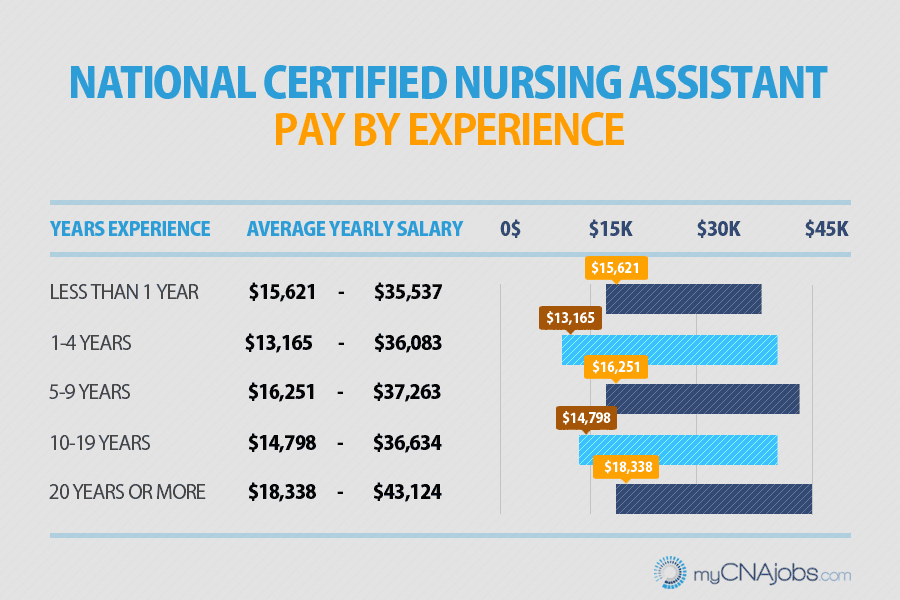
Like most professions, a nursing assistant’s salary in New York is directly correlated with their experience. Entry-level positions will naturally command lower salaries than those held by seasoned professionals. As NAs gain years of experience, they typically see incremental increases in their pay.
Furthermore, specialized certifications can significantly boost earning potential. While basic certification is a requirement, additional credentials in areas such as:
- Geriatric Care: Advanced training in caring for the elderly.
- Specialized Patient Care: For example, working with individuals with specific conditions like dementia or developmental disabilities.
- Medication Aide Certification: In some New York facilities, NAs with specific training may be permitted to administer certain medications, leading to higher pay.
These certifications demonstrate a higher level of skill and commitment, making NAs more valuable to employers and justifying higher compensation.
Average Nursing Assistant Salaries in New York
Pinpointing an exact average salary for nursing assistants in New York is challenging due to the multitude of variables at play. However, industry data and salary aggregators provide a valuable benchmark. On average, nursing assistants in New York tend to earn more than the national average.
Salary Ranges and Averages
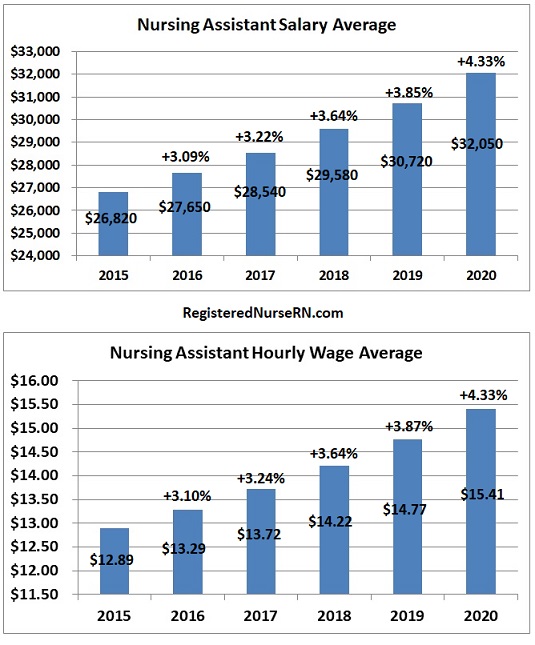
According to various labor statistics and salary survey websites, the average annual salary for a nursing assistant in New York typically falls within the range of $35,000 to $45,000. However, this is a broad estimate.
- Entry-level NAs: May start in the low to mid-$30,000s annually.
- Experienced NAs: With 5-10 years of experience, salaries can rise into the mid-$40,000s to low-$50,000s.
- Highly experienced NAs with specialized certifications: Working in high-demand areas or prestigious facilities could potentially earn upwards of $55,000 or more annually.
Hourly rates are also a common compensation structure, often ranging from $17 to $22 per hour. This translates to the annual figures when considering a full-time work schedule (approximately 40 hours per week).
Impact of Major Cities vs. Rural Areas
The disparity between urban and rural earnings is pronounced.
- In New York City, the average salary for nursing assistants can easily reach $45,000 to $55,000+ annually, with some roles in highly specialized or upscale facilities exceeding this range. Hourly rates might be as high as $20-$25 or more.
- In contrast, upstate cities like Buffalo or Albany might see average salaries closer to $38,000 to $48,000 annually.
- Rural areas of New York may see averages dipping into the $35,000 to $40,000 range.
It’s crucial to research specific job postings in the desired geographic location to get the most accurate salary expectations.
Career Advancement and Salary Growth Opportunities
While the base salary for a nursing assistant is a critical consideration, New York offers pathways for significant salary growth through career advancement and further education. The healthcare industry is dynamic, and opportunities abound for those willing to expand their skill set.
Transitioning to Higher Roles
For many nursing assistants, their role serves as a stepping stone towards other careers in healthcare. With the foundational knowledge and practical experience gained, many pursue further education to become:
- Licensed Practical Nurses (LPNs): LPNs provide more advanced patient care under the supervision of registered nurses. The salary difference between an NA and an LPN is substantial, often increasing earnings by $10,000 to $20,000 or more annually.
- Registered Nurses (RNs): The role of an RN involves a higher level of clinical judgment, patient assessment, and care planning. RNs in New York typically earn significantly more than NAs, with average salaries often ranging from $75,000 to over $100,000 annually, depending on specialization and experience.
- Specialized Healthcare Technicians: Opportunities also exist in fields like phlebotomy, medical assisting, or radiology, where NAs can leverage their healthcare background.
Benefits and Non-Monetary Compensation
Beyond the base salary, the overall compensation package offered by employers is vital. Many healthcare facilities in New York offer a range of benefits that add significant value to an NA’s employment. These can include:
- Health Insurance: Comprehensive medical, dental, and vision coverage.
- Retirement Plans: Such as 401(k) or pension plans.
- Paid Time Off (PTO): Vacation days, sick leave, and holidays.
- Tuition Reimbursement: Financial assistance for pursuing further education, a critical factor for those aiming to advance their careers.
- Shift Differentials: Extra pay for working evenings, nights, or weekends.
- Overtime Pay: Standard compensation for hours worked beyond a regular schedule.
These benefits, especially tuition reimbursement programs at institutions like SUNY Downstate Medical Center or private hospitals, can substantially impact an NA’s overall financial well-being and long-term career trajectory.

Conclusion
The earning potential for nursing assistants in New York is a dynamic equation influenced by a complex interplay of location, facility type, experience, and specialized skills. While entry-level positions may offer modest salaries, the state’s robust healthcare sector, particularly in metropolitan areas, provides opportunities for competitive earnings. Furthermore, New York stands as a fertile ground for career growth, with numerous pathways leading to higher-paying roles and fulfilling careers within the healthcare profession. For individuals dedicated to patient care, the role of a nursing assistant in New York offers not just a livelihood but a vital starting point for a rewarding professional journey.
LifeOutOfTheBox is a participant in the Amazon Services LLC Associates Program, an affiliate advertising program designed to provide a means for sites to earn advertising fees by advertising and linking to Amazon.com. Amazon, the Amazon logo, AmazonSupply, and the AmazonSupply logo are trademarks of Amazon.com, Inc. or its affiliates. As an Amazon Associate we earn affiliate commissions from qualifying purchases.