
Navigating the bustling streets of New York City can be an exhilarating experience, and for many, a taxi is an indispensable part of that journey. Whether you’re a first-time visitor eager to explore iconic landmarks or a seasoned traveler seeking efficient transit, understanding taxi fares is crucial for budgeting and planning your adventures. The cost of a taxi in New York isn’t a fixed number; it’s a dynamic equation influenced by various factors, from the distance traveled and time of day to traffic conditions and the specific type of vehicle you choose. This guide aims to demystify the fare structure, providing you with the knowledge to anticipate costs and make informed decisions as you traverse the five boroughs.

Understanding the New York City Taxi Fare Structure
The fare for a taxi ride in New York City is meticulously calculated based on a combination of metered rates and potential surcharges. The foundation of the fare is the meter, which operates on a dual system: time and distance. This ensures that drivers are compensated fairly regardless of whether you’re stuck in gridlock or cruising down an open avenue.
The Meter: Time vs. Distance
The meter in a New York taxi has two primary components:
- Distance Rate: The primary driver of the fare is the distance you travel. The meter typically clicks over a certain amount for each fraction of a mile. This rate is designed to reflect the actual mileage covered, providing a baseline cost for your journey.
- Time Rate: When the taxi is stationary or moving at a very slow speed (e.g., in heavy traffic), the meter also accumulates charges based on time. This “waiting time” or “traffic delay” charge ensures that the driver’s time is valued even when progress is slow. This is particularly relevant in a city known for its challenging traffic, especially during peak hours.
Initial Meter Drop and Per-Unit Charges
When you first enter a New York taxi and the meter is turned on, there’s an initial charge. This is often referred to as the “meter drop.” Following this initial drop, the meter will accrue charges based on the predetermined rates for distance and time. The precise per-unit charges (e.g., the cost per 1/5th of a mile or per minute of waiting time) are set by the New York City Taxi and Limousine Commission (TLC) and are subject to change. It’s important to note that these rates are standardized for all official yellow taxis.
Surcharges and Fees
Beyond the base meter fare, several surcharges and fees can influence the final cost of your ride:
- Night Surcharge: Between 8:00 PM and 6:00 AM, a surcharge is typically added to the fare. This reflects the increased operational costs or potential demand during nighttime hours.
- Peak Hour Surcharge: During certain peak traffic periods, an additional surcharge might be applied. This is less common than the night surcharge but can occur.
- Queensboro Bridge Toll: If your journey involves crossing the Queensboro Bridge (also known as the 59th Street Bridge), you will likely be responsible for the toll.
- Verrazzano-Narrows Bridge Toll: Similarly, any trip requiring passage over the Verrazzano-Narrows Bridge will include the associated toll.
- Staten Island Ferry Surcharge: While not a direct taxi surcharge, if your journey requires transportation to or from the Staten Island Ferry terminal, the taxi fare will reflect the distance and time, and the ferry itself has its own cost.
- JFK Airport Flat Rate Surcharge: For rides originating from or destined to John F. Kennedy International Airport (excluding trips to Manhattan), a specific flat rate may apply, which includes a surcharge. This is designed to provide a predictable cost for a common airport route.
- Newark Liberty International Airport Surcharge: Similarly, trips to or from Newark Liberty International Airport (which is in New Jersey) will incur specific surcharges and tolls.
Factors Influencing Your Taxi Fare
Beyond the official fare structure, several real-world factors can significantly impact the final cost of your taxi ride in New York City. Understanding these can help you manage expectations and potentially make choices that lead to savings.
Distance and Destination
The most obvious factor is the distance you need to travel. A short hop across Times Square will naturally cost far less than a journey from the southern tip of Manhattan to the northern reaches of The Bronx. Longer distances, especially those that involve crossing bridges or tunnels, will naturally accumulate more mileage and potentially tolls, leading to higher fares.
Time of Day and Traffic Conditions
New York City is renowned for its vibrant energy and, at times, its challenging traffic.
- Peak Hours: During morning and evening commutes (typically weekdays from around 6:30 AM to 9:30 AM and 3:30 PM to 7:00 PM), traffic congestion can significantly increase the time component of your fare. While the distance meter might be ticking slowly, the time meter will be accumulating rapidly. This can turn a relatively short distance into a costly ride.
- Rush Hour: Beyond the typical commute, other events and times can lead to gridlock. Major sporting events, concerts at venues like Madison Square Garden, or even unexpected city-wide incidents can create traffic jams that inflate taxi fares due to extended travel times.
- Late Night Travel: While the night surcharge applies, traffic is often lighter late at night, which can sometimes offset the surcharge, making late-night travel more predictable in terms of duration.
Choosing Your Taxi: Yellow Cabs vs. Other Options
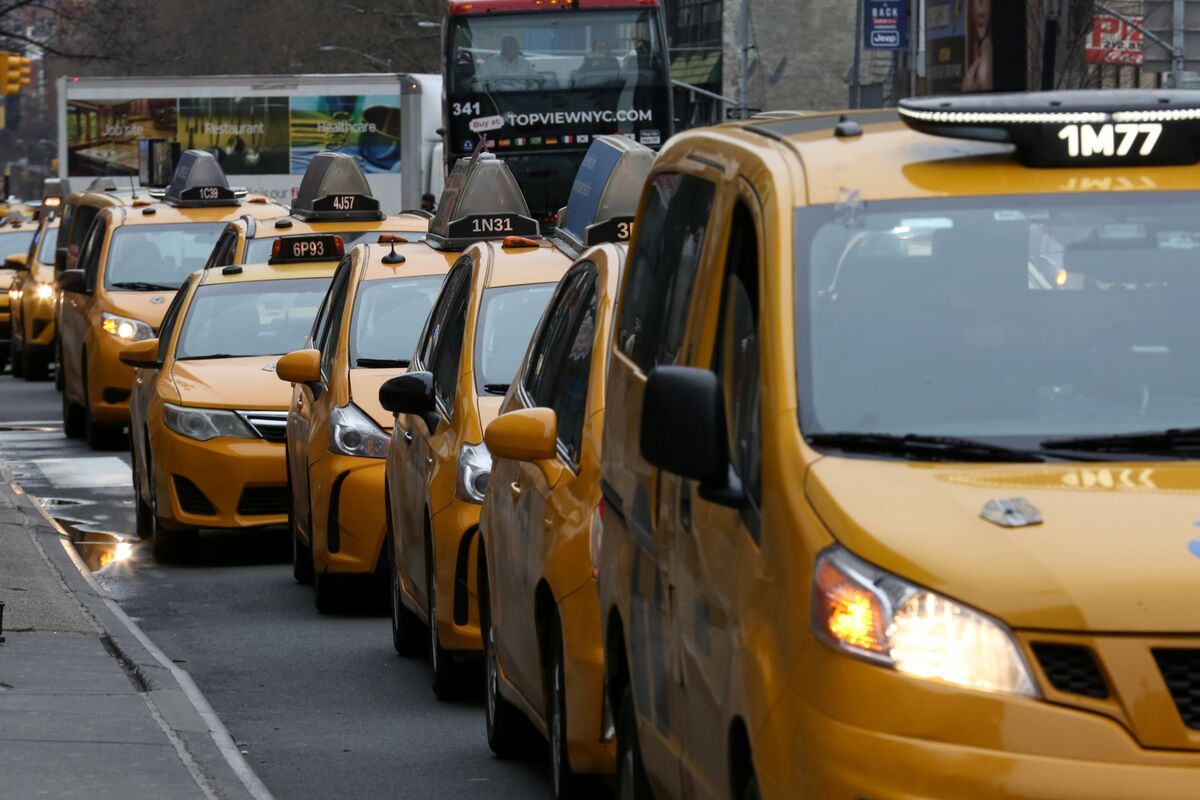
In New York City, the iconic yellow taxi is the most prevalent metered taxi. However, other options exist, each with its own pricing model:
- Yellow Taxis: These are the official, regulated taxis. Their fares are set by the TLC and are generally predictable based on the meter. They can be hailed on the street or found at designated taxi stands.
- Green Boro Taxis: These taxis operate outside of Manhattan’s core business districts. Their fares are also metered, but they cannot pick up passengers in Manhattan’s business areas. They are useful for travel within other boroughs or for pick-ups in areas where yellow taxis are less common.
- Ride-Sharing Services (e.g., Uber, Lyft): These services offer dynamic pricing, meaning fares can surge significantly during periods of high demand. While they may offer upfront price estimates, these can change. They also operate on a different model than metered taxis, often with different vehicle classes and associated costs. For budget-conscious travelers, comparing ride-sharing prices with estimated taxi fares is always a good strategy.
- Private Car Services: These services typically offer pre-booked transportation with fixed rates, often on the higher end of the cost spectrum, but providing a guaranteed price and often a more premium experience.
Estimating Your Taxi Fare: Practical Tips and Examples
While it’s impossible to provide an exact cost for every possible taxi ride in New York City, having a general understanding of fare ranges for common journeys can be incredibly helpful for planning.
Common Routes and Estimated Costs
Let’s consider some typical scenarios:
- Midtown to Downtown Manhattan (e.g., Times Square to Wall Street): This journey is approximately 3-5 miles. During off-peak hours with moderate traffic, you might expect a fare in the range of $15 to $25. However, during heavy rush hour, the time component could push this to $30 or more.
- Upper West Side to Upper East Side (crossing Central Park): This is a relatively short distance, perhaps 2-4 miles. Expect a fare between $12 and $20, again with traffic being the main variable.
- LaGuardia Airport to Midtown Manhattan: This trip is about 8-10 miles. Without significant traffic, the meter would likely result in a fare between $30 and $45, plus any applicable tolls (like the Grand Central Parkway if used). During peak times, this could easily climb to $50+.
- JFK Airport to Midtown Manhattan: This is a longer journey, around 15-20 miles. The official flat rate for yellow taxis from JFK to Manhattan is subject to change but typically hovers around $52-$70, plus tolls and the night surcharge if applicable. Ride-sharing services may offer different pricing, sometimes competitive, sometimes higher, especially with surge pricing.
- JFK Airport to Brooklyn (e.g., DUMBO): This route will involve a flat rate from JFK plus tolls, which can vary depending on the specific destination in Brooklyn and the bridge or tunnel used. Expect costs to be in a similar range to the JFK to Manhattan fare, potentially a bit more due to distance.
How to Get an Estimate
- Online Fare Calculators: Many websites and apps offer New York City taxi fare calculators. You input your starting point and destination, and they provide an estimated cost based on current rates and typical traffic. These are excellent tools for pre-trip planning.
- Ride-Sharing Apps: Before hailing a taxi, check the estimated fares on apps like Uber or Lyft. While not the same as a metered taxi, they offer a useful point of comparison, especially if surge pricing isn’t excessive.
- Ask the Driver (with caution): While you can ask the driver for an estimated fare, remember that their estimates are often based on their experience and can be influenced by factors beyond your control. The meter is the ultimate arbiter.
Tips for Managing Taxi Costs in New York City
Traveling in New York City doesn’t have to break the bank, and with a few smart strategies, you can keep your taxi expenses in check.
When to Use Taxis and When to Consider Alternatives
Taxis are often the most convenient option when:
- You have a lot of luggage.
- You’re traveling late at night and the subway is less appealing.
- You’re going directly from point A to point B without many stops and the distance is manageable.
- You’re in a group and can split the fare.
Consider alternatives when:
- Traveling short distances in congested areas: Walking or using the subway might be faster and cheaper.
- You have ample time: The subway system is extensive and often the most efficient way to traverse longer distances within the city, especially during peak hours. Purchase a MetroCard for easy travel.
- You’re on a strict budget: The subway and buses are significantly more affordable than taxis.
- You’re heading to or from an airport during peak travel times: Pre-booking a car service or using a ride-sharing app with a fixed price might offer more certainty than a metered taxi subject to traffic.
Tipping Etiquette and Final Costs
Tipping your taxi driver is customary and appreciated in New York City. The standard tip is typically 15-20% of the metered fare. Some people add a few extra dollars for exceptional service. Remember to factor this tip into your total cost.

Choosing the Right Time to Travel
If your schedule allows, try to avoid traveling by taxi during peak rush hour or major event times. If you must travel during these periods, be prepared for longer journey times and higher fares. Traveling earlier in the morning or later in the evening can often result in a smoother and less expensive ride.
By understanding the components of a New York taxi fare, considering the influencing factors, and employing smart travel strategies, you can navigate the city with confidence and make your transportation choices work for your budget and itinerary. Whether you’re headed to see a Broadway show, visit the Statue of Liberty, or explore the vibrant neighborhoods, knowing how much a taxi might cost will be an invaluable part of your New York City experience.
LifeOutOfTheBox is a participant in the Amazon Services LLC Associates Program, an affiliate advertising program designed to provide a means for sites to earn advertising fees by advertising and linking to Amazon.com. Amazon, the Amazon logo, AmazonSupply, and the AmazonSupply logo are trademarks of Amazon.com, Inc. or its affiliates. As an Amazon Associate we earn affiliate commissions from qualifying purchases.