
Navigating the complexities of health insurance in a bustling metropolis like New York City can feel daunting. Understanding the costs associated with maintaining good health while living in one of the world’s most dynamic urban centers is paramount for residents. This guide delves into the various factors influencing health insurance premiums in New York City, exploring different plan types, cost-saving strategies, and the unique market dynamics that shape this essential service.
Understanding the Factors Influencing Health Insurance Costs
The price you pay for health insurance is rarely a one-size-fits-all figure. Several key elements combine to determine your monthly premiums, and these can vary significantly from one individual or family to another within New York City. Recognizing these factors is the first step toward making an informed decision.
Age and Demographics
A fundamental driver of health insurance costs is age. Generally, younger individuals tend to have lower premiums because they are statistically less likely to require extensive medical care. As individuals age, their risk profile for developing health conditions increases, leading to higher insurance premiums. Factors such as smoking status also play a significant role; smokers typically face higher costs due to the increased health risks associated with tobacco use.
Location within New York City
While the article title specifies New York City, it’s worth noting that even within the five boroughs – Manhattan, Brooklyn, Queens, The Bronx, and Staten Island – slight variations in plan availability and pricing might occur, though the overarching trends remain consistent across the city. The competitive landscape and the concentration of healthcare providers can influence pricing structures.
Plan Type and Coverage Levels
The type of health insurance plan you choose has a direct impact on its cost. The most common types available in New York City include:
- Health Maintenance Organization (HMO): Typically, HMO plans offer lower premiums but require you to choose a primary care physician (PCP) and get referrals to see specialists. Care outside the plan’s network is generally not covered, except in emergencies.
- Preferred Provider Organization (PPO): PPO plans offer more flexibility, allowing you to see specialists without a referral and providing coverage for out-of-network care, though at a higher cost. Premiums for PPO plans are usually higher than HMOs.
- Exclusive Provider Organization (EPO): EPO plans combine features of HMOs and PPOs. They typically don’t require referrals to see specialists but only cover care within their network, except for emergencies.
- Point of Service (POS): POS plans are a hybrid, often requiring a PCP and referrals for in-network care but offering some out-of-network coverage.
The level of coverage you opt for also dictates the premium. Plans with lower deductibles, lower co-pays, and lower co-insurance will generally have higher monthly premiums. Conversely, plans with higher out-of-pocket costs will have lower premiums.
Income and Subsidies
For individuals and families purchasing health insurance through the New York State of Health marketplace, income plays a crucial role in determining eligibility for subsidies. The Affordable Care Act (ACA) provides premium tax credits and cost-sharing reductions to lower-income individuals and families, significantly reducing the net cost of health insurance. This means that two individuals with identical health insurance plans in New York City could pay vastly different amounts based on their household income.
Provider Network and Hospitals
The specific hospitals and doctors included in a plan’s network can also influence costs. Plans that are affiliated with a broader or more prestigious network of healthcare providers might command higher premiums. When choosing a plan, it’s essential to verify that your preferred doctors and hospitals are within the network to avoid unexpected out-of-pocket expenses. For instance, a plan that includes New York-Presbyterian Hospital or Mount Sinai Hospital might have different pricing than one that does not.
Average Health Insurance Costs in New York City
Pinpointing an exact average cost for health insurance in New York City is challenging due to the multitude of variables. However, we can look at general ranges and averages reported by various sources to provide a ballpark figure. These figures are often based on data from the New York State of Health marketplace and private insurance providers.
Individual Plans
For an individual purchasing a plan on the ACA marketplace in New York City, the average monthly premium can range from approximately $400 to $600 before any subsidies. However, with subsidies, this cost can be significantly reduced. For example, an individual with a lower income might pay as little as $50 to $150 per month. For those purchasing directly from an insurer or who do not qualify for subsidies, the cost will reflect the full premium.
Family Plans
Family plans are, as expected, more expensive. For a family of four, the average monthly premium before subsidies could range from $1,200 to $1,800 or more. Again, income plays a critical role in determining the actual out-of-pocket cost after considering potential subsidies. Families in New York City with incomes that qualify for assistance can see their monthly payments drop dramatically.
Employer-Sponsored Insurance

For many residents of New York City, employer-sponsored health insurance is the most common and often most affordable option. Employers typically cover a significant portion of the premium, with employees paying the remainder. The employee’s contribution can vary widely depending on the employer’s benefits package and the specific plan chosen, but it is generally much lower than what an individual would pay for a comparable plan on the marketplace. For instance, an employee might pay between $50 to $200 per month for an individual plan and $150 to $500 per month for a family plan through their employer.
Navigating the Marketplace and Finding Affordable Options
The primary avenue for individuals and families to purchase health insurance in New York City who are not covered by an employer or government program is through the New York State of Health marketplace. This platform offers a variety of plans from different insurance carriers.
The New York State of Health Marketplace
The New York State of Health is the official health plan marketplace for New York residents. It provides a centralized platform to compare plans, check eligibility for financial assistance, and enroll in coverage. The marketplace offers plans from well-known insurers such as Empire BlueCross BlueShield, MetroPlusHealth, and Oscar Health, among others.
Understanding Metal Tiers
Plans on the marketplace are categorized into metal tiers: Bronze, Silver, Gold, and Platinum. These tiers reflect the level of coverage and the share of healthcare costs the plan pays on average:
- Bronze: Lowest monthly premiums, highest out-of-pocket costs. Covers about 60% of healthcare costs.
- Silver: Mid-range premiums and out-of-pocket costs. Covers about 70% of healthcare costs. Silver plans are the only tier eligible for cost-sharing reductions (extra savings on deductibles, co-pays, and co-insurance) for those who qualify based on income.
- Gold: Higher monthly premiums, lower out-of-pocket costs. Covers about 80% of healthcare costs.
- Platinum: Highest monthly premiums, lowest out-of-pocket costs. Covers about 90% of healthcare costs.
Choosing the right metal tier depends on your healthcare needs and financial situation. If you anticipate needing a lot of medical care, a Gold or Platinum plan might be more cost-effective overall, despite the higher monthly premium. If you are generally healthy and only expect to need routine care, a Bronze or Silver plan might be a better choice.
Cost-Saving Strategies
Several strategies can help New York City residents manage their health insurance costs:
- Apply for Subsidies: Ensure you accurately report your income when applying through New York State of Health to maximize your eligibility for premium tax credits and cost-sharing reductions.
- Consider a Health Savings Account (HSA) or Health Reimbursement Arrangement (HRA): If you have a High Deductible Health Plan (HDHP), an HSA allows you to set aside pre-tax money to pay for qualified medical expenses. HRAs are employer-funded accounts.
- Utilize Preventive Care: Most health insurance plans cover preventive services like annual check-ups, screenings, and vaccinations at no cost. Taking advantage of these services can help catch potential health issues early, preventing more costly treatments down the line.
- Compare Plans Annually: Open enrollment periods are your opportunity to review and switch plans. Healthcare needs and costs can change, so it’s crucial to compare your current plan against others available to ensure you have the best coverage at the most affordable price.
- Understand Your Policy: Read your policy documents carefully to understand your deductibles, co-pays, co-insurance, and out-of-pocket maximums. Knowing these details can help you budget for healthcare expenses and avoid surprises.
Specialized Coverage and Additional Considerations
Beyond the standard health insurance plans, New York City residents may also encounter or need to consider specialized coverage options and other factors that impact overall healthcare accessibility and cost.
Dental and Vision Insurance
Many health insurance plans do not include comprehensive dental or vision coverage. These are often offered as separate, add-on policies or as part of a benefits package through an employer. The cost of standalone dental and vision plans can range from $20 to $100 per month or more, depending on the level of coverage and the provider. For individuals in New York City, especially those with specific dental or vision needs, budgeting for these additional insurances is important.
Medicare and Medicaid
For eligible residents, Medicare and Medicaid offer crucial health coverage. Medicare is a federal health insurance program primarily for people aged 65 or older, as well as younger people with certain disabilities. Medicaid is a state and federal program that provides health coverage to individuals and families with low incomes. Eligibility for Medicaid in New York is based on income, household size, disability, and other factors. Both programs have different coverage options and costs, with many beneficiaries paying little to nothing for their insurance.
Short-Term Health Insurance
While not a substitute for comprehensive coverage, short-term health insurance plans can offer temporary coverage for individuals transitioning between jobs or awaiting other coverage to begin. These plans typically have lower premiums but also offer limited benefits and may not cover pre-existing conditions. It’s crucial to understand the limitations of short-term plans before relying on them.
Healthcare Costs Beyond Premiums
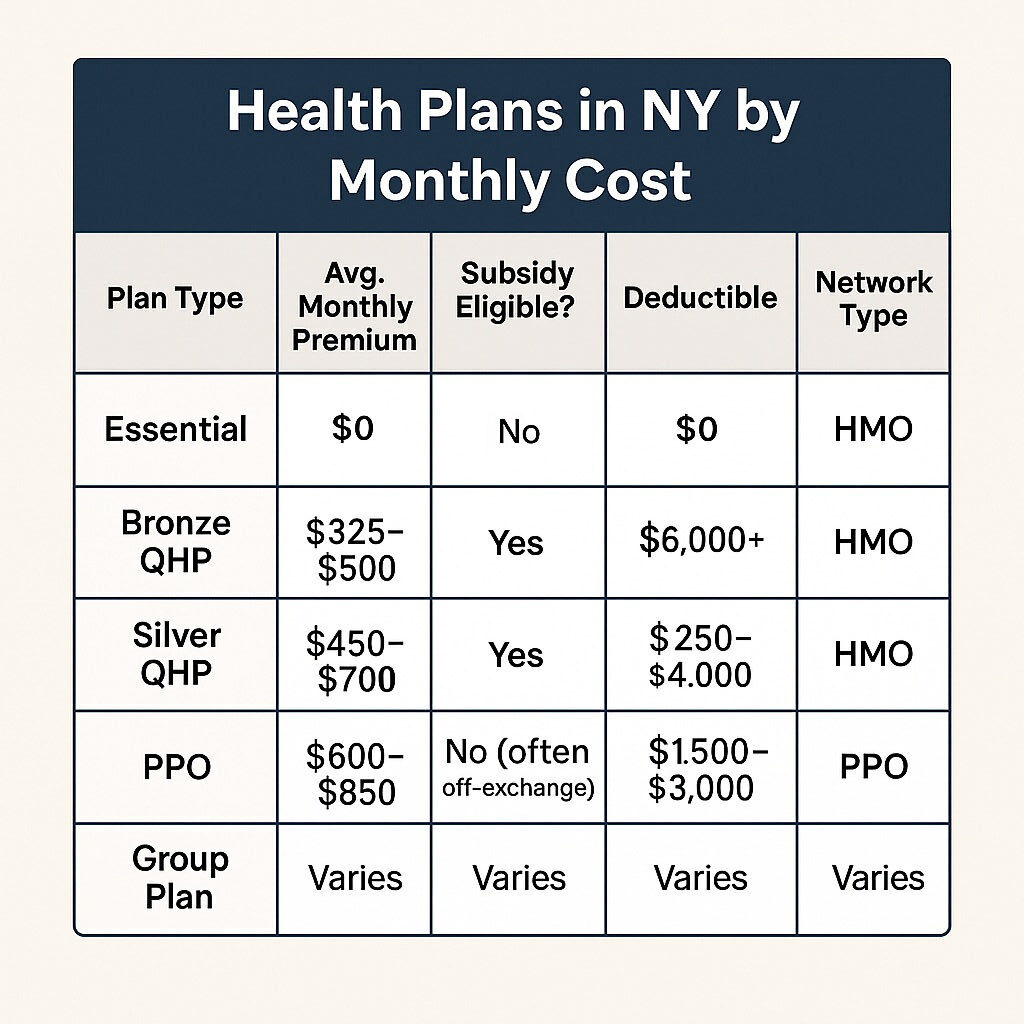
It’s important to remember that health insurance cost extends beyond monthly premiums. Deductibles, co-pays, co-insurance, and out-of-pocket maximums are all components of your total healthcare spending. A plan with a lower premium might have a very high deductible, meaning you’ll pay a substantial amount out-of-pocket before your insurance starts covering most costs. Conversely, a plan with a higher premium might offer a lower deductible and co-pays, potentially saving you money if you require frequent medical services. Carefully evaluating these out-of-pocket expenses in conjunction with premiums is key to understanding the true cost of health insurance in New York City.
Ultimately, securing adequate health insurance in New York City involves a thorough understanding of your personal circumstances, available plan options, and the financial assistance programs designed to make healthcare more accessible. By carefully considering all these factors, residents can make informed decisions that protect their health and their finances.
LifeOutOfTheBox is a participant in the Amazon Services LLC Associates Program, an affiliate advertising program designed to provide a means for sites to earn advertising fees by advertising and linking to Amazon.com. Amazon, the Amazon logo, AmazonSupply, and the AmazonSupply logo are trademarks of Amazon.com, Inc. or its affiliates. As an Amazon Associate we earn affiliate commissions from qualifying purchases.