
Navigating the intricate landscape of permits in New York can often feel like a complex puzzle, especially for those planning significant ventures, whether it’s a large-scale construction project, a public event, or even certain commercial activities. The cost associated with obtaining these official authorizations is not a fixed figure but rather a dynamic variable dependent on a multitude of factors. Understanding these determinants is crucial for accurate budgeting and successful project execution within the bustling metropolis of New York City or across the wider Empire State.
Understanding the Spectrum of Permits
The sheer diversity of activities requiring permits in New York means that a single price tag is impossible. Permits can range from relatively inexpensive licenses for small businesses to substantial fees for major urban development. Generally, the cost is a reflection of the scope, impact, and regulatory oversight involved. The more complex or potentially disruptive an undertaking, the higher the associated permit fees are likely to be.
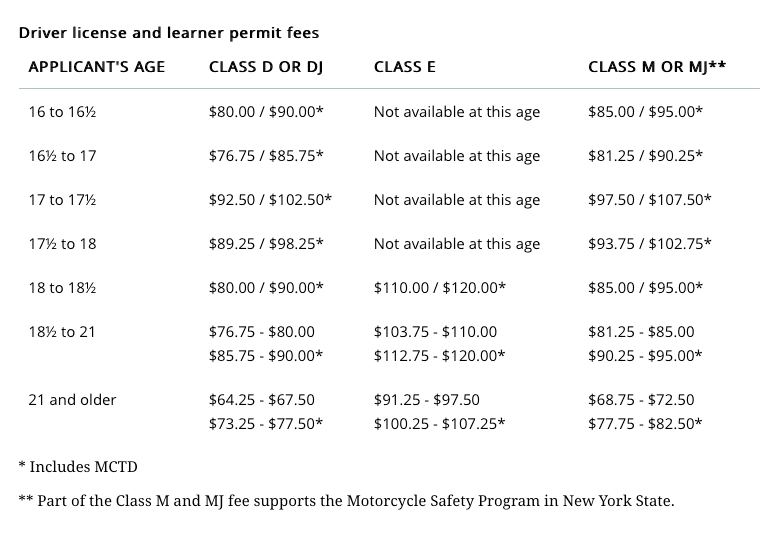
Building and Construction Permits
For anyone embarking on a construction or renovation project, building permits are a fundamental requirement. These permits ensure that all work complies with New York State building codes, zoning regulations, and safety standards. The cost of a building permit is typically calculated based on the estimated cost of the construction or renovation.
Residential Construction and Renovations
For homeowners undertaking projects such as adding a new room, finishing a basement, or undertaking a significant kitchen remodel, permit fees are usually a percentage of the total project cost. For instance, a minor renovation might incur a fee of a few hundred dollars, while a substantial addition could cost several thousand. The New York City Department of Buildings (DOB) has a detailed fee schedule, often involving base fees plus additional charges based on square footage, type of work, and the number of inspections required. Factors like plumbing, electrical, and mechanical work will each have their own associated inspection fees, contributing to the overall permit cost.
Commercial Development
Commercial construction projects, including new buildings, major alterations, or tenant fit-outs, involve more extensive review processes and, consequently, higher permit fees. These fees can escalate significantly, often representing a substantial portion of the initial project budget. The cost is usually tied to the overall value of the construction, with complex projects requiring multiple permits for different aspects of the build, such as structural, electrical, plumbing, and fire safety. The DOB’s fee structure for commercial properties is designed to cover the extensive review and inspection resources needed to ensure compliance with stringent building codes and zoning laws.
Special Event Permits
Organizing an event in New York, whether it’s a small street fair, a large concert at Madison Square Garden, or a film shoot in Central Park, often necessitates a variety of special event permits. The cost here is highly variable, depending on the event’s scale, location, duration, and the type of activities planned.
Public Gatherings and Festivals
For larger public gatherings, festivals, or street fairs, permits are typically issued by departments such as the New York City Department of Parks and Recreation (if using park space) or the New York City Department of Transportation (for street closures). Fees can be structured as flat rates, per-day charges, or a percentage of expected revenue. Additional costs might arise for services like sanitation, security, or traffic control, which may be mandated by the city and billed separately or included in the permit fee.
Film and Television Production
Filming in New York requires permits from the New York City Mayor’s Office of Media and Entertainment. Permit fees for film shoots are generally based on factors such as the number of shooting days, the size of the crew, the equipment used, and the specific locations being utilized. While the filming permit itself might have a base fee, additional charges can apply for street closures, parking, or the use of specific public spaces. The intent is to cover the city’s costs for managing the impact of the production on public areas.
Business and Operational Permits
Many businesses operating in New York require specific permits and licenses to operate legally. These range from health permits for restaurants to liquor licenses for bars and permits for street vendors.
Food Service Establishments
Restaurants, cafes, and other food service businesses in New York City must obtain permits from the New York City Department of Health and Mental Hygiene. Permit costs are typically based on the size and type of establishment, with annual renewal fees. The health department conducts regular inspections, and the permit fee contributes to the cost of these oversight activities. Factors such as whether the establishment serves alcohol or prepares food on-site can also influence the permit category and associated costs.
Alcohol Beverage Control Licenses
Obtaining a license to sell alcohol in New York is managed by the New York State Liquor Authority. The fees for these licenses are substantial and vary significantly based on the type of license (e.g., on-premises, off-premises), the location of the business, and the applicant’s history. These are often among the most expensive permits to acquire, reflecting the stringent regulatory environment surrounding alcohol sales.
Environmental Permits
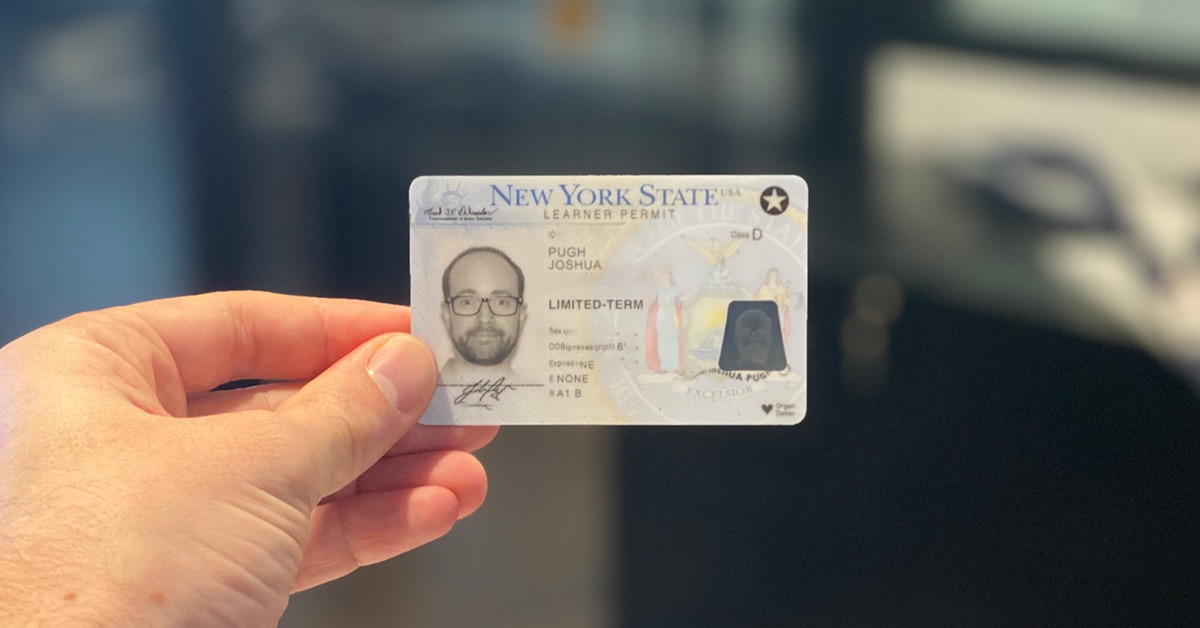
Activities that may impact the environment, such as certain industrial processes, construction near waterways, or air emissions, often require permits from state or federal environmental agencies.
Air and Water Permits
Businesses or projects that involve significant air emissions or discharge into waterways will need permits from the New York State Department of Environmental Conservation (DEC). The fees for these permits are generally structured to cover the cost of the DEC’s monitoring, enforcement, and review processes. They can be based on the volume of emissions, the type of pollutant, or the complexity of the regulated activity.
Factors Influencing Permit Costs
Beyond the type of permit, several other factors can influence the final cost:
Agency and Jurisdiction
Permit fees can vary depending on which government agency is responsible for issuing the permit and the specific jurisdiction within New York. For example, permits issued by New York City agencies might have different fee structures than those issued by county or state-level bodies.
Permit Duration and Renewal
Many permits are not a one-time purchase. They often have an expiration date and require periodic renewal, which typically involves an additional fee. The length of a permit’s validity can also influence its initial cost.
Application and Review Fees
Often, the stated permit fee is not the only cost involved. There may be separate application fees, plan review fees, and inspection fees that are added to the total. These cover the administrative and technical work undertaken by the permitting agency.
Complexity and Scope of Work
As mentioned, the more complex or extensive the project or activity, the more involved the review process will be, and consequently, the higher the permit fees. This is particularly true for large-scale construction or development projects.
Use of Public vs. Private Property
Activities that utilize or impact public property, such as streets, sidewalks, or parks, often incur higher fees than those conducted solely on private land. This is to compensate the public for the use of their assets and the potential disruption.
How to Determine Specific Permit Costs
Given the wide array of variables, the most effective way to ascertain the precise cost of a permit in New York is to consult directly with the relevant governing agency.
Official Agency Websites
Most New York state and city agencies provide detailed fee schedules and application information on their official websites. For instance, the New York City Department of Buildings website is an invaluable resource for construction-related permits, while the New York City Department of Consumer and Worker Protection (DCWP) lists various business licenses and permits.
Direct Consultation
For complex projects or unique situations, contacting the appropriate department directly is often the best course of action. Agency representatives can provide guidance on the specific permits required, the application process, and an estimate of the associated costs. They can also clarify any nuances related to your particular project.
Hiring Professionals
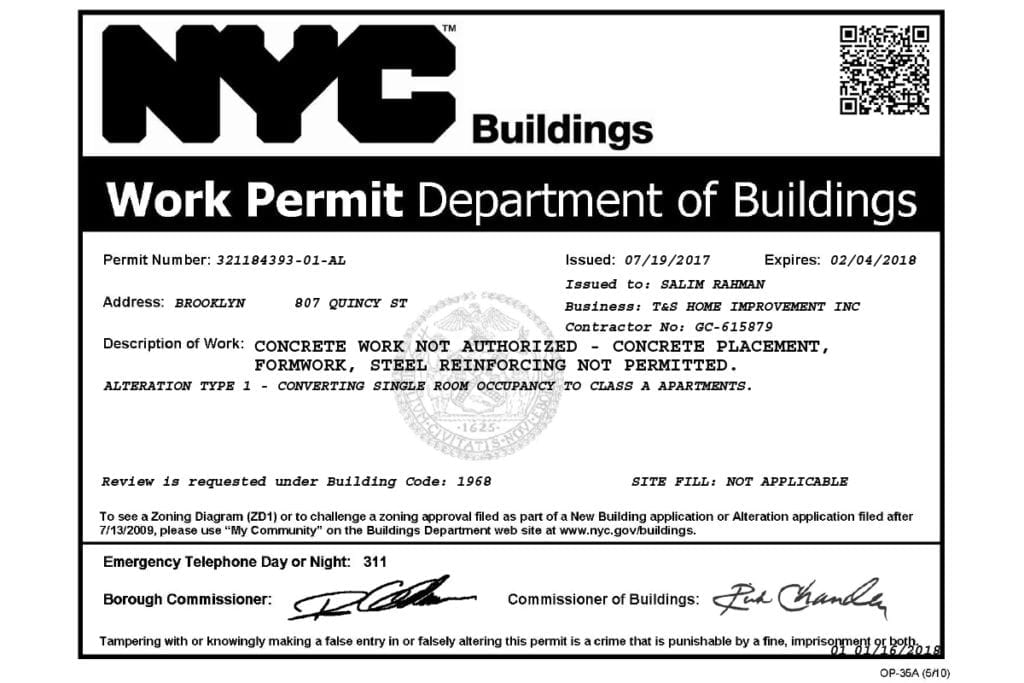
For significant construction or development projects, it is common practice to engage architects, engineers, or permit expediters. These professionals are well-versed in the permitting process and can accurately estimate costs, manage applications, and ensure compliance, thereby saving time and mitigating potential costly errors. Their fees will, of course, be an additional consideration to the permit costs themselves.
In conclusion, while a definitive price for “a permit in New York” is elusive due to the vast range of possibilities, a thorough understanding of the governing bodies, the nature of the activity, and the specific requirements of each permit is essential. By diligently researching and consulting the relevant authorities, individuals and businesses can accurately budget for and successfully navigate the permit process in this dynamic state.
LifeOutOfTheBox is a participant in the Amazon Services LLC Associates Program, an affiliate advertising program designed to provide a means for sites to earn advertising fees by advertising and linking to Amazon.com. Amazon, the Amazon logo, AmazonSupply, and the AmazonSupply logo are trademarks of Amazon.com, Inc. or its affiliates. As an Amazon Associate we earn affiliate commissions from qualifying purchases.