
Navigating the financial intricacies of any travel destination can add a layer of complexity to an otherwise seamless experience. For those planning a trip to the Empire State, understanding the sales tax landscape is crucial, not just for budgeting but also for making informed purchasing decisions. New York State boasts a multi-tiered sales tax system, encompassing state, county, and local taxes, which can vary significantly depending on the specific location within the state. This guide aims to demystify these rates, offering clarity for travelers exploring everything from the bustling streets of New York City to the serene landscapes of the Adirondacks.
Understanding the Components of New York Sales Tax
The sales tax applied to goods and services in New York is not a monolithic figure. Instead, it is an aggregation of several distinct tax components that contribute to the final price tag. For travelers, recognizing these components is the first step toward accurately estimating their spending.
State Sales Tax
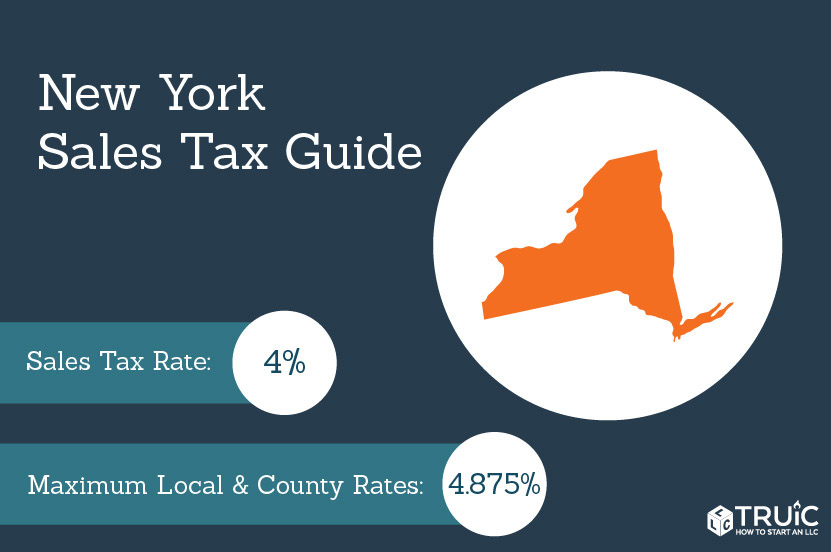
The foundation of New York’s sales tax is the state-level rate. This rate is applied uniformly across the entire state and currently stands at 4%. This portion of the tax directly supports New York State’s general fund, financing essential public services, infrastructure projects, and state government operations. While this rate is constant, it’s only one piece of the puzzle.
County Sales Tax
Beyond the state levy, each of New York’s 62 counties has the authority to impose its own sales tax. These county rates can vary considerably, reflecting the different fiscal needs and priorities of each county government. County sales taxes are added on top of the state sales tax, increasing the total tax burden for consumers within that specific county. For example, a county with a higher demand for local services or facing greater financial obligations might implement a higher county sales tax rate compared to a less populated or more fiscally stable county.
Metropolitan Commuter Transportation District (MCTD) Surcharge
A notable addition to the sales tax structure, particularly relevant for a large segment of the state’s population and visitors, is the Metropolitan Commuter Transportation District (MCTD) surcharge. This surcharge applies to sales within the 12 counties that constitute the MCTD. These counties include New York City, Long Island (Nassau and Suffolk counties), and several surrounding counties north of the city. The MCTD surcharge is dedicated to funding the region’s public transportation infrastructure, including the Metropolitan Transportation Authority (MTA) and its vast network of subways, buses, and commuter rail lines.
City and Local Sales Taxes
In addition to state and county taxes, many cities, towns, and villages within New York have the option to impose their own local sales taxes. These can further increase the total sales tax rate, particularly in highly urbanized areas with significant local needs. New York City, for instance, has its own city sales tax rate that is added to the state and MCTD rates. This layered approach means that the combined sales tax rate can fluctuate significantly from one municipality to another, even within the same county.
Sales Tax Rates Across Key New York Destinations
To provide practical insights, let’s examine the sales tax rates in some of New York’s most popular travel destinations. This will help travelers anticipate the actual tax added to their purchases, whether they are dining at a world-class restaurant, buying souvenirs, or acquiring tickets for a Broadway show.
New York City
New York City, a global epicenter of tourism and commerce, has one of the highest sales tax rates in the state. The combined rate is a sum of the state sales tax, the MCTD surcharge, and the city’s own sales tax.
- State Sales Tax: 4%
- MCTD Surcharge: 0.375%
- New York City Sales Tax: 4.5%
Total Sales Tax in New York City: 8.875%
This rate applies to most tangible personal property and taxable services purchased within the five boroughs of New York City. This includes everything from a souvenir t-shirt in Times Square to a designer handbag on Fifth Avenue.
Long Island (Nassau and Suffolk Counties)
Long Island, encompassing Nassau and Suffolk counties, is another highly visited region. While it is part of the MCTD, its county sales tax rates differ from New York City.
- State Sales Tax: 4%
- MCTD Surcharge: 0.375%
- Nassau County Sales Tax: 3.625%
- Suffolk County Sales Tax: 3.625%
Total Sales Tax in Nassau County: 8%
Total Sales Tax in Suffolk County: 8%
Travelers exploring the beaches of The Hamptons or visiting attractions like Jones Beach State Park will encounter these rates.
Other Popular Regions
The sales tax rates in other regions of New York can vary. For instance, areas outside the MCTD will not have the 0.375% surcharge.
- Albany County: State (4%) + County (3%) = 7%
- Monroe County (Rochester area): State (4%) + County (4%) = 8%
- Erie County (Buffalo area): State (4%) + County (4%) = 8%
It’s important to note that some cities within these counties may also impose additional local sales taxes, leading to even higher combined rates. For instance, some cities in Upstate New York might have a combined rate that exceeds 8%. Always check the specific locality you are visiting for the most accurate rate.
What Is Taxable in New York?
Understanding what items and services are subject to sales tax is as important as knowing the rate itself. In New York, most tangible personal property is taxable. This includes clothing, electronics, furniture, and souvenirs. However, there are some important exceptions for travelers.
Exemptions and Deductions
- Certain Food and Drinks: Prepared food purchased from a restaurant or caterer is generally taxable. However, most grocery store food items intended for home consumption are exempt from sales tax. This distinction can be significant for travelers looking to save money on meals.
- Clothing and Footwear: Essential clothing and footwear items under $110 per item are exempt from state sales tax. This exemption does not apply to county or local taxes, so the total tax may still be applied if local taxes are higher. This exemption is particularly beneficial for travelers who might be purchasing attire during their visit.
- Prescription Drugs and Over-the-Counter Medications: These are generally exempt from sales tax.
- Newspapers: Most newspapers are exempt.
Taxable Services
A wide array of services are also subject to sales tax in New York. These can include:
- Hotel Stays: While the room rate itself is subject to sales tax, additional services provided by the hotel, such as food and beverage charges, parking fees, and spa treatments, are also typically taxed. The exact tax rate on hotel stays can be complex, often including state, county, and sometimes local taxes.
- Restaurant Meals: As mentioned, prepared food from restaurants, bars, and caterers is generally taxable.
- Admissions and Entertainment: Tickets to movies, concerts, sporting events, and other forms of entertainment are usually taxed. This applies to attractions like a show at a Broadway theater or a visit to a museum.
- Repair and Maintenance Services: Services that alter or improve tangible personal property are often taxable.
- Personal Care Services: Services like haircuts, manicures, and massages are generally subject to sales tax.
Tips for Travelers Regarding New York Sales Tax
Being aware of New York’s sales tax rules can help travelers manage their expenses more effectively and avoid unexpected costs.
Plan Your Purchases
Before making significant purchases, especially in high-tax areas like New York City, consider the impact of the sales tax. If you are traveling between different localities within New York, be aware that the tax rate might change, potentially offering minor savings on purchases made in lower-tax areas. However, for most tourists, the primary destinations will have relatively consistent, and often high, tax rates.
Look for Exemptions
Take advantage of any available exemptions. For instance, if you are purchasing clothing items that qualify for the exemption, ensure the vendor applies it correctly. Similarly, understanding the difference between taxable prepared food and non-taxable grocery items can lead to savings.
Factor Tax into Your Budget
When setting a travel budget, always factor in the sales tax. If you plan to spend a certain amount on shopping or dining, add the relevant sales tax percentage to that figure to get a more realistic total cost. For a New York City trip, expecting an additional 8.875% on many purchases is a sound budgeting strategy.
Research Specific Local Taxes
If your itinerary includes destinations outside the major cities, it is wise to do a quick online search for the specific sales tax rate for that particular county or municipality. The New York State Department of Taxation and Finance website provides detailed information and tools for checking sales tax rates by location.
Conclusion: Navigating the Fiscal Landscape of the Empire State
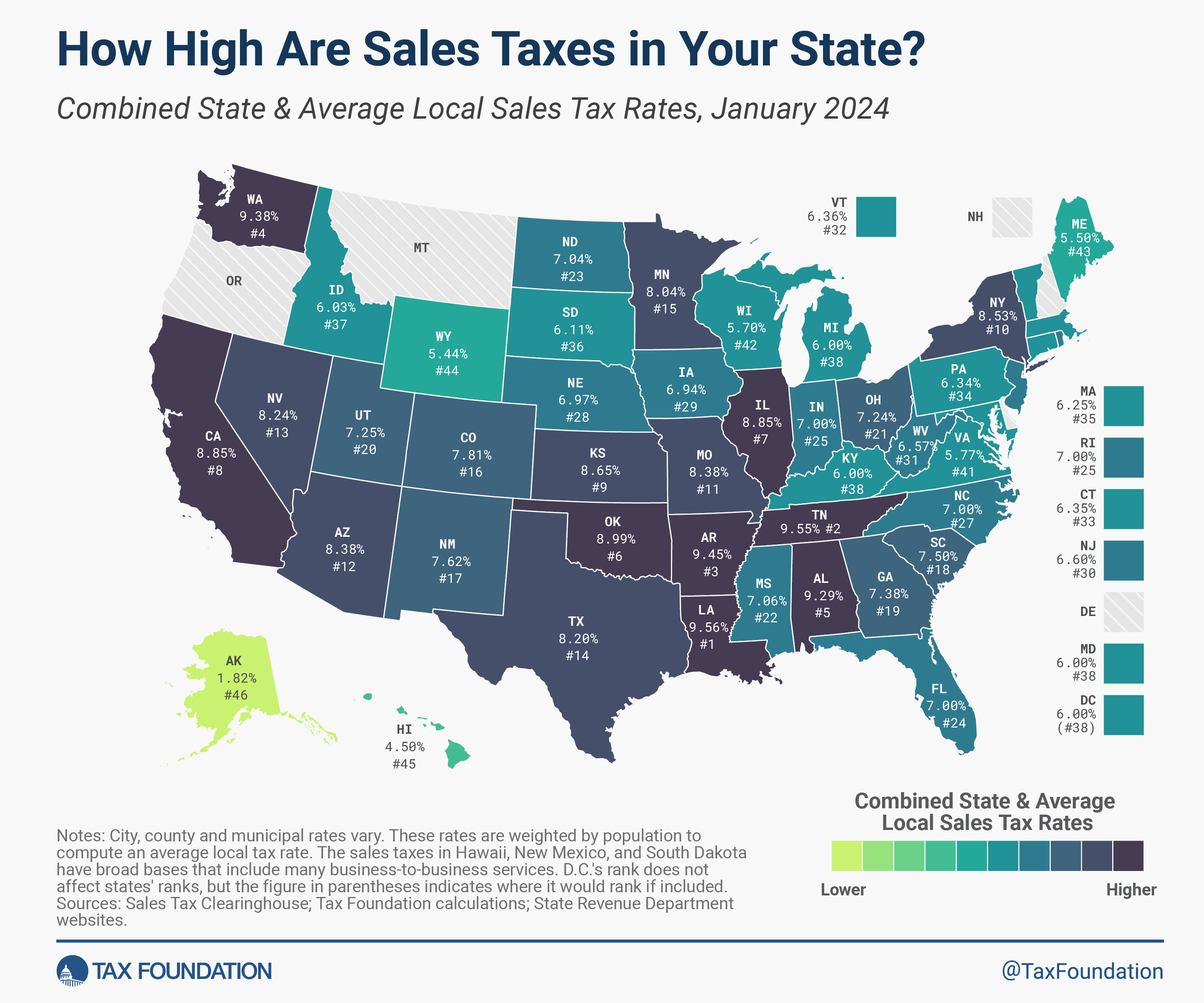
Understanding the sales tax in New York is an integral part of preparing for a visit. The state’s multi-layered tax system, combining state, county, and local rates, means that the final price of goods and services can vary considerably. By familiarizing yourself with the components of sales tax, the rates in popular destinations like New York City and Long Island, and the rules around taxable and exempt items, you can navigate the fiscal landscape with confidence. This knowledge empowers you to budget more accurately, make informed purchasing decisions, and ultimately enhance your travel experience in the diverse and dynamic state of New York. Whether you are admiring the skyline from a rooftop bar in Manhattan or exploring the natural beauty of a state park, a clear understanding of sales tax ensures your focus remains on enjoying all that New York has to offer.
LifeOutOfTheBox is a participant in the Amazon Services LLC Associates Program, an affiliate advertising program designed to provide a means for sites to earn advertising fees by advertising and linking to Amazon.com. Amazon, the Amazon logo, AmazonSupply, and the AmazonSupply logo are trademarks of Amazon.com, Inc. or its affiliates. As an Amazon Associate we earn affiliate commissions from qualifying purchases.