
Understanding Winter’s Embrace in the Big Apple
The question, “How much snow does New York City get?” is one that resonates with locals and prospective visitors alike, painting a picture of a city transformed by winter’s touch. While often associated with iconic summer scenes, New York City experiences a distinct and often dramatic winter season. The amount of snowfall can vary significantly year to year, influenced by complex meteorological patterns, but understanding the averages, historical extremes, and the impact of these snowy periods offers a richer appreciation for the city’s resilience and charm. This exploration delves into the nuances of winter precipitation in New York City, providing insights for those planning a visit or simply curious about this urban phenomenon.

Average Snowfall and Seasonal Patterns
On average, New York City receives approximately 25 to 30 inches of snow annually. This figure, however, is a generalization that masks considerable variability across different boroughs and, more importantly, from one winter to the next. The bulk of this snowfall typically occurs between December and March, with January and February often being the snowiest months.
The distribution of snow isn’t uniform across the city. Coastal areas and the eastern parts of Long Island might experience slightly more snowfall due to their proximity to the Atlantic Ocean, while inland areas, including parts of the Bronx and Upper Manhattan, might see marginally less. Yet, the sheer scale of the metropolitan area means that even a moderate snowfall can blanket a vast urban landscape.
The typical winter pattern involves a series of cold fronts ushering in frigid air, followed by the arrival of moisture that can precipitate as snow. The intensity and duration of these events are key determinants of how much snow accumulates. A fast-moving system might deliver a few inches, while a slower, more sustained storm, often referred to as a “nor’easter,” can dump a foot or more.
Understanding Nor’easters
Nor’easters are powerful storm systems that form along the Atlantic coast of the United States and are characterized by strong northeasterly winds. When these storms track close enough to New York City with sufficient cold air in place, they are capable of producing significant snowfall, often accompanied by high winds, coastal flooding, and disruptions to transportation. These are the events that most dramatically shape New York City’s winter character, turning streets into snowy vistas and testing the city’s preparedness.
Historical Snowfall Extremes: When Winter Unleashed its Full Force
While average snowfall provides a baseline, historical records reveal instances where New York City has been buried under extraordinary amounts of snow. These extreme events offer a fascinating glimpse into winter’s potential power and the city’s response.
The Blizzard of 1888
One of the most legendary snowstorms in New York City history is the Great Blizzard of 1888. From March 12th to March 14th, a massive nor’easter paralyzed the Northeast, dropping an astonishing 20 to 22 inches of snow in New York City. The snow was accompanied by hurricane-force winds, creating drifts that reached 30 to 40 feet in height. The city ground to a halt, with transportation systems completely overwhelmed. Telegraph lines were downed, isolating the city. This event spurred significant infrastructure changes, including the underground burial of telegraph and telephone wires, a precursor to modern utility systems.
The Snowmageddon of 2010
More recently, the Presidents’ Day Weekend Snowstorm of 2010, often dubbed “Snowmageddon,” brought a substantial amount of snow to the region. On February 6th, New York City recorded 20.9 inches of snow at Central Park, making it the second-largest snowfall on record for a single day. The storm caused widespread travel chaos, with numerous flights canceled at JFK Airport and LaGuardia Airport, and public transportation services significantly curtailed.
The 2016 Blizzard: Record-Breaking Totals
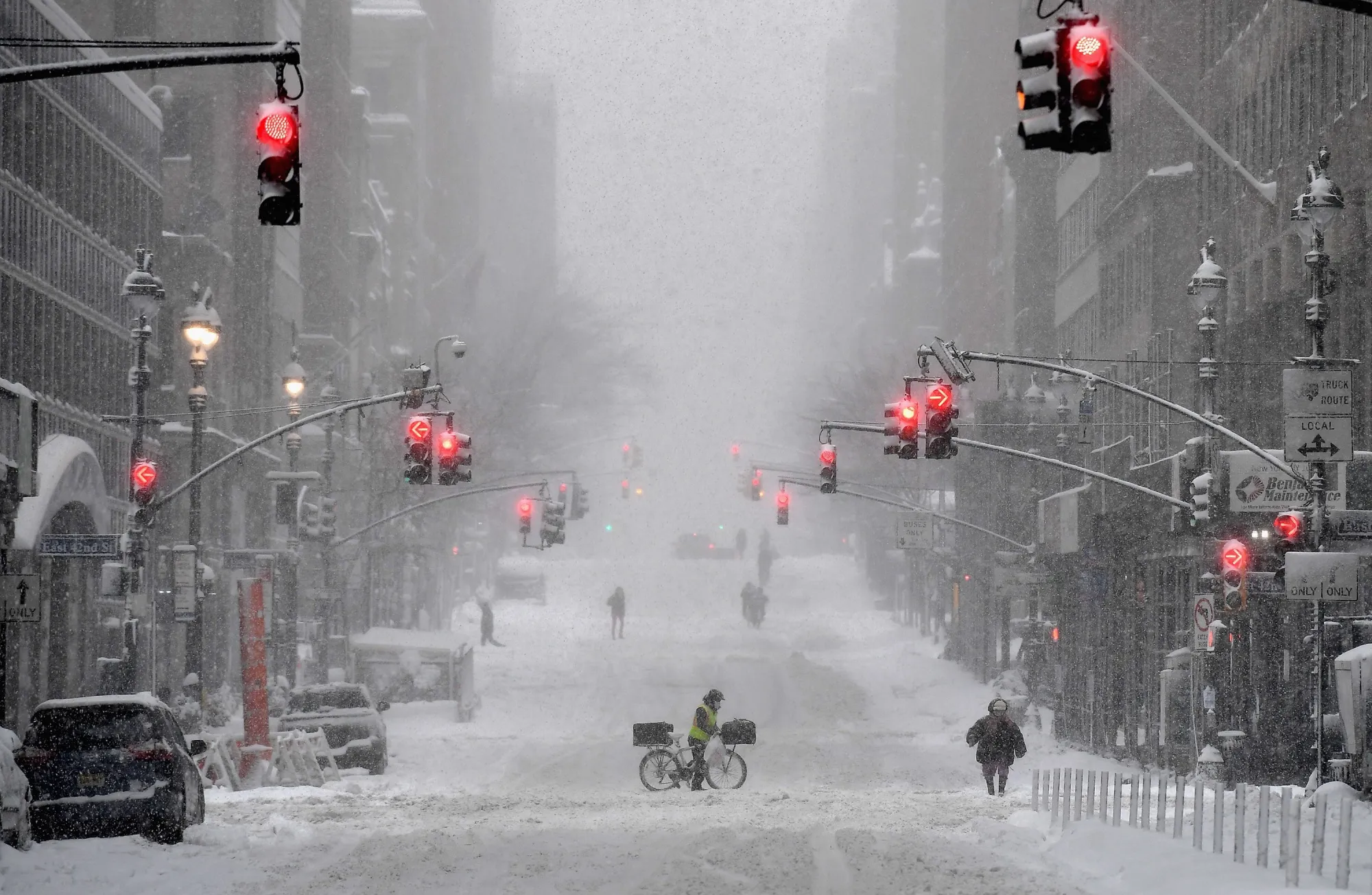
The winter of 2015-2016 proved to be exceptionally snowy for New York City. A massive blizzard in late January 2016 brought a staggering 26.8 inches of snow to Central Park over a two-day period, setting a new record for the largest single snowstorm in the city’s history. This event was part of a larger storm system that impacted much of the Eastern Seaboard. The sheer volume of snow led to widespread closures, including the suspension of MTA subway service above ground, significant delays at airports, and the declaration of a state of emergency.
The Impact of Snowfall on New York City
Snowfall in New York City is more than just a meteorological event; it’s a cultural and logistical force that shapes daily life and the visitor experience.
Transportation and Infrastructure
Heavy snowfall presents significant challenges to New York City’s vast transportation network. The MTA operates one of the most extensive public transit systems in the world, and while it is designed to withstand winter weather, extreme conditions can lead to delays, service reductions, or even suspensions, particularly for above-ground subway lines and commuter rail services like the Long Island Rail Road and Metro-North Railroad. Roadways also become hazardous, with snowplows working tirelessly to clear streets. However, navigating by car or taxi can become difficult, and parking restrictions are often strictly enforced during snow emergencies. Air travel into and out of the city’s major airports, including JFK, LaGuardia, and Newark Liberty International Airport (though technically in New Jersey, it serves the New York City metropolitan area), is frequently subject to cancellations and delays.
Economic and Social Effects
Snowstorms can have a tangible economic impact. Businesses may close, leading to lost revenue, while others, like snow removal services and hardware stores, might see increased demand. The retail sector, particularly around the holiday season, can be affected by shoppers staying home. However, there’s also a unique social dimension. For residents, a significant snowfall can bring a sense of shared experience, encouraging activities like snowball fights in Central Park or simply enjoying the transformed urban landscape. Many restaurants and cafes offer cozy retreats, and the sight of iconic landmarks dusted in snow adds a special, albeit sometimes challenging, beauty to the city.
Preparing for Winter Visitors
For tourists, understanding the potential for snow is crucial for planning. Visiting New York City in winter can be a magical experience, with holiday decorations still lingering in early January and the opportunity to enjoy indoor attractions like museums, Broadway shows, and world-class dining. However, packing appropriately is essential. Layers of warm clothing, waterproof footwear, hats, and gloves are non-negotiable. It’s also advisable to build flexibility into travel plans, particularly during the peak winter months, and to stay informed about weather forecasts and public transportation updates. Booking accommodations like the Plaza Hotel or the St. Regis New York can offer luxurious warmth, while many boutique hotels in areas like Greenwich Village provide a charming urban escape. Checking hotel policies regarding winter weather disruptions can also be prudent.
Winter Activities and the Snowy Cityscape
Despite the challenges, a snow-covered New York City offers unique opportunities for exploration and enjoyment.
Embracing the Snow
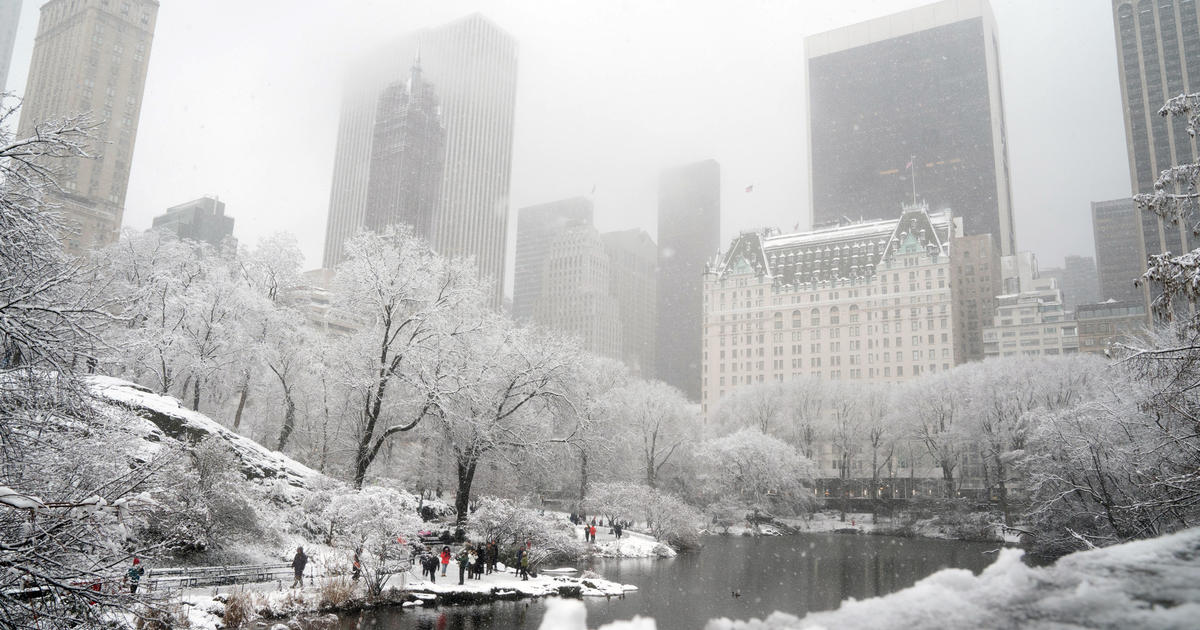
When the snow falls, familiar urban landscapes take on a different character. Central Park transforms into a winter wonderland, offering opportunities for sledding, cross-country skiing, or simply a picturesque stroll. The Brooklyn Bridge provides a dramatic backdrop to the snow-laden skyline. Many residents and visitors venture out to capture photographs of iconic sights like the Empire State Building or the Statue of Liberty veiled in white. Ice skating rinks, such as the one at Rockefeller Center or Bryant Park, become even more enchanting.
Indoor Escapes and Cozy Comforts
For those who prefer to stay warm, New York City boasts an abundance of indoor attractions. World-class museums like the Metropolitan Museum of Art and the Museum of Modern Art offer hours of cultural immersion. The theater district buzzes with Broadway performances. Exploring diverse neighborhoods, each with its own unique character and culinary scene, provides a welcome respite from the cold. From the cozy cafes of the West Village to the bustling restaurants of Chinatown, there are endless opportunities to savor the city’s flavors.
The question of “How much snow does New York City get?” reveals a city that is both resilient and adaptable to the whims of winter. While the averages provide context, the extremes highlight the dramatic transformations that can occur. Whether blanketed in a gentle dusting or buried under a major blizzard, New York City continues to captivate with its enduring spirit, offering a unique and memorable experience for all who visit, regardless of the season.
LifeOutOfTheBox is a participant in the Amazon Services LLC Associates Program, an affiliate advertising program designed to provide a means for sites to earn advertising fees by advertising and linking to Amazon.com. Amazon, the Amazon logo, AmazonSupply, and the AmazonSupply logo are trademarks of Amazon.com, Inc. or its affiliates. As an Amazon Associate we earn affiliate commissions from qualifying purchases.