
New York steak, also known as strip steak or Kansas City strip, is a beloved cut of beef celebrated for its rich marbling, tender texture, and robust flavor. While many opt to purchase pre-cut steaks from their butcher or grocery store, understanding how to properly cut a New York steak from a larger primal cut offers a rewarding culinary experience and significant cost savings. This guide will walk you through the process, from selecting the right piece of beef to achieving perfectly portioned steaks ready for the grill or pan. Whether you’re a home cook looking to elevate your steak game or a budding butcher, mastering this technique will unlock a new level of appreciation for this classic cut.
Selecting Your Primal Cut
The foundation of a great New York steak lies in the quality of the beef you start with. The New York steak originates from the short loin, a prime section of the cow located behind the ribs and in front of the sirloin. This area is known for its tenderness due to the limited work the muscles perform. When purchasing a primal cut for home butchery, you’ll typically be looking for either a whole strip loin or a bone-in strip loin, often referred to as a shell steak or a bone-in ribeye if still attached to the rib cage.
Understanding the Short Loin
The short loin is a complex primal cut that yields several premium steaks. It can be divided into two main sections: the larger anterior (front) portion, which is where the New York steak is found, and the posterior (back) portion, which includes the tenderloin. When purchasing a whole strip loin, you are essentially acquiring the muscle that will be transformed into multiple New York steaks. The quality of the beef is paramount, and factors such as the breed of cattle, their diet (grass-fed versus grain-finished), and the aging process all contribute to the final flavor and texture of the steak.
Assessing Beef Quality
When selecting your strip loin, look for bright, cherry-red coloration in the meat, which indicates freshness. Fat, known as marbling, should be evenly distributed throughout the muscle in thin streaks. This intramuscular fat melts during cooking, basting the meat from within and contributing to its succulence and flavor. Avoid cuts with a dull or grayish hue, or those that appear dry. If you are purchasing from a reputable butcher, do not hesitate to ask about the origin of the beef, its age, and any special feeding or aging practices. A well-aged strip loin will have a slightly darker color and a more pronounced, beefy aroma.
Tools of the Trade
Before embarking on your butchery journey, ensure you have the essential tools. A sharp, high-quality boning knife or a flexible filet knife is crucial for precise cuts. A long, sharp slicing knife is also indispensable for portioning the steaks. A cutting board that is large and stable is a must, providing ample space to work and a safe surface. For removing the silver skin and excess fat, a sharp utility knife or a dedicated trimming knife will be beneficial. Maintaining the sharpness of your knives is not just about efficiency; it’s also about safety, as dull knives are more prone to slipping.
Preparing the Strip Loin for Cutting
Once you have your chosen strip loin, the next step is to prepare it for precise slicing. This involves trimming away any excess fat cap, silver skin, and potentially separating the strip loin from any attached bone if you’re working with a bone-in cut. This preparation ensures that each steak you cut is uniform in thickness and quality, making for a more consistent cooking and eating experience.
Trimming the Fat Cap
Most strip loins will have a significant fat cap on one side. While some fat is desirable for flavor, an overly thick cap can overwhelm the steak. Using your sharpest trimming knife, carefully begin to shave away the excess fat. Aim to leave a layer of fat approximately ¼ to ½ inch thick. This remaining fat will render during cooking, adding moisture and flavor to the steak. Work slowly and methodically, following the natural contours of the meat. Avoid cutting into the lean muscle as much as possible.
Removing the Silver Skin
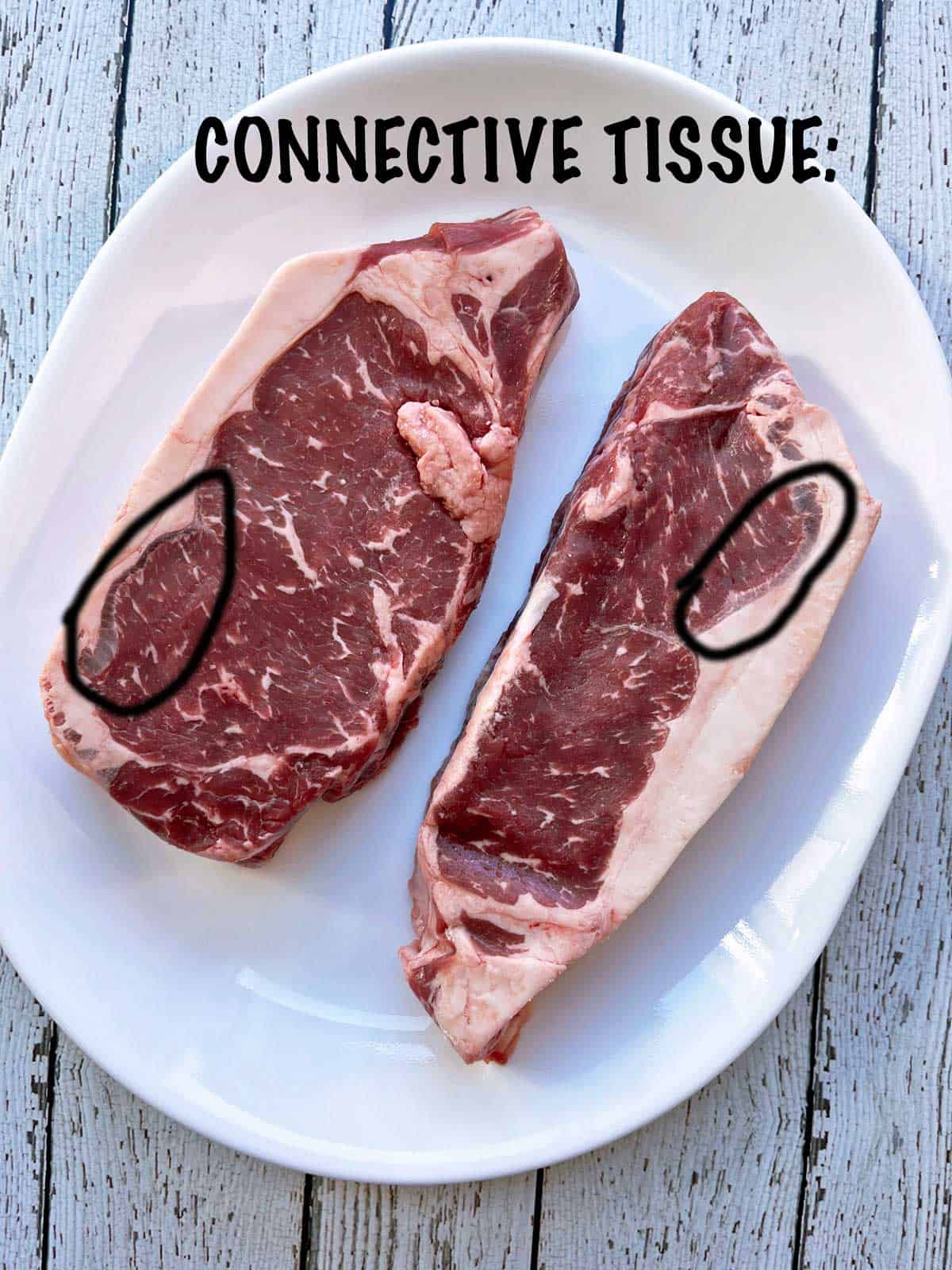
Silver skin is a thin, iridescent membrane that lies over the muscle. It is tough and does not render down during cooking, so it’s essential to remove it. Slide the tip of your boning knife underneath a section of the silver skin, angling the blade slightly upwards. Gently pull the silver skin away with one hand while making long, shallow cuts with the knife, following the grain of the muscle. It’s often easiest to tackle the silver skin in sections. Be patient with this process, as it can be a bit fiddly, but the reward is a more tender steak.
Detaching from the Bone (if applicable)
If you have a bone-in strip loin, you will need to separate the steaks from the bone. This typically involves carefully working your boning knife between the bones and the meat. Follow the natural lines of separation, being mindful not to waste any meat. For a cleaner separation, you may also need to trim away any connective tissue that attaches the meat to the bone. This step requires a good understanding of the anatomy of the cut and a very sharp knife.

The Art of Cutting New York Steaks
With the strip loin properly prepared, you are now ready for the most critical step: cutting the steaks. Precision and consistency are key here to ensure that each steak cooks evenly and delivers the best possible eating experience. The ideal thickness for a New York steak is typically between 1 to 1.5 inches, though personal preference can dictate slight variations.
Establishing a Straight Edge
Before you begin slicing, it’s helpful to establish a straight edge on the strip loin if one doesn’t already exist from your trimming. This will provide a stable surface for your knife and ensure your initial cuts are perpendicular to the muscle fibers. You can achieve this by making a very shallow, straight cut along one of the longer sides of the loin.
Measuring and Slicing
Now, it’s time to portion. Use your slicing knife to make clean, decisive cuts. For consistent thickness, you can:
- Visual Estimation: With practice, you can develop a good eye for consistent thickness.
- Marker Method: Lightly score the loin with the tip of your knife at your desired intervals before making the full cut.
- Ruler/Calipers (for extreme precision): While not common for home butchery, you could technically use a ruler or calipers to mark your desired steak thickness before cutting.
Hold the strip loin firmly with your non-dominant hand, keeping your fingers tucked away from the blade. Position your slicing knife perpendicular to the loin and draw the blade back through the meat in a smooth, sawing motion. Avoid pressing down too hard, which can compress the meat. Aim for a single, clean pass. Rotate the loin as needed to make each cut.
Cutting Against the Grain
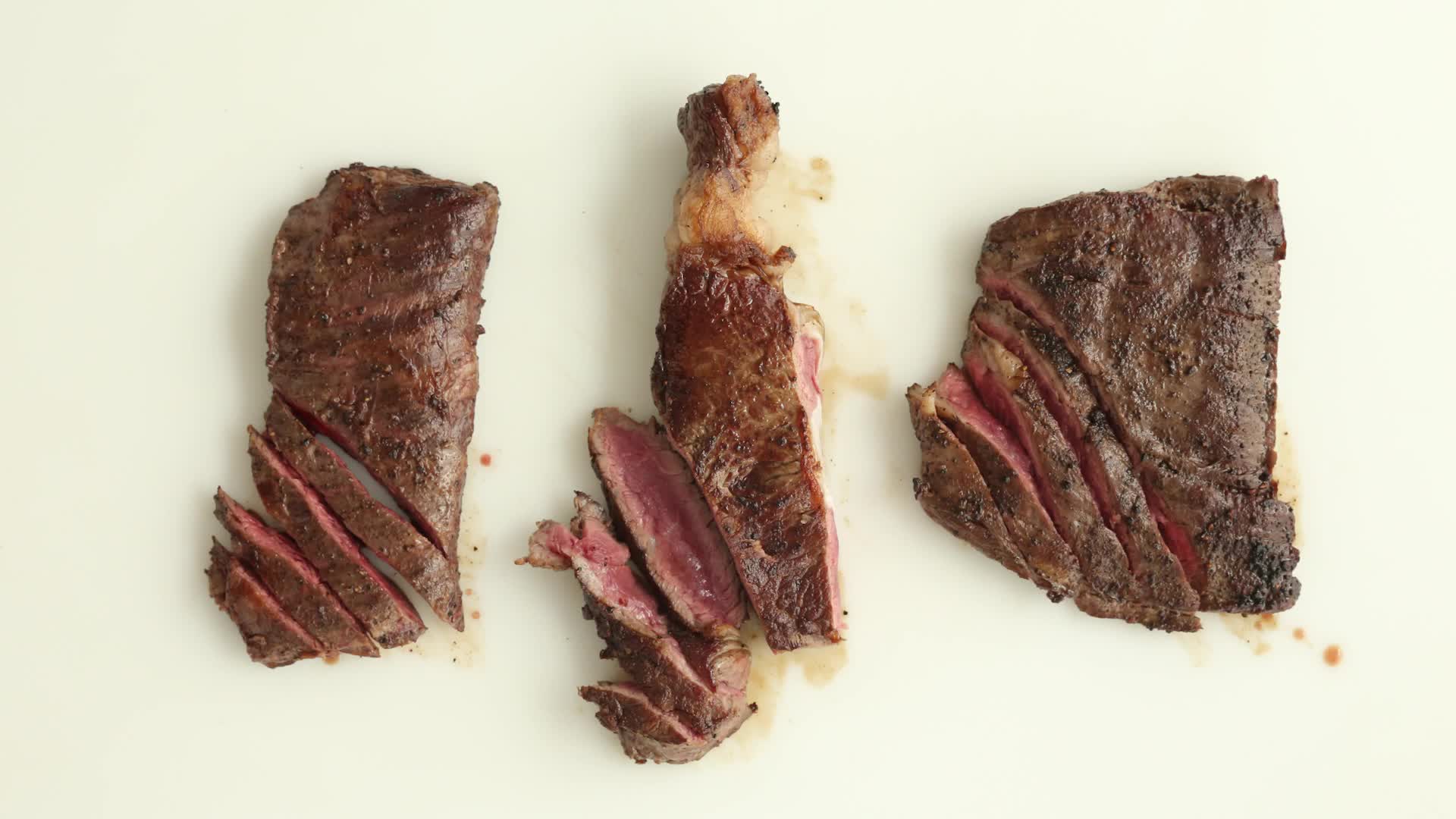
For the most tender steak, it’s crucial to cut against the grain. The grain refers to the direction in which the muscle fibers are aligned. After cutting your steaks, examine the cut surface. You will see the direction of the muscle fibers. When you eat the steak, you want to cut across these fibers, as this shortens them and makes the meat easier to chew. When portioning the loin, you are essentially cutting perpendicular to the long axis of the muscle, which typically aligns with the direction you’ll want to slice for eating. However, if you notice a particular section with a different grain direction, you might need to adjust your slicing to be perpendicular to that specific orientation.
Packaging and Storage
Once your New York steaks are cut, they are ready for immediate cooking or storage. For optimal freshness, it’s best to vacuum-seal them or wrap them tightly in plastic wrap followed by a layer of aluminum foil or butcher paper. If freezing, place the steaks in a single layer on a baking sheet until frozen, then transfer them to a freezer bag or container to prevent freezer burn. Properly stored, steaks can last for several months in the freezer. If refrigerating, use them within 2-3 days.
Maximizing Your New York Steak Experience
Cutting your own New York steaks offers not only the satisfaction of a DIY culinary achievement but also the opportunity to experiment with different thickness and tailor cuts to your specific needs. Whether you’re preparing for a backyard barbecue with friends or an intimate dinner for two, the pride of serving perfectly cut, high-quality steaks is immense.
Steak Thickness Considerations
The thickness of your New York steak significantly impacts how it cooks. Thicker steaks (1.5 inches or more) are more forgiving, allowing for a beautiful sear on the outside while maintaining a perfectly medium-rare to medium interior. They are ideal for grilling or pan-searing. Thinner steaks (under 1 inch) cook very quickly and are more prone to overcooking. They are often better suited for methods like broiling or for dishes where the steak is thinly sliced after cooking. When you cut your own steaks, you have the luxury of choosing the perfect thickness for your intended cooking method and personal preference.
Utilizing Leftover Trimmings
Don’t let those flavorful trimmings go to waste! The excess fat you trimmed can be rendered down to create delicious beef tallow, which is an excellent cooking fat for searing other meats, roasting vegetables, or even for making homemade fries. The leaner trim can be ground for high-quality beef burgers or used to make beef stock, adding a rich depth of flavor to soups and stews. Even the bones, if you’ve worked with a bone-in cut, can be roasted and simmered to create a deeply flavored beef broth.
The Joy of the Process
The act of butchering, even on a small scale, connects you more deeply with your food. It fosters an appreciation for the animal and the skill involved in transforming a primal cut into individual portions. This hands-on approach can be incredibly rewarding, offering a sense of accomplishment and a deeper understanding of the ingredients you use in your kitchen. The journey from a whole strip loin to perfectly prepared New York steaks is a testament to the rewarding nature of home cooking and culinary exploration.
LifeOutOfTheBox is a participant in the Amazon Services LLC Associates Program, an affiliate advertising program designed to provide a means for sites to earn advertising fees by advertising and linking to Amazon.com. Amazon, the Amazon logo, AmazonSupply, and the AmazonSupply logo are trademarks of Amazon.com, Inc. or its affiliates. As an Amazon Associate we earn affiliate commissions from qualifying purchases.