
The New York City subway system is an iconic and indispensable part of life in the Big Apple. For visitors, mastering its intricate network is not just about getting from point A to point B; it’s an essential step in experiencing the city like a local, unlocking its vast cultural offerings, and navigating its diverse neighborhoods with confidence. While its sprawling complexity can initially seem daunting, with a little preparation and understanding, you’ll find the subway to be an efficient, affordable, and surprisingly engaging way to explore New York City. This guide aims to demystify the system, equipping you with the knowledge to ride the rails like a seasoned New Yorker.
Understanding The Subway System
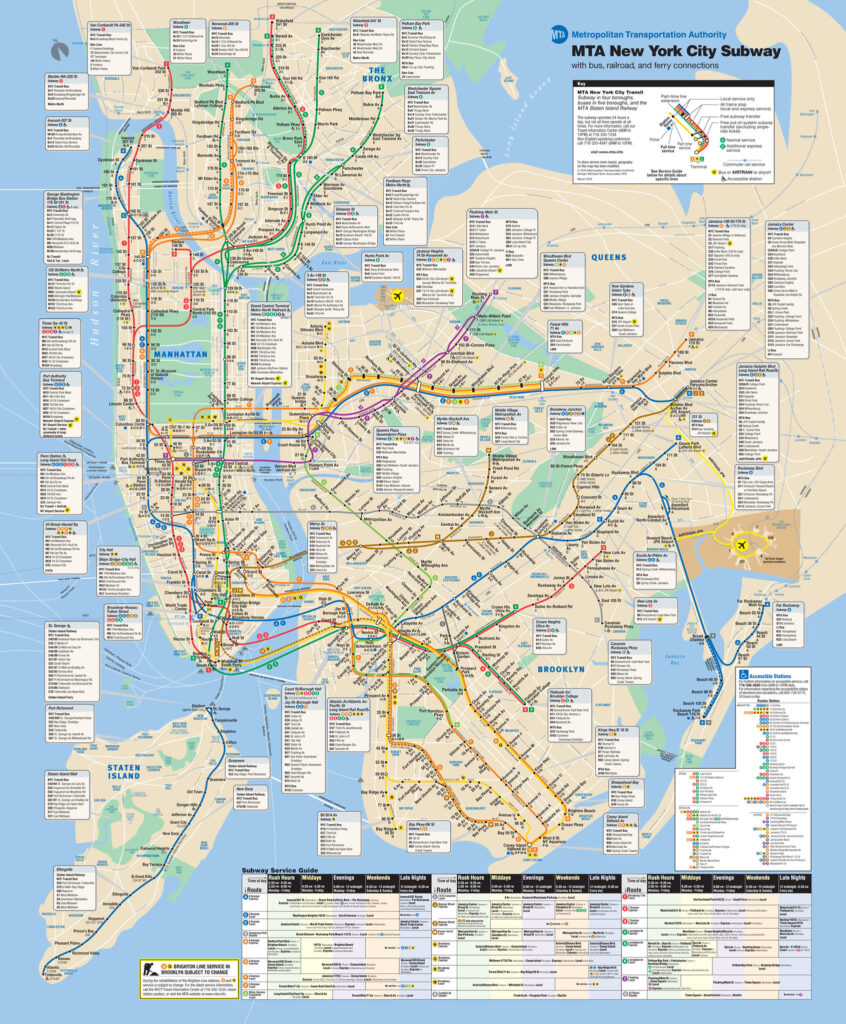
At its core, the New York City subway is a 24/7 public transportation network operated by the Metropolitan Transportation Authority (MTA). It comprises over 472 stations and more than 664 miles of track, making it one of the largest and busiest subway systems in the world. The system is designed to serve all five boroughs: Manhattan, Brooklyn, Queens, the Bronx, and Staten Island (though Staten Island Railway is a separate, though integrated, service).
Decoding The Lines and Directions
The subway lines are identified by letters (A, B, C, D, etc.) and numbers (1, 2, 3, etc.), and some have combined designations (like the 7 train). Each line is color-coded for easier identification. Crucially, trains run in two directions: Uptown/Downtown in Manhattan, and Eastbound/Westbound or specific borough destinations in the other boroughs.
- Uptown vs. Downtown: In Manhattan, “Uptown” generally refers to trains heading towards Upper Manhattan, the Bronx, or Queens. “Downtown” refers to trains heading towards Lower Manhattan, Brooklyn, or Queens. The most definitive way to know is to look at the signs above the platforms.
- Local vs. Express: Some lines have both local and express trains. Local trains stop at every station, while express trains skip many stations to make faster progress. This is a vital distinction for timely travel. The station signage clearly indicates whether a train is local or express. Look for the solid circle for local stops and a diamond for express stops on the system map.
- Line Designations: Pay close attention to the specific letter or number of the train. For instance, the A, C, and E trains are all on the same track in parts of Manhattan, but they serve different destinations and have different stopping patterns. Always confirm the final destination of the train displayed on the front of the car and on the platform signs.
Navigational Tools
- MTA Trip Planner: The official MTA website and app offer a robust trip planner that can guide you from your starting point to your destination, suggesting the best routes, transfers, and estimated travel times.
- Subway Maps: Physical maps are available at most stations, and digital versions are readily accessible online and through various transit apps. Familiarize yourself with the map before your journey. Look for the icons indicating stations, transfer points, and the color-coded lines.
- Station Signage: Once inside the station, follow the signs carefully. They will direct you to the correct platform for Uptown/Downtown or Eastbound/Westbound trains. Signs indicating train lines and their destinations are prominently displayed.
Planning Your Journey
Effective planning is the cornerstone of a stress-free subway experience. This involves understanding fares, navigating station entrances, and knowing how to make transfers.
Fares and Payment
The standard fare for a single subway ride is a fixed amount, regardless of distance. Payment is handled through OMNY (One Metro New York), the MTA’s contactless payment system, or by purchasing a MetroCard.
- OMNY: This is the most convenient method. You can tap your contactless credit/debit card, smartphone, smartwatch, or a wearable device directly on the OMNY reader at the turnstile. OMNY also offers a “tap and go” fare capping system, meaning after a certain number of rides within a week, subsequent rides become free.
- MetroCard: While OMNY is the future, MetroCards are still in use. You can purchase them from vending machines in stations or at authorized retailers. Vending machines accept cash and credit cards. You can load a “Pay-Per-Ride” value onto the card or opt for a “Unlimited Ride” MetroCard for a set duration (e.g., 7-day or 30-day unlimited). For tourists, a 7-day unlimited pass can be a cost-effective option if you plan to use the subway extensively.
Station Entrances and Exits
Subway entrances are marked by green globes (for 24-hour access) or red globes (for stations with limited hours). Inside, you’ll encounter turnstiles.
- Entering: Have your OMNY device or MetroCard ready. For OMNY, simply tap your device on the reader. For MetroCard, swipe it through the reader slot until you hear a click and the light turns green. Ensure your card has sufficient value or is an unlimited pass.
- Exiting: In most stations, you simply walk through the turnstiles; there’s no need to swipe on exit. However, be aware of any station-specific exit requirements, though these are rare.
Making Transfers
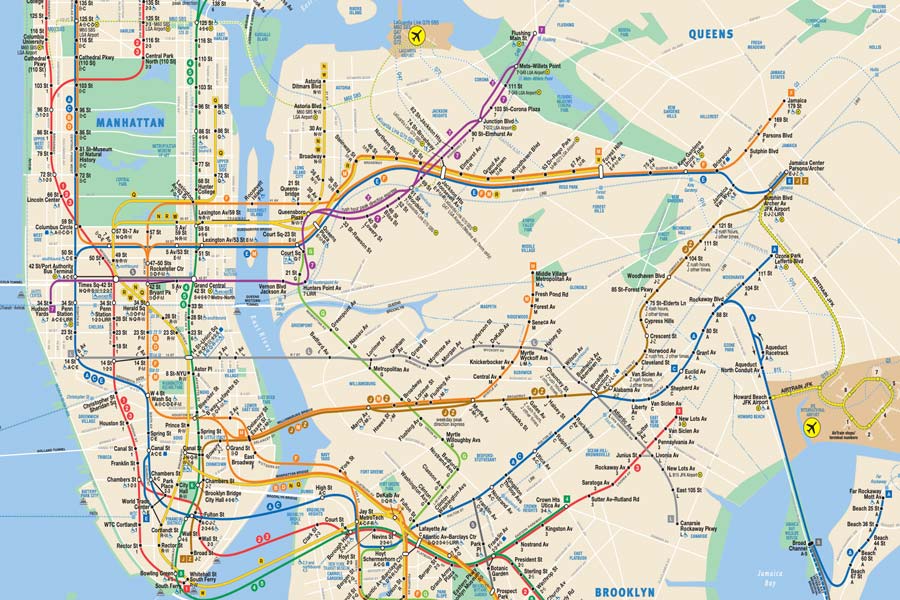
Transfers are often necessary to reach your desired destination. The subway system is designed to facilitate this.
- Free Transfers: Within the subway system, you can usually transfer between lines at designated transfer stations without paying an additional fare. These stations are clearly marked on maps and signage.
- Navigating Transfers: Once you arrive at a transfer station, follow the signs for the line and direction you need. Sometimes, this involves walking through a connecting passageway, and other times, it means going up to street level and re-entering through a different entrance that serves the connecting line. Always confirm the direction and destination of your next train.
Riding the Subway: Etiquette and Safety
Being a good subway rider involves a blend of courtesy and awareness. Understanding basic etiquette and safety protocols will enhance your experience and contribute to a smoother journey for everyone.
Subway Etiquette
- Let Passengers Exit First: Before boarding, stand to the side of the train doors and allow passengers to disembark completely. This is crucial for efficient boarding and prevents congestion.
- Offer Your Seat: If you are able-bodied, offer your seat to elderly passengers, pregnant women, or individuals with disabilities. This is a sign of respect and consideration.
- Keep the Aisles Clear: Avoid blocking the aisles or doorways with luggage or bags. Stow your belongings under your seat or on your lap if possible, especially during crowded times.
- Keep Volume Down: Be mindful of noise levels. Avoid loud conversations, playing music without headphones, or speaking loudly on your phone.
- Mind the Gap: A classic subway warning, “Mind the gap,” refers to the space between the train and the platform. Be cautious when boarding and alighting.
Safety Tips
- Stay Aware of Your Surroundings: Always be aware of who is around you, especially when entering or exiting stations and during your ride.
- Secure Your Valuables: Keep your belongings close and secure. Avoid displaying expensive items or large amounts of cash.
- Travel with Others if Possible: If you are traveling late at night or are unfamiliar with the area, consider traveling with a companion.
- Know Your Station: Before you arrive at your destination, familiarize yourself with the station layout and the exits. If you are unsure, ask a fellow passenger or a transit worker for assistance.
- If You Feel Unsafe: If you experience any discomfort or feel unsafe, move to a more populated area of the train or station, or alert a transit employee. The MTA Police are present throughout the system.
- Emergency Exits and Alarms: Familiarize yourself with the location of emergency call boxes and alarms within stations and on train platforms.
Beyond the Basics: Advanced Tips for the Savvy Traveler
Once you’ve grasped the fundamentals, a few advanced strategies can elevate your subway navigation from functional to masterful.
Understanding Rush Hour and Off-Peak Travel
- Rush Hour: The morning (roughly 7 AM to 9:30 AM) and evening (roughly 4 PM to 7 PM) rush hours are the busiest times on the subway. Trains will be crowded, and you may have to wait for the next train if you can’t find a seat. Be patient and prepared for crowds.
- Off-Peak: Traveling during off-peak hours (midday, evenings after 7 PM, and weekends) generally means fewer crowds and a more relaxed journey. However, be aware that service frequency may be reduced on some lines during these times.
Navigating Special Services and Service Changes
- Weekend and Late-Night Service: Service patterns can change during weekends and late nights. Some lines may run on a modified schedule, or express trains may be replaced by locals. Always check the MTA website or app for service advisories before you travel, especially during these times.
- Buses: In instances of subway service disruptions or for routes not well-served by the subway, the MTA also operates an extensive bus network. You can use the same OMNY or MetroCard for bus fares.
Exploring Neighborhoods by Subway
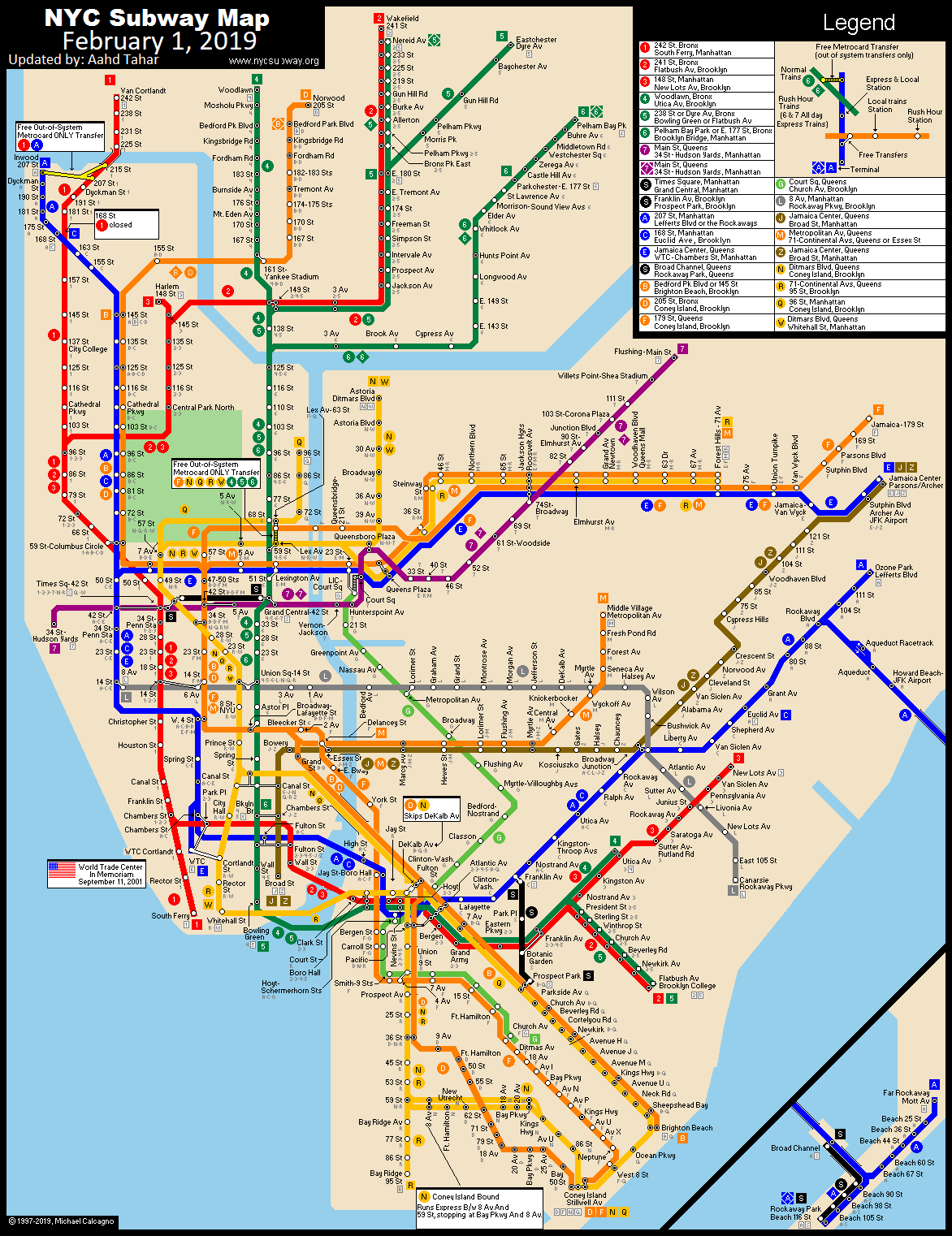
The subway is your passport to the diverse tapestry of New York City. Each stop can lead you to a unique neighborhood with its own character, attractions, and culinary delights.
- Midtown Manhattan: Stations like Times Square-42nd Street and Grand Central-42nd Street are hubs connecting countless lines, making them ideal for reaching Broadway theaters, Rockefeller Center, and shopping districts.
- Downtown Manhattan: Explore areas like the Financial District, SoHo, and the West Village via lines that serve stations such as Wall Street or Spring Street.
- Brooklyn: The L train can whisk you to the trendy neighborhoods of Williamsburg and Bushwick. Other lines provide access to historic areas like Park Slope and DUMBO.
- Queens: Take the 7 train to discover the vibrant ethnic enclaves of Jackson Heights, Flushing (home to Citi Field), and Astoria.
- The Bronx: Reach destinations like Yankee Stadium via the D or 4 trains.
By embracing the subway, you not only navigate the city efficiently but also immerse yourself in its rhythm, observe its people, and truly discover the soul of New York City. Happy travels!
LifeOutOfTheBox is a participant in the Amazon Services LLC Associates Program, an affiliate advertising program designed to provide a means for sites to earn advertising fees by advertising and linking to Amazon.com. Amazon, the Amazon logo, AmazonSupply, and the AmazonSupply logo are trademarks of Amazon.com, Inc. or its affiliates. As an Amazon Associate we earn affiliate commissions from qualifying purchases.