
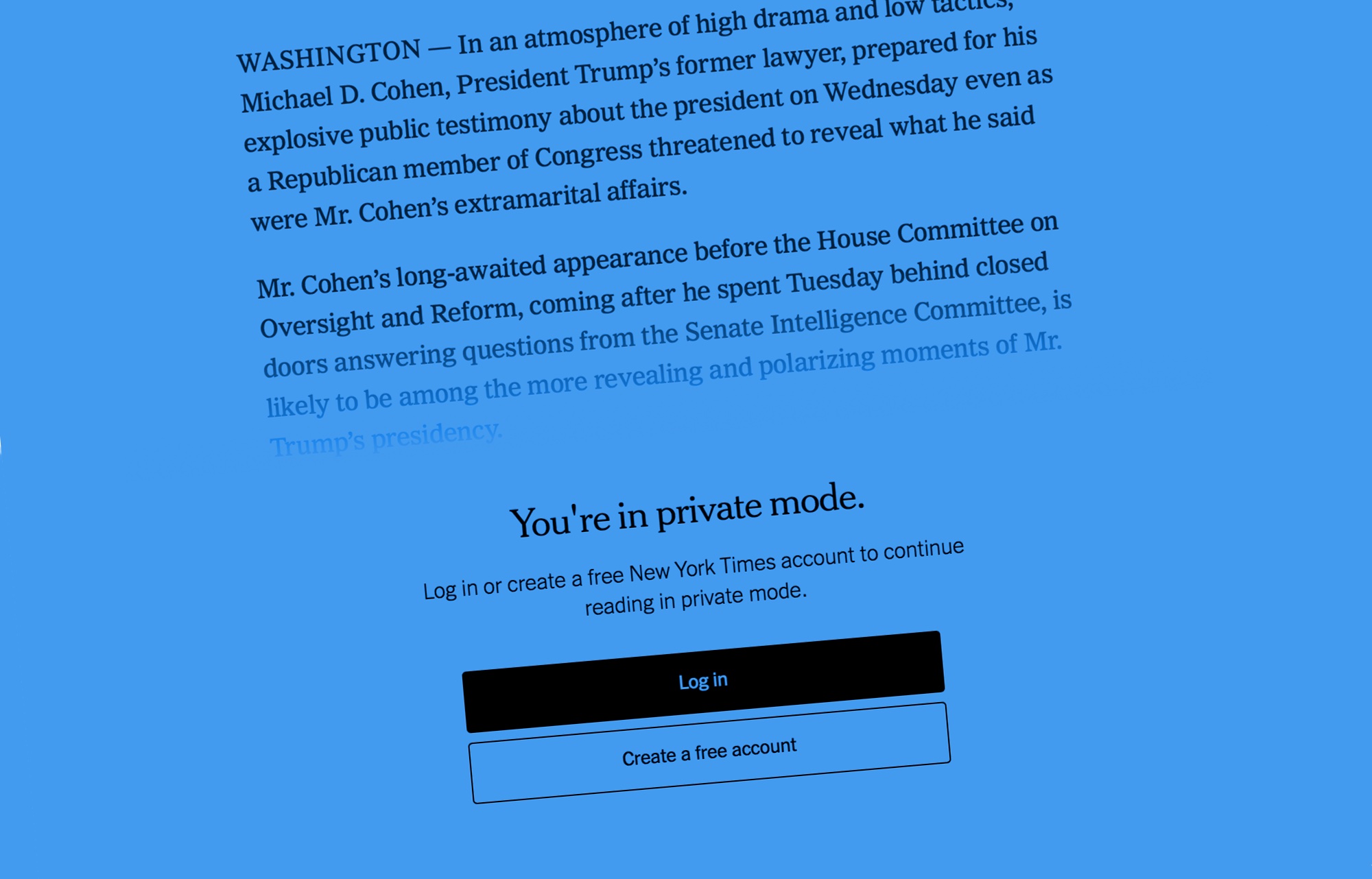
In today’s interconnected world, staying informed is paramount. For many, The New York Times stands as a beacon of in-depth reporting and insightful analysis. However, its stringent paywall often presents a barrier to consistent access. This guide delves into legitimate and effective strategies to navigate these digital frontiers and enjoy the wealth of journalistic excellence offered by The New York Times without incurring recurring subscription costs. We will explore methods that respect the publication’s business model while maximizing your ability to access its content.
Leveraging Library Resources
Public libraries, often overlooked as powerful gateways to information, are an exceptional resource for accessing premium digital content, including The New York Times. Most modern libraries subscribe to a vast array of digital databases and services, many of which grant patrons remote access to paywalled publications. Understanding and utilizing these offerings can be your most straightforward path to a free New York Times experience.
Digital Library Subscriptions
Many libraries provide access to services like PressReader, OverDrive, or Libby, which offer digital versions of newspapers and magazines. These platforms often include extensive archives of The New York Times. To access these, you’ll typically need a valid library card from a participating institution.
- Obtain a Library Card: The first step is to secure a library card from your local public library. This is usually a free and simple process, requiring proof of residency.
- Explore Digital Offerings: Once you have your card, visit your library’s website. Look for sections labeled “Digital Resources,” “Databases,” “e-Newspapers,” or “Magazines.”
- Connect Your Account: You will likely be prompted to log in with your library card number and PIN to access the subscribed services.
- Access The New York Times: Within the digital platform, search for The New York Times. You should be able to read articles, browse issues, and even access archives, often with a time limit per session or download. Some libraries even offer direct access links that bypass the standard New York Times paywall entirely.
In-Library Access
Even if remote access is limited, most public libraries offer free Wi-Fi and computer terminals. You can visit the library in person and use their devices to access The New York Times website. While this requires a physical visit, it completely circumvents any paywall or subscription fee. This is an excellent option for those who live near a library or want to dedicate specific time for reading without distractions.
Exploring Content Sharing and Limited Free Articles
The New York Times does allow a limited number of free articles to be accessed each month by non-subscribers. While this number is subject to change and often quite small, it’s worth understanding how it works and how to maximize it.
The Monthly Free Article Limit
Non-subscribers can typically read a certain number of articles each month for free on the New York Times website. Once this limit is reached, you’ll encounter the paywall. Keep a tally of how many articles you’ve read to avoid being surprised. This is best suited for readers who only occasionally need to access specific, high-profile articles rather than for daily consumption.
Article Sharing Links

Occasionally, The New York Times might share articles via email newsletters or social media that have a temporary waiver of the paywall, allowing recipients to read the linked article for free. Following their official social media accounts or subscribing to their free newsletters can provide these opportunities. However, these are sporadic and cannot be relied upon for consistent access.
- Newsletter Subscriptions: Sign up for free newsletters from The New York Times that cover topics you’re interested in. Sometimes, these newsletters will link to articles that are temporarily made free.
- Social Media Engagement: Follow The New York Times on platforms like X (formerly Twitter) or Facebook. They may occasionally post links to articles that are accessible without a subscription for a limited time.
Alternative News Sources and Aggregators
While the focus is on accessing The New York Times, it’s also prudent to acknowledge that a wealth of high-quality journalism is available from other sources, some of which may be entirely free or have more lenient access policies. Diversifying your news intake can ensure you remain well-informed without solely relying on a single, paywalled publication.
Free Journalism Platforms
Numerous reputable news organizations offer their content for free, supported by advertising, donations, or different business models. Websites like the Associated Press (AP), Reuters, BBC News, and NPR provide excellent global coverage and in-depth reporting.
News Aggregators (Use with Caution)
News aggregator apps and websites can compile stories from various sources into a single feed. While these can be convenient, it’s crucial to use them ethically and ensure they are not simply bypassing paywalls through unauthorized means. Focus on aggregators that link directly to the publisher’s site and respect their content policies.
Ethical Considerations and Supporting Journalism
It is vital to approach the topic of accessing paywalled content with an understanding of the value of journalism. Newspapers like The New York Times invest significant resources into investigative reporting, maintaining international bureaus, and employing skilled journalists. Their paywall is a critical part of their revenue stream, enabling them to continue producing high-quality work.
The Importance of Supporting Quality Journalism
The proliferation of misinformation and the decline of local news outlets underscore the importance of supporting reputable news organizations. While free access methods are valuable, consider the long-term implications of a news landscape where quality reporting is not adequately funded.

Subscription Models as an Investment
For avid readers and those who rely heavily on the unique insights and extensive reporting of The New York Times, a subscription, when feasible, is the most direct and ethical way to gain unlimited access. Subscriptions often come with various tiers, including digital-only options, and sometimes offer introductory discounts that make them more accessible. Consider it an investment in your knowledge and in the future of journalism.
By strategically utilizing library resources, understanding the limited free access options, and remaining aware of the broader media landscape, you can significantly enhance your ability to access the journalistic output of The New York Times without directly paying for a subscription. Remember that ethical consumption of news supports the very institutions that provide it.
LifeOutOfTheBox is a participant in the Amazon Services LLC Associates Program, an affiliate advertising program designed to provide a means for sites to earn advertising fees by advertising and linking to Amazon.com. Amazon, the Amazon logo, AmazonSupply, and the AmazonSupply logo are trademarks of Amazon.com, Inc. or its affiliates. As an Amazon Associate we earn affiliate commissions from qualifying purchases.