
A perfectly cooked New York strip steak is a culinary masterpiece, celebrated for its robust beefy flavor and satisfying chew. However, achieving that ideal tenderness can sometimes be a challenge, especially when dealing with cuts that might lean towards the firmer side. Fortunately, a variety of techniques can transform a good steak into an exceptional one, enhancing its succulence and melt-in-your-mouth quality. This guide delves into the art and science of tenderizing a New York strip steak, ensuring every bite is a testament to expertly prepared cuisine, a crucial element of any discerning food lover’s journey, whether exploring the vibrant culinary scene of New York City or enjoying a quiet dinner at home.

Understanding Steak Tenderness
Before we delve into the methods, it’s essential to understand what makes a steak tender. Tenderness in beef is primarily determined by two factors: the inherent connective tissue within the muscle and the aging process the meat undergoes.
Connective Tissue and Muscle Fiber
Muscles that are used more frequently by the animal tend to be tougher. These muscles contain more collagen, a type of protein that forms connective tissue. When cooked, collagen can either remain tough and stringy or, with proper cooking methods, break down into gelatin, which contributes to a moist and tender texture. The New York strip steak, also known as a Kansas City strip or strip loin, comes from the short loin primal cut, a less exercised area, which is why it is generally considered a tender cut to begin with. However, individual variations exist, and some steaks may still benefit from tenderization.
The Role of Aging
Dry-aging and wet-aging are processes that improve tenderness and flavor.
- Dry-aging involves exposing the beef to controlled air circulation in a refrigerated environment for an extended period. This process allows natural enzymes to break down muscle fibers and connective tissue, enhancing tenderness and concentrating flavor.
- Wet-aging is more common and involves vacuum-sealing the beef and allowing it to age in its own juices. While it doesn’t concentrate flavor as much as dry-aging, it still contributes to tenderization.
The age of the steak you purchase will significantly influence its initial tenderness. Opting for steaks that have been aged appropriately, whether dry or wet, will always yield better results.
Pre-Cooking Tenderization Techniques
These methods are applied to the steak before it hits the heat, working to break down muscle fibers and connective tissues.
Physical Tenderization Methods
Pounding and Scoring
One of the most direct ways to tenderize is through physical manipulation.
- Pounding: Using a meat mallet (the flat side, not the serrated side, unless you want a shredded texture), gently pound the steak all over. This process breaks down the muscle fibers and can redistribute moisture. Be careful not to over-pound, as this can make the steak mushy. A few firm taps are sufficient. This is a great technique for slightly tougher cuts or if you want to ensure even thickness for uniform cooking.
- Scoring: With a sharp knife, make shallow, diagonal cuts across the surface of the steak, about 1/4 inch apart. Then, make similar cuts in the opposite direction to create a diamond pattern. This technique severs some of the muscle fibers, allowing marinades to penetrate more deeply and making the steak easier to chew. It also helps to prevent the steak from curling during cooking.
Marinating
Marinades are not just for flavor; they can also tenderize. The key ingredients in a tenderizing marinade are acids and enzymes.
- Acidic Marinades: Ingredients like citrus juices (lemon, lime, orange), vinegar (red wine vinegar, balsamic vinegar), or even yogurt can break down protein fibers. However, over-marinating with strong acids can “cook” the exterior of the steak, resulting in a mushy texture. A marinating time of 30 minutes to a few hours is usually sufficient for a New York strip steak.
- Enzymatic Marinades: Certain fruits contain natural enzymes that are highly effective tenderizers.
- Pineapple: Contains bromelain, a powerful enzyme that breaks down proteins. Use fresh pineapple juice or finely puréed fresh pineapple. Canned pineapple will not work as the canning process deactivates the enzymes.
- Papaya: Contains papain, another potent enzyme. Similar to pineapple, use fresh papaya purée.
- Kiwi: Contains actinidin, which also aids in tenderization.
When using enzymatic marinades, it’s crucial to marinate for a shorter period, typically no more than 30 minutes to an hour, as these enzymes can quickly turn the steak mushy and impart an off-flavor.
Salt and Brining
While not a direct tenderization method in the same way as acids or enzymes, salting and brining significantly improve moisture retention and can contribute to a more tender texture.
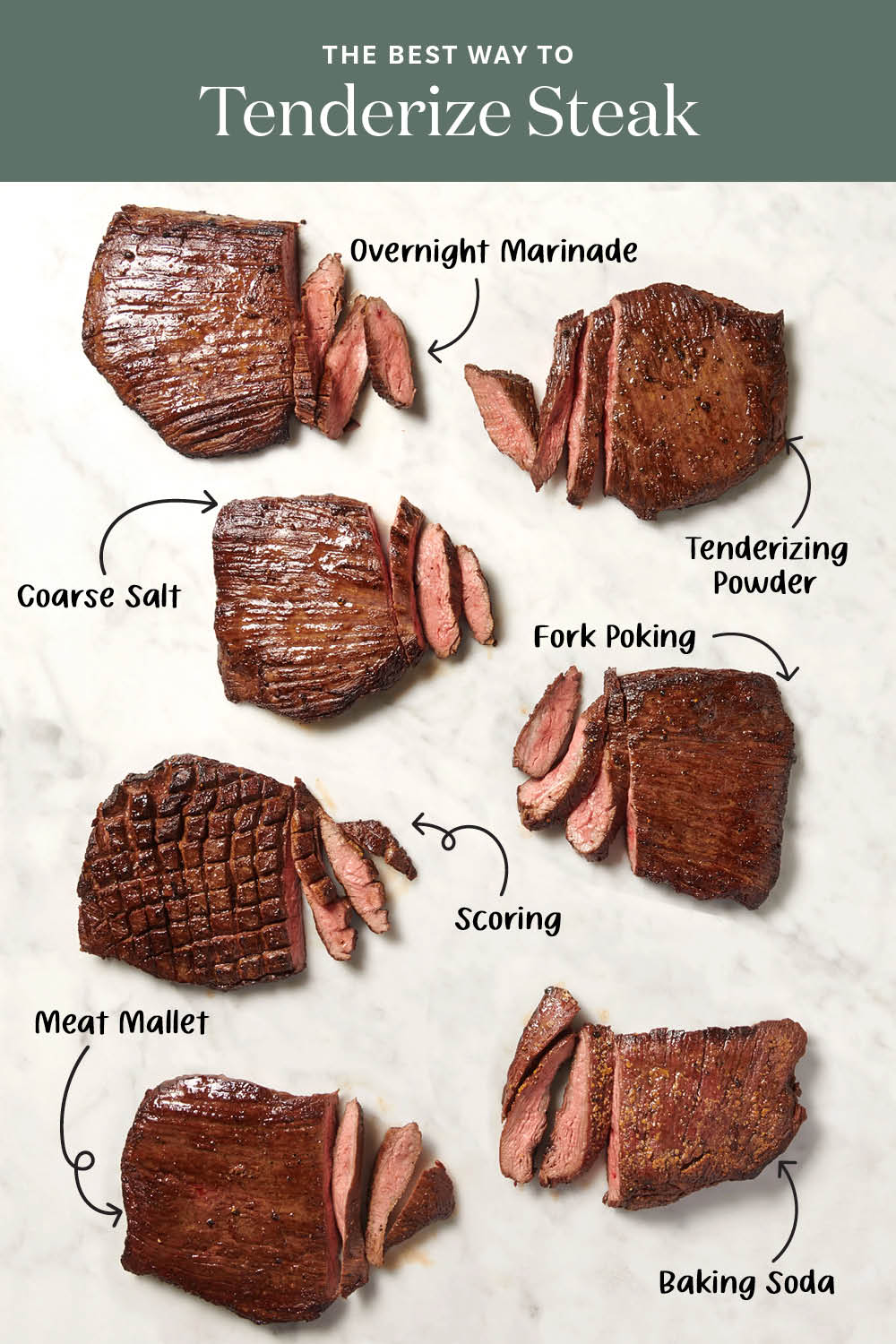
- Dry Brining: This involves generously salting the steak on all sides and letting it rest in the refrigerator, uncovered, for at least 45 minutes, and ideally for several hours or even overnight. The salt draws out moisture, which then dissolves the salt and is reabsorbed, carrying the salt deeper into the meat. This process not only seasons the steak thoroughly but also helps to denature some of the proteins, making them more water-retentive and resulting in a juicier, more tender steak.
- Wet Brining: Submerging the steak in a saltwater solution (brine) for a few hours. While effective, dry brining is often preferred for steaks as it avoids diluting the surface flavor and can lead to a better sear.
Chemical Tenderization Methods
Beyond natural enzymatic action, specific ingredients can chemically alter the steak’s protein structure.
Baking Soda Method
This is a less common but surprisingly effective method for tenderizing tougher cuts of meat. A small amount of baking soda, mixed with water or a marinade, can raise the pH of the meat’s surface. This alkaline environment inhibits the action of enzymes that cause toughness during cooking.
- How to use: Mix about one teaspoon of baking soda with two tablespoons of water or your chosen marinade. Toss the steak to coat evenly, then let it sit for 15-30 minutes. Rinse the steak thoroughly under cold water to remove any residual baking soda, which can impart a metallic taste. Pat the steak completely dry before cooking. This method is best suited for very lean or potentially tough steaks.
Cooking Techniques That Enhance Tenderness
While pre-cooking methods lay the groundwork, your cooking technique plays a pivotal role in achieving ultimate tenderness.
The Sear and Sizzle: Achieving a Perfect Crust
A proper sear is not just about achieving a beautiful brown crust; it’s also about locking in juices.
- High Heat: Start by searing the steak over high heat, whether on a grill, in a cast-iron skillet, or under a broiler. This rapid cooking on the surface creates the Maillard reaction, developing complex flavors and a desirable crust.
- Resting: This is arguably the most critical step after cooking. Once the steak reaches your desired internal temperature, remove it from the heat and let it rest for at least 5-10 minutes (or longer for thicker cuts) on a cutting board, loosely tented with foil. During cooking, the muscle fibers contract and push juices to the center. Resting allows these juices to redistribute throughout the steak, rehydrating the muscle fibers and resulting in a significantly more tender and juicy final product. Cutting into the steak too soon will result in all those precious juices running out onto the plate.
Slow Cooking Methods for Maximum Tenderness
While the New York strip steak is typically enjoyed cooked to medium-rare or medium, some less conventional methods can leverage slow cooking to break down tougher connective tissues, though this is more common for cuts like brisket or chuck roast. However, for a truly exceptionally tender experience, incorporating a slow-braise can be explored.
- Braising: This involves searing the steak first to develop flavor, then simmering it gently in a flavorful liquid (like broth, wine, or a combination) in a covered pot, either on the stovetop or in a low oven, for an extended period (several hours). This method is highly effective at breaking down tough connective tissues into gelatin, resulting in a steak that is incredibly tender and moist. While this transforms the steak’s texture, it will result in a different dining experience than a seared steak, often with a more stew-like consistency.
Post-Cooking Enhancement
Even after resting, a few final touches can elevate your New York strip steak.

Slicing Against the Grain
This is a fundamental technique for maximizing tenderness when eating. Muscles are composed of long fibers running in a particular direction. Cutting against the grain, perpendicular to these fibers, shortens them, making them easier to chew.
- How to identify the grain: Look closely at the steak before slicing. You’ll see the direction in which the muscle fibers are running.
- Slicing technique: Use a sharp knife and slice across these lines of fibers. This simple step can make a noticeable difference in the perceived tenderness of even the most perfectly cooked steak, making it a vital part of any culinary presentation or meal enjoyed in a fine dining establishment, such as a steakhouse in Las Vegas.
By combining thoughtful pre-cooking preparation with a skillful cooking approach and proper post-cooking care, you can consistently achieve a New York strip steak that is remarkably tender and utterly delicious, a true highlight of any gastronomic adventure.
LifeOutOfTheBox is a participant in the Amazon Services LLC Associates Program, an affiliate advertising program designed to provide a means for sites to earn advertising fees by advertising and linking to Amazon.com. Amazon, the Amazon logo, AmazonSupply, and the AmazonSupply logo are trademarks of Amazon.com, Inc. or its affiliates. As an Amazon Associate we earn affiliate commissions from qualifying purchases.