
The New York strip steak, a perennial favorite for its robust flavor and satisfying chew, can sometimes present a challenge to achieve peak tenderness. While its inherent marbling contributes to a delightful richness, achieving that melt-in-your-mouth texture often requires a thoughtful approach. This guide delves into the nuances of tenderizing this prized cut, ensuring every bite is a testament to culinary excellence. We will explore various methods, from the foundational principles of selecting the right steak to advanced techniques that can elevate your cooking from good to extraordinary, making your dining experiences in New York City or at home truly memorable.

Understanding the Cut: The Foundation of Tenderness
Before embarking on any tenderizing techniques, it is crucial to understand the anatomy of a New York Strip Steak. Also known as a Kansas City strip or strip loin, this steak is cut from the short loin primal cut of the cow. It’s characterized by a firm texture and a moderate amount of marbling, which is intramuscular fat. This marbling is key to flavor and juiciness, but it’s the muscle fibers and connective tissues that determine tenderness.
The Importance of Quality and Aging
The journey to a tender steak begins long before it reaches your kitchen.
Selecting the Right Steak
- Grade: Look for steaks graded USDA Prime or USDA Choice. USDA Prime has the most marbling and is generally the most tender and flavorful. USDA Choice is still an excellent option, offering a good balance of quality and price.
- Marbling: Observe the steak’s surface. You want to see fine, evenly distributed flecks of white fat (marbling) throughout the red meat. Avoid steaks with large, uneven patches of fat or no visible marbling at all.
- Thickness: Opt for steaks that are at least 1 to 1.5 inches thick. Thicker steaks are more forgiving and allow for better control over the internal temperature, leading to a more evenly cooked and tender result. A steak that is too thin can cook too quickly, becoming tough before it reaches the desired doneness.
The Role of Aging
- Dry-Aging: This process, often undertaken by reputable butchers or high-end restaurants like Peter Luger Steak House, involves aging beef in a controlled environment for several weeks. Enzymes naturally present in the meat break down connective tissues, leading to significantly increased tenderness and a concentrated, nutty flavor. While dry-aged steaks are a premium product, the flavor and texture benefits are undeniable for those seeking the ultimate steak experience.
- Wet-Aging: This is the more common method, where beef is vacuum-sealed and aged in its own juices for a few days to several weeks. It also contributes to tenderness by allowing enzymes to work, but the flavor development is less pronounced than with dry-aging. Most commercially available steaks are wet-aged.
Pre-Cooking Techniques for Enhanced Tenderness
Even with a high-quality steak, a few strategic steps before cooking can make a remarkable difference in its final texture. These methods prepare the steak for heat, encouraging a more tender outcome.
The Power of Salt and Time (Dry Brining)
Dry brining is a simple yet remarkably effective method for tenderizing and flavoring steak. It involves generously salting the steak and letting it rest in the refrigerator for a period, allowing the salt to penetrate the meat and break down some of the protein structures.
-
The Process:
- Pat the steak thoroughly dry with paper towels. Moisture on the surface can inhibit browning.
- Season the steak liberally on all sides with coarse kosher salt or sea salt. Don’t be shy; a good portion will fall off during cooking.
- Place the seasoned steak on a wire rack set inside a baking sheet. This allows air to circulate around the steak, promoting even drying.
- Refrigerate for at least 4 hours, and ideally 24 to 48 hours. The longer it rests, the more pronounced the tenderizing effect will be. During this time, the salt will draw out moisture, which then gets reabsorbed, carrying the salt flavor deep into the meat and initiating the tenderization process.
- Before cooking, pat the steak dry again if any surface moisture has appeared. Do not rinse.
-
Why it Works: The salt draws out moisture through osmosis. As this moisture is reabsorbed, it dissolves the salt, creating a brine within the meat. This brine then begins to break down the muscle proteins, making the steak more tender and juicy. It also helps to season the steak evenly throughout.
Marinades: The Acidic and Enzymatic Approach
Marinades can contribute to tenderness through both acidic ingredients and enzymes. However, it’s important to use marinades judiciously, as over-marinating, especially with highly acidic ingredients, can actually toughen the meat by denaturing the proteins on the surface too much.
- Acidic Marinades: Ingredients like lemon juice, lime juice, vinegar, or buttermilk contain acids that can help break down connective tissues.
- Example Marinade: Combine olive oil, minced garlic, chopped rosemary, thyme, a splash of Worcestershire sauce, and a squeeze of lemon juice.
- Enzymatic Marinades: Certain fruits contain natural enzymes that are potent tenderizers.
- Papain (from Papaya): Papaya can be pureed and added to a marinade.
- Bromelain (from Pineapple): Fresh pineapple juice is a powerful tenderizer. Be very careful with pineapple, as it can quickly turn a steak mushy. A brief soak of 30 minutes to an hour is usually sufficient.
- Actinidin (from Kiwi): Kiwi fruit, either pureed or juiced, also contains enzymes that tenderize meat effectively.
- Marinating Time:
- For acidic marinades: Generally, 30 minutes to a few hours is sufficient for a New York strip steak. Avoid marinating for more than 8-12 hours, especially with strong acids.
- For enzymatic marinades: Be even more cautious. As mentioned, pineapple and kiwi can tenderize rapidly. Aim for shorter marinating times, typically 30 minutes to 2 hours, depending on the concentration of the fruit and the thickness of the steak.
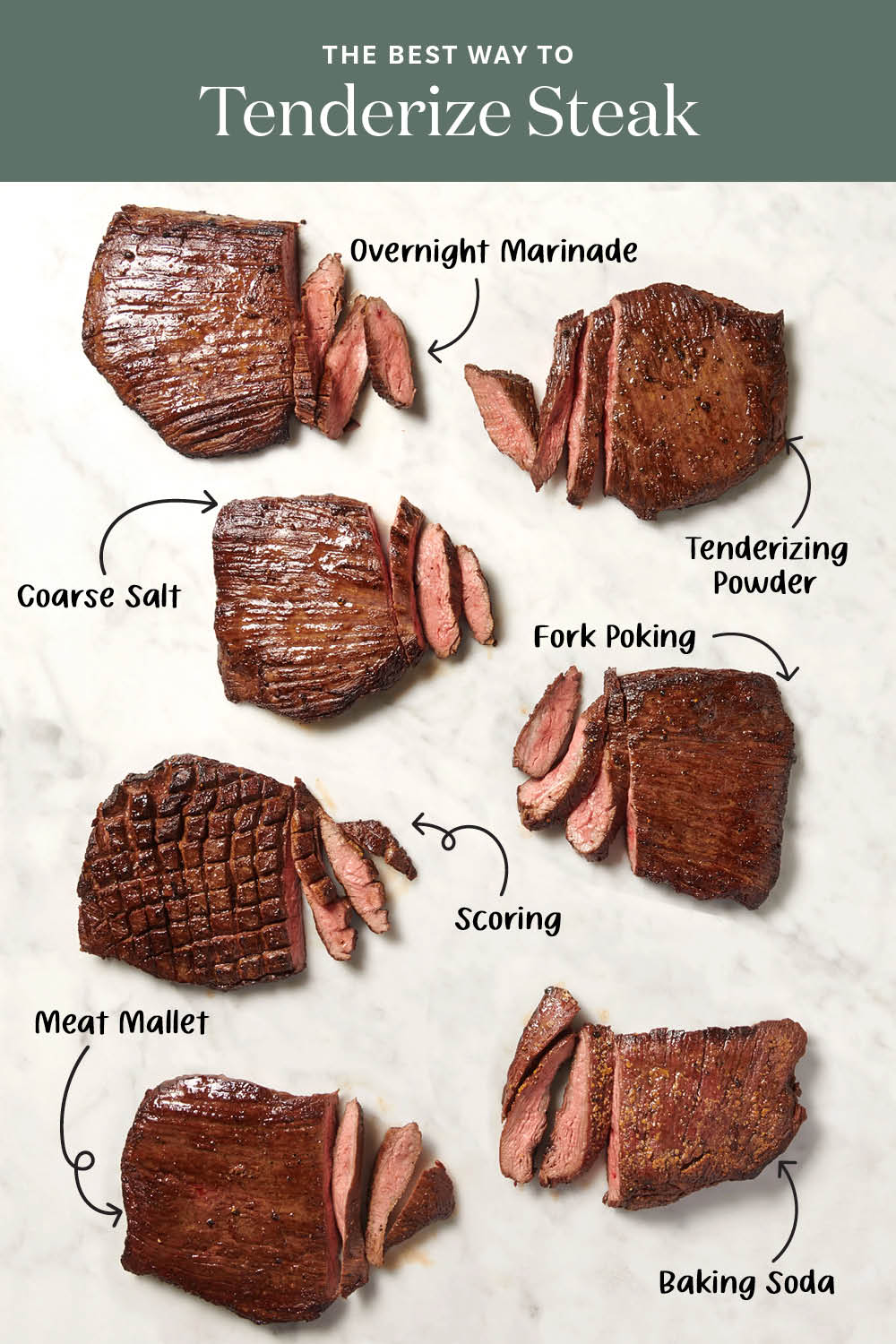
Mechanical Tenderization: The Physical Approach
While less common for high-quality cuts like the New York strip, mechanical tenderization is a direct way to break down muscle fibers.
- Jaccarding/Needling: This involves using a tool with many small needles to pierce the steak. These needles break up the muscle fibers and connective tissues, allowing marinades to penetrate more effectively and leading to a more tender bite. This is often employed in commercial kitchens for larger cuts.
- Pounding: For tougher cuts, pounding with a mallet can break down fibers. However, for a desirable cut like the New York strip, this is generally not recommended as it can crush the marbling and alter the steak’s texture negatively. If you must, use a light touch.
Cooking Techniques for Optimal Tenderness
The way you cook your New York Strip Steak is as critical as any pre-cooking preparation. High heat and precise temperature control are paramount.
Sear and Finish Method
This is a classic and highly effective technique for achieving both a beautiful crust and a tender, juicy interior.
- High-Heat Sear: Start by searing the steak in a screaming hot cast-iron skillet or on a very hot grill. This develops the Maillard reaction, creating a flavorful, caramelized crust.
- Ensure the pan or grill grates are thoroughly preheated. Add a high-smoke-point oil like grapeseed or canola oil.
- Sear each side for 2-3 minutes until a deep brown crust forms.
- Oven Finish (Reverse Sear is an alternative): Once seared, transfer the steak to a preheated oven (around 350-400°F or 175-200°C) to finish cooking to your desired internal temperature. This ensures even cooking without overcooking the exterior.
- Use a meat thermometer to monitor the internal temperature:
- Rare: 125-130°F (52-54°C)
- Medium-Rare: 130-135°F (54-57°C)
- Medium: 135-145°F (57-63°C)
- Medium-Well: 145-150°F (63-66°C)
- Well-Done: 150°F+ (66°C+)
- Use a meat thermometer to monitor the internal temperature:
The Reverse Sear: A Modern Approach to Tenderness
The reverse sear method flips the traditional approach, cooking the steak gently at a low temperature first, then finishing with a high-heat sear. This method is exceptional for achieving consistent doneness from edge to edge and maximum tenderness.
- The Process:
- Preheat your oven to a low temperature, typically 225-275°F (107-135°C).
- Place the seasoned steak on a wire rack set inside a baking sheet.
- Cook in the oven until the internal temperature is about 10-15°F below your target final temperature. This can take anywhere from 20 to 60 minutes, depending on steak thickness and oven temperature.
- Remove the steak from the oven and let it rest for 10 minutes.
- While the steak rests, heat a cast-iron skillet or grill to very high heat.
- Sear the steak for 60-90 seconds per side, just enough to develop a beautiful crust.
- Benefits: This method allows the heat to penetrate the steak more evenly, minimizing the gray band often seen in conventionally cooked steaks. It also dries the surface slightly before searing, leading to a superior crust. The result is a remarkably tender and evenly cooked steak, a true highlight of any dining experience, whether at a restaurant in Chicago or at home.
Post-Cooking: The Crucial Rest and Beyond
The journey to a tender steak doesn’t end when it leaves the heat. The resting period is as vital as any other step.
The Essential Rest
Allowing a steak to rest after cooking is non-negotiable for tenderness and juiciness.
- Why Rest? When steak cooks, the muscle fibers contract, pushing the juices towards the center. If you cut into it immediately, these juices will spill out onto the plate, leaving the steak dry and less tender. Resting allows the muscle fibers to relax and the juices to redistribute throughout the meat.
- How Long? A good rule of thumb is to rest your steak for at least 5-10 minutes for thinner cuts, and 10-15 minutes for thicker steaks, ideally on a cutting board or a warm plate loosely tented with foil.

Slicing for Tenderness
The way you slice your steak can also impact the perception of tenderness.
- Against the Grain: Always slice steak against its grain. The grain refers to the direction in which the muscle fibers are aligned. Cutting perpendicular to these fibers shortens them, making the meat easier to chew and thus appearing more tender. To identify the grain, look for the long strands of muscle fiber running through the steak.
By employing a combination of careful selection, thoughtful pre-cooking preparation, precise cooking techniques, and a proper resting and slicing strategy, you can consistently transform a New York strip steak into an exceptionally tender and flavorful dish, worthy of any gourmet meal.
LifeOutOfTheBox is a participant in the Amazon Services LLC Associates Program, an affiliate advertising program designed to provide a means for sites to earn advertising fees by advertising and linking to Amazon.com. Amazon, the Amazon logo, AmazonSupply, and the AmazonSupply logo are trademarks of Amazon.com, Inc. or its affiliates. As an Amazon Associate we earn affiliate commissions from qualifying purchases.