
For anyone planning a trip to the mesmerizing landscapes, vibrant cities, and rich cultural tapestry of Arizona, a seemingly simple question like “What time is it?” can lead to surprising complexities. Unlike most of the United States, Arizona observes a unique timekeeping practice that can significantly impact everything from flight connections and hotel check-ins to tour schedules and even dinner reservations. Understanding Arizona’s approach to time is not just a matter of curiosity; it’s a crucial piece of information for seamless travel planning and an enhanced overall experience in the Grand Canyon State.
Currently, Arizona operates on Mountain Standard Time (MST) year-round. This means that while most of the country “springs forward” for Daylight Saving Time (DST) in the spring and “falls back” in the autumn, Arizona largely remains constant. This distinctive characteristic sets it apart and necessitates a deeper dive for any savvy traveler or new resident. For a state renowned for its sprawling deserts, towering saguaros, and unparalleled natural landmarks, its unique stance on time is yet another facet that adds to its intriguing appeal. As you explore the vast array of attractions – from the majestic Grand Canyon National Park to the bustling streets of Phoenix – having a clear grasp of local time will ensure your adventures unfold without a hitch. This guide will walk you through the nuances of Arizona’s time zone, its practical implications for your travel plans, and essential tips for navigating it effortlessly, ensuring your journey through this magnificent state is as timeless as its vistas.

Understanding Arizona’s Unique Time Zone Philosophy
The rationale behind Arizona’s decision to forego Daylight Saving Time dates back to 1968. The primary driver for this choice was the intense desert heat. During the summer months, extending daylight into the evening would mean an extra hour of scorching sun, pushing back outdoor activities and energy consumption further into the night. By remaining on Mountain Standard Time year-round, the state essentially experiences an earlier sunset during the summer compared to states observing DST. This aligns daily schedules more favorably with cooler temperatures, making evenings more pleasant for recreational activities, dining, and overall lifestyle.
For residents and frequent visitors, this consistency eliminates the twice-yearly disruption of changing clocks, offering a stable rhythm to daily life. However, for those arriving from states that do observe DST, it introduces a crucial difference. During the spring and summer months (roughly from March to November), when most of the United States is on Daylight Saving Time, Arizona’s Mountain Standard Time aligns with Pacific Daylight Time (PDT). This means it is three hours behind Eastern Daylight Time (EDT), two hours behind Central Daylight Time (CDT), and one hour behind Mountain Daylight Time (MDT). In the winter, when DST ends, Arizona returns to being one hour ahead of Pacific Standard Time (PST), two hours behind Central Standard Time (CST), and three hours behind Eastern Standard Time (EST), while being the same time as Mountain Standard Time (MST). This seemingly complex dance of time zones is fundamental to grasp for any travel itinerary.

The Navajo Nation Exception
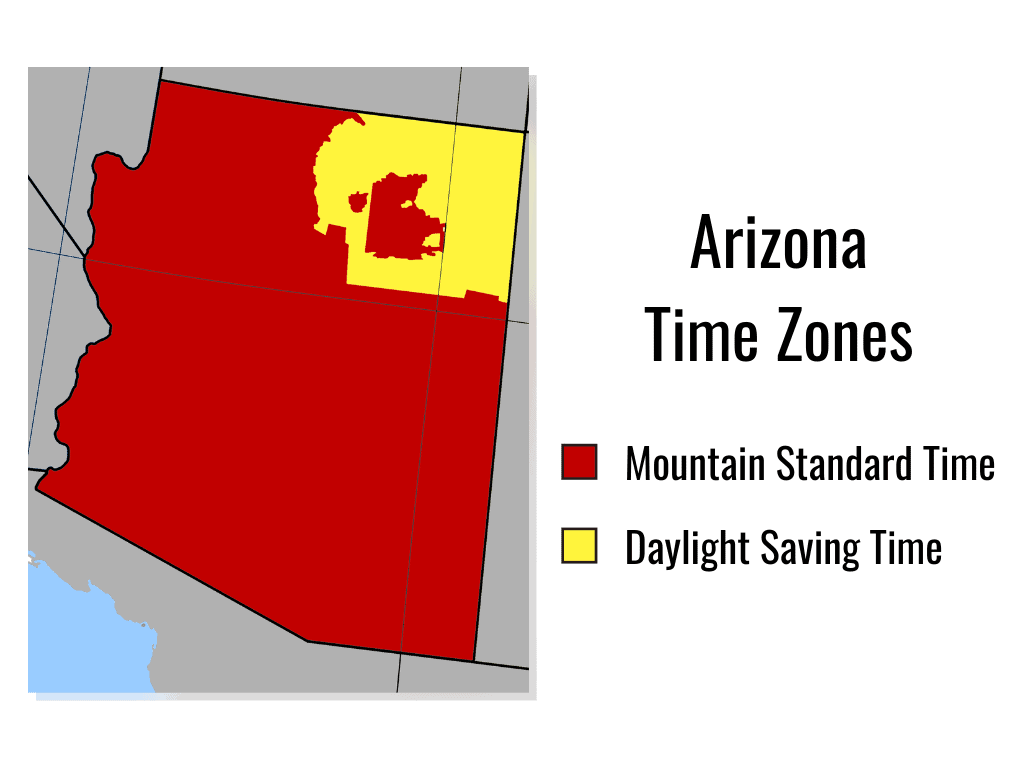
An important caveat to Arizona’s time policy is the Navajo Nation. Spanning parts of Arizona, Utah, and New Mexico, the Navajo Nation does observe Daylight Saving Time. This means that for approximately half the year, when you cross into Navajo Nation territory within Arizona, you will need to adjust your clock forward by one hour. This impacts popular tourist destinations like Monument Valley, Antelope Canyon, and the area around Four Corners Monument. Failing to account for this can lead to missed tour bookings, confusion with lodging, or scheduling conflicts. Travelers visiting these culturally significant areas must be particularly vigilant about verifying local times.
Practical Implications for Travelers and Tourists
Understanding Arizona’s time zone strategy is critical for ensuring a smooth and enjoyable tourism experience. From the moment you begin planning your trip to the final departure, time adjustments will subtly influence your decisions.
Planning Your Arizona Itinerary
When booking flights into major airports like Phoenix Sky Harbor International Airport or Tucson International Airport, always pay close attention to the time zone listed for arrivals and departures. A flight scheduled to arrive at “3 PM MST” might feel like an hour earlier or later to you depending on your origin, impacting connections or initial plans. Similarly, scheduling guided tours, activity reservations (such as rafting through the Grand Canyon or visiting the Desert Botanical Garden in Phoenix), or securing tickets for specific time slots at landmarks requires careful time zone conversion. Always confirm the local time for your booking, especially if you’re making arrangements from a different time zone or during the Daylight Saving Time period.
Hotel Check-ins and Check-outs
Accommodation providers, whether it’s a bustling hotel in Scottsdale, a serene resort in Sedona, or a cozy apartment rental, will always operate on local Arizona time. If you’re arriving from a region observing DST during the summer, a 3 PM check-in might feel like 4 PM to your body clock, but it’s important to remember it’s 3 PM locally. This can affect your arrival schedule, planned activities immediately after check-in, or even meal times. Reputable establishments like the Hyatt Regency Scottsdale Resort & Spa or the Enchantment Resort in Sedona are accustomed to international and national travelers and typically provide clear communication regarding local time, but it’s always wise to double-check.
Coordinated Activities and Events
Arizona boasts a vibrant calendar of events, from spring training baseball in Mesa to art festivals in Tucson and outdoor adventures near Flagstaff. Attending a concert at the Ak-Chin Pavilion in Phoenix, catching a show, or participating in a guided hike near Camelback Mountain requires strict adherence to published local times. Miscalculating the time difference could lead to missing the start of an event or arriving too early/late for a tour. It’s particularly important for travelers coordinating with friends or family arriving from different time zones to establish a clear understanding of Arizona’s time.
Dining and Nightlife
The state’s culinary scene, from fine dining in Scottsdale to authentic Mexican cuisine in Tucson, thrives on specific operating hours. A reservation for 7 PM in Arizona during DST might feel like 8 PM to someone from the East Coast, but local restaurants will be operating on their MST clock. This also influences when the sun sets, affecting outdoor dining experiences or plans for stargazing. The consistent lack of DST means that during summer, evenings begin “earlier” in terms of the clock, which can be a pleasant surprise for those looking to enjoy cooler temperatures sooner.
Navigating Time Across Arizona’s Diverse Landscapes
Arizona’s geographical diversity, from scorching deserts to pine-clad mountains, is matched by the nuances of its timekeeping, particularly when considering its borders and tribal lands.
From Desert Cities to Mountain Retreats
One reassuring aspect of Arizona’s time policy is its uniformity across most of the state. Whether you’re basking in the sunshine of Yuma, exploring the upscale galleries of Old Town Scottsdale, marveling at the red rocks of Sedona, or enjoying the cooler climate of Flagstaff, the time is consistent Mountain Standard Time year-round (outside of the Navajo Nation). This simplifies internal travel, as you won’t need to adjust your watch when moving between different regions within the state. This consistency is particularly beneficial when planning multi-city tours or booking stays at different types of accommodation, such as the Omni Tucson National Resort or The Saguaro Scottsdale.
The Navajo Nation Exception: A Time Island
The most significant exception to Arizona’s year-round MST is the Navajo Nation, which spans portions of northeastern Arizona. During Daylight Saving Time, the Navajo Nation observes Mountain Daylight Time (MDT), meaning it’s one hour ahead of the rest of Arizona. This creates a unique “time island” effect. For instance, if it’s 2 PM in Phoenix during the summer, it would be 3 PM within the Navajo Nation. This is crucial for travelers visiting iconic sites like Monument Valley, Antelope Canyon, or making arrangements with local Navajo tour operators. Always confirm the local time for any bookings or rendezvous points within these areas to avoid confusion. Some tours, especially those involving the Navajo Nation, will explicitly state the time zone they operate under.
Bordering States and Time Zone Transitions
Arizona’s borders touch several other states, each with its own time zone considerations.
- California and Nevada: During Daylight Saving Time, Arizona is on the same time as Pacific Daylight Time. So, crossing the border into California or Nevada in the summer means no time change. However, in winter, when California and Nevada return to Pacific Standard Time, Arizona will be one hour ahead. This is particularly relevant for travelers visiting Las Vegas from Arizona or exploring areas like Lake Mead and Hoover Dam near the border.
- Utah, Colorado, and New Mexico: These states all observe Daylight Saving Time and are on Mountain Standard Time during winter. This means that during the summer, when they switch to Mountain Daylight Time, they will be one hour ahead of most of Arizona (except the Navajo Nation). In winter, they align perfectly with Arizona’s MST. This is important for those planning trips that traverse state lines, especially to attractions like Zion National Park in Utah or Mesa Verde National Park in Colorado.
Enhancing Your Arizona Lifestyle and Travel Experience
The unique time zone in Arizona is more than just a logistical detail; it shapes the rhythm of daily life and offers distinct advantages for both residents and visitors. Embracing this difference can lead to a more relaxed and fulfilling travel experience.
Maximizing Your Daylight Hours
One of the benefits of Arizona’s year-round Mountain Standard Time is that during the summer months, the sun sets an hour “earlier” by the clock compared to states observing Daylight Saving Time. This means that late afternoons and evenings tend to be cooler, making them ideal for outdoor activities that would be too hot earlier in the day. You can enjoy hikes up Piestewa Peak or explore the Heard Museum in Phoenix and still have plenty of time for an early evening dinner and a leisurely stroll as the desert sky transforms with vibrant colors. This allows visitors to fully immerse themselves in the state’s natural beauty and cultural attractions without battling peak heat or feeling rushed.
Technology and Timekeeping
In today’s interconnected world, most smartphones, smartwatches, and GPS devices automatically adjust to local time zones. While this is incredibly convenient, it’s essential to understand why your device is showing a particular time. When you cross into the Navajo Nation or a bordering state, your device should adjust. However, manual verification, especially for critical appointments, is always recommended. Rely on your phone’s time but supplement it with an awareness of the actual time zone situation. Websites for hotels, attractions, and tour operators should clearly state times in local MST or MDT where applicable. When making online bookings from a different time zone, ensure the displayed time correlates correctly to your Arizona arrival.
Tips for Seamless Time Management
- Always Confirm Local Times: When booking anything – flights, accommodation, tours, restaurant reservations – make a habit of asking or verifying the time zone it’s listed in. Most major operators are well-versed in Arizona’s unique situation.
- Be Aware of the Navajo Nation: This is the biggest potential pitfall. If your itinerary includes destinations within the Navajo Nation during the DST period, remember to adjust your internal clock forward one hour.
- Use a World Clock App: A reliable world clock app on your smartphone can be invaluable for quickly comparing Arizona time with your home time zone or that of other states you might be visiting.
- Communicate Clearly: If you’re meeting others in Arizona, especially those arriving from other states, explicitly state times in “Arizona Time” or “MST” to avoid miscommunication.
- Embrace the Pace: The consistent time schedule without DST shifts often contributes to a more relaxed pace of life, particularly during the hot summer months when activities naturally shift to earlier mornings and cooler evenings. Allow yourself to adjust and enjoy the unique rhythm.
In conclusion, while the question “What is the time in Arizona now?” might seem straightforward, its answer reveals a fascinating aspect of the state’s identity and its thoughtful approach to balancing comfort with convenience. By understanding Arizona’s year-round adherence to Mountain Standard Time and the important exception of the Navajo Nation, travelers can confidently plan their itineraries, book their hotels, and immerse themselves in the rich experiences this remarkable state has to offer. With a little awareness, your journey through Arizona will be perfectly timed, allowing you to savor every moment without a single hitch.
LifeOutOfTheBox is a participant in the Amazon Services LLC Associates Program, an affiliate advertising program designed to provide a means for sites to earn advertising fees by advertising and linking to Amazon.com. Amazon, the Amazon logo, AmazonSupply, and the AmazonSupply logo are trademarks of Amazon.com, Inc. or its affiliates. As an Amazon Associate we earn affiliate commissions from qualifying purchases.