
As a vibrant hub of culture, commerce, and culinary delights, New York‘s Chinatown is an indispensable part of the city’s tapestry. For many, the question of safety is paramount when considering exploring or even living in such a densely populated and historically significant neighborhood. Understanding the nuances of safety in Chinatown requires a multifaceted approach, looking beyond sensationalized headlines to encompass official data, community initiatives, and the lived experiences of its residents and visitors.
Understanding Safety Metrics in Urban Enclaves
When discussing the safety of any urban area, particularly a district as dynamic and economically active as Chinatown, it’s crucial to examine the data through various lenses. Crime statistics are often the first point of reference, but their interpretation demands context.

Crime Statistics and Perception
Official crime reports from the New York Police Department (NYPD) provide a quantitative measure of criminal activity. These statistics typically break down incidents by type, location, and time. However, crime statistics alone do not always reflect the perception of safety, which can be influenced by media portrayals, anecdotal evidence, and personal experiences. It’s important to note that Chinatown, like many other bustling urban neighborhoods in New York City, experiences a range of incidents, from petty theft to more serious crimes. However, comparing these statistics to other similarly sized and active neighborhoods within the metropolis can offer a more balanced perspective. Many visitors find the streets of Chinatown to be bustling and energetic, which can sometimes be misconstrued as chaotic. The reality is that this energy often contributes to a sense of security due to the sheer volume of people present, particularly during daylight hours and early evening.
Community Policing and Local Initiatives
The engagement of local law enforcement and community organizations plays a pivotal role in maintaining safety. The NYPD, through its local precincts, often collaborates with community leaders in Chinatown to address specific concerns and implement targeted policing strategies. These initiatives can include increased foot patrols, community outreach programs, and educational campaigns aimed at crime prevention. Furthermore, many residents and business owners in Chinatown are deeply invested in the well-being of their community. They often form informal networks, look out for one another, and actively participate in neighborhood watch programs. This strong sense of community ownership contributes significantly to the overall safety and security of the area. The presence of numerous small businesses, each with its own watchful owners and employees, creates a continuous human presence that can deter opportunistic crime.
Environmental Design and Public Space
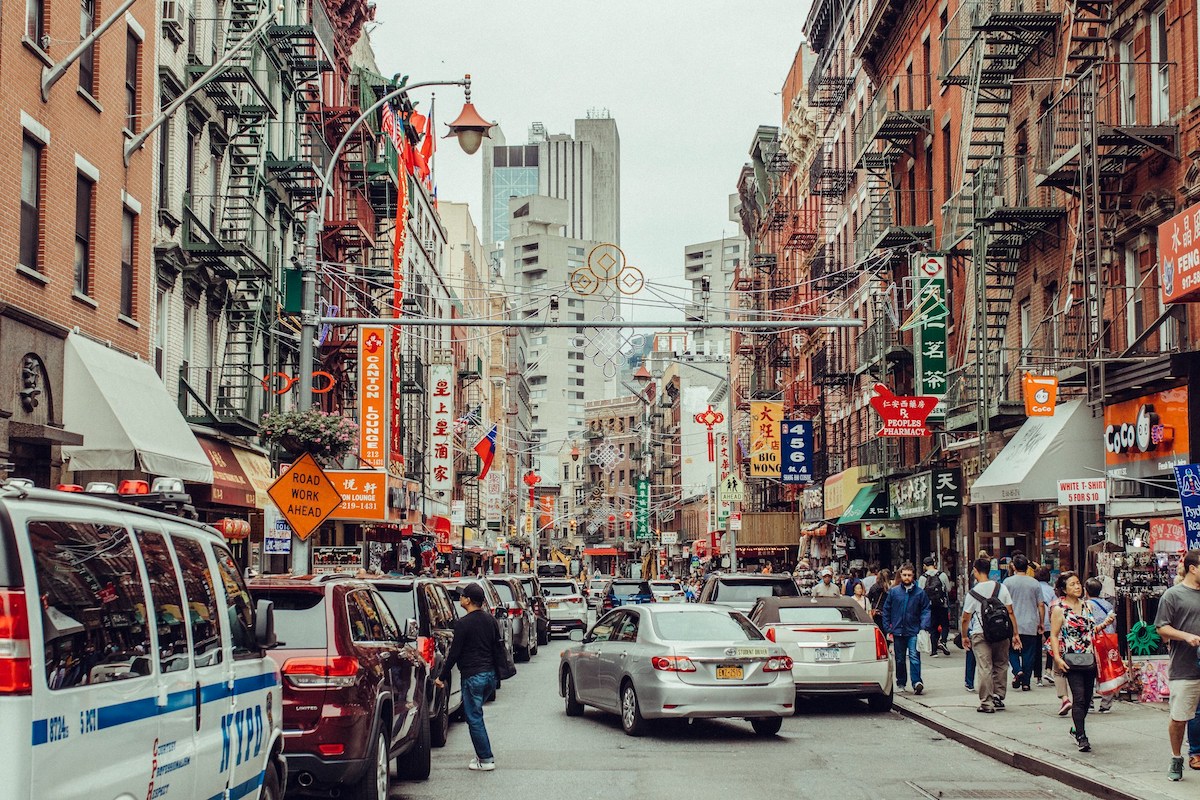
The physical environment of Chinatown also influences safety. The bustling streets, well-lit storefronts, and constant pedestrian traffic create a “eyes on the street” phenomenon, a concept in urban planning that suggests that the more people are visible and actively using public spaces, the safer the area tends to be. The dense urban fabric, with its narrow streets and multi-story buildings, facilitates this constant interaction. During peak hours, particularly weekends and evenings, the sidewalks are often crowded with shoppers, diners, and tourists, making it difficult for criminal activity to go unnoticed.
Navigating Chinatown: Practical Safety Tips for Visitors
For those planning a visit to Chinatown, adopting sensible precautions, similar to those recommended for any large city, will ensure a safe and enjoyable experience.
Awareness and Vigilance
The most fundamental aspect of urban safety is maintaining a general awareness of your surroundings. This means being mindful of who is around you, especially in crowded areas. While Chinatown is not inherently more dangerous than other busy districts in New York, vigilance can prevent common incidents like pickpocketing. Keep valuables secure and out of sight, and be cautious of overly friendly strangers or distractions that might be designed to divert your attention.
Navigating Public Transportation

Chinatown is well-served by public transportation, with several subway lines and bus routes providing convenient access. As with any subway system, particularly in a major metropolitan area like New York, it’s advisable to stay aware of your surroundings while waiting for and riding public transit. Stick to well-lit platforms and cars, and avoid displaying expensive electronic devices. The MTA has its own security measures in place, and riders are encouraged to report any suspicious activity.
Exploring at Different Times of Day
Chinatown offers a unique experience at various times of the day. During daylight hours, the neighborhood is a hive of activity, with markets, shops, and restaurants drawing large crowds. This is generally considered the safest time for exploration. As evening approaches, the atmosphere shifts, and while many restaurants remain lively and welcoming, some side streets might become less populated. It’s always a good practice to be more aware of your surroundings after dark, though many establishments remain open and busy.
Engaging with the Community
A significant part of experiencing Chinatown involves interacting with its residents and business owners. Most individuals are welcoming and happy to offer assistance or recommendations. However, as a general safety practice, it’s wise to be discerning when engaging with strangers, especially if they seem overly eager to guide you to specific shops or services that seem unrelated to your initial intentions. Trust your instincts, and if a situation feels uncomfortable, it’s perfectly acceptable to politely disengage.
The Role of Perception vs. Reality in Chinatown’s Safety Narrative
The narrative surrounding safety in any neighborhood is often a complex interplay of reported incidents and the subjective experiences of those who live in or visit the area. For Chinatown, this dynamic is particularly pronounced.
Historical Context and Media Portrayals
Historically, Chinatown has faced its share of challenges, and certain periods may have seen higher crime rates or specific issues that garnered media attention. These historical narratives, while part of the neighborhood’s story, can sometimes color perceptions long after the circumstances have changed. In more recent years, the media’s focus has often been on the vibrant cultural aspects of Chinatown, but occasionally, crime stories can resurface, impacting the overall perception of safety. It is important for potential visitors to distinguish between past issues and the current reality on the ground.
Lived Experiences of Residents
The most accurate barometer of a neighborhood’s safety often comes from the people who call it home. Residents of Chinatown generally report feeling a strong sense of community and belonging. While acknowledging that crime exists, as it does in any urban environment, many express a feeling of security derived from the close-knit nature of the community and the constant pedestrian presence. The shared cultural heritage and strong social ties create a supportive network that often acts as a deterrent to crime and provides a safety net for those in need.
Impact of Tourism on Safety
The influx of tourists into Chinatown can have a dual effect on safety. On one hand, the increased number of people in public spaces can deter criminal activity. On the other hand, tourists, being unfamiliar with the area and potentially more visibly carrying valuables, can become targets for opportunistic crimes. Therefore, while the presence of tourists generally contributes to a more active and visible streetscape, it also underscores the importance of personal vigilance for visitors. The popularity of Chinatown as a tourist destination means that many streets are heavily trafficked for much of the day, contributing to a general feeling of safety due to the constant activity.
A Safe and Thriving Destination
In conclusion, the question of whether Chinatown in New York is safe is best answered by understanding that it is a dynamic, bustling urban environment that, like any other, has its share of challenges and requires common-sense precautions. However, the overwhelming experience for most visitors and residents is one of safety, vibrancy, and cultural richness. The strong community fabric, active local initiatives, and the inherent “eyes on the street” created by its lively atmosphere all contribute to making Chinatown a secure and rewarding place to explore. By staying aware, following standard urban safety practices, and embracing the welcoming spirit of the neighborhood, visitors can fully immerse themselves in the unique experiences that Chinatown has to offer. It remains a cornerstone of the New York City experience, drawing millions annually to its culinary delights, unique shops, and vibrant cultural landscape.
LifeOutOfTheBox is a participant in the Amazon Services LLC Associates Program, an affiliate advertising program designed to provide a means for sites to earn advertising fees by advertising and linking to Amazon.com. Amazon, the Amazon logo, AmazonSupply, and the AmazonSupply logo are trademarks of Amazon.com, Inc. or its affiliates. As an Amazon Associate we earn affiliate commissions from qualifying purchases.