
While the question of capital punishment in New York is a complex legal and ethical issue, and one that has seen significant shifts in recent history, the answer, in practice, is no. The death penalty is not currently legal in New York for any crimes. This is a result of legislative action and subsequent court rulings that have effectively rendered capital punishment obsolete within the state.
A Shifting Legal Landscape
The history of capital punishment in New York is long and varied, mirroring broader national trends and debates. For centuries, the electric chair was the state’s chosen method of execution, a grim spectacle that often drew crowds and fueled public discourse. However, the legal framework surrounding the death penalty began to undergo significant changes in the late 20th and early 21st centuries.

The Era of Capital Punishment in New York
Prior to the modern era, New York had a robust system of capital punishment. Executions were carried out for a range of offenses, and the public perception of justice often included the ultimate penalty. The death penalty was seen by many as a necessary deterrent and a just retribution for heinous crimes. Landmarks of justice, though not specifically execution sites, symbolized the state’s power to enforce its laws.
The Constitutional Challenges and Moratoriums
As national discussions around the death penalty intensified, legal challenges began to emerge. These challenges often focused on the constitutionality of capital punishment, citing concerns about cruel and unusual punishment, as well as the potential for executing innocent individuals. In New York, these debates culminated in significant legislative and judicial actions.
The landmark Court of Appeals decision in People v. LaValle in 2004 was a pivotal moment. The court ruled that the death penalty statute, as it was then written, was unconstitutional because it did not provide adequate appellate review for death sentences. This ruling effectively placed a moratorium on executions in the state. While the legislature attempted to address the constitutional concerns raised by the court, subsequent legislative efforts to reinstate a constitutionally sound death penalty statute failed. This legislative inaction, coupled with ongoing legal challenges and evolving public opinion, cemented the de facto abolition of capital punishment.
The Current Legal Status of the Death Penalty
As of today, New York does not have a functioning death penalty statute. While crimes that were once punishable by death still carry severe penalties, including life imprisonment without parole, the state is no longer carrying out executions. This means that any individual convicted of a capital offense in New York will face a sentence of life imprisonment rather than execution.
Legislative Action and Judicial Interpretation
The legal status of the death penalty in New York is a direct outcome of a confluence of legislative and judicial actions. Following the LaValle decision, the legislature had the opportunity to rewrite the death penalty laws to comply with constitutional requirements. However, this has not happened. Instead, the state has implicitly, and in practical terms, abandoned capital punishment. This legal limbo effectively means that while the death penalty may not have been explicitly repealed in all historical contexts, its application is no longer possible under the current legal framework.

The Impact on Criminal Justice
The absence of the death penalty in New York has had a profound impact on the state’s criminal justice system. Prosecutors no longer seek death sentences, and the lengthy and often costly appeals process associated with capital cases has been eliminated. This allows for greater certainty in sentencing and potentially frees up resources that were previously allocated to capital litigation. For families of victims, the finality of a life sentence without parole offers a different, yet equally definitive, form of justice.
Arguments For and Against Capital Punishment
The debate over the death penalty is multifaceted, encompassing moral, ethical, and practical considerations. Understanding these arguments is crucial to comprehending why New York and many other jurisdictions have moved away from capital punishment.
Arguments in Favor of the Death Penalty
Proponents of the death penalty often cite retribution as a primary justification. The principle of “an eye for an eye” suggests that the punishment should fit the crime, and for the most heinous offenses, the death penalty is seen as the only appropriate response. Deterrence is another common argument, with the belief that the threat of execution discourages others from committing similar crimes. Additionally, some argue that capital punishment prevents convicted murderers from harming other inmates or correctional staff while incarcerated. The financial cost argument is also sometimes raised, suggesting that executing a prisoner is ultimately less expensive than the lifelong costs of incarceration, though this is heavily debated and often disproven by studies on the actual costs of capital cases.
Arguments Against the Death Penalty
Opponents of the death penalty raise several significant concerns. The risk of executing an innocent person is perhaps the most compelling argument. The justice system is fallible, and wrongful convictions do occur. Once an execution is carried out, it is irreversible. This has led to numerous exonerations of individuals who were sentenced to death. The moral and ethical objections are also central to the anti-death penalty stance, with many believing that the state should not have the power to take a human life, regardless of the crime committed. Concerns about its effectiveness as a deterrent are also prevalent, with numerous studies failing to demonstrate a statistically significant deterrent effect compared to life imprisonment. Furthermore, the application of the death penalty has been criticized for being disproportionately applied based on race, socioeconomic status, and the quality of legal representation, raising questions about fairness and equity within the justice system. The lengthy appeals process, while intended to prevent wrongful executions, can also prolong the suffering of victims’ families and incur substantial costs, often exceeding the costs of life imprisonment.
The Future of Capital Punishment in New York
Given the current legal landscape and the history of legislative inaction, it is highly unlikely that the death penalty will be reinstated in New York in the near future. The political will for such a move appears to be absent, and the ongoing national conversation about criminal justice reform continues to favor abolition.
Public Opinion and Political Climate
Public opinion on the death penalty in New York, like in much of the United States, has shifted over time. While there may still be segments of the population that support capital punishment, the trend has been towards a greater acceptance of life imprisonment as the most severe penalty. The political climate in New York has generally been progressive on issues of criminal justice reform, further reinforcing the de facto abolition of the death penalty. Politicians who advocate for its reinstatement would likely face significant opposition.
National Trends and the Death Penalty
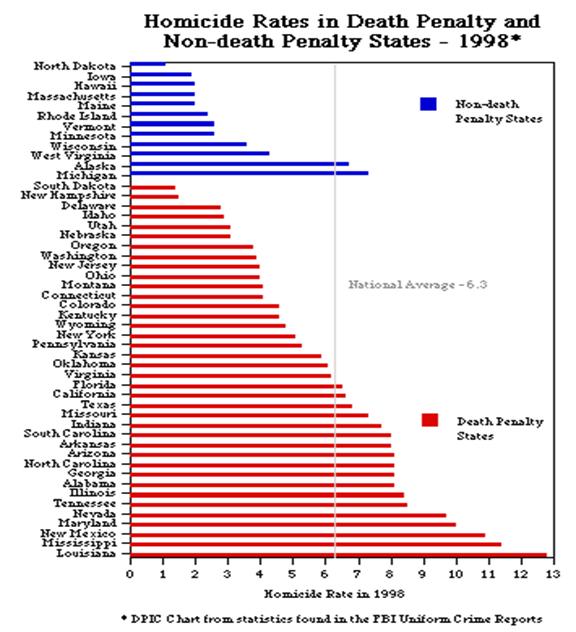
The trend across the United States has been a gradual decline in the use of the death penalty. Numerous states have abolished it, while others have imposed moratoriums or seen executions dwindle. This national movement away from capital punishment reinforces the position of states like New York that have effectively ceased its application. Landmark abolitionist movements and advocacy groups continue to push for the complete end of capital punishment nationwide, influencing public discourse and policy decisions in states across the nation. The ultimate fate of the death penalty in the United States remains a subject of ongoing debate, but New York has firmly established its stance against its contemporary application.
LifeOutOfTheBox is a participant in the Amazon Services LLC Associates Program, an affiliate advertising program designed to provide a means for sites to earn advertising fees by advertising and linking to Amazon.com. Amazon, the Amazon logo, AmazonSupply, and the AmazonSupply logo are trademarks of Amazon.com, Inc. or its affiliates. As an Amazon Associate we earn affiliate commissions from qualifying purchases.