
Deciding whether to drive to New York City is a significant travel consideration, involving a complex interplay of convenience, cost, and the ultimate travel experience. The allure of the “City That Never Sleeps” is undeniable, drawing millions of visitors annually for its iconic landmarks, vibrant culture, and unparalleled energy. However, the journey to this bustling metropolis can be a determining factor in the overall success of your trip. This exploration delves into the practicalities and potential pitfalls of arriving in New York by car, helping you make an informed decision that aligns with your travel style and priorities.

The Allure of the Open Road: Advantages of Driving
The freedom and flexibility offered by a road trip are often the primary motivators for choosing to drive. For many, the journey itself is as much a part of the adventure as the destination. This is particularly true when traveling from surrounding states or regions where the drive is manageable.
Flexibility and Spontaneity
One of the most significant advantages of driving is the ability to dictate your own schedule. Unlike relying on trains or planes, you can depart when you wish, stop whenever you please, and explore points of interest along the way. This spontaneity can lead to unexpected discoveries and a more personalized travel narrative. Whether it’s a quirky roadside attraction or a charming small town, a car grants you the freedom to deviate from the planned route and embrace serendipity. This is especially beneficial for families with young children or individuals who prefer a more relaxed pace, allowing for frequent breaks and accommodating varying needs without the constraints of fixed schedules.
Packing Freedom
When you drive, the luggage limitations imposed by airlines simply vanish. You can pack more comfortably, bringing along those extra outfits, specialized equipment, or even bulky items that might be cumbersome or impossible to transport otherwise. This can be a significant advantage for longer stays, special occasions, or if you plan to engage in activities requiring specific gear, such as hiking or photography. The ability to bring your favorite pillow, a full-sized toiletry kit, or even a beloved pet (with careful planning) can significantly enhance the comfort and enjoyment of your trip.
Cost-Effectiveness for Groups and Families
For families or groups traveling together, driving can often be a more economical choice than purchasing multiple plane tickets or train fares. While factoring in fuel, tolls, and parking, the total cost per person can be substantially lower, especially when splitting expenses. This allows for a larger portion of your budget to be allocated to experiences and accommodations within New York City itself, rather than being consumed by transportation to get there. For instance, a family of four driving from Philadelphia might find the combined cost of gas, tolls, and a day or two of parking to be less than four round-trip airfares.
Navigating the Concrete Jungle: Challenges of Driving in New York
While the idea of a road trip is appealing, the reality of driving in New York City presents a unique set of challenges that can quickly erode the initial advantages. Understanding these obstacles is crucial for a realistic assessment.
The Parking Predicament
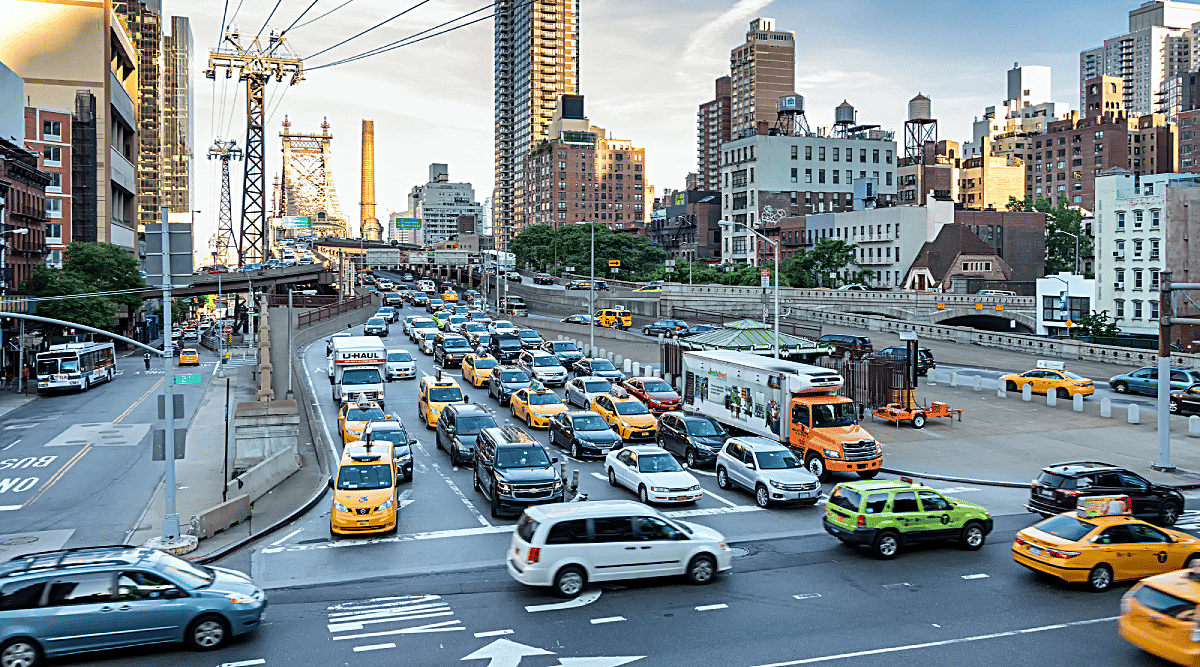
Perhaps the most daunting aspect of driving to New York is the parking situation. Parking garages and lots are notoriously expensive, with daily rates often reaching hundreds of dollars. Street parking is fiercely competitive and often subject to strict time limits, alternate side parking regulations that change frequently, and the constant threat of ticketing. Even if you find a spot, the sheer difficulty of maneuvering through crowded streets and the anxiety of potential damage to your vehicle can detract from your experience. Many visitors find themselves spending a significant portion of their day searching for parking, adding stress and expense to their itinerary.
Traffic Congestion
New York City is synonymous with traffic. Rush hour can bring the city to a standstill, with delays that can turn a short drive into a lengthy ordeal. Navigating through dense traffic, dealing with aggressive drivers, and adhering to complex traffic laws can be a frustrating and time-consuming experience. The constant stop-and-go traffic not only impacts your schedule but also significantly increases fuel consumption, further adding to the cost. For those unaccustomed to such urban driving conditions, it can be an overwhelming and even dangerous situation.
Tolls and Expenses
The cost of entering Manhattan and navigating through the city can accumulate rapidly due to tolls. Bridges like the George Washington Bridge and tunnels such as the Lincoln Tunnel and Holland Tunnel all have significant tolls, which can add up for round trips and multiple entries into different boroughs. Beyond tolls, consider the cost of parking, fuel, and potential mechanical wear and tear on your vehicle from constant stop-and-go driving. These expenses can quickly make driving less economical than initially anticipated.

Navigational Complexity
New York City’s street grid can be confusing, with avenues running north-south and streets running east-west, but with numerous exceptions, diagonal avenues, and one-way streets. While GPS navigation systems are helpful, they can sometimes lead drivers down impractical routes or into areas with even worse traffic. Familiarizing yourself with the city’s layout beforehand can help, but the sheer density and constant changes can still pose a navigational challenge.
Alternatives to Driving: Exploring Other Transportation Options
Given the significant challenges of driving in New York City, it’s often prudent to consider alternative transportation methods that bypass these hurdles.
Amtrak and Rail Services
For travelers coming from within a reasonable distance, Amtrak offers a comfortable and convenient way to reach New York. The Moynihan Train Hall at Penn Station is a modern gateway to the city, and the train bypasses traffic entirely. You can relax, work, or enjoy the scenery, arriving directly in the heart of Manhattan without the stress of driving and parking. This option is particularly attractive for those seeking a more relaxed and productive journey.
Flying into Area Airports
New York is served by several major airports: John F. Kennedy International Airport (JFK), LaGuardia Airport (LGA), and Newark Liberty International Airport (EWR) in New Jersey. Once you arrive, you can utilize public transportation, ride-sharing services, or airport shuttles to reach your accommodation. While flying has its own set of considerations, it often proves more efficient for longer distances and allows you to avoid the direct driving stresses within the city.
Utilizing Public Transportation within the City
Once you’ve arrived in New York via alternative means, the city’s extensive public transportation system becomes your best friend. The New York City Subway and bus network offer an affordable and efficient way to navigate Manhattan and its surrounding boroughs. Purchasing a MetroCard provides easy access to unlimited rides, allowing you to explore attractions like Times Square, the Metropolitan Museum of Art, and Central Park without the hassle of driving.
Making the Decision: Weighing Your Options
Ultimately, the decision of whether to drive to New York City depends on a careful evaluation of your personal circumstances, travel preferences, and tolerance for urban challenges.
Consider Your Starting Point
If you’re embarking on a cross-country adventure or coming from a region with limited public transportation options, driving might be the only practical solution. However, if you’re within a few hours’ drive of a major train station or airport, these alternatives become increasingly appealing. For those residing in states like Connecticut, New Jersey, or Pennsylvania, taking a train can be a highly efficient and stress-free option.
Evaluate Your Budget and Priorities
While driving can seem cheaper initially, a realistic cost-benefit analysis is essential. Factor in gas, tolls, parking fees, potential vehicle wear and tear, and the intangible cost of stress and lost time. If your budget is tight and your primary goal is to maximize your time experiencing the city, relying on public transportation after arriving by train or plane is often the most sensible approach. Conversely, if you value the freedom to explore off-the-beaten-path locations outside the immediate city limits before or after your New York stay, and you’re willing to pay for parking, driving might still be viable.
Your Tolerance for Urban Driving and Parking
Are you comfortable navigating dense, fast-paced urban environments? Do you have the patience to search for scarce and expensive parking? If the thought of these challenges fills you with dread, then driving is likely not the best option. For many visitors, the peace of mind and ability to immediately immerse themselves in the city’s offerings far outweigh the perceived convenience of having their own vehicle. Consider the possibility of driving to a suburban train station and taking public transit into the city, a hybrid approach that can offer a balance of flexibility and urban ease.
In conclusion, while driving to New York City offers undeniable freedom on the open road, the realities of navigating and parking within the city often present significant obstacles. A thorough consideration of your travel style, budget, and personal preferences will guide you toward the most enjoyable and efficient way to reach and experience the magic of New York.
LifeOutOfTheBox is a participant in the Amazon Services LLC Associates Program, an affiliate advertising program designed to provide a means for sites to earn advertising fees by advertising and linking to Amazon.com. Amazon, the Amazon logo, AmazonSupply, and the AmazonSupply logo are trademarks of Amazon.com, Inc. or its affiliates. As an Amazon Associate we earn affiliate commissions from qualifying purchases.