
The allure of a snowy New York City is undeniable, painting a picturesque scene of iconic landmarks dusted in white and transforming the bustling metropolis into a winter wonderland. For travelers, the prospect of experiencing this can be a significant factor in planning a visit. Understanding the likelihood and patterns of snowfall in New York City is crucial for anyone hoping to witness this magical phenomenon firsthand, and for those who might prefer to avoid the chill altogether. This guide delves into the meteorological nuances of New York City winters, offering insights into when snow is most probable, what factors influence it, and how to best prepare for a potential winter visit.
Understanding Winter Weather Patterns in New York City
New York City, with its coastal proximity and varied topography, experiences a distinct winter season characterized by cold temperatures and the potential for significant snowfall. The winter months, generally spanning from December through March, are when most of the city’s annual precipitation falls as snow. However, the timing and intensity of these snow events are highly variable, influenced by a complex interplay of atmospheric conditions.
Key Influencing Factors
Several meteorological factors contribute to snowfall in New York City. Understanding these can help in predicting the likelihood of a white Christmas or a snow-laden February.
Nor’easters
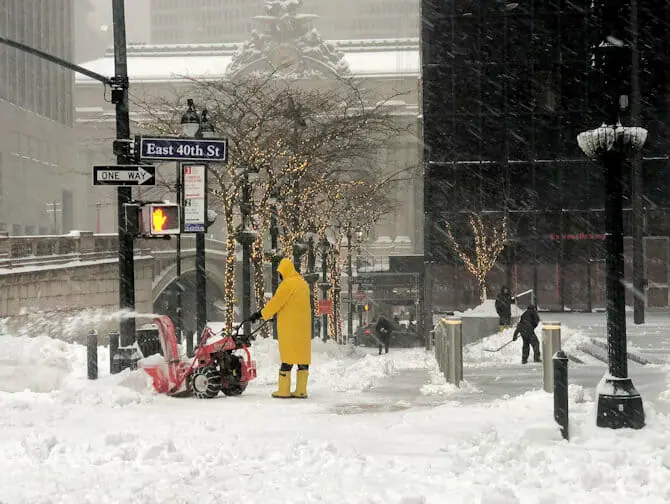
One of the most significant weather phenomena that can bring heavy snowfall to New York City is the Nor’easter. These powerful storms form along the Atlantic coast, drawing in moisture from the ocean and cold air from the north. When a Nor’easter tracks appropriately, it can unleash blizzard conditions, including heavy snow, strong winds, and reduced visibility. The intensity and path of these storms are notoriously difficult to predict with certainty more than a few days in advance, adding an element of unpredictability to winter weather forecasts for the city. A well-developed Nor’easter can dump over a foot of snow in a single event, significantly impacting transportation and daily life in New York City.
Arctic Air Masses
The arrival of frigid air masses from Canada is another primary driver of cold temperatures in New York City. While cold air alone does not produce snow, it creates the necessary frigid environment for precipitation to fall as snow rather than rain. When these cold air masses interact with a low-pressure system, the conditions become ripe for snow. The depth and duration of these cold spells can influence how long snow remains on the ground, contributing to the overall winter landscape.
Jet Stream Dynamics
The position and strength of the jet stream play a critical role in steering weather systems across the continent. A southward dip in the jet stream over the eastern United States often precedes the arrival of cold air and can enhance the development of coastal storms, including Nor’easters. Conversely, a more northerly jet stream can keep New York City in milder air, reducing the chances of snow. Monitoring jet stream patterns is a key element in long-range weather forecasting.
When is Snow Most Likely?
While snow can theoretically fall anytime between late November and early April, the prime snow season in New York City typically runs from mid-December through February. However, certain months historically see more snowfall than others, and specific periods within these months can be more prone to snow events.
December: A Glimmer of White
December marks the official start of meteorological winter, and while early snow is possible, it is not always a guarantee. The first half of the month often experiences transitionary weather, with a mix of rain, sleet, and snow. However, as the month progresses, the chances of sustained cold and snow events increase. A “white Christmas” in New York City is a cherished event, but statistically, it is not a common occurrence. Snowfall in December can range from a light dusting to significant accumulation, depending on the strength of any developing storms. Travelers hoping for snow in December should be aware that early to mid-December offers a lower probability than the latter half of the month.
January: The Peak of Winter
January is statistically New York City’s snowiest month. The combination of deeply entrenched cold air masses and a higher frequency of coastal storm development makes January the most reliable month for experiencing snow. Major snowstorms are more common in January, capable of bringing substantial accumulations and disrupting city operations. For those whose primary goal is to witness a snowy New York City, January offers the highest likelihood of success. This is the period when the city’s infrastructure is most tested by winter weather, and experiencing the city under a blanket of snow during this time can be truly memorable.
February: Lingering Winter Chill
February often continues the winter theme established in January. While the extreme cold of January may begin to slightly recede towards the end of the month, February can still deliver significant snowfalls. Nor’easters can still impact the region, and cold air outbreaks can lead to snow. The probability of snow remains high throughout February, though perhaps slightly less consistent than in January. Towards the end of February, there is an increasing chance of warmer air beginning to influence weather patterns, potentially leading to mixed precipitation or rain, but snow remains a distinct possibility.
March: A Late Season Surprise
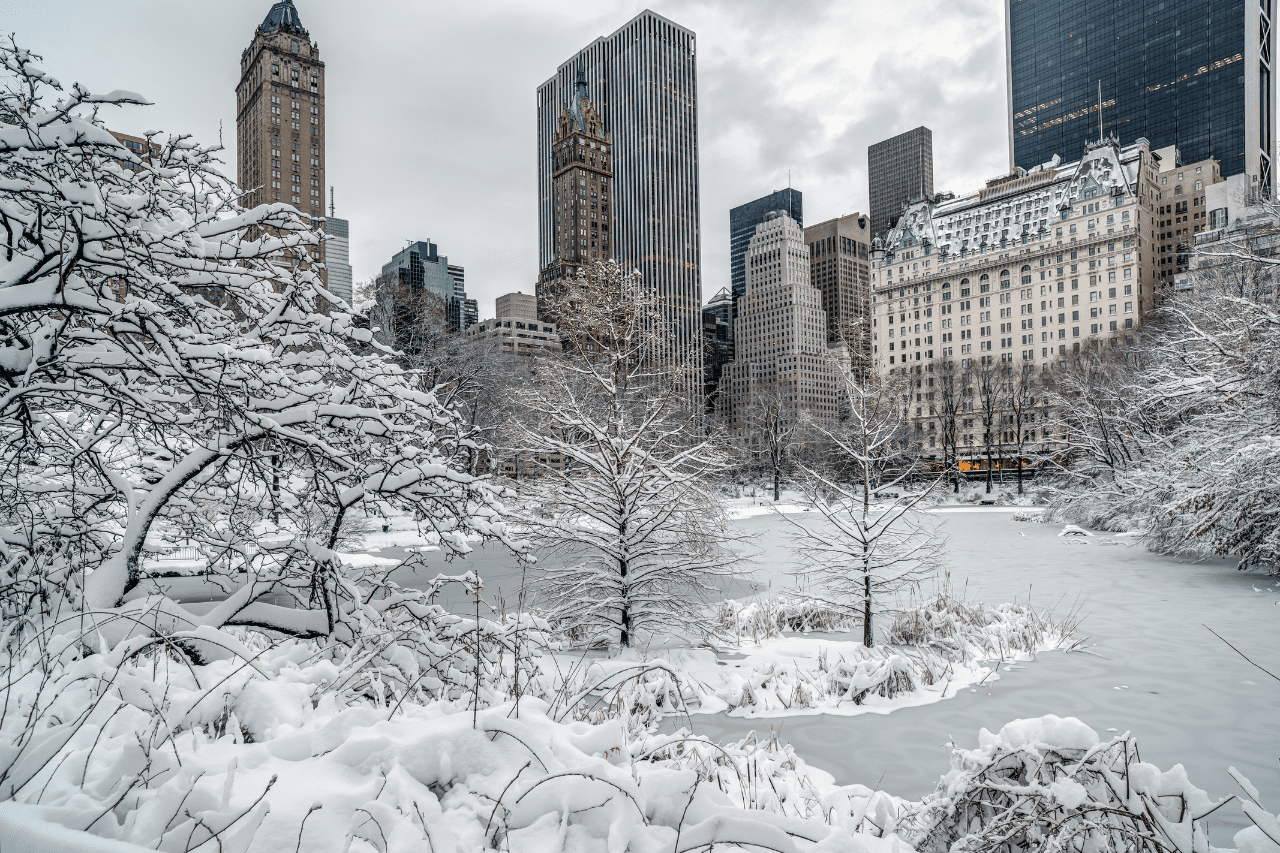
March is the final month of meteorological winter, and while spring is on the horizon, snow is still very much a possibility. Early March can experience significant snowstorms, sometimes rivaling those seen in the preceding months. However, as the month progresses, the sun’s angle increases, and temperatures begin to rise, making snow less likely. Any snow that falls in late March often melts relatively quickly, though prolonged cold snaps can allow for temporary snow cover. Experiencing snow in March in New York City is less common than in January or February, but it is certainly not unheard of.
Preparing for a Snowy Visit to New York City
If your travel plans to New York City coincide with the winter months, particularly January or February, it’s wise to be prepared for potential snowfall. This preparation can enhance your experience, whether you’re seeking to embrace the winter beauty or simply navigate the city efficiently.
Packing Essentials
For a snowy visit, layering is key. Pack thermal base layers, insulating mid-layers (like fleece or down), and a waterproof and windproof outer shell. Don’t forget warm accessories such as a hat, gloves or mittens, and a scarf. Waterproof, insulated footwear with good traction is essential for walking on potentially slippery surfaces. Consider bringing extra socks, as feet can get damp.
Navigating the City
New York City’s public transportation system, including the subway and buses, generally continues to operate during snowfall, although delays and service changes can occur during severe storms. The subway system, being largely underground, is less affected by surface conditions. However, getting to and from subway stations may require navigating snowy sidewalks. Taxis and ride-sharing services are also available but can be difficult to secure during heavy snow. Many tourists opt to stay in accommodations within walking distance of key attractions or subway lines to minimize travel disruptions.
Embracing the Winter Experience
If snow does fall, it presents unique opportunities for exploration. Walking through Central Park when it’s blanketed in snow is a serene and beautiful experience. Views of landmarks like the Empire State Building or the Statue of Liberty against a snowy backdrop are unforgettable. Many of New York City’s indoor attractions, such as world-class museums like the Metropolitan Museum of Art and the Museum of Modern Art, offer a warm respite from the cold. Consider visiting an ice skating rink, such as the one at Rockefeller Center, for a quintessential winter activity.
Staying Informed
It is always advisable to check weather forecasts regularly in the days leading up to and during your trip. Local news channels, weather apps, and official city advisories provide real-time updates on weather conditions and potential travel disruptions. Being aware of the forecast allows for flexibility in your itinerary and ensures you can make informed decisions about your activities.
Beyond the Snow: Winter Attractions and Activities
While the prospect of snow is exciting for many, New York City offers a wealth of attractions and activities that make a winter visit enjoyable regardless of the weather. The city truly comes alive during the holiday season, and the winter months offer a unique charm that extends beyond just snow.
Holiday Magic and Beyond
The period from late November through early January is particularly festive. The iconic Rockefeller Center Christmas Tree, the elaborate holiday window displays along Fifth Avenue, and the cheerful atmosphere of Times Square are all part of the holiday magic. Even after the holiday decorations come down, the city retains a vibrant energy.
Indoor Delights
For those who prefer to stay warm, New York City boasts an unparalleled selection of indoor attractions. World-renowned museums, including the American Museum of Natural History and the Guggenheim Museum, offer endless hours of exploration. Broadway shows provide world-class entertainment, and the city’s culinary scene is as dynamic as ever, with countless restaurants, cafes, and bakeries to discover. The vibrant neighborhoods, from the historic streets of Greenwich Village to the trendy boutiques of SoHo, offer plenty of opportunities for exploring even on a cold day.
Winter Views
Even without snow, New York City offers stunning vistas during the winter months. The clear, crisp air can provide exceptional views from observation decks like the Empire State Building or the Top of the Rock. A stroll along the High Line, an elevated linear park built on a former freight rail line, offers unique perspectives of the city’s architecture. A ferry ride to see the Statue of Liberty and Ellis Island is a classic New York experience that can be enjoyed year-round, offering dramatic skyline views.

Cozy Retreats
After a day of exploring, New York City offers a myriad of cozy places to relax. From charming cafes serving hot beverages to intimate bars and lounges, finding a warm spot to unwind is easy. Many hotels offer excellent amenities, such as on-site restaurants, bars, and comfortable lounges, providing a welcoming environment to escape the winter chill. The city’s diverse accommodations range from luxurious five-star hotels to boutique inns, ensuring a comfortable stay for every traveler.
Ultimately, whether New York City is dusted in snow or bathed in winter sunshine, it remains a captivating destination. Understanding the patterns of snowfall allows travelers to better plan their trips, but the city’s enduring charm and diverse offerings ensure a memorable experience no matter the weather.
LifeOutOfTheBox is a participant in the Amazon Services LLC Associates Program, an affiliate advertising program designed to provide a means for sites to earn advertising fees by advertising and linking to Amazon.com. Amazon, the Amazon logo, AmazonSupply, and the AmazonSupply logo are trademarks of Amazon.com, Inc. or its affiliates. As an Amazon Associate we earn affiliate commissions from qualifying purchases.