
Navigating the vibrant tapestry of New York City can be an exhilarating experience, a quintessential part of any global traveler’s journey. From the iconic skyline to the bustling streets, the city offers an unparalleled array of attractions, experiences, and cultural immersion. However, as with any major metropolitan area, concerns about safety are a natural consideration for prospective visitors. This guide aims to provide a comprehensive overview of safety in New York City, empowering travelers to plan their visit with confidence and make informed decisions, allowing them to fully embrace the magic of the Big Apple.
Understanding Safety in a Global Metropolis
New York City, a global hub of commerce, culture, and tourism, is a dynamic and diverse environment. Like any city of its size and population, it presents a spectrum of safety considerations. It’s crucial to approach this topic with a balanced perspective, recognizing both the inherent safety of the city for millions of residents and tourists alike, and the potential risks that require vigilance.
Crime Statistics and Trends
Recent years have seen fluctuating crime rates in New York City, a common occurrence in large urban centers influenced by a multitude of socio-economic factors. While overall crime statistics are a valuable indicator, it’s important to understand that these figures encompass a broad range of incidents, from petty theft to more serious offenses. For the average tourist, the most common concerns often revolve around pickpocketing and opportunistic crimes, particularly in crowded tourist areas. Law enforcement agencies consistently work to maintain public safety, with increased patrols in high-traffic zones and a focus on addressing specific crime trends. Understanding these trends allows travelers to be more aware of their surroundings and take appropriate precautions. For instance, being mindful of your belongings in crowded subway cars or while navigating the throngs around popular attractions like Times Square or the Metropolitan Museum of Art can significantly mitigate the risk of petty theft.
Public Perception vs. Reality
Public perception of safety in New York City can sometimes be amplified by media portrayals and anecdotal evidence. While it is essential to acknowledge reported incidents, it is equally important to differentiate between isolated events and the general safety of the city for the vast majority of visitors. Millions of tourists safely explore New York City every year, enjoying its world-class attractions, diverse neighborhoods, and vibrant nightlife without incident. The city’s extensive public transportation system, including the iconic New York City Subway, is a safe and efficient way to get around, with stations and trains generally well-lit and monitored. By focusing on sensible precautions and maintaining situational awareness, travelers can feel secure as they embark on their New York adventure.
Practical Safety Measures for Travelers
Ensuring a safe and enjoyable trip to New York City involves a combination of proactive planning, informed decision-making, and adherence to common-sense safety practices. These measures are not unique to New York but are highly recommended for any urban travel.
Situational Awareness and Vigilance
The cornerstone of safe travel in any busy city is maintaining situational awareness. This means being mindful of your surroundings at all times.
- Be aware of your belongings: In crowded areas, keep valuables secure and out of sight. Consider using a cross-body bag or a money belt. Avoid displaying expensive jewelry or electronics unnecessarily.
- Trust your instincts: If a situation feels uncomfortable or unsafe, remove yourself from it. Don’t hesitate to seek out well-lit, populated areas or to ask for assistance from law enforcement or venue staff.
- Avoid distractions: While it’s tempting to constantly be on your phone, try to limit its use in public, especially when walking. Being engrossed in your device can make you an easier target for opportunistic crimes.
- Plan your routes: Before heading out, have a general idea of your route, especially if you are unfamiliar with the area. This reduces the likelihood of appearing lost or vulnerable.
Transportation Safety
New York City’s public transportation system is extensive and generally safe, but it’s wise to follow these tips:
- Subway Etiquette: When waiting for a train, stand behind the yellow line. In less crowded cars, consider sitting near the driver. Be aware of who enters and exits the train with you.
- Taxis and Ride-Sharing: Use licensed taxis or reputable ride-sharing services. Ensure the meter is running in taxis. In ride-sharing apps, verify the car and driver match the information provided.
- Walking: Stick to well-lit, populated streets, especially at night. Avoid walking through deserted parks or alleys.
Accommodation Safety
Your choice of accommodation plays a role in your overall safety.

- Reputable Hotels: Opt for hotels in well-regarded neighborhoods and from established brands. Always check reviews for any safety-related concerns mentioned by previous guests. Popular choices include the Marriott Marquis in Times Square or boutique hotels in neighborhoods like SoHo or the West Village.
- Secure Your Room: Always lock your hotel room door, even when you are inside. Use the deadbolt and the security chain. Be cautious about who you let into your room.
- Hotel Location: Consider the neighborhood in which your hotel is located. Areas like Midtown Manhattan, near Central Park, or parts of Brooklyn such as DUMBO offer a good balance of accessibility and safety for tourists.
Navigating Specific Neighborhoods and Attractions
New York City’s safety can vary slightly by neighborhood, and awareness of your surroundings is key, particularly in popular tourist hubs.
Tourist Hotspots
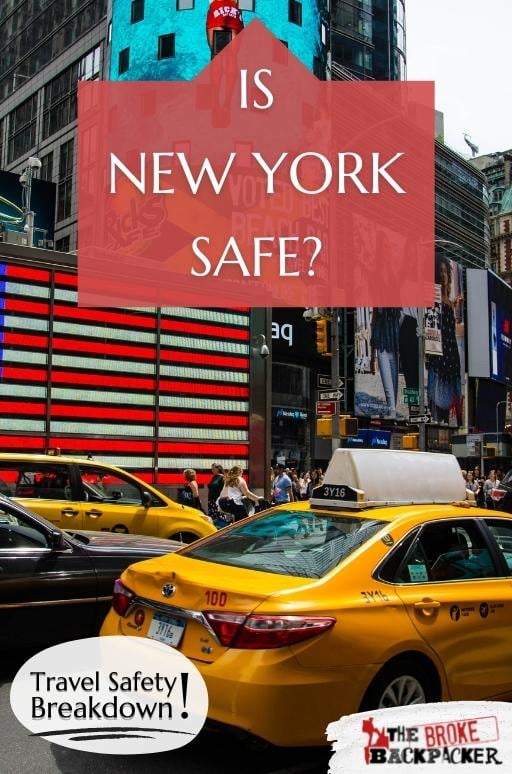
Iconic locations like Times Square, Empire State Building, Statue of Liberty, Rockefeller Center, and the High Line attract millions of visitors. While these areas are heavily patrolled, they can also be targets for petty crime due to the concentration of people.
- Pickpocketing Awareness: Be extra vigilant in crowded lines, on observation decks, and during street performances.
- Street Vendors: Exercise caution when interacting with street vendors, especially regarding unsolicited offers or crowded areas around them.
Residential and Cultural Neighborhoods
Exploring neighborhoods like Greenwich Village, Chinatown, Little Italy, or parts of Brooklyn like Williamsburg offers a deeper dive into the city’s rich culture. These areas are generally safe, but as with any residential neighborhood, it’s advisable to be aware of your surroundings, especially after dark.
- Respect Local Norms: Be mindful of noise levels and local customs when exploring residential streets.
- Public Transportation Access: Most of these neighborhoods are well-served by public transportation, making it easy to travel between them safely.
Emergency Preparedness and Resources
In the unlikely event of an emergency, knowing how to access help is vital.
Emergency Services
- Dial 911: For any immediate emergency requiring police, fire, or medical assistance, dial 911. This is the universal emergency number in the United States.
- Police Presence: New York City Police Department (NYPD) officers are visible throughout the city. Do not hesitate to approach an officer if you feel you need assistance or have witnessed an incident.
Staying Informed
- Travel Advisories: Before your trip, check any travel advisories issued by your home country’s government. These can provide up-to-date information on safety concerns.
- Local News: Stay informed about local news and any developing situations that might affect your travel plans.

Health and Well-being
- Access to Healthcare: New York City has world-class medical facilities. If you require medical attention, ask your hotel for recommendations or use your ride-sharing service to reach the nearest hospital.
- Travel Insurance: Consider purchasing travel insurance that covers medical emergencies and other unforeseen events.
New York City is a city that thrives on its energy, diversity, and welcoming spirit. By understanding the safety landscape, employing common-sense precautions, and staying informed, travelers can confidently explore all that this incredible city has to offer, creating lasting memories of a safe and unforgettable journey. The allure of New York City, from the artistic enclave of SoHo to the historic grandeur of Grand Central Terminal, is best experienced when one feels secure and empowered to embrace every moment.
LifeOutOfTheBox is a participant in the Amazon Services LLC Associates Program, an affiliate advertising program designed to provide a means for sites to earn advertising fees by advertising and linking to Amazon.com. Amazon, the Amazon logo, AmazonSupply, and the AmazonSupply logo are trademarks of Amazon.com, Inc. or its affiliates. As an Amazon Associate we earn affiliate commissions from qualifying purchases.