
The question of whether New York observes Central Time is a common point of confusion for travelers and newcomers alike. This seemingly simple query delves into the complexities of time zones across the United States and the specific geographical designations that govern daily life in the bustling metropolis. To understand the temporal landscape of New York, one must first grasp the fundamental principles of United States time zones.
Understanding U.S. Time Zones
The continental United States is divided into four primary time zones: Eastern Time, Central Time, Mountain Time, and Pacific Time. These zones are established by the U.S. government based on longitude, with each zone generally spanning approximately 15 degrees of longitude. The goal is to keep local solar noon as close as possible to 12:00 PM in each zone.
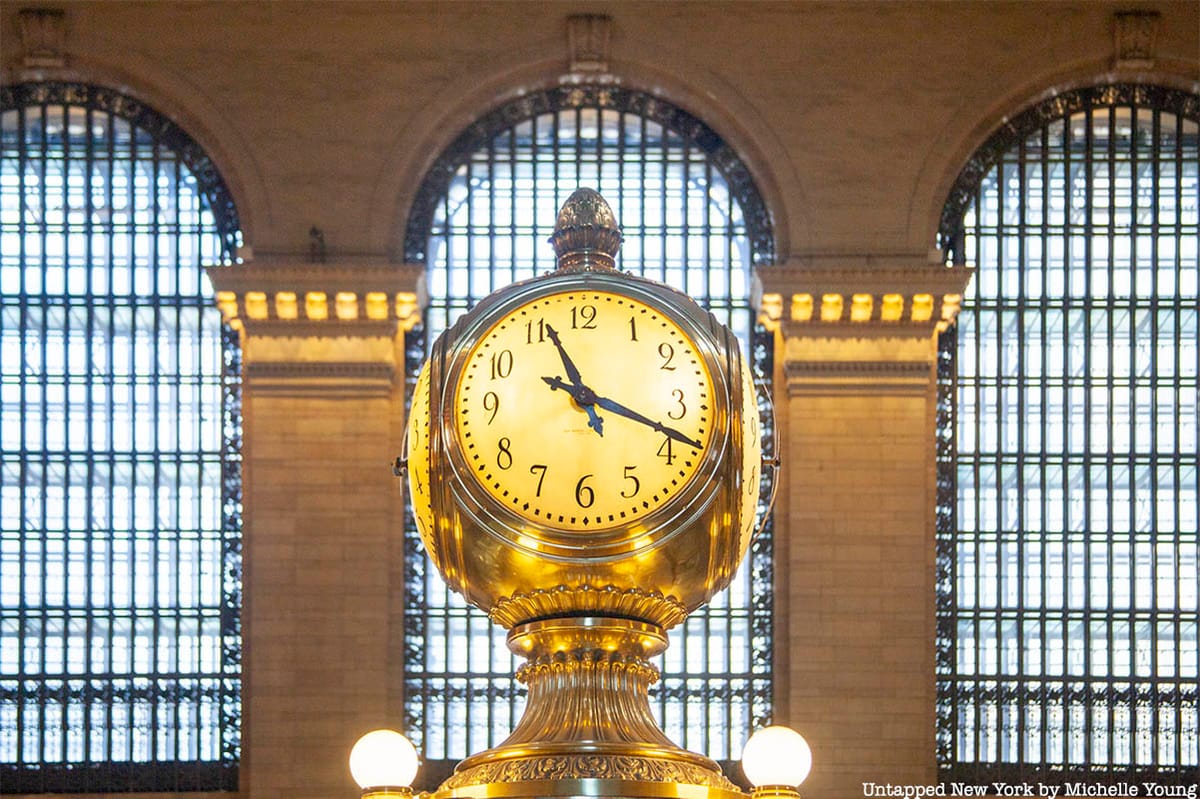
Eastern Time Zone (ET)
The Eastern Time Zone is the easternmost of the four contiguous time zones. It encompasses a large portion of the eastern seaboard of the United States, including major cities such as New York City, Boston, Philadelphia, Washington D.C., and Atlanta. It also includes parts of the Midwest and Florida. Eastern Time is UTC-5 during standard time and UTC-4 during daylight saving time. This is the zone that governs the vast majority of the eastern population and economic activity.
Central Time Zone (CT)
The Central Time Zone is located immediately to the west of the Eastern Time Zone. It stretches from the western Great Lakes region down through the Great Plains and into the Gulf Coast. Major cities within the Central Time Zone include Chicago, Houston, Dallas, Minneapolis, and New Orleans. Central Time is UTC-6 during standard time and UTC-5 during daylight saving time.
The Boundaries and Their Significance
The dividing lines between these time zones are not always perfectly straight. They often follow state or county boundaries for administrative and practical convenience. This can lead to situations where parts of a single state might fall into different time zones, although this is less common for major population centers. The adoption of daylight saving time further adds a layer of complexity, as clocks are advanced by one hour during the warmer months, shifting the offset from UTC.
New York’s Temporal Placement
Given the established definitions of the Eastern and Central Time Zones, the answer to “Is New York Central Time?” is a definitive no. New York City, and indeed the entire state of New York, firmly resides within the Eastern Time Zone.
Eastern Standard Time (EST) and Eastern Daylight Time (EDT)
Throughout the year, New York observes either Eastern Standard Time (EST) or Eastern Daylight Time (EDT). During the fall and winter months, when daylight saving time is not in effect, New York operates on EST, which is UTC-5. As spring approaches and daylight saving time begins, the clocks are moved forward one hour, and New York then operates on EDT, which is UTC-4. This twice-yearly adjustment is a standard practice across most of the United States.
The Impact on Travel and Business
The adherence of New York to the Eastern Time Zone has significant implications for travelers and businesses.
For Travelers
When planning a trip to New York, whether for leisure or business, understanding the local time zone is crucial for accurate scheduling. Flights, train schedules, hotel check-in times, and appointments will all be based on Eastern Time. For instance, if a traveler is coming from a Central Time Zone location, they will need to adjust their watch or phone forward by one hour upon arrival in New York. This is a common adjustment for those traveling eastward across the United States. Conversely, someone traveling from New York to Chicago would set their watch back one hour.
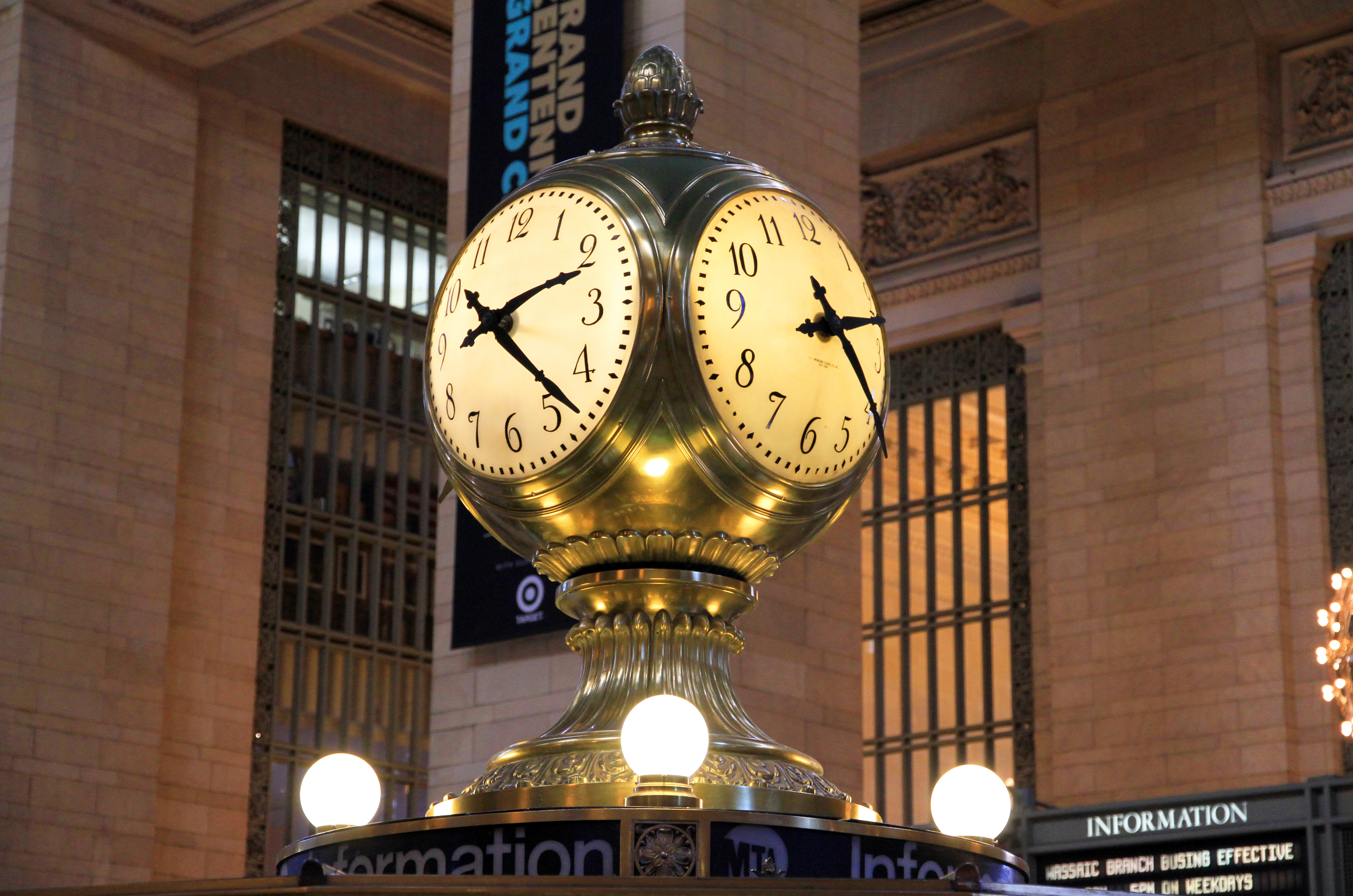
Accurate timekeeping is essential for ensuring seamless travel experiences. Misunderstanding time zones can lead to missed flights, late arrivals for tours, and general logistical headaches. Travel guides and booking platforms invariably specify times in the local time zone of the destination, making it imperative for travelers to be aware of this context. The vibrant nightlife and early morning business meetings in New York are all orchestrated within the framework of Eastern Time.
For Businesses
The Eastern Time Zone is often considered the primary business hub of the United States due to its concentration of financial markets, media companies, and corporate headquarters. New York City, as a global financial center, operates at the heart of Eastern Time. This means that stock market openings and closings, major press conferences, and the busiest periods for communication with international partners are all synchronized with this zone.
Businesses operating nationally must be cognizant of the time zone differences when scheduling conference calls, setting deadlines, and coordinating operations. A business based in New York might schedule a critical call at 10:00 AM EST, which would correspond to 9:00 AM CST in Chicago and 7:00 AM PST in Los Angeles. This temporal hierarchy influences the rhythm of commerce and communication across the country. The ability to manage these time zone differentials effectively is a hallmark of efficient business operations in a country as vast as the United States.
Distinguishing New York from Central Time Cities
It is important to clearly differentiate New York from cities that do observe Central Time. As mentioned, Chicago, Houston, and Dallas are prominent examples of major metropolitan areas that operate on Central Time. Travelers or businesses interacting with these cities must account for the one-hour difference from New York.
Geographic Factors
The reason for this division lies in geography and historical precedent. The Eastern Time Zone follows the eastern coastline and extends westward, while the Central Time Zone begins where the Eastern Time Zone ends. These boundaries were established to create a practical and generally consistent temporal experience for the populations within each zone. The sheer population density and economic significance of the areas within the Eastern Time Zone, including the populous Northeast corridor and the Southeast, naturally place them in this temporal category.
Navigational and Communication Implications
For historical modes of navigation and communication, such as the telegraph or early radio broadcasts, adherence to distinct time zones was critical for coordination. Even in the age of instant digital communication, the established time zones continue to serve as a fundamental organizational principle. When discussing events or making plans that involve both New York and a Central Time city, it is standard practice to specify the time zone, e.g., “1:00 PM EST” or “1:00 PM CST.” This avoids ambiguity and ensures that all parties are working with the correct temporal reference.
Daylight Saving Time and Its Effect
The implementation of Daylight Saving Time (DST) further nuances the timekeeping in New York. While it does not change the fact that New York is in the Eastern Time Zone, it does alter the specific designation from EST to EDT and the UTC offset.
The DST Schedule
In the United States, DST typically begins on the second Sunday in March and ends on the first Sunday in November. During this period, clocks are advanced by one hour. So, in New York, EST (UTC-5) becomes EDT (UTC-4). This means that during DST, New York is two hours ahead of Central Daylight Time (CDT), which is UTC-5.
Consistency and Potential for Error
While the DST transition is synchronized across most of the United States, it adds another layer to consider when calculating time differences. For example, a business meeting scheduled for 2:00 PM EDT in New York would be at 1:00 PM CDT in Chicago. However, during the periods when DST is not observed (i.e., standard time), EST (UTC-5) is three hours ahead of Pacific Standard Time (PST) (UTC-8). The transitions into and out of DST can sometimes lead to minor confusion, especially if different regions or countries have varying DST schedules. It is always prudent to verify the current time and time zone, especially when dealing with international or cross-country communications.

Conclusion: New York’s Eastern Identity
In conclusion, the question “Is New York Central Time?” is definitively answered by acknowledging its steadfast position within the Eastern Time Zone. From the financial markets of Wall Street to the cultural landmarks of Manhattan, the rhythm of life and business in New York is dictated by EST and EDT. Understanding this temporal designation is not merely an academic exercise but a practical necessity for anyone planning to visit, work in, or communicate with this influential global city. The adherence to the Eastern Time Zone reinforces New York‘s identity as a key player in the eastern seaboard’s temporal and economic landscape, distinct from the cities and states that fall under the purview of Central Time. This clear demarcation ensures that whether you are booking a flight, scheduling a meeting, or simply trying to call a friend, the temporal reference point for New York is consistently and unequivocally Eastern Time.
LifeOutOfTheBox is a participant in the Amazon Services LLC Associates Program, an affiliate advertising program designed to provide a means for sites to earn advertising fees by advertising and linking to Amazon.com. Amazon, the Amazon logo, AmazonSupply, and the AmazonSupply logo are trademarks of Amazon.com, Inc. or its affiliates. As an Amazon Associate we earn affiliate commissions from qualifying purchases.