
Arizona, often hailed as the Grand Canyon State, is a land of striking contrasts, not just in its iconic landscapes but also in its remarkably diverse climate. From scorching desert valleys to snow-capped peaks, the weather in Arizona is as varied as its topography, making it a captivating destination for travelers seeking everything from sun-drenched adventures to alpine retreats. Understanding this climatic duality is key to planning an unforgettable trip, whether you’re dreaming of luxurious resort stays, immersive cultural experiences, or exhilarating outdoor explorations.
This guide delves into the intricacies of Arizona’s weather patterns, offering insights into what to expect across its different regions and seasons. We’ll explore how these climatic factors influence travel planning, accommodation choices, and the myriad activities available, ensuring you can optimize your visit for the perfect blend of comfort and adventure. From budgeting for peak seasons to discovering hidden gems during quieter times, the weather plays a pivotal role in shaping your Arizona lifestyle experience.
Understanding Arizona’s Diverse Climates
At its heart, Arizona is divided into two primary climatic zones: the arid desert lowlands and the cooler, more temperate high country. This geographical split dictates everything from daily temperatures to precipitation levels, creating distinct experiences depending on where and when you visit.
The Arid Beauty of the Desert Southwest
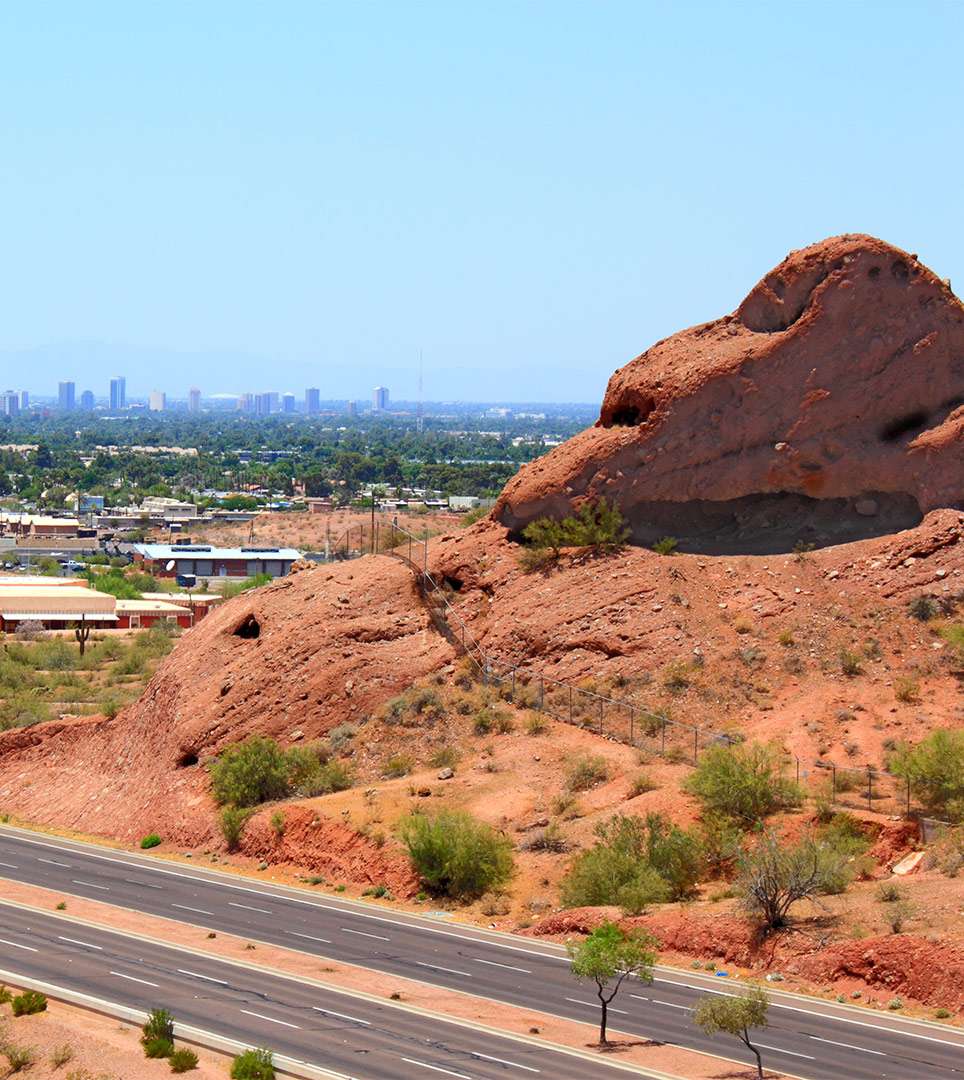
The vast southern and western portions of Arizona are characterized by an unmistakable desert climate. This region, encompassing major cities like Phoenix, Tucson, Yuma, Scottsdale, Mesa, and Lake Havasu City, is dominated by the Sonoran Desert and fringes of the Mojave Desert.
Summers (June to September): Expect intense heat. Daytime temperatures in Phoenix and Tucson routinely exceed 100°F (38°C), often climbing well into the 110s°F (43-46°C). While the heat is dry, making it feel less oppressive than humid climates, proper hydration and sun protection are paramount. Tourism during these months often shifts towards early morning or late evening activities, poolside relaxation at lavish resorts, or exploring indoor attractions like museums and galleries. Many hotels offer discounted rates, making it a prime time for budget-conscious travelers to experience luxury accommodation.
Monsoon Season (July to mid-September): A unique feature of the desert summer is the annual monsoon season. While not a constant downpour, this period brings dramatic, often localized thunderstorms, heavy rain, lightning, and strong winds. Flash floods can occur rapidly, particularly in washes and low-lying areas, which is crucial for travelers to be aware of, especially if planning hiking or road trips through less developed areas. Despite the brief intensity, these storms clear the air, offer breathtaking sunsets, and nurture the desert landscape, making for spectacular photographic opportunities.
Winters (December to February): This is the peak season for southern Arizona tourism, and for good reason. Temperatures are gloriously mild and sunny, with daytime highs typically ranging from 60-75°F (15-24°C). This perfect weather makes it ideal for outdoor pursuits like hiking, golfing, cycling, and exploring the Saguaro National Park. Accommodation, particularly high-end resorts and vacation rentals, can be pricier and books up quickly, so early planning is essential. This is when the “snowbirds” from colder climates flock to the state, enhancing the vibrant winter lifestyle.
Spring (March to May) & Fall (October to November): These shoulder seasons offer some of the most pleasant weather statewide. In the desert, temperatures are warm but not yet scorching, ranging from 70-95°F (21-35°C). Spring brings a spectacular display of wildflowers across the desert floor, transforming the landscape into a canvas of color. Fall offers a gradual cooling, perfect for outdoor activities before the winter crowds arrive. These periods are highly recommended for those seeking comfortable exploration without the extreme heat or peak-season prices.
The Alpine Charm of Northern Arizona
Contrastingly, northern Arizona boasts a truly four-season climate, due to its higher elevations. This region includes iconic destinations like the Grand Canyon, Sedona, and Flagstaff, where the landscape transitions from red rock mesas to vast pine forests, part of the Coconino National Forest.
Summers (June to September): While the desert bakes, northern Arizona offers a delightful escape. Flagstaff, at over 7,000 feet, experiences mild to warm days (70s-80s°F / 21-29°C) and cool evenings. Sedona (around 4,500 feet) is warmer but still significantly cooler than Phoenix, with temperatures typically in the 80s-90s°F (27-35°C). This makes the high country a prime summer destination for hiking, mountain biking, and exploring national parks and forests. Monsoon season also affects this region, bringing afternoon thunderstorms that provide welcome relief from the heat.
Winters (December to February): Northern Arizona truly transforms into a winter wonderland. Flagstaff receives significant snowfall, making it a hub for winter sports like skiing and snowboarding at Arizona Snowbowl. Sedona often sees light snowfalls, creating a magical scene of red rocks dusted in white. Even the Grand Canyon can be snow-covered, offering breathtaking, crowd-free views. This season is perfect for cozy cabin stays, enjoying hot beverages by a fireplace, and experiencing a different side of Arizona tourism. Be prepared for road closures due to snow, especially for the Grand Canyon’s North Rim, which typically closes from late October to mid-May.
Spring (March to May) & Fall (October to November): These seasons are arguably the most spectacular for northern Arizona. Spring sees melting snow giving way to vibrant green landscapes and blooming cacti at lower elevations. Fall is renowned for its stunning display of autumn foliage, particularly around Flagstaff and in areas like Oak Creek Canyon near Sedona. Temperatures are ideal for hiking, sightseeing, and enjoying the crisp air. These periods are extremely popular, requiring advanced booking for hotels and accommodation, especially near major landmarks.
Seasonal Travel in Arizona: Planning Your Perfect Getaway
Deciding when to visit Arizona largely depends on what kind of experience you’re seeking and which region you wish to explore. Each season offers a unique charm and a different set of opportunities for travel, tourism, and lifestyle.
Winter Wonderland & Desert Oasis (December – February)
Best For: Escaping cold weather, golfing, hiking in the desert, enjoying outdoor patios, winter sports in the north.
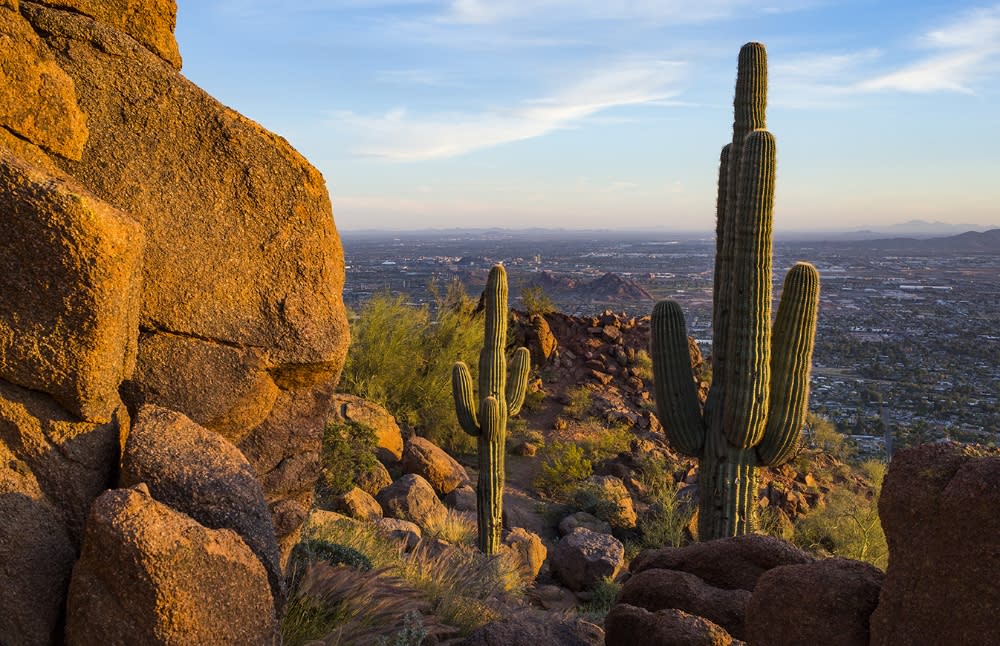
Destinations: Southern Arizona ( Phoenix, Tucson, Scottsdale) is at its prime, offering a delightful contrast to much of the United States. The mild, sunny weather is perfect for desert trails, outdoor dining, and exploring cultural attractions like the Desert Botanical Garden. In the north, Flagstaff and the Grand Canyon (South Rim) offer stunning snow-dusted vistas and opportunities for skiing or snowshoeing.
Accommodation: High demand for resorts and hotels in the Phoenix and Tucson areas means booking well in advance and expecting higher prices. Conversely, cozy cabins and lodges in the northern regions provide a serene winter escape. Consider a luxury spa resort in Scottsdale or a charming boutique hotel in Tucson for a pampered experience.
Lifestyle & Activities: This is peak “snowbird” season, with vibrant art festivals, outdoor concerts, and farmers’ markets flourishing. It’s an excellent time for hot air balloon rides, visiting historic towns like Prescott, or indulging in fine dining under the stars.
Spring Blooms & Mild Temperatures (March – May)
Best For: Wildflower viewing, comfortable hiking statewide, spring training baseball, national park exploration.
Destinations: This is arguably the best time to visit almost anywhere in Arizona. The desert bursts into a riot of color with wildflowers, while northern areas shed their winter coat and become perfect for hiking. The Grand Canyon, Sedona, Petrified Forest National Park, and Monument Valley are all exceptionally pleasant.
Accommodation: Expect high demand and prices across the state, especially during spring break weeks. Booking several months ahead is highly recommended for all types of accommodation, from budget-friendly motels to luxury villas.
Lifestyle & Activities: Spring training baseball draws crowds to Phoenix and [Tucson](https://lifeoutofthebox.com/tucson]. Hiking and photography are popular activities, with comfortable temperatures ideal for extended excursions. Consider exploring the wineries of Verde Valley near Sedona for a unique local culture experience.
Summer Adventures & Monsoon Spectacles (June – August)
Best For: High country escapes, water sports, indoor attractions, budget travel, dramatic monsoon storms.
Destinations: While the desert lowlands are hot, northern Arizona offers a refreshing escape. Flagstaff, Pinetop-Lakeside, and the areas around Lake Powell and Lake Havasu City are popular for cooler temperatures and water-based activities. The Grand Canyon remains a popular draw, though afternoon thunderstorms are common.
Accommodation: Excellent deals can be found in Phoenix and Tucson resorts, many of which feature elaborate pools and water parks. Northern Arizona accommodation tends to be busier and maintain moderate pricing.
Lifestyle & Activities: For those who can handle the desert heat, summer evenings bring out vibrant nightlife and unique stargazing opportunities. The monsoons offer a spectacular natural show, best enjoyed from a safe vantage point. Water activities, from kayaking to paddleboarding, are popular on Arizona’s lakes and rivers. This is also a good time to explore air-conditioned museums, galleries, and entertainment venues.
Autumn Hues & Pleasant Exploration (September – November)
Best For: Fall foliage, cooling temperatures, comfortable outdoor activities, fewer crowds after summer.
Destinations: Fall offers a perfect balance. Northern Arizona showcases stunning fall colors, particularly in Flagstaff and along the scenic drives near Sedona. The desert regions begin to cool down, making them ideal for hiking and exploration without the intense heat of summer.
Accommodation: Prices generally remain moderate, though they can increase towards late October and November as the desert enters its prime season. This is a fantastic time for a relaxed trip, with good availability for most hotels and resorts.
Lifestyle & Activities: Festivals and outdoor events become more frequent as the temperatures drop. It’s an ideal season for scenic drives, exploring ghost towns like Jerome, and enjoying the local food scene. Hiking, mountain biking, and rock climbing are all exceptionally pleasant.
Navigating Arizona’s Weather: Practical Tips for Travelers
Understanding Arizona’s weather is just the first step; adapting to it is crucial for a successful trip. Here are some essential tips:
- Pack Smart: Layering is key, especially if you plan to travel between different elevations. Even in the desert, evenings can be cool. Always include sun protection (hat, sunglasses, high-SPF sunscreen) and comfortable walking shoes. For summer desert visits, light, breathable clothing is essential. For winter in the north, bring warm, waterproof gear.
- Stay Hydrated: This cannot be stressed enough, particularly in the desert. Carry ample water, even for short excursions, and drink frequently.
- Check Forecasts: Always check the local forecast for your specific destination(s) daily, especially during monsoon season or if traveling to high elevations in winter. Road conditions can change rapidly.
- Time Your Activities: In the summer desert, plan outdoor activities for early mornings or late evenings. Midday is best spent indoors or by a pool. In the high country, be aware of afternoon thunderstorms during monsoon season.
- Road Trip Readiness: If planning a road trip, be mindful of flash flood warnings in the desert during monsoon season. In winter, mountain passes can experience snow and ice; check road conditions (e.g., Arizona Department of Transportation) before heading out.
- Accommodation Choices: Match your accommodation to the season and your desired activities. A resort with a fantastic pool and air conditioning is a summer desert sanctuary. A cozy cabin or a hotel with a fireplace is perfect for a northern Arizona winter. Consider vacation rentals for longer stays or family trips, offering flexibility and local immersion.
Unforgettable Experiences Shaped by Arizona’s Climate
Arizona’s diverse climate isn’t merely a backdrop; it actively shapes the unique experiences and landmarks that draw millions of visitors annually.
- The Grand Canyon: While awe-inspiring year-round, its personality changes with the seasons. Winter offers serene, snow-dusted vistas with fewer crowds, an excellent time for photography. Spring and fall provide ideal hiking conditions into the canyon, though trails can be hot in summer. Summer brings the vibrancy of peak tourism and the dramatic beauty of monsoon clouds.
- Sedona’s Red Rocks: Best explored in spring and fall when temperatures are perfect for hiking and mountain biking among the famous energy vortexes. Winter can offer a magical dusting of snow, while summer provides a cooler alternative to the desert, though still warm for strenuous midday activity. The wellness and spa retreats here thrive in all but the hottest summer months, offering a luxurious lifestyle.
- Phoenix and Tucson’s Urban Oasis: During mild winters, these cities buzz with outdoor festivals, golf tournaments, and vibrant patio dining. The luxury resorts with sprawling pools become essential havens in the intense summer, transforming into a glamorous escape. The local culture here often revolves around making the most of the weather, from early morning hikes to late-night culinary explorations.
- Arizona’s National Parks and Monuments: From the saguaro forests of Saguaro National Park to the colorful badlands of Petrified Forest National Park, each landmark offers a different perspective depending on the climate. Spring wildflowers in the desert parks are a sight to behold, while the dramatic skies of monsoon season can enhance the beauty of geological formations.
- Adventure and Recreation: Skiing in Flagstaff in winter, kayaking on Lake Pleasant near Phoenix in summer, or stargazing in a dark sky community like Sedona or Flagstaff on a crisp clear night – these experiences are directly tied to Arizona’s diverse weather.
In conclusion, the weather in Arizona is a defining characteristic, shaping its landscapes, influencing its tourism cycles, and dictating the rhythm of life for residents and visitors alike. Whether you’re seeking a warm winter escape, a cool summer mountain retreat, or the vibrant colors of spring and fall, Arizona offers a climatic profile to match every traveler’s desire. By understanding its unique meteorological patterns and planning accordingly, you can unlock the full potential of this magnificent state, ensuring your travel, accommodation, and lifestyle experiences are nothing short of extraordinary.
LifeOutOfTheBox is a participant in the Amazon Services LLC Associates Program, an affiliate advertising program designed to provide a means for sites to earn advertising fees by advertising and linking to Amazon.com. Amazon, the Amazon logo, AmazonSupply, and the AmazonSupply logo are trademarks of Amazon.com, Inc. or its affiliates. As an Amazon Associate we earn affiliate commissions from qualifying purchases.