
Navigating the Grit and Glamour of the Urban Landscape
The question of whether New York City is “dirty” is a complex one, often colored by personal perception, fleeting experiences, and the inherent nature of a metropolis teeming with millions. It’s a moniker that has clung to the city for decades, a whispered caveat to its undeniable allure. To truly answer this, one must delve beyond superficial observations and consider the multifaceted reality of urban sanitation, resident efforts, and the contrasting aesthetics that define this iconic global center. New York City’s reputation for grit is not entirely unfounded, but it is also a narrative that often overlooks the immense efforts to maintain its cleanliness and the vibrant spirit that thrives amidst its occasional imperfections.
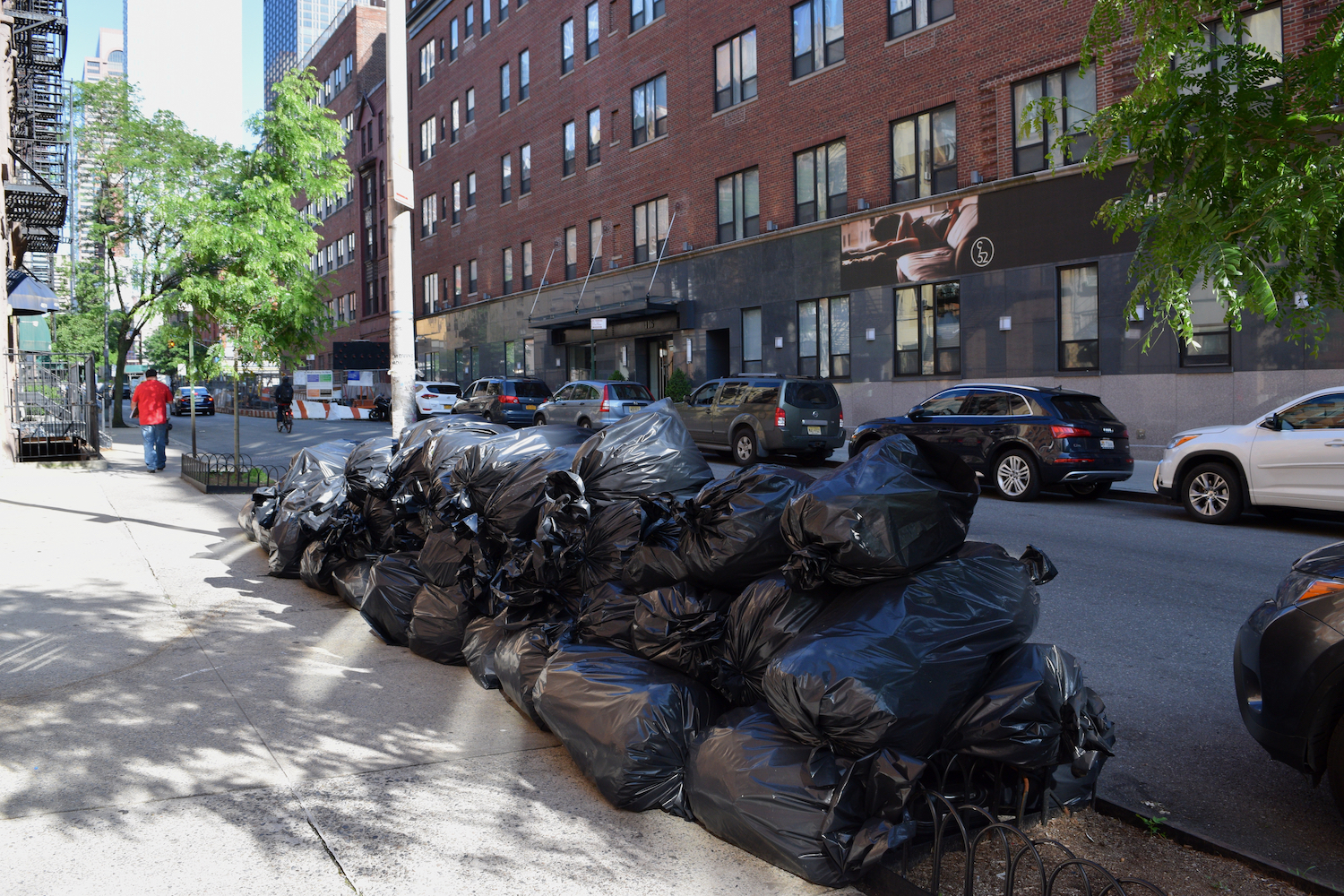
Perceptions vs. Reality: The Visual Landscape
The immediate visual impression of New York City can be a mixed bag. Sidewalks, especially in densely populated areas like Times Square or during peak commuting hours, can bear the residue of a day’s worth of activity: discarded coffee cups, stray flyers, and the occasional undeniable stain. Public transportation, while a marvel of efficiency, can also present its own challenges. Subway cars, traversed by millions daily, are subject to continuous use, and despite regular cleaning schedules, can sometimes exhibit signs of wear and tear.
However, these observations often represent snapshots in time. The New York City Department of Sanitation (DSNY) operates on a scale unmatched by most municipalities. Thousands of sanitation workers are employed to collect refuse, sweep streets, and maintain the city’s infrastructure. Their work is often unseen, occurring in the pre-dawn hours or late at night, striving to mitigate the visual impact of a city that never truly sleeps. Furthermore, numerous community-led initiatives, from neighborhood clean-up drives in areas like Greenwich Village to park stewardship programs in Central Park, demonstrate a collective commitment to enhancing the city’s aesthetic.
Factors Contributing to Perceived “Dirtiness”
Several factors contribute to the perception that New York City is dirtier than other cities, even if the reality is more nuanced.
High Population Density and Activity
New York City is the most densely populated city in the United States, with over 8 million residents and millions of tourists visiting annually. This sheer volume of human activity inevitably generates waste. The constant movement of people, consumption of food and beverages on the go, and the sheer scale of commerce create a continuous cycle of usage and disposal that can, at times, overwhelm even the most robust sanitation systems.
Age of Infrastructure
Much of New York City’s infrastructure, particularly its subway system and older buildings, dates back over a century. While remarkably resilient, these older systems can be more prone to wear and tear and may present visual challenges that newer, purpose-built cities might not face. Graffiti, while an art form for some, can also contribute to a perception of neglect in certain areas.
Climate and Weather
New York City experiences distinct seasons, each with its own impact on cleanliness. Spring thaws can reveal debris accumulated over winter, while summer heat can exacerbate odors. Heavy rainfall can wash street grime into storm drains, and autumn leaves, while picturesque, require significant efforts to collect and dispose of.
Economic Disparities
Like many global cities, New York City exhibits significant economic disparities. Neighborhoods with lower socioeconomic status may sometimes receive less consistent municipal services, leading to visible differences in street cleanliness and waste management. Addressing these disparities is a continuous challenge for city officials.
The Unseen Efforts: Sanitation and Sustainability
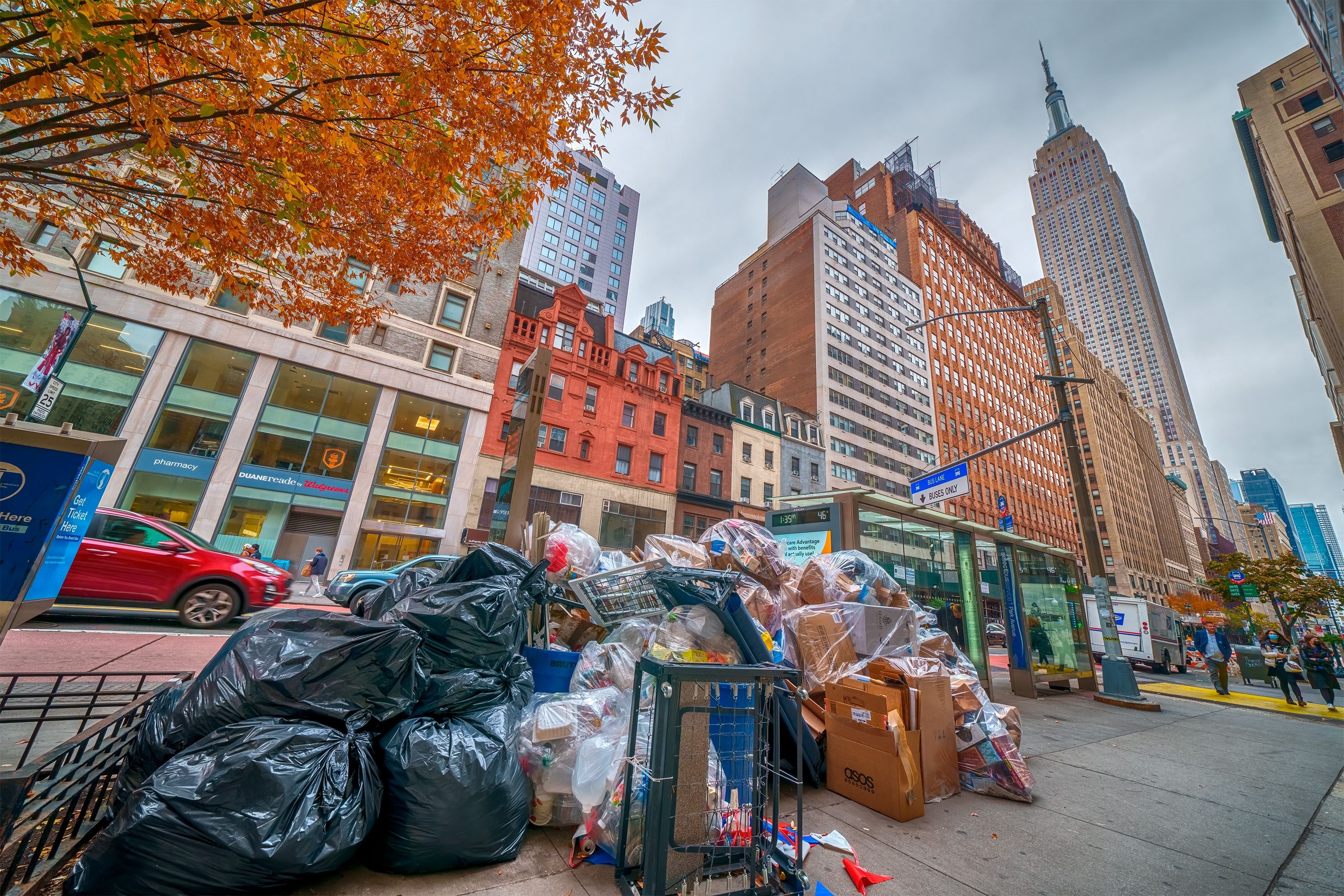
The New York City Department of Sanitation is one of the largest municipal sanitation departments in the world. Its operations are vast and critical to the city’s functioning.
Waste Collection and Recycling
The DSNY is responsible for collecting millions of tons of waste annually. This includes regular garbage collection from residential buildings, commercial establishments, and public spaces. The city also has a comprehensive recycling program, encouraging residents and businesses to separate recyclable materials like paper, plastic, glass, and metal. While participation rates can vary, the commitment to diversion from landfills is a significant undertaking.
Street Cleaning and Snow Removal
Street sweeping is a regular, though often behind-the-scenes, operation. The DSNY employs a fleet of street sweepers that tackle the city’s extensive network of roads. During winter months, snow removal becomes a massive logistical challenge, with thousands of workers and vehicles deployed to keep streets and public pathways clear and navigable.
Pest Control and Public Health
Maintaining a clean city is intrinsically linked to public health. The DSNY, in conjunction with other city agencies, works to control rodent populations and address other pest-related issues that can arise in urban environments. These efforts are crucial for ensuring a healthy living environment for residents and a pleasant experience for visitors.
Beyond the Stereotype: Vibrant Neighborhoods and Cultural Hubs
It is crucial to balance the discussion of cleanliness with the undeniable vibrancy and cultural richness of New York City. Many areas of the city are meticulously maintained and aesthetically pleasing, showcasing a commitment to beauty and order.
Parks and Public Spaces
New York City boasts an impressive array of parks and green spaces, from the expansive Central Park and the sprawling Prospect Park to countless smaller neighborhood parks and plazas. These areas are actively managed and maintained, offering serene escapes and vibrant recreational hubs for millions. The High Line, a unique elevated park built on a former railway line, is a testament to innovative urban design and a commitment to creating beautiful, accessible public spaces.
Residential Areas and Community Pride
Many residential neighborhoods, from the brownstone-lined streets of Brooklyn to the tree-lined avenues of Queens, demonstrate a strong sense of community pride. Residents often take an active role in maintaining the appearance of their blocks, planting flowers, cleaning stoops, and participating in local beautification projects.
The Cultural Tapestry
The very essence of New York City lies in its diverse and dynamic cultural tapestry. The energy, creativity, and resilience of its people often translate into a willingness to embrace the city’s complexities, including its occasional imperfections. The art, music, theater, and culinary scenes that thrive here are a testament to a spirit that finds beauty and inspiration in its unique urban environment. From the world-class museums like the Metropolitan Museum of Art to the bustling markets of Chinatown, the city offers an unparalleled range of experiences that transcend superficial notions of cleanliness.

Conclusion: A City of Contrasts and Resilience
Ultimately, the question of whether New York City is “dirty” is less about a definitive yes or no, and more about understanding the context of a megacity grappling with its own immense scale and dynamism. While occasional issues with litter or wear-and-tear may arise, they are juxtaposed against a backdrop of extraordinary public service, community dedication, and an unyielding spirit. The city’s “grit” is often intertwined with its authenticity and the relentless energy that makes it such a compelling destination. For the traveler, embracing this reality means appreciating the immense efforts behind the scenes and recognizing that the true magic of New York City lies not just in its polished facades, but in its raw, vibrant, and endlessly fascinating urban soul.
LifeOutOfTheBox is a participant in the Amazon Services LLC Associates Program, an affiliate advertising program designed to provide a means for sites to earn advertising fees by advertising and linking to Amazon.com. Amazon, the Amazon logo, AmazonSupply, and the AmazonSupply logo are trademarks of Amazon.com, Inc. or its affiliates. As an Amazon Associate we earn affiliate commissions from qualifying purchases.