
The question of whether New York is “Democratic” is multifaceted, extending beyond simple political affiliation to encompass its cultural ethos, its demographic makeup, and the very essence of its identity as a global hub. While the state and its most populous city, New York City, consistently lean towards the Democratic Party in electoral politics, this label only scratches the surface of a complex and dynamic entity. To truly understand what it means for New York to be “Democratic” is to delve into its historical evolution, its progressive ideals, and its ongoing role as a beacon for diverse populations and avant-garde movements.
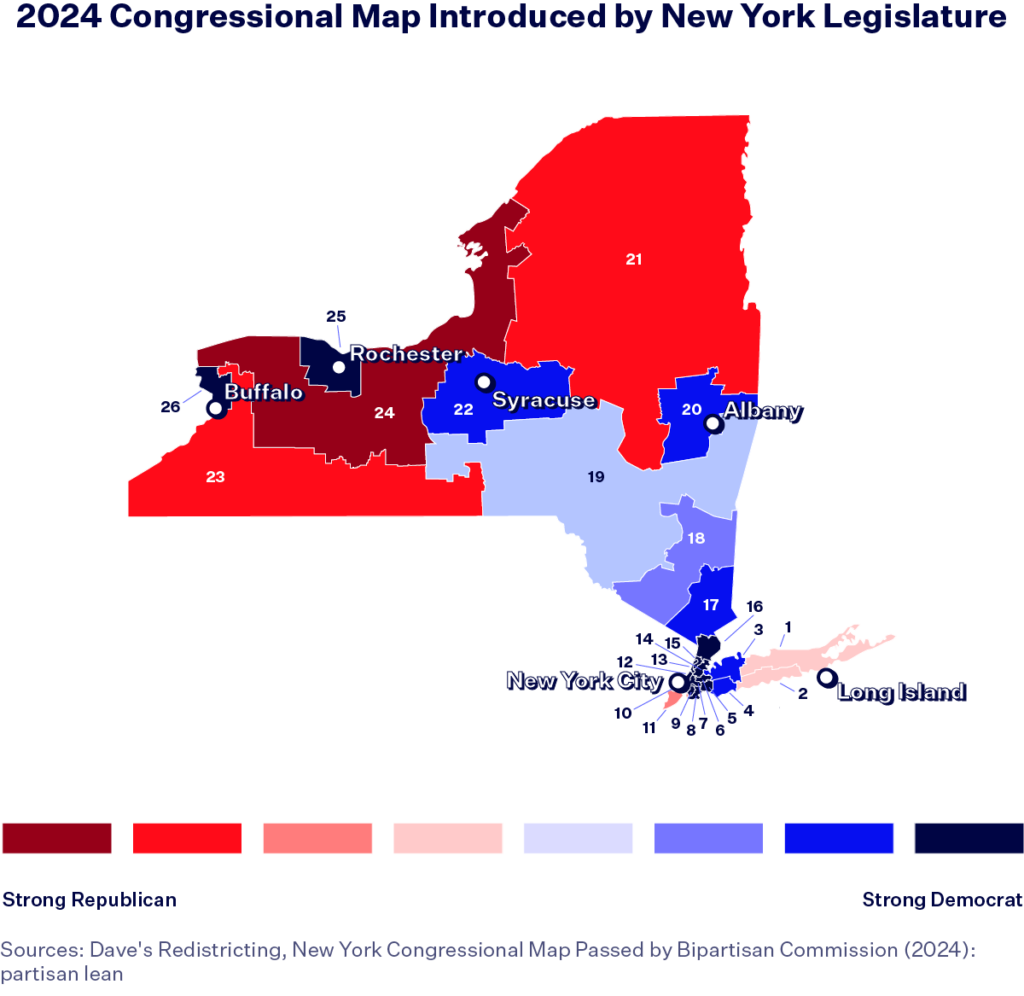
The Electoral Landscape: A Blue State Stronghold
The electoral map of the United States has, in recent decades, painted New York in a decided shade of blue. This has been a consistent trend, with the state reliably casting its electoral votes for Democratic presidential candidates since 1988. This electoral dominance is not a recent phenomenon but rather a reflection of shifting political allegiances and demographic changes that have solidified over time.
Presidential and Gubernatorial Trends
At the presidential level, New York has been a bedrock of Democratic support. The state’s considerable electoral college votes make it a significant prize in any election, and its consistent Democratic leanings provide a reliable base for the party. This trend is mirrored in state-level politics. The Governorship of New York has also been held by Democrats for most of the past three decades, further underscoring the state’s progressive political orientation. Gubernatorial elections often serve as bellwethers for broader political sentiment within the state, and the prolonged Democratic leadership suggests a deep-seated alignment with the party’s platform and values.
Urban Centers vs. Rural Regions
A key factor in New York‘s Democratic leanings is the stark contrast between its urban centers and its more rural and suburban regions. New York City, a sprawling metropolis of unparalleled diversity and density, is a profoundly Democratic stronghold. Its residents, drawn from every corner of the globe, often find resonance with the Democratic Party’s emphasis on social justice, economic equality, and environmental protection. Neighborhoods like Manhattan, Brooklyn, and the Bronx consistently deliver overwhelming majorities for Democratic candidates.
In contrast, many of the state’s upstate and western regions tend to be more politically conservative, often favoring Republican candidates. This urban-rural divide is a common theme in American politics, but in New York, the sheer population weight of New York City and its surrounding suburbs, which also lean Democratic, ensures that the state as a whole leans blue. The influence of metropolitan areas on state-wide election outcomes is undeniable.
The Democratic Coalition in New York
The Democratic coalition in New York is as diverse as the state itself. It comprises a broad spectrum of voters, including a significant African American electorate, a growing Latino population, a substantial Asian American demographic, and a large number of progressive white voters, particularly in urban areas. Unionized workers, young professionals, and college-educated individuals also form a significant part of the Democratic base. This rich tapestry of identities and interests contributes to the party’s sustained success in the state. The Democratic Party’s platform, with its focus on workers’ rights, social safety nets, and inclusive policies, tends to resonate with the diverse needs and aspirations of these various groups.
Beyond the Ballot Box: A Democratic Culture
The “Democratic” nature of New York extends far beyond its voting patterns. It is deeply embedded in the state’s cultural fabric, its social policies, and its historical trajectory as a place of refuge and innovation. The spirit of inclusivity, forward-thinking social reform, and a commitment to progressive ideals are hallmarks of the New York experience.
A Haven for Diversity and Immigration

Historically, New York has been a primary gateway for immigrants to the United States. From the millions who passed through Ellis Island to the continuous influx of people from around the world, the state has embraced diversity as a fundamental strength. This embrace of different cultures, languages, and perspectives fosters an environment where a broad range of viewpoints are not only tolerated but celebrated. This inherent acceptance and celebration of difference aligns closely with the Democratic Party’s emphasis on multiculturalism and equal opportunity.
Progressive Social Policies and Activism
New York has often been at the forefront of progressive social movements and policy innovations. From early labor rights struggles to the modern LGBTQ+ rights movement and ongoing environmental activism, the state has frequently served as a testing ground for forward-thinking social change. New York City, in particular, has been a hub for activism, protest, and advocacy, pushing the boundaries of what is socially and politically possible. This commitment to social progress and the protection of civil liberties is a defining characteristic that aligns with the core tenets of the Democratic Party. Initiatives related to affordable housing, public transportation, and environmental sustainability often originate or gain significant traction within the state, reflecting a collective desire for a more equitable and sustainable future.
The Arts, Culture, and Innovation Hub
New York‘s status as a global epicenter for the arts, culture, and innovation further reinforces its progressive identity. The vibrant creative industries, the groundbreaking scientific research, and the entrepreneurial spirit that pervade the state attract and nurture individuals who are often at the cutting edge of societal trends. This environment of constant evolution and experimentation, where new ideas are readily embraced and challenged, mirrors the Democratic Party’s focus on progress and adaptation. The presence of world-renowned institutions like the Metropolitan Museum of Art, Broadway, and numerous universities fosters an intellectual and cultural dynamism that contributes to a forward-looking societal outlook.
The Economic and Social Fabric: A Democratic Undertone
The economic and social policies championed in New York also reflect a distinctly Democratic inclination. The state often prioritizes social welfare programs, robust public services, and a commitment to addressing economic disparities, all of which are central themes in Democratic ideology.
Social Welfare and Public Services
New York generally invests heavily in social welfare programs and public services. This includes a strong emphasis on public education, accessible healthcare, and social safety nets designed to support vulnerable populations. The state often leads the nation in setting higher minimum wages, expanding paid family leave, and implementing policies aimed at reducing income inequality. These commitments reflect a belief in the collective responsibility to ensure a basic standard of living and opportunity for all residents, a philosophy deeply rooted in Democratic principles.
Economic Inequality and Progressive Taxation
While New York is an economic powerhouse, it also grapples with significant income inequality. The state’s response to this challenge often involves progressive taxation, where higher earners contribute a larger percentage of their income in taxes. These tax revenues are then often directed towards funding public services and social programs. This approach, while sometimes debated, underscores a Democratic-leaning commitment to redistributive policies and the idea that economic prosperity should be more broadly shared. The state’s economic model, though complex, often seeks to balance free-market principles with robust social protections.
Environmental Stewardship and Climate Action
In recent years, New York has emerged as a leader in environmental stewardship and climate action. The state has set ambitious goals for reducing carbon emissions, investing in renewable energy, and protecting natural resources. This focus on sustainability and the long-term health of the planet aligns with the growing urgency and commitment to climate action within the Democratic Party. Policies aimed at promoting clean energy, improving public transportation, and conserving natural landscapes reflect a recognition of the interconnectedness of environmental well-being and societal prosperity.

Conclusion: A Comprehensive Democratic Identity
In conclusion, the question “Is New York Democratic?” finds its answer not just in election results but in a pervasive cultural, social, and political ethos. The state consistently votes Democratic, driven by the diverse populations of its urban centers and a shared commitment to progressive ideals. This Democratic identity is further cemented by its history as a haven for immigrants, its pioneering role in social reform, its vibrant cultural landscape, and its ongoing efforts to foster economic equality and environmental sustainability. While regional variations exist, the overarching narrative of New York is one of progress, inclusivity, and a persistent leaning towards the Democratic vision of a more just and equitable society. The state’s dynamic and evolving nature ensures that its Democratic identity will continue to shape its future.
LifeOutOfTheBox is a participant in the Amazon Services LLC Associates Program, an affiliate advertising program designed to provide a means for sites to earn advertising fees by advertising and linking to Amazon.com. Amazon, the Amazon logo, AmazonSupply, and the AmazonSupply logo are trademarks of Amazon.com, Inc. or its affiliates. As an Amazon Associate we earn affiliate commissions from qualifying purchases.