
Understanding the Nutritional Profile of a Classic Cut
The allure of a perfectly grilled New York strip steak is undeniable. Its rich marbling, robust flavor, and satisfying chew have made it a staple in steakhouses across the globe, from the bustling streets of New York City to the charming bistros of Paris. But as diners become increasingly health-conscious, a pertinent question arises: Is New York strip steak lean? The answer, like many culinary inquiries, is nuanced. While not typically classified as “extra lean,” a New York strip steak offers a balanced nutritional profile that can fit into a healthy dietary pattern when consumed mindfully.
Defining “Lean” in the Context of Beef
Before we dissect the New York strip, it’s essential to understand what constitutes “lean” meat. In the United States, the USDA classifies beef based on its fat content per serving. Generally, “lean” cuts contain less than 10 grams of total fat and no more than 4.5 grams of saturated fat per 3-ounce serving. “Extra lean” cuts, a step further, have even lower fat content, typically under 5 grams of total fat and less than 2 grams of saturated fat.
These classifications are crucial for consumers seeking to manage their dietary intake of fats, particularly saturated fats, which have been linked to cardiovascular health concerns. However, it’s also important to acknowledge that fat in beef contributes significantly to its flavor, tenderness, and juiciness.
Nutritional Breakdown of a New York Strip Steak
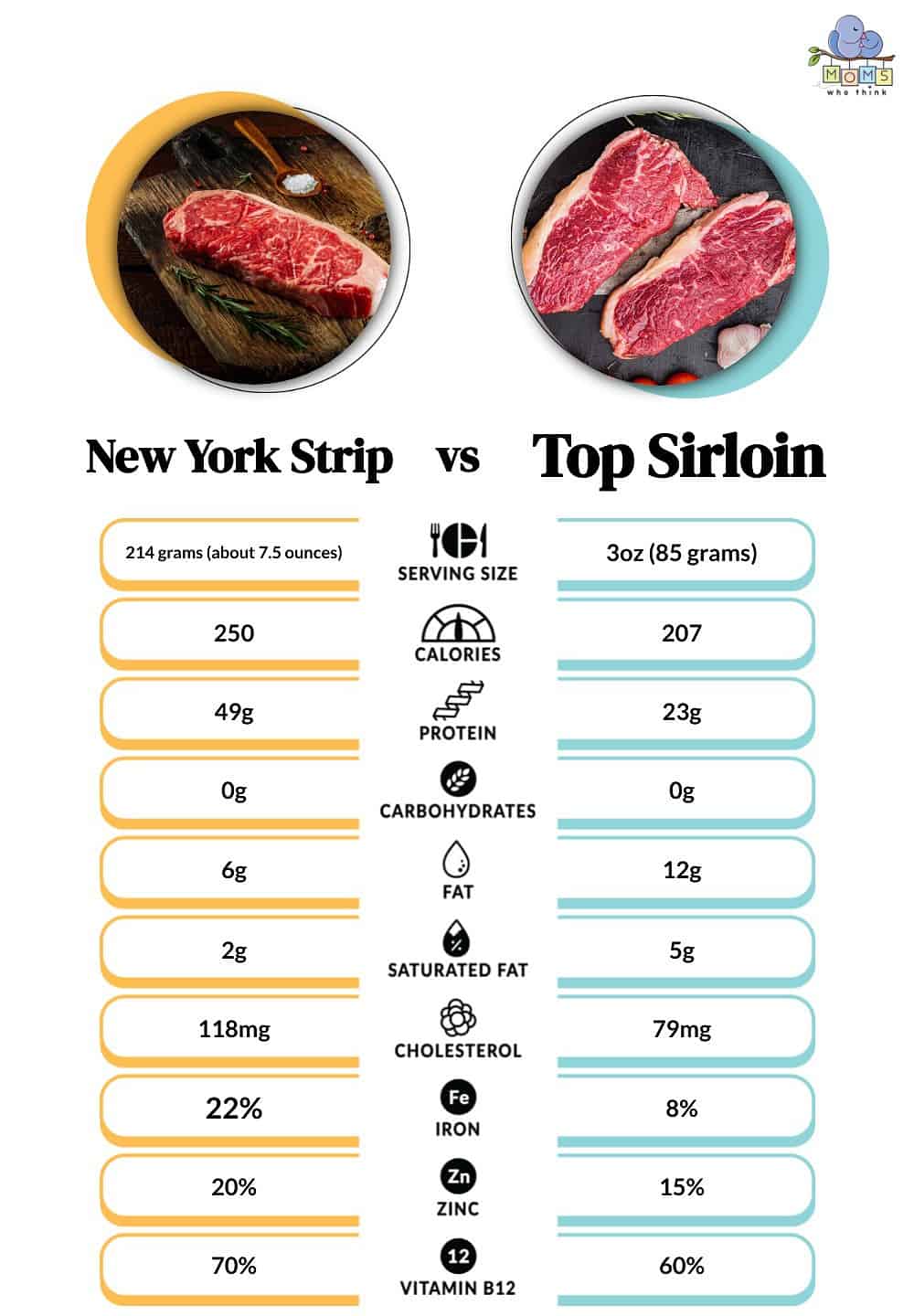
A standard 4-ounce serving of cooked New York strip steak, trimmed of visible fat, typically contains:
- Calories: Approximately 230-250 calories. This can vary based on the specific cut, trimming, and cooking method.
- Total Fat: Around 15-18 grams. This places it above the USDA’s “lean” classification.
- Saturated Fat: Roughly 6-7 grams. This is also above the “lean” threshold.
- Cholesterol: About 80-90 milligrams.
- Protein: A substantial 24-26 grams. This makes it an excellent source of high-quality protein, vital for muscle repair, growth, and overall bodily functions.
- Key Micronutrients: New York strip steak is also rich in essential micronutrients, including iron, zinc, and B vitamins (like B12, niacin, and B6), which are crucial for energy production, immune function, and neurological health.
The Role of Marbling and Trim
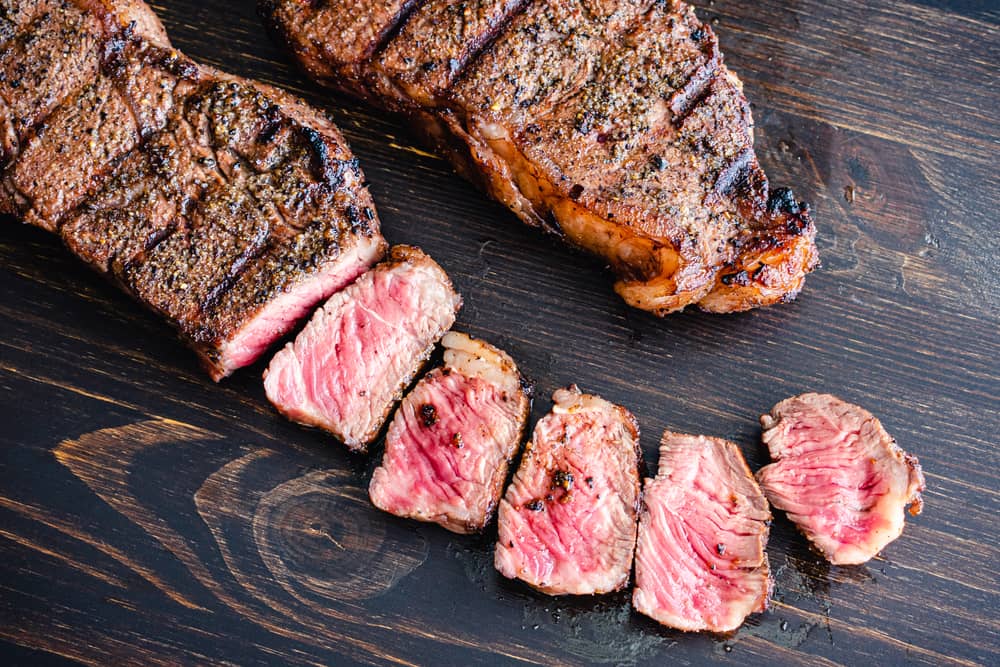
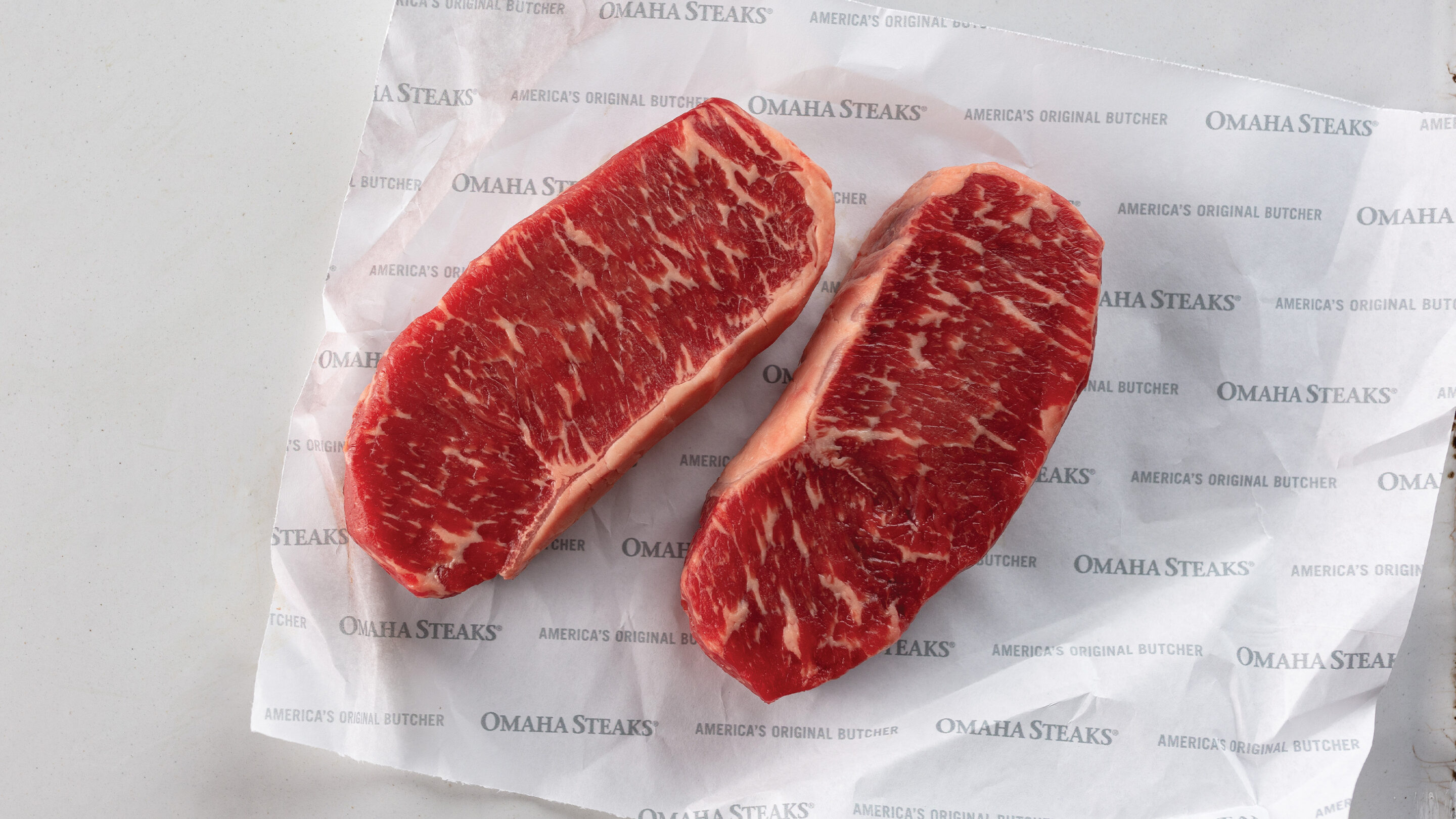
The defining characteristic of a New York strip steak is its marbling – the fine streaks of intramuscular fat that run through the muscle. This marbling is responsible for much of the steak’s desirable flavor and succulence. However, it’s also the primary contributor to its fat content.
When assessing the leanness of a New York strip, the amount of visible external fat trimmed away is a significant factor. A well-trimmed steak will naturally have a lower fat content than one with a thick band of fat left around the edge. Home cooks and restaurant chefs often have discretion over how meticulously the steak is trimmed, which can influence its final nutritional profile.
Comparing New York Strip to Other Steak Cuts
To better understand where the New York strip stands, let’s briefly compare it to other popular cuts:
- Filet Mignon (Tenderloin): Often considered one of the leanest cuts, a filet mignon typically has less marbling and a lower overall fat content than a New York strip. A 4-ounce cooked filet mignon might contain around 10-12 grams of fat.
- Ribeye: Known for its exceptional marbling and rich flavor, the ribeye is generally fattier than the New York strip. A 4-ounce ribeye can contain upwards of 20-25 grams of fat.
- Sirloin: Depending on the specific cut of sirloin (top sirloin, bottom sirloin), it can range from lean to moderately fatty. Top sirloin, in particular, is often leaner than a New York strip.
Therefore, while the New York strip isn’t the absolute leanest option available, it sits in a middle ground, offering a good balance of flavor and a respectable protein content. For those mindful of fat intake, it’s certainly a more moderate choice than a heavily marbled ribeye.
Strategies for Enjoying New York Strip Steak Healthfully
Given its nutritional profile, enjoying a New York strip steak as part of a balanced diet is entirely achievable. Here are some strategies:
Portion Control
The most straightforward way to manage fat intake is through portion control. Instead of opting for an oversized steak, a standard 3 to 4-ounce serving is often sufficient, especially when paired with nutrient-dense side dishes. This aligns with general dietary recommendations for red meat consumption.
Trimming Visible Fat
When preparing a New York strip at home, taking the time to trim off any excess external fat before cooking can significantly reduce the overall fat content of the final dish. This is a simple yet effective step.
Cooking Methods
The cooking method plays a role in the final fat content. Grilling, broiling, or pan-searing allow excess fat to drip away, whereas methods like braising might retain more of the fat within the dish. Aim for methods that encourage fat rendering.
Thoughtful Pairings
The company a steak keeps on the plate can significantly impact the meal’s overall healthfulness. Instead of pairing your New York strip with heavy, creamy sides like mashed potatoes or mac and cheese, opt for:
- Steamed or Roasted Vegetables: Broccoli, asparagus, green beans, or Brussels sprouts provide fiber, vitamins, and minerals without adding significant fat or calories.
- Whole Grains: Quinoa, brown rice, or a small serving of whole-wheat pasta can add complex carbohydrates and fiber.
- Fresh Salads: A vibrant salad with a light vinaigrette offers a refreshing contrast and a dose of greens.
Frequency of Consumption
Like most red meats, moderation is key. Incorporating New York strip steak into your diet occasionally, rather than as a daily staple, allows you to enjoy its flavor and nutritional benefits without overconsuming saturated fat and calories. This is particularly relevant if you are following dietary guidelines that limit red meat intake.
The Culinary Experience and Health Considerations
The enjoyment of food is not solely about its nutritional data; it’s also about the experience, the flavor, and the cultural significance. The New York strip steak is a culinary icon, celebrated for its taste and texture. For many, it represents a treat, an indulgence, or a centerpiece for a special meal.
From a tourism perspective, seeking out a perfectly cooked New York strip is part of the gastronomic exploration of cities like Chicago or even enjoying a classic American meal while visiting from abroad. The quality of the beef, the skill of the chef, and the ambiance of the steakhouse all contribute to the overall experience.
While the question of leanness is valid, it’s important to balance this with the overall dietary context. A meal that includes a moderately portioned and well-prepared New York strip steak, surrounded by healthy accompaniments, can be a satisfying and enjoyable part of a diverse and healthy eating pattern. The key lies in mindful preparation, sensible portion sizes, and balanced meal composition. Ultimately, whether a New York strip steak is “lean enough” depends on individual dietary goals and how it’s incorporated into the broader eating habits of a traveler exploring the culinary landscape.
LifeOutOfTheBox is a participant in the Amazon Services LLC Associates Program, an affiliate advertising program designed to provide a means for sites to earn advertising fees by advertising and linking to Amazon.com. Amazon, the Amazon logo, AmazonSupply, and the AmazonSupply logo are trademarks of Amazon.com, Inc. or its affiliates. As an Amazon Associate we earn affiliate commissions from qualifying purchases.