
The moniker “The City That Never Sleeps” is instantly recognizable, conjuring images of towering skyscrapers, bustling avenues, and an inexhaustible energy. This vibrant metropolis, New York City, frequently tops lists of iconic global destinations, often leaving visitors and residents alike pondering its sheer scale. But when we ask, “Is New York the biggest city in the world?” the answer depends entirely on how we define “biggest.” This exploration delves into the various metrics by which a city’s size can be judged, examining New York‘s standing not just in population and land area, but also in economic influence, cultural impact, and its unparalleled role as a global travel hub.

Defining “Biggest”: A Multifaceted Measure
The concept of a city’s “biggest” is not a single, easily quantifiable fact. It’s a spectrum of superlatives, each revealing a different facet of urban dominance. To truly assess New York‘s claim, we must consider several key dimensions, moving beyond simplistic notions of physical size.
Population: The Human Scale
When discussing the “biggest” city, population is often the first metric that comes to mind. This refers to the number of people residing within a defined urban area. New York City itself, encompassing its five boroughs—Manhattan, Brooklyn, Queens, the Bronx, and Staten Island—is home to over 8 million people. However, the true scale of urban agglomeration is often captured by metropolitan area statistics, which include surrounding suburban communities that are economically and socially tied to the central city.
The New York metropolitan area, also known as the New York–Newark–Jersey City metropolitan statistical area, is one of the most populous in the United States and, indeed, the world. Estimates vary depending on the boundaries used, but it consistently ranks among the top contenders, often competing with cities like Tokyo and Delhi for the top spot in global rankings of metropolitan populations. While Tokyo‘s greater metropolitan area is frequently cited as the world’s largest, New York‘s sheer density and the constant flow of people through its transit systems underscore its immense human scale. The daily commute, the throngs in Times Square, and the vibrant neighborhoods, each with its unique character, all speak to a city that pulsates with millions of lives.
Land Area: The Physical Footprint
Another way to measure a city’s size is by its physical footprint – the land area it occupies. New York City covers approximately 300 square miles of land. While this is a substantial area, it is not the largest globally when compared to cities that have expanded their administrative boundaries to encompass vast rural or even undeveloped territories. Cities in countries like China or Australia often boast larger land areas, sometimes incorporating significant agricultural or natural landscapes within their official city limits.
However, the urbanized area of New York, the contiguous built-up environment, is remarkably extensive and densely populated. It’s the concentration of its buildings, the intricate network of streets, and the sheer verticality of its architecture that give New York its imposing physical presence, even if its total land area doesn’t always top the charts. The iconic skyline, a testament to human engineering and ambition, is a powerful visual representation of this physical scale.
Economic Powerhouse: The Financial Giant
Beyond demographics and land mass, a city’s “bigness” can be measured by its economic output and influence. In this regard, New York City is undeniably one of the world’s leading economic centers. Wall Street remains the global epicenter of finance, drawing capital, talent, and innovation from every corner of the globe. The New York Stock Exchange and NASDAQ are among the largest and most influential stock exchanges in the world.
The city is a hub for media, fashion, advertising, technology, and the arts, fostering a dynamic and competitive business environment. Its Gross Metropolitan Product (GMP) consistently ranks among the highest globally, rivaling entire countries in economic terms. This economic might translates into a powerful global presence, attracting international businesses and driving global economic trends. The sheer volume of transactions, the concentration of corporate headquarters, and the flow of capital through New York solidify its position as a truly colossal economic entity.
Cultural Impact and Global Influence: The Intangible Scale
Perhaps the most compelling, yet hardest to quantify, measure of a city’s “bigness” is its global cultural impact and influence. New York has long been a magnet for artists, writers, musicians, and thinkers, becoming a crucible of creativity and a global trendsetter. From the avant-garde theaters of Broadway to the world-class museums like the Metropolitan Museum of Art and the Museum of Modern Art, the city offers an unparalleled cultural landscape.
Its fashion industry sets global trends, its culinary scene is a melting pot of international flavors, and its media outlets shape global narratives. The very symbols of New York – the Statue of Liberty, Central Park, the Empire State Building – are recognized universally. The city’s influence permeates popular culture worldwide, making it a constant reference point in films, music, and literature. This intangible scale, the sheer reach of its ideas and artistic expressions, arguably makes New York one of the most influential, and therefore “biggest,” cities on the planet.
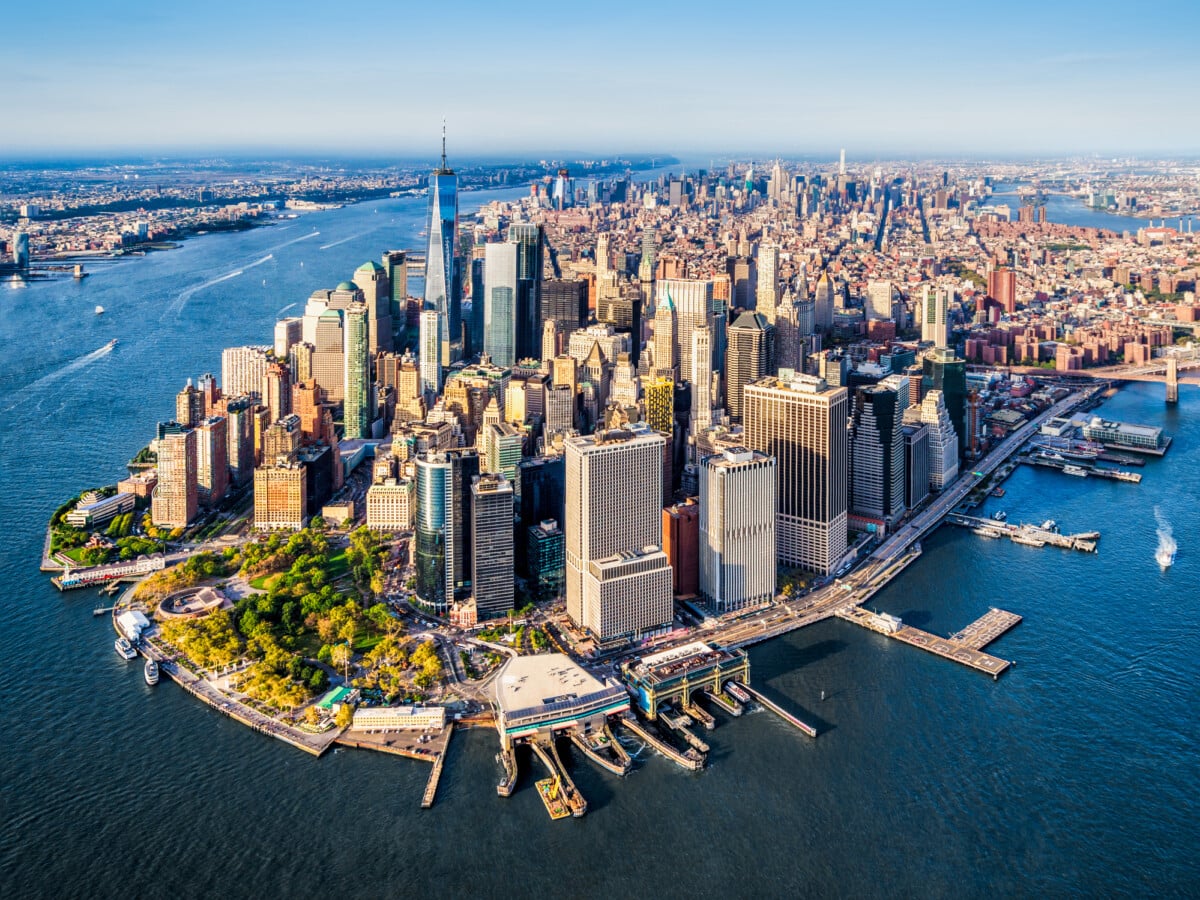
New York’s Standing in Key Global Metrics
When we synthesize these different measures, New York‘s position as a global giant becomes clear, even if it doesn’t hold the absolute top spot in every single category.
Population: A Contender for the Top Tier
In terms of metropolitan population, New York consistently ranks within the top three or four largest urban agglomerations globally. While Tokyo‘s vast sprawl often edges it out, the New York metropolitan area’s density and economic integration make it a formidable contender. The sheer number of people who live, work, and commute within this interconnected region speaks volumes about its scale.
Economic Dominance: Unrivaled in Many Spheres
Economically, New York is arguably unparalleled. While cities like London and Tokyo are also major financial centers, New York‘s dominance in specific sectors, particularly finance and media, gives it a unique edge. Its ability to attract global talent and capital, and to influence international markets, underscores its economic “bigness.”
Cultural Icon: A Global Brand
As a cultural icon, New York is in a league of its own. Its image is globally recognized, and its cultural output has shaped modern society in countless ways. The aspirational nature of the city, drawing millions seeking opportunity and inspiration, further amplifies its cultural reach. Whether through its iconic landmarks or its ever-evolving artistic movements, New York resonates with people across the world.
The Traveler’s Perspective: Experiencing New York’s Scale
For the traveler, New York‘s “bigness” is an immediate and overwhelming sensory experience. It’s not just about the numbers; it’s about the feeling of immersion in a city that is constantly in motion.
Navigating the Vastness
Exploring New York can feel like embarking on an expedition. The sheer number of attractions, neighborhoods, and experiences can be daunting. From the historic charm of Greenwich Village to the glittering lights of Times Square, each district offers a distinct world to discover. The efficient, though often crowded, subway system is the circulatory system of this vast organism, connecting its disparate parts and allowing visitors to traverse incredible distances without ever leaving the city limits.
Iconic Landmarks as Anchors
Despite its sprawling nature, New York is dotted with globally recognized landmarks that serve as anchors for exploration. The majestic Statue of Liberty, a symbol of freedom and a beacon for immigrants for generations, stands proudly in the harbor. Central Park, a vast green lung in the heart of the urban jungle, offers a welcome respite and a glimpse into the city’s commitment to preserving nature amidst its concrete expanse. The architectural marvels, from the art deco grandeur of the Chrysler Building to the modern heights of the One World Trade Center, tell the story of New York‘s evolution.
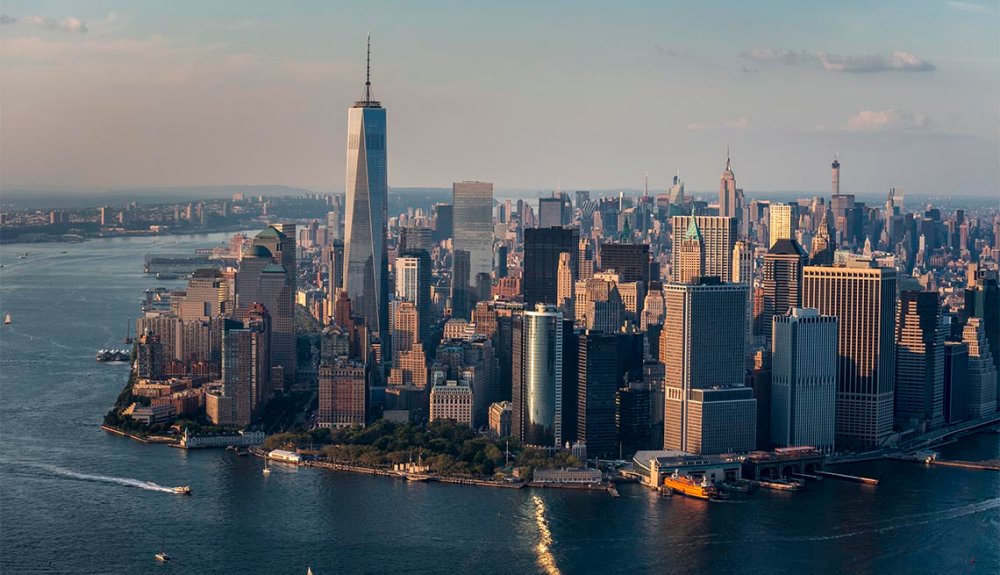
A World of Experiences in One City
Ultimately, the “bigness” of New York isn’t just about size; it’s about the sheer diversity of experiences it offers. It is a global crossroads, a place where cultures collide and creativity flourishes. For the traveler, this translates into an endless array of possibilities, from savoring Michelin-starred cuisine to discovering hidden jazz clubs, from exploring world-class museums to simply people-watching from a sidewalk cafe.
So, is New York the biggest city in the world? By population metrics, it’s a top contender, often vying for the lead. By economic influence and cultural impact, it is undoubtedly one of the most significant cities on Earth. And for the millions who visit and live there, the feeling of its immense scale, its boundless energy, and its profound global reach is an undeniable reality. New York is not just a city; it’s a world unto itself, constantly redefining what it means to be “big.”
LifeOutOfTheBox is a participant in the Amazon Services LLC Associates Program, an affiliate advertising program designed to provide a means for sites to earn advertising fees by advertising and linking to Amazon.com. Amazon, the Amazon logo, AmazonSupply, and the AmazonSupply logo are trademarks of Amazon.com, Inc. or its affiliates. As an Amazon Associate we earn affiliate commissions from qualifying purchases.