
The question of profitability for legacy media organizations, particularly venerable institutions like The New York Times, is a complex one, fraught with shifting economic tides and evolving consumer habits. While the newspaper’s iconic status and Pulitzer Prizes might suggest an unassailable financial foundation, the reality of the modern media landscape paints a more nuanced picture. The journey of The New York Times from a print-dominant behemoth to a digital-first powerhouse is a compelling case study in adaptation, revealing the intricate strategies employed to navigate the turbulent waters of journalism in the 21st century.
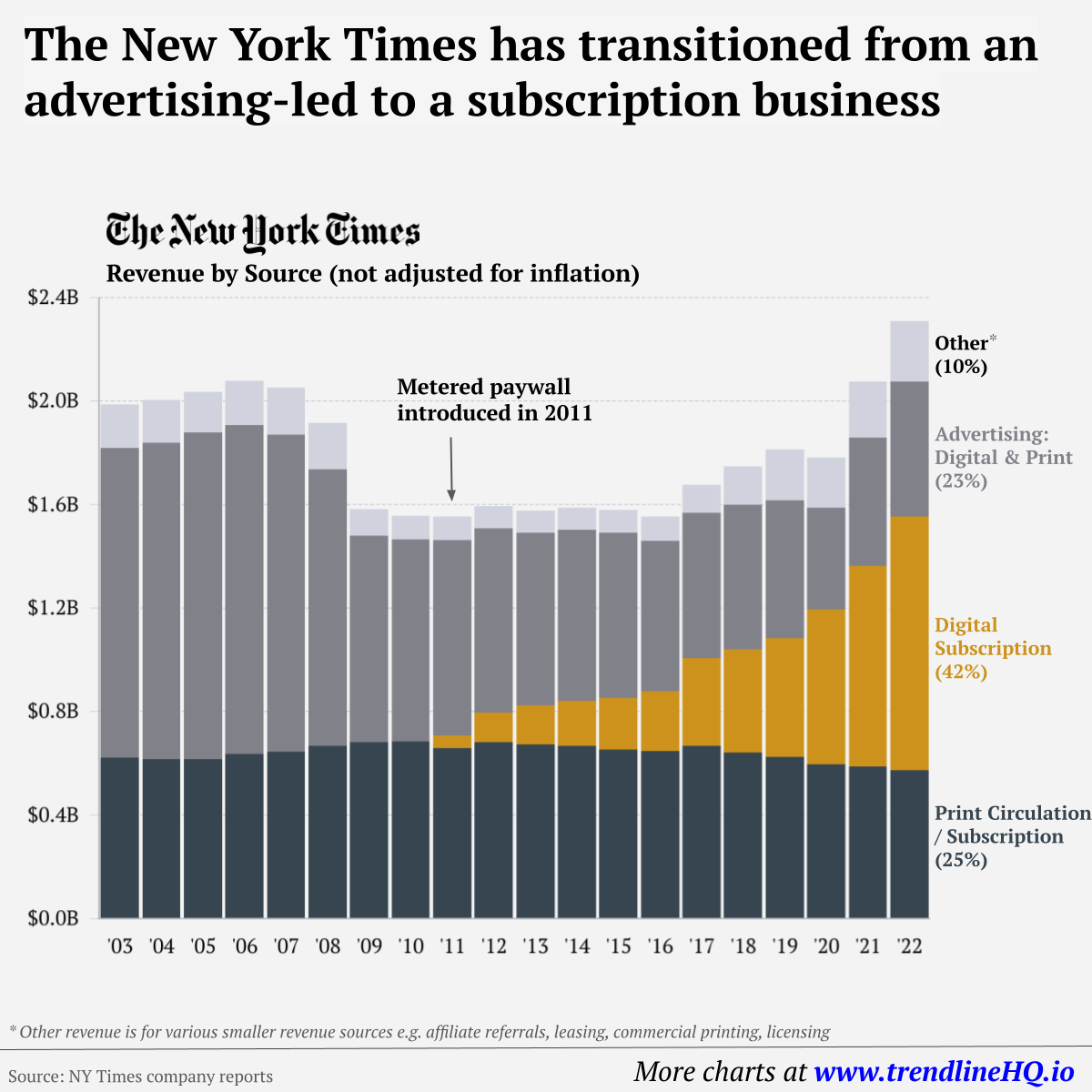
The Shifting Sands of Revenue Streams
For decades, the advertising revenue generated by print publications formed the bedrock of profitability for newspapers. The New York Times was no exception. The prestige associated with its pages attracted high-end advertisers, from luxury car manufacturers to major department stores, all eager to reach its affluent and influential readership. Classified ads, too, were a significant contributor, filling countless pages with job postings, real estate listings, and personals.
The Digital Disruption
The advent of the internet, however, irrevocably altered this landscape. Advertisers, recognizing the vast reach and often lower costs of digital platforms, began to shift their spending online. This exodus from print advertising created a significant revenue gap that The New York Times, like many of its peers, struggled to fill initially. Early attempts at digital advertising, while necessary, often failed to replicate the lucrative margins of their print predecessors. The sheer volume of free content available online also devalued the perceived worth of journalistic products, making it challenging to monetize digital offerings.
The Pivot to Subscriptions
In response to this seismic shift, The New York Times embarked on a bold strategy: a significant pivot towards digital subscriptions. This was not merely an incremental change but a fundamental reorientation of its business model. Recognizing that readers were increasingly willing to pay for high-quality, in-depth journalism, the company invested heavily in its digital infrastructure, user experience, and the creation of compelling online content. This involved not only digitizing its existing newspaper but also developing new formats, including podcasts, interactive graphics, and video. The strategy hinged on the belief that a loyal, paying subscriber base could provide a more stable and predictable revenue stream than the volatile advertising market.
Diversification Beyond News
While news remains at its core, The New York Times has astutely recognized the need for diversification to bolster its financial health and appeal to a broader audience. This has led to the development and expansion of several non-news related ventures, effectively creating a portfolio of revenue-generating products.
The Rise of Crosswords and Cooking

Two prominent examples of this diversification are the New York Times Games and New York Times Cooking. The newspaper’s iconic crossword puzzles, a beloved ritual for many readers, have been transformed into a standalone digital subscription product. This offering taps into a dedicated community of puzzle enthusiasts, providing a steady stream of revenue independent of news cycles. Similarly, New York Times Cooking has blossomed into a comprehensive digital platform featuring recipes, cooking guides, and a vibrant community, attracting a different but equally engaged audience. These ventures leverage the trusted New York Times brand and its reputation for quality while catering to distinct interests and creating new avenues for subscriber acquisition and retention.
Expanding into Audio and E-commerce
The company has also made significant strides in the audio space, with its flagship podcast, “The Daily,” becoming a runaway success. This has opened up new advertising opportunities and cemented The New York Times‘ position as a major player in audio storytelling. Beyond content, the company has explored e-commerce initiatives, such as the New York Times Store, offering curated merchandise related to its brand and content. While these ventures may not individually rival the core news business, their collective contribution adds valuable diversification and resilience to the overall financial structure.
The Metrics of Success: Subscribers, Engagement, and Profitability
Ultimately, the question of profitability for The New York Times is best answered by examining key performance indicators. The company’s transition to a digital-first strategy has been demonstrably successful in terms of subscriber growth. Millions of individuals worldwide now subscribe to its digital offerings, a testament to the perceived value of its journalism and related products.
Subscriber Growth and Digital Dominance
The company regularly reports significant increases in its digital subscriber base. This steady growth is crucial, as each subscriber represents a recurring revenue stream that is less susceptible to the fluctuations of the advertising market. The focus has shifted from simply attracting eyeballs to cultivating a dedicated community of paying members who value the depth, accuracy, and unique perspective offered by The New York Times. This subscriber-centric approach is fundamental to its current financial model.
Engagement and Retention
Beyond sheer numbers, The New York Times also meticulously tracks reader engagement. High engagement rates—measured by time spent on site, article completion, and interaction with various features—are indicative of subscriber satisfaction and are crucial for long-term retention. The company invests in understanding reader behavior to continuously improve its digital products and ensure that subscribers feel they are receiving sufficient value for their money. Features like personalized newsletters, interactive articles, and a seamless user experience all contribute to fostering this loyalty.

The Bottom Line: A Return to Profitability
While The New York Times experienced periods of financial struggle during the initial digital transition, the strategic pivot towards subscriptions and diversification has yielded positive results. In recent years, the company has reported a return to consistent profitability, driven by its burgeoning digital subscriber base. This success story offers a beacon of hope for the future of journalism, demonstrating that with innovation, strategic foresight, and a deep understanding of its audience, even established media giants can thrive in the digital age. The ongoing challenge lies in maintaining this momentum, adapting to new technological advancements, and continuing to deliver the indispensable journalism that has defined The New York Times for generations. The ability to monetize its extensive archives, develop new content formats, and foster an even deeper connection with its global audience will be key to its sustained financial health and its enduring legacy.
LifeOutOfTheBox is a participant in the Amazon Services LLC Associates Program, an affiliate advertising program designed to provide a means for sites to earn advertising fees by advertising and linking to Amazon.com. Amazon, the Amazon logo, AmazonSupply, and the AmazonSupply logo are trademarks of Amazon.com, Inc. or its affiliates. As an Amazon Associate we earn affiliate commissions from qualifying purchases.