
Navigating the legal landscape of substances, particularly in a diverse and dynamic metropolis like New York, can be a complex undertaking for any visitor or resident. This exploration delves into the legality of various substances within the state, focusing on the nuances that define what is permissible and what remains prohibited. Our scope is strictly confined to the realm of travel and the practical considerations for those experiencing New York, without venturing into medical advice or detailed pharmaceutical information. The focus remains on understanding the legal framework as it pertains to navigating the state and its vibrant urban centers, such as New York City.

Understanding New York’s Substance Laws: A Traveler’s Perspective
For the discerning traveler, understanding local laws is paramount to a smooth and enjoyable experience. New York has distinct regulations that govern a range of substances, and clarity on these matters can prevent unexpected issues. This section aims to provide an overview of the legal status of commonly discussed substances, emphasizing the perspective of a visitor or temporary resident.
Marijuana Legalization: A Shifting Landscape
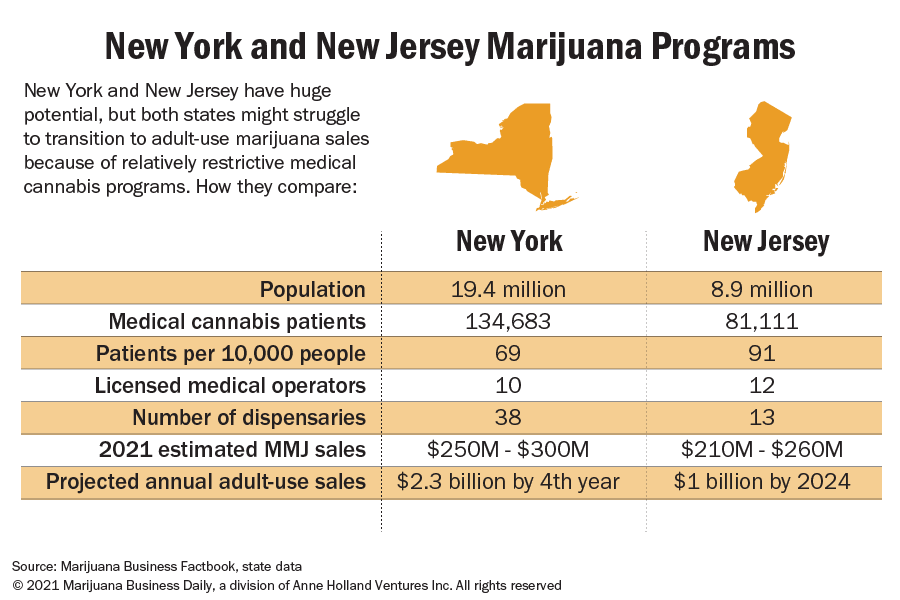
One of the most significant recent changes in New York substance law is the legalization of recreational marijuana for adults aged 21 and over. This development has altered the perception and accessibility of cannabis, impacting the state’s tourism and lifestyle sectors.
Recreational Use and Possession
Since the passage of the Marijuana Regulation and Taxation Act (MRTA) in 2021, adults can legally possess and use cannabis. This includes the ability to grow a limited number of plants at home. However, these rights come with specific restrictions, especially for travelers. It is crucial to note that public consumption of marijuana remains illegal, similar to alcohol. This means you cannot smoke or vape cannabis in parks, on sidewalks, or in vehicles. Designated consumption areas are still in development, making discretion and adherence to private settings essential.
Traveling with Marijuana
Transporting marijuana across state lines is a federal offense, regardless of the destination state’s laws. Therefore, travelers are strongly advised against carrying cannabis purchased in New York when traveling to other states or countries. Likewise, bringing marijuana into New York from jurisdictions where it may be legal is also subject to federal law and can lead to severe penalties. For those staying within New York, personal transport between approved locations is generally permitted, but always exercise caution and adhere to legal possession limits.
Legal Dispensaries and Purchases
Purchases of recreational marijuana can only be made from licensed dispensaries. These establishments are regulated to ensure product quality and safety. Travelers looking to purchase cannabis should seek out these official locations. Unlicensed sales are illegal and can pose significant health risks. Familiarizing oneself with the official state licensing body for cannabis dispensaries is a prudent step for responsible consumers.
Prescription and Over-the-Counter Medications
The legality of prescription and over-the-counter (OTC) medications in New York generally aligns with federal guidelines but with state-specific enforcement.
Prescription Medications
Prescription drugs are legal when obtained through a valid prescription from a licensed healthcare provider. Travelers carrying prescription medications should ensure they have the original packaging with the prescription label intact. It is also advisable to carry a copy of the prescription or a doctor’s note, especially for controlled substances. While New York generally permits personal use of prescribed medications, carrying large quantities or medications not prescribed to you can raise legal questions.
Over-the-Counter Medications
Common OTC medications, such as pain relievers, allergy medications, and cold remedies, are legal and widely available in pharmacies and convenience stores across New York. Travelers can generally bring these items into the state for personal use without issue, provided they are in their original packaging. However, certain medications that might be OTC in other regions could be classified differently or require a prescription in New York, so it’s wise to check if you have specific concerns about a particular product.
Alcohol: Regulations and Consumption
Alcoholic beverages are legal for adults aged 21 and over in New York. The state has specific laws regarding sales and consumption.
Age Restrictions and Purchasing
The legal drinking age is strictly enforced. Identification is required for all alcohol purchases. Stores selling alcohol are licensed and must adhere to operating hours, which can vary by municipality. Travelers looking to purchase alcoholic beverages should be prepared to present valid government-issued identification.
Public Consumption Laws
Similar to marijuana, public consumption of alcohol is generally prohibited. This means drinking in public parks, on streets, or in vehicles is against the law. Designated areas within licensed establishments, such as bars and restaurants, are exceptions. Some cities and towns in New York may have specific local ordinances regarding outdoor consumption in certain designated public spaces, often during specific events or seasons, but these are exceptions rather than the rule.
Tobacco and Nicotine Products
The legal status of tobacco and nicotine products in New York is subject to stringent regulations.
Age Restrictions and Sales
The minimum age to purchase tobacco and vaping products in New York is 21. This law applies to all tobacco products, including cigarettes, cigars, chewing tobacco, and e-cigarettes, as well as vaping liquids. Retailers face significant penalties for selling to minors.
Public Smoking Bans
New York has comprehensive indoor smoking bans that apply to most public places, including restaurants, bars, and workplaces. Outdoor smoking is also restricted in many public areas, such as near building entrances, in parks, and on public transportation. Travelers who smoke should be mindful of these designated smoking areas and prohibitions to avoid fines.
Other Controlled Substances: A Strict Prohibition
Beyond the substances discussed above, New York maintains strict laws against the possession, sale, and use of most other controlled substances, including illicit drugs such as heroin, cocaine, methamphetamine, and non-prescribed opioids.
Penalties and Enforcement
Possession of even small amounts of these substances can lead to severe penalties, including fines, arrest, and imprisonment. Enforcement is rigorous, and travelers should be aware that ignorance of the law is not a defense. The state’s approach to drug offenses is multifaceted, involving both law enforcement and public health initiatives, but the prohibition of these substances remains absolute for recreational use.
Diversion Programs and Harm Reduction
While the focus is on prohibition, New York also offers various diversion programs and harm reduction strategies for individuals struggling with substance use disorders. These programs are typically aimed at residents and may involve court-ordered treatment or support services, but they do not alter the fundamental illegality of possessing or using these substances outside of a medical context.

Navigating New York Safely and Legally
For any traveler visiting New York, whether for leisure, business, or to explore its iconic landmarks like the Statue of Liberty or the Empire State Building, understanding these legal guidelines is crucial. Adhering to the laws regarding alcohol, tobacco, and the newly legalized cannabis ensures a positive experience and avoids potential legal entanglements. Responsible consumption and awareness of regulations are key to enjoying all that New York has to offer. The state’s evolving legal framework, particularly concerning cannabis, underscores the importance of staying informed and exercising caution. For those seeking lodging, understanding local laws can also be beneficial when planning excursions from hotels like the Plaza Hotel or exploring neighborhoods in Brooklyn. A well-informed traveler is a prepared traveler, and in a place as bustling and diverse as New York, knowledge is indeed power.
LifeOutOfTheBox is a participant in the Amazon Services LLC Associates Program, an affiliate advertising program designed to provide a means for sites to earn advertising fees by advertising and linking to Amazon.com. Amazon, the Amazon logo, AmazonSupply, and the AmazonSupply logo are trademarks of Amazon.com, Inc. or its affiliates. As an Amazon Associate we earn affiliate commissions from qualifying purchases.