
The Shifting Sands of the Empire State
For decades, New York City has stood as a global beacon, a pulsating metropolis synonymous with ambition, culture, and boundless opportunity. From the glittering marquees of Broadway to the hallowed halls of the Metropolitan Museum of Art, its attractions have drawn millions, etching themselves into the collective imagination. Yet, in recent years, whispers have turned into conversations, and conversations into more pronounced discussions: what exactly has happened to New York? This isn’t a lament for a bygone era, but rather an exploration of the dynamic transformations that are reshaping the visitor experience, influencing the very essence of what makes the city an enduring icon. The narrative of New York is perpetually being written, a complex tapestry woven with threads of evolution, adaptation, and the relentless pursuit of reinvention.

Evolving Attractions and the Tourist Gaze
The landscape of New York City’s attractions is far from static. While perennial favorites continue to draw crowds, there’s a discernible shift in what captivates the modern traveler. The iconic skyline, once dominated by the Empire State Building and the World Trade Center, now features new architectural marvels that offer distinct vantage points and experiences. Observatories like Edge and Summit One Vanderbilt have emerged, providing not just panoramic views but immersive, art-infused encounters with the urban expanse. These additions speak to a desire for more than just a vista; they offer curated moments, Instagrammable backdrops, and a sense of interactive engagement with the cityscape.
Beyond the towering structures, the city’s green spaces have also seen renewed appreciation. Central Park, a timeless refuge, remains a cornerstone of any visit. However, newer public spaces like the High Line, a repurposed elevated railway line transformed into an urban park, have become major draws, showcasing innovative landscape design and offering a unique perspective on the surrounding neighborhoods. These evolving attractions highlight a trend towards experiential tourism, where the journey and the sensory engagement are as important as the destination itself. The traditional tourist route is being augmented by a desire for discovery, for stumbling upon hidden gems and engaging with the city on a more intimate level.
The Pulse of Local Culture and Culinary Delights
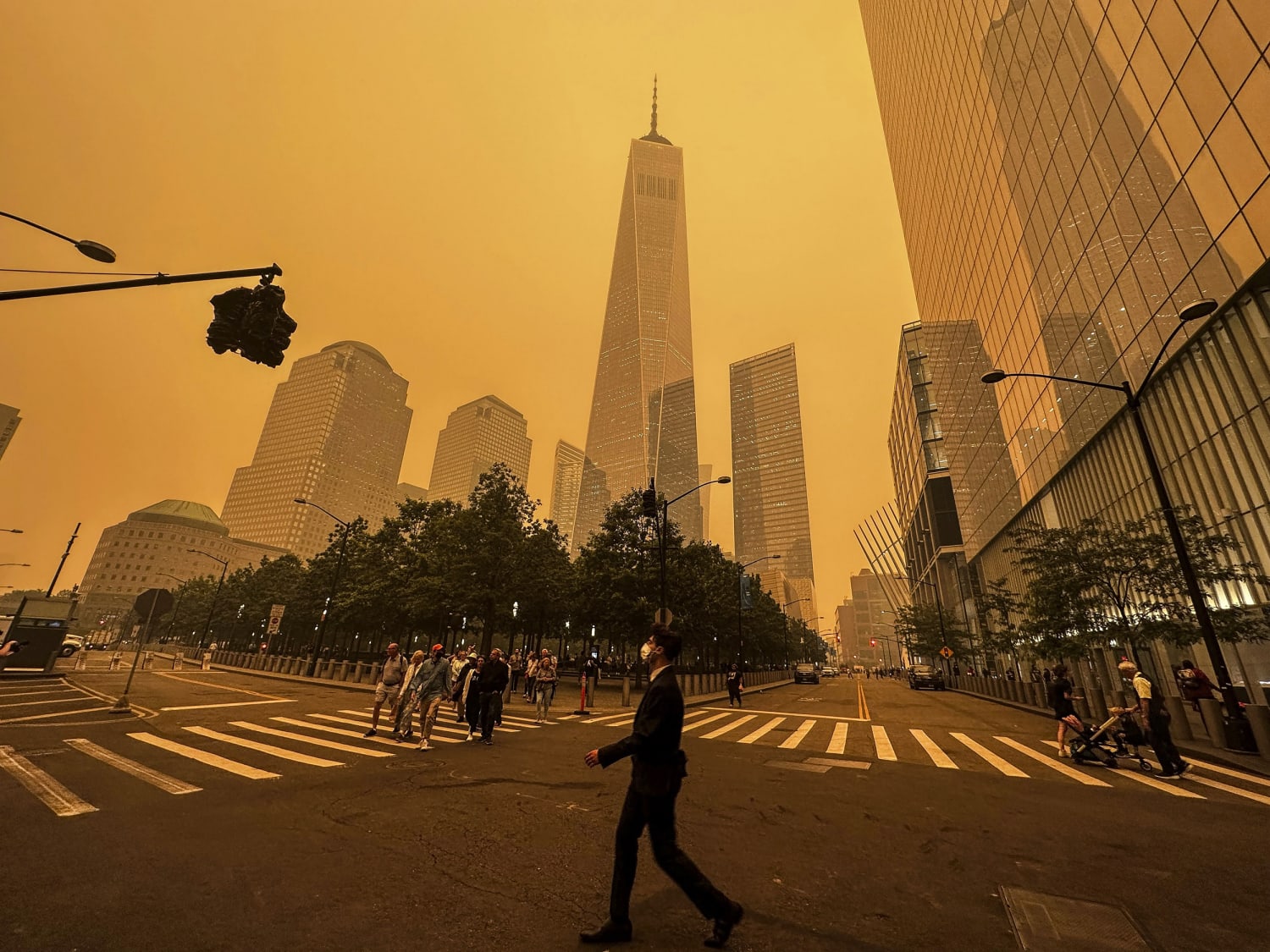
New York City’s cultural heartbeat has always been its diversity, and this remains its most potent attraction. However, the way this diversity is experienced by visitors is undergoing a subtle but significant transformation. While the grand institutions like the Metropolitan Museum of Art and the Museum of Modern Art continue to be essential stops, there’s a growing interest in smaller, more niche galleries, independent theaters, and community-driven arts initiatives that pepper the city’s boroughs. Neighborhoods like Bushwick in Brooklyn have become hubs for street art and emerging artists, offering a grittier, more authentic glimpse into the city’s creative undercurrent.
The culinary scene, always a star in the New York firmament, has become even more dynamic. While classic institutions like Katz’s Delicatessen and the timeless pizza joints of Grimaldi’s still hold their allure, there’s a pronounced surge in interest in hyper-local eateries, ethnic enclaves offering truly authentic flavors, and innovative food markets. The rise of food halls and curated culinary tours allows visitors to sample a vast array of tastes and textures, reflecting the city’s ever-evolving demographic tapestry. This culinary exploration is no longer just about sustenance; it’s a deep dive into the immigrant stories and cultural fusions that define New York. The food itself becomes a narrative, a delicious testament to the city’s enduring spirit.
Navigating the Metropolis: Modern Tourism Tips
For the contemporary traveler, navigating New York City requires a blend of embracing the classic and seeking out the contemporary. The first step is recognizing that the city is more than just Manhattan. Venturing into Brooklyn, Queens, The Bronx, and Staten Island unlocks a richer, more diverse understanding of its identity. Each borough offers its own unique character, from the vibrant street life of Jackson Heights in Queens to the historic brownstones of Bedford-Stuyvesant in Brooklyn.
Embracing public transportation, particularly the subway system, is not just a practical necessity but an essential part of the urban experience. It’s where you truly see the city’s inhabitants in motion, a vital cog in the machinery of New York. For those seeking an immersive experience, consider seeking out local events, neighborhood festivals, or even a performance at a smaller, off-Broadway theater. Engaging with the city’s digital offerings is also key. Many attractions now offer timed-entry tickets, virtual queues, and interactive apps that enhance the visitor experience. Planning ahead is advisable, especially for popular shows and exhibitions, but leaving room for spontaneity is what truly captures the magic of New York. The city rewards the curious, the observant, and those willing to step off the beaten path.
The Enduring Allure: Why New York Still Captivates
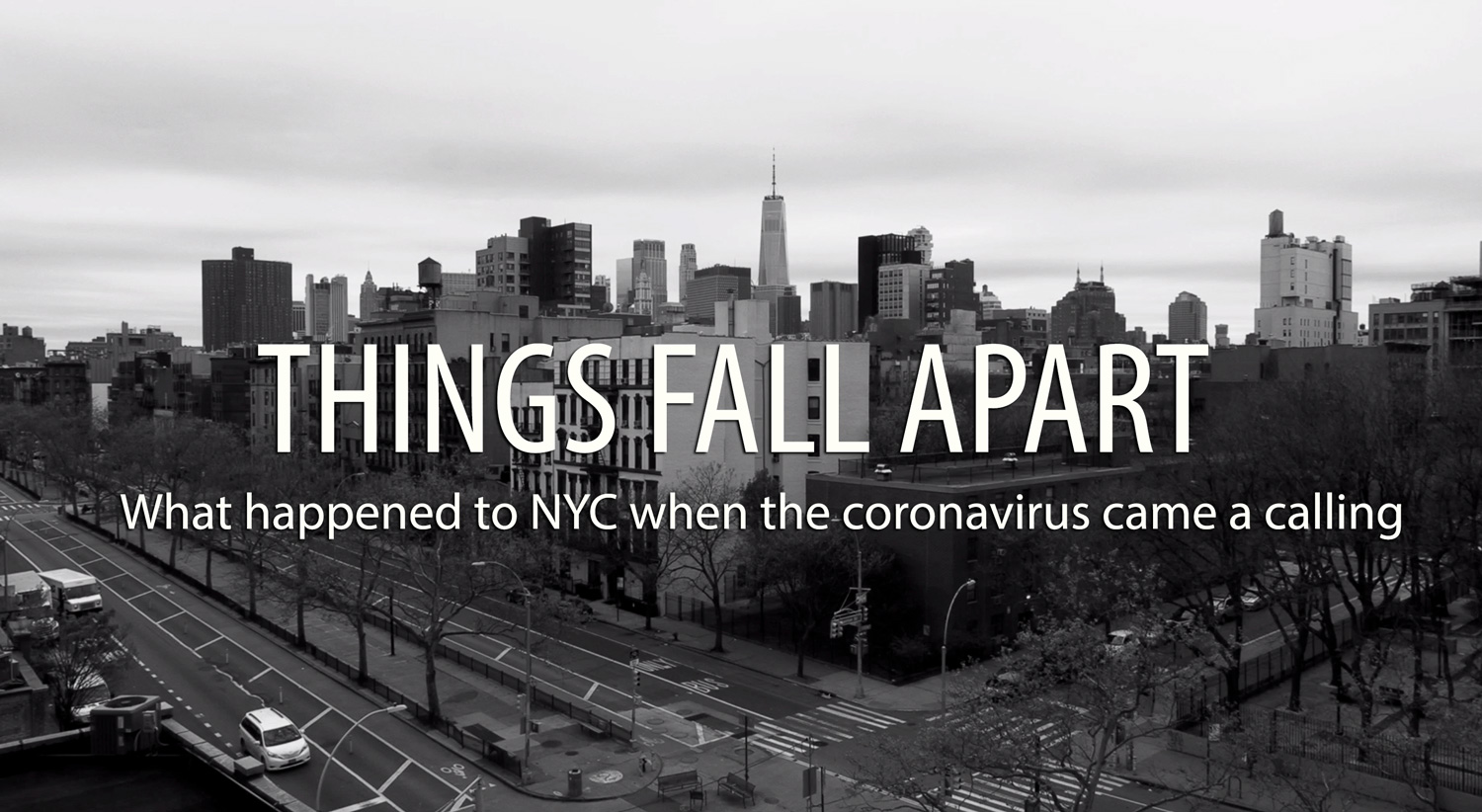
Despite the seismic shifts in global travel and the ever-evolving urban landscape, New York City’s allure remains potent. It’s a city that constantly reinvents itself, absorbing influences and spitting them back out in a dazzling, unique form. The very notion of “what happened to New York” is perhaps best answered by acknowledging that it hasn’t fundamentally changed its essence, but rather, it has grown, adapted, and matured. The core elements that drew people here for generations – the energy, the ambition, the unparalleled cultural diversity, the sheer grit and glamour – are still present, albeit sometimes expressed in new and unexpected ways.
The visitor today might experience Times Square differently than their predecessors, perhaps opting for a quieter, more curated experience of the theaters or exploring the surrounding streets rather than solely focusing on the dazzling billboards. They might find themselves drawn to the independent boutiques of the Lower East Side rather than the established department stores of Fifth Avenue. The answer to “what happened to New York” is that it is still happening. It is a perpetual state of becoming, a city that refuses to stand still. Its story is one of constant evolution, of absorbing the world and reflecting it back, amplified and transformed. And that, perhaps more than any single attraction or landmark, is its most enduring and captivating quality. The city continues to inspire, to challenge, and to offer an experience unlike any other, solidifying its place as a timeless global destination.
LifeOutOfTheBox is a participant in the Amazon Services LLC Associates Program, an affiliate advertising program designed to provide a means for sites to earn advertising fees by advertising and linking to Amazon.com. Amazon, the Amazon logo, AmazonSupply, and the AmazonSupply logo are trademarks of Amazon.com, Inc. or its affiliates. As an Amazon Associate we earn affiliate commissions from qualifying purchases.