
Navigating the financial landscape of any major metropolis can be a complex endeavor, and for those planning a visit, a stay, or even considering a relocation to the vibrant heart of New York City, understanding its tax structure is paramount. While the allure of iconic landmarks, world-class dining, and unparalleled cultural experiences often takes center stage, the practicalities of personal finance, particularly income tax, warrant a clear and comprehensive overview. This exploration delves into the intricacies of New York City income tax rates, providing insights for travelers, temporary residents, and those contemplating a more extended immersion in the Empire State’s most bustling borough.
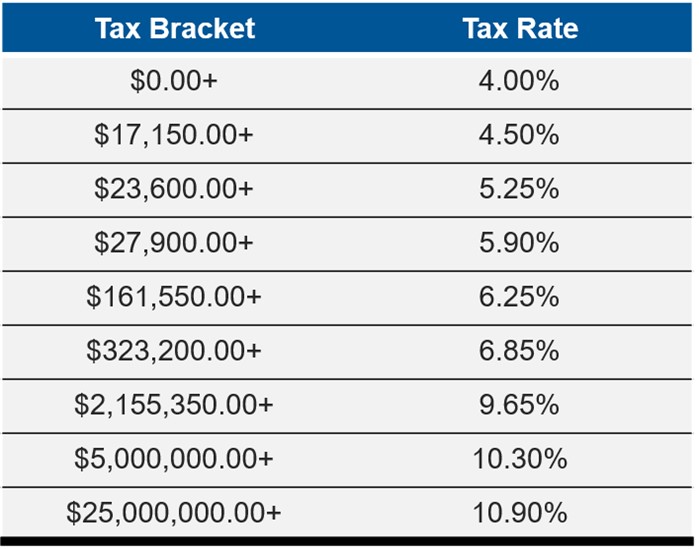
The notion of “income tax rate” within New York City is not a monolithic figure. Instead, it’s a multi-layered system influenced by several factors, primarily stemming from state and local taxation policies. For individuals earning income within the city, the tax liability is generally determined by a combination of New York State income tax and New York City income tax. This dual taxation structure is a critical distinction for understanding the overall tax burden.
Understanding the Dual Tax Structure: State and City Levies
At its core, New York City’s income tax rate is an aggregation of two distinct tax obligations: New York State income tax and New York City income tax. Both are progressive tax systems, meaning that higher earners are subject to higher tax brackets. This principle aims to distribute the tax burden more equitably across different income levels.
New York State Income Tax
The New York State income tax applies to all residents of the state and, for certain types of income, to non-residents who earn income within the state. The rates are tiered, ranging from a low percentage for the lowest income brackets to a significantly higher percentage for the highest earners. These rates are subject to periodic adjustments by the New York State Department of Taxation and Finance. For the most current tax year, individuals can expect a series of tax brackets with corresponding rates. For instance, a single filer earning a modest income might fall into a lower tax bracket, while a high-net-worth individual will be taxed at the highest state rates.
The calculation of New York State taxable income involves deducting various allowances and exemptions from gross income. These can include deductions for dependents, standard deductions, or itemized deductions, depending on what is more beneficial for the taxpayer. Understanding these deductions is crucial for accurately estimating one’s state tax liability.
New York City Income Tax
Adding another layer to the financial equation is the New York City income tax, which is levied on individuals who live or work within the city limits. This tax is administered by the New York City Department of Finance. Similar to the state tax, the New York City income tax is also progressive, with a schedule of tax rates that increase with income.
The New York City tax rates are generally lower than the highest New York State rates but contribute significantly to the overall tax burden for city residents and workers. The city tax brackets and rates are set by the New York City Council and are also subject to change. For individuals whose primary residence is within the five boroughs, the New York City income tax is a mandatory component of their tax obligations. For those who work in New York City but reside elsewhere, they may also be subject to the city income tax, depending on their specific residency status and the nature of their earnings.
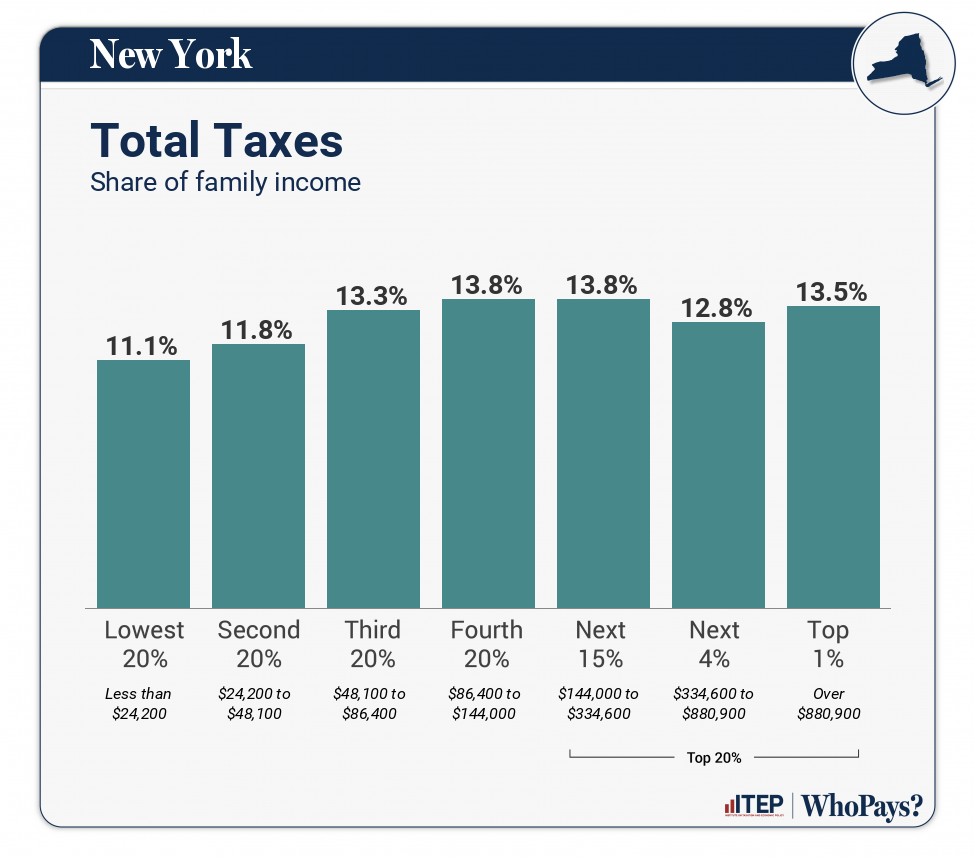
The interplay between these two tax systems means that an individual’s total income tax rate in New York City is the sum of their New York State tax liability and their New York City tax liability. This combined rate is what most people refer to when discussing the “income tax rate” in the city.
Tax Implications for Different Visitor Scenarios
The financial implications of New York City’s income tax rates can vary significantly depending on an individual’s circumstances and the duration of their stay. Whether one is a tourist for a week, a business traveler for a month, or a temporary resident for an extended period, the tax considerations can differ.
Tourists and Short-Term Visitors
For most tourists visiting New York City for a brief period, typically a few days or weeks, there are usually no direct income tax implications. Income earned from sources outside of New York City or New York State is generally not subject to city or state income tax as long as the visitor does not establish residency or engage in activities that constitute earning income within the city. The expenses associated with a typical tourist trip, such as hotel stays at establishments like the Plaza Hotel or dining at renowned restaurants, are subject to sales tax and hotel taxes, but not income tax.
Business Travelers and Extended Stays
Business travelers who spend extended periods in New York City for work may encounter more complex tax scenarios. If a business traveler is on assignment for a company based outside the state, their tax liability will depend on the specific agreements between their employer and New York State, as well as any tax treaties that might be in place. In some cases, short-term business activities may not trigger a tax obligation, especially if the individual does not meet the criteria for residency. However, if the stay extends to a point where it could be construed as establishing residency, or if the nature of the work involves generating income within the city, tax obligations could arise. It is always advisable for business travelers to consult with a tax professional to understand their specific obligations.
Temporary Residents and Nomadic Workers
Individuals who choose to live in New York City for several months, perhaps working remotely or on temporary contracts, need to be particularly mindful of residency rules. New York State and New York City have specific tests to determine residency, which often include factors such as the number of days spent in the state/city, the location of a permanent home, and the intent to remain. If an individual is deemed a resident, they will be subject to both New York State and New York City income taxes on their worldwide income, regardless of where that income is earned. This can be a significant consideration for digital nomads or those on extended sabbaticals who might not realize their temporary dwelling has tax implications.
Factors Influencing Your Specific Tax Rate
The actual income tax rate an individual pays in New York City is not a single, fixed number. It is a dynamic figure influenced by a multitude of personal and financial circumstances. Understanding these variables is key to accurate tax planning and estimation.

Filing Status
One of the most significant factors determining your tax rate is your filing status. In New York, as in most other jurisdictions, common filing statuses include single, married filing jointly, married filing separately, and head of household. Each status has its own set of tax brackets and standard deductions, which can lead to substantial differences in tax liability, even for individuals with identical incomes. For example, a married couple filing jointly often benefits from lower combined tax rates than if they were to file separately.
Income Level and Tax Brackets
As mentioned, both New York State and New York City employ progressive tax systems. This means that your overall tax rate is not simply a single percentage applied to all your income. Instead, your income is divided into different portions, each taxed at an increasing marginal rate. The higher your income, the greater the portion of your income that falls into higher tax brackets. For example, the first $X of your income might be taxed at 2%, the next $Y at 4%, and so on, up to the highest bracket. To calculate your effective tax rate (the total tax paid divided by your total taxable income), you would need to sum the tax paid across all brackets.
Deductions and Credits
Taxable income is not the same as gross income. Both New York State and New York City allow for various deductions that can reduce your taxable income, thereby lowering your tax bill. These can include:
- Standard Deduction: A fixed amount that taxpayers can deduct from their income. The amount varies based on filing status.
- Itemized Deductions: If your eligible expenses exceed the standard deduction, you can choose to itemize. Common itemized deductions include state and local taxes (SALT), mortgage interest, charitable contributions, and medical expenses (subject to limitations).
- Personal Exemptions/Tax Credits: Certain credits or exemptions may be available based on factors like the number of dependents you have.
Understanding which deductions you are eligible for and whether to take the standard deduction or itemize is crucial for minimizing your tax liability. New York State and New York City also offer various tax credits designed to provide relief or incentivize certain behaviors, such as credits for low-income taxpayers, education expenses, or energy-efficient home improvements.
Residency Status
The distinction between being a resident, non-resident, or part-year resident is fundamental to New York income tax.
- Resident: If you are considered a New York State resident, you are taxed on your entire income, regardless of where it is earned. If you are also a New York City resident, you will be subject to both state and city income taxes on that worldwide income.
- Non-Resident: Non-residents are generally taxed only on income earned from New York State sources. This typically includes wages earned from employment within the state. New York City also has rules for non-residents who work within the city.
- Part-Year Resident: If you move into or out of New York State or New York City during the tax year, you will be classified as a part-year resident. Your tax liability will be calculated on income earned while you were a resident and income earned from New York sources while you were a non-resident.
Determining residency status can be complex, involving factors such as the amount of time spent in New York, the location of your permanent home, and your intent.
Resources for Navigating New York City Income Tax
For anyone seeking to understand their New York City income tax obligations, reliable resources are essential. The official government websites and professional tax advisors offer the most accurate and up-to-date information.
Official Government Resources
The primary sources for information on New York taxes are the websites of the respective tax agencies:
- New York State Department of Taxation and Finance: This website provides comprehensive details on New York State income tax laws, forms, publications, tax rates, and filing deadlines. It is the go-to resource for understanding state-level tax requirements.
- New York City Department of Finance: The New York City Department of Finance provides specific information related to New York City income taxes, including tax rates, forms, and any city-specific tax policies.
These official sites are regularly updated with the latest tax legislation and administrative guidance, making them invaluable for accurate tax planning.
Professional Tax Advice
While government websites offer a wealth of information, the complexity of tax law often necessitates professional guidance. Certified Public Accountants (CPAs) and Enrolled Agents specializing in New York tax law can provide personalized advice tailored to your specific financial situation. They can assist with:
- Accurate Tax Calculation: Ensuring your tax liability is calculated correctly based on your income, deductions, and credits.
- Residency Determination: Helping you understand your residency status and its implications for tax purposes.
- Tax Planning: Developing strategies to minimize your tax burden legally, especially for those with complex financial situations or considering extended stays.
- Filing Assistance: Preparing and filing your state and city tax returns accurately and on time.
For individuals who are new to New York City, are frequent travelers, or have evolving financial circumstances, consulting a tax professional can provide peace of mind and ensure compliance with all applicable tax laws. Whether you are planning a short visit to explore the Metropolitan Museum of Art, considering a longer stay at a serviced apartment near Central Park, or contemplating a permanent move, understanding the income tax landscape is a fundamental aspect of financial preparedness.
LifeOutOfTheBox is a participant in the Amazon Services LLC Associates Program, an affiliate advertising program designed to provide a means for sites to earn advertising fees by advertising and linking to Amazon.com. Amazon, the Amazon logo, AmazonSupply, and the AmazonSupply logo are trademarks of Amazon.com, Inc. or its affiliates. As an Amazon Associate we earn affiliate commissions from qualifying purchases.