
The allure of a perfectly cooked steak is a universal pleasure, and within the pantheon of beef cuts, the “New York steak” holds a particularly esteemed position. Often found gracing the menus of fine dining establishments and firing up grills in backyards across the globe, this cut is celebrated for its robust flavor, tender texture, and satisfying chew. But what exactly defines a New York steak, and what makes it so special? This exploration delves into the anatomy of this iconic cut, its culinary significance, and what to look for when seeking the perfect piece.
The Anatomy of a New York Steak
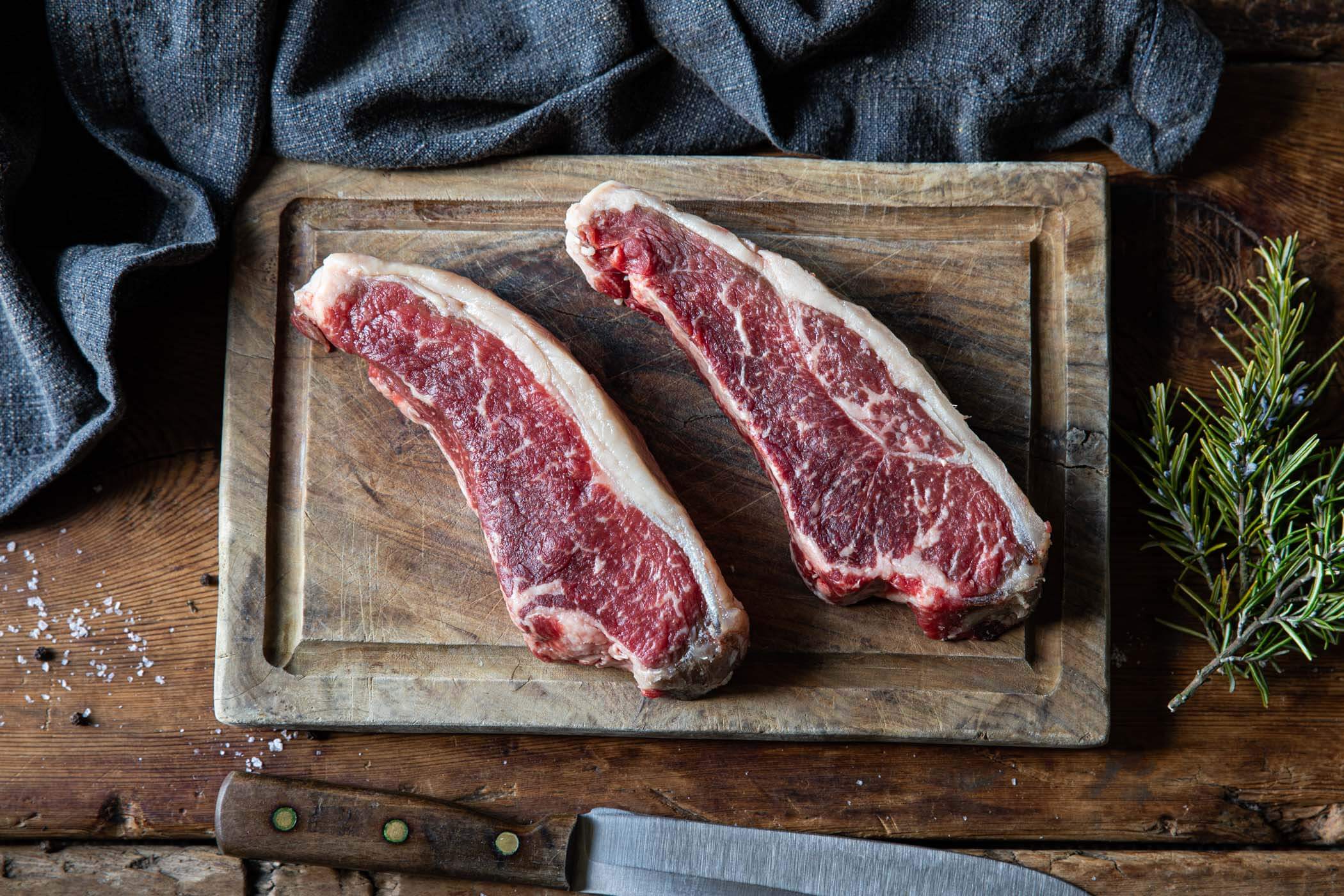
The New York steak, also known by a variety of regional names such as the Strip Steak, Kansas City Strip, or Top Loin, is derived from the short loin primal cut of the cow. This section of the steer is located along the back, behind the ribs and in front of the sirloin. Crucially, the muscles in this area are not heavily worked, which contributes to the meat’s inherent tenderness.
Origin and Primal Cut
The short loin is a highly prized section because it contains several of the most desirable steak cuts. It’s further divided into two main parts: the larger anterior portion, which yields the T-bone and Porterhouse steaks (distinguished by the presence of a bone), and the posterior portion, which provides the New York steak. When the bone is removed from the posterior short loin, the remaining muscle is what we recognize as the New York strip.
Distinctive Characteristics
A true New York steak is typically a boneless cut, distinguishing it from its bone-in counterparts like the bone-in strip or ribeye. It is characterized by a marbling of fat, which is intramuscular fat that runs through the muscle. This marbling is key to the steak’s flavor and juiciness; as the steak cooks, the fat melts, basting the meat from within and imparting a rich, beefy taste. The New York steak also often has a firmer texture compared to some other premium cuts, offering a satisfying bite that many steak aficionados appreciate. A thin cap of external fat usually runs along one edge, which can be rendered down during cooking to add further flavor and moisture.
Naming Conventions and Regional Differences
The nomenclature surrounding this steak can be a source of confusion. While “New York Strip” is perhaps the most widely recognized name, it’s also known as:
- Strip Steak: A generic but common term.
- Top Loin Steak: Reflecting its origin in the upper part of the loin.
- Kansas City Strip: Often used interchangeably with New York Strip, especially in the Midwest. Some purists might associate this name with a bone-in version.
- Ambassador Steak: Less common, but sometimes used.
- Sirloin Strip: While technically from the short loin, the term “sirloin” can sometimes lead to confusion with the actual sirloin primal cut.
The distinctions between these names are often subtle and can depend on the butcher, the region, or whether the steak includes a small piece of the bone. However, fundamentally, they all refer to the same primary muscle group.
The Culinary Appeal of New York Steak
The New York steak’s popularity stems from a harmonious balance of flavor, texture, and versatility in cooking methods. It’s a steak that confidently stands on its own, requiring minimal embellishment to shine.
Flavor Profile
The defining characteristic of a New York steak is its robust, beefy flavor. This is largely attributed to the higher fat content, particularly the visible marbling, which melts and caramelizes during cooking. This intramuscular fat contributes a depth of taste that is distinct and satisfying. Unlike cuts from more heavily worked muscles, the New York strip offers a clean, pure beef essence without being overly gamey. The fat cap along the edge, when rendered properly, adds another layer of rich, savory notes.
Texture and Tenderness
While not as melt-in-your-mouth tender as a Filet Mignon (from the tenderloin primal), the New York steak offers a delightful chewiness that many find more engaging. It possesses a firmer, more resilient texture due to its muscle structure. This resilience means it’s less prone to becoming mushy and holds up exceptionally well to high-heat cooking methods. The marbling also plays a crucial role in its perceived tenderness, as the fat lubricates the muscle fibers as it cooks.
Cooking Versatility
The New York steak is incredibly adaptable to various cooking techniques, making it a favorite for both professional chefs and home cooks.
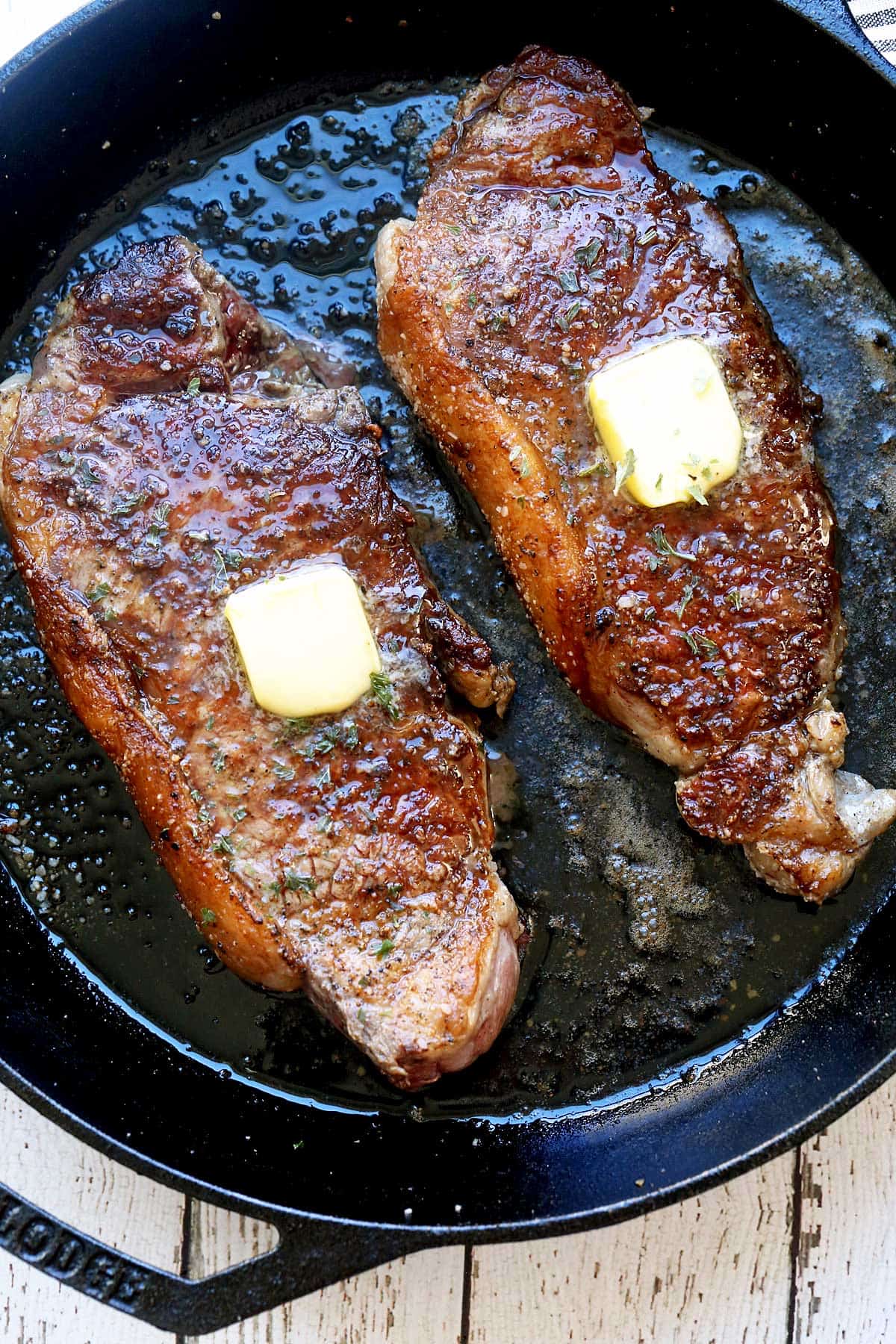
- Grilling: This is arguably the most popular method. The high heat of the grill sears the exterior, creating a beautiful crust, while the fat renders to keep the interior moist. Grilling imparts a smoky flavor that complements the beef.
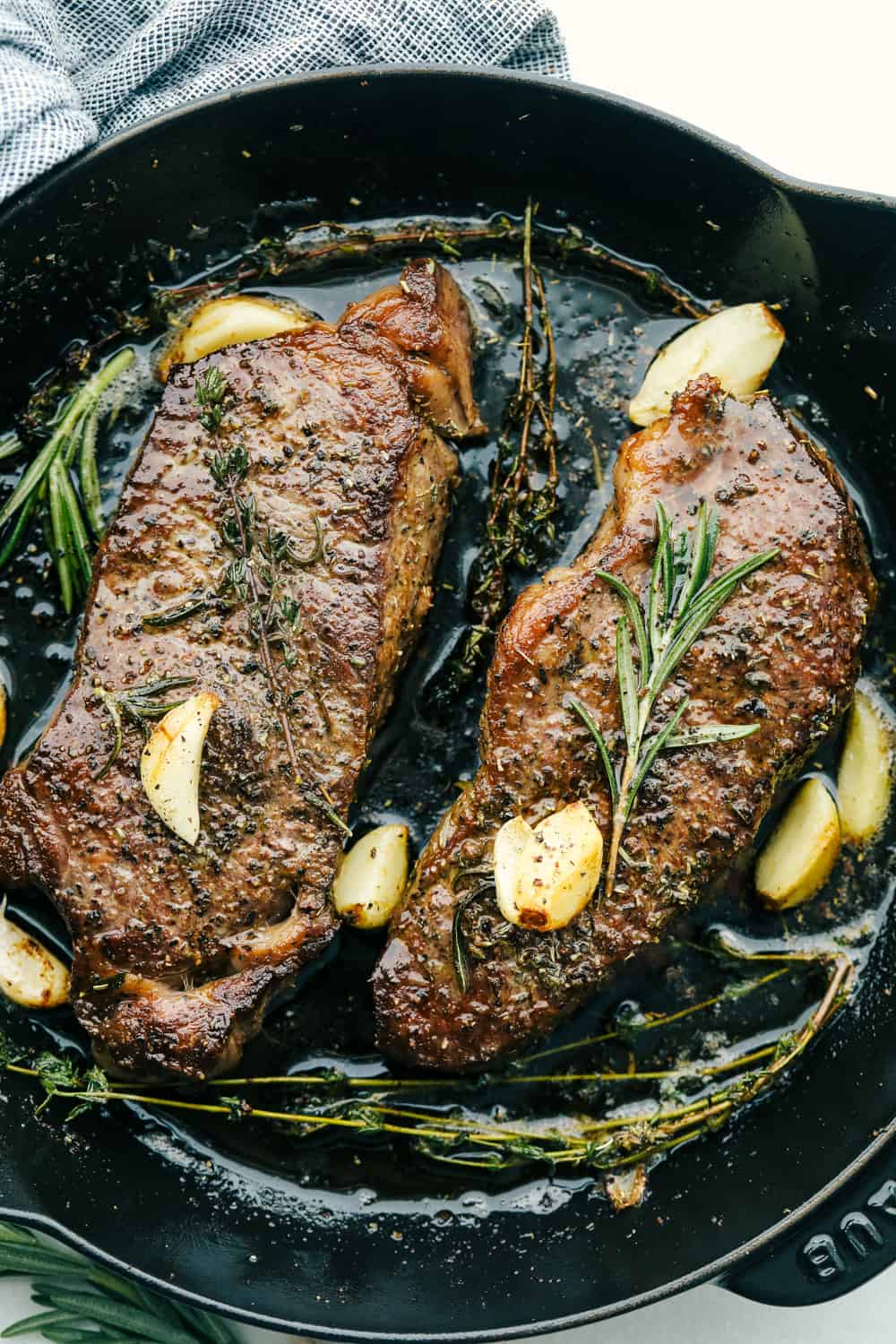
- Pan-Searing: A cast-iron skillet is ideal for pan-searing. The even heat distribution allows for excellent crust formation and control over the internal temperature. Basting with butter, garlic, and herbs during the final stages of cooking can elevate the flavor profile significantly.
- Broiling: Similar to grilling, broiling uses high, direct heat from above to cook the steak quickly and develop a char.
- Reverse Searing: This technique involves gently cooking the steak in a low-temperature oven until it reaches close to the desired internal temperature, followed by a high-heat sear to finish. It ensures even cooking from edge to edge.
Regardless of the method, achieving a perfect medium-rare to medium doneness is often considered ideal for a New York steak, allowing the fat to render while keeping the center juicy and tender.
Selecting the Best New York Steak
Choosing the right New York steak can elevate your dining experience from ordinary to exceptional. Several factors contribute to the quality of this cut.
Grade of Beef
The grade of beef is a primary indicator of quality. In the United States, the most common grading system is from the USDA.
- USDA Prime: This is the highest grade, indicating abundant marbling, exceptional tenderness, and superior flavor. Prime steaks are typically found in high-end restaurants and specialty butcher shops.
- USDA Choice: This grade is widely available and offers good quality, tenderness, and flavor. It has less marbling than Prime but is still an excellent option for most cooking methods.
- USDA Select: This grade is leaner and less flavorful than Prime or Choice. While it can be cooked well, it requires more attention to prevent dryness.
For the best flavor and juiciness, look for USDA Prime or, at a minimum, USDA Choice.
Marbling and Fat Cap
When inspecting a New York steak, pay close attention to the marbling. Look for fine, evenly distributed flecks of white fat interspersed throughout the red muscle. Avoid steaks with large, irregular chunks of fat or very little marbling. The visible fat cap along one edge should be present; this is a crucial element for flavor and moisture retention. A thickness of at least ¼ inch is desirable.
Thickness
The ideal thickness for a New York steak is generally between 1 to 1.5 inches. Thicker steaks are easier to cook to a precise temperature without overcooking the exterior. They allow for a beautiful sear while ensuring the center remains at the desired level of doneness. Thinner steaks can be more challenging, as they cook very quickly and are more prone to drying out.
Color and Appearance
A fresh New York steak should have a bright, cherry-red color. Avoid steaks that appear dull, brownish, or have a slimy texture. A slight variation in color can occur due to oxidation, but significant discoloration is a sign of age or improper handling.
Beyond the Plate: The Cultural Significance of New York Steak
The “New York” in New York steak is more than just a descriptor; it’s a nod to the city’s enduring culinary legacy. While the cut itself is not exclusive to the five boroughs, its association with classic American steakhouses, particularly those that emerged in New York City, has cemented its status.
The Classic Steakhouse Experience
For decades, steakhouses have been synonymous with a certain type of urban dining – a place for celebration, important business dealings, and a hearty indulgence. The New York steak is often the flagship offering in these establishments. The experience of dining on a perfectly cooked New York steak in the sophisticated ambiance of a New York steakhouse, perhaps accompanied by a fine wine and classic sides like creamed spinach or mashed potatoes, is a quintessential part of American food culture. Iconic establishments like Peter Luger Steak House in Brooklyn or Keens Steakhouse in Manhattan have played a significant role in popularizing and perfecting the preparation of this cut.
A Symbol of American Cuisine
The New York steak represents a significant part of the American culinary identity. It embodies the country’s agricultural bounty, its tradition of hearty, satisfying meals, and its appreciation for quality ingredients. Its widespread availability, from high-end restaurants to local butcher shops, speaks to its broad appeal and its status as a beloved staple. When people think of an American steak, the New York strip is often at the forefront of their minds, a testament to its enduring popularity and its place in the nation’s gastronomic heritage. Whether enjoyed in a bustling metropolis like New York City or a quiet town, the New York steak offers a consistent promise of a delicious and fulfilling meal.
LifeOutOfTheBox is a participant in the Amazon Services LLC Associates Program, an affiliate advertising program designed to provide a means for sites to earn advertising fees by advertising and linking to Amazon.com. Amazon, the Amazon logo, AmazonSupply, and the AmazonSupply logo are trademarks of Amazon.com, Inc. or its affiliates. As an Amazon Associate we earn affiliate commissions from qualifying purchases.